
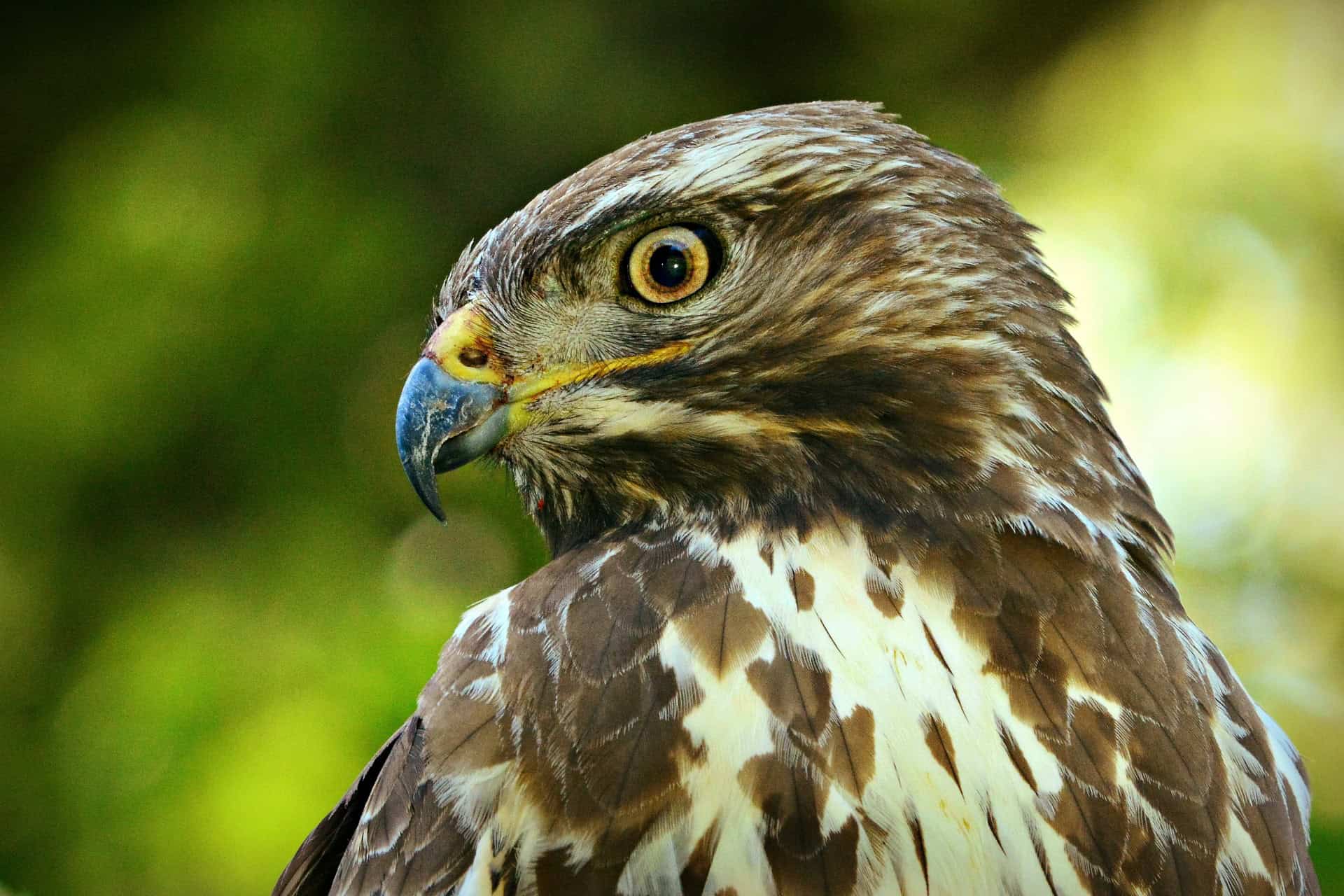
As an expert in falconry, I am often asked how long I keep my birds. And the answer is it depends. Some falconers keep their birds for life, while others only have them for a few years. It ultimately comes down to personal preference and the relationship between the falconer and their bird.
How long do falconers keep their birds?
The duration a falconer keeps their bird varies greatly and is contingent on numerous factors such as bird health, bonding, and personal preference. Some falconers might keep their raptors for several years, while others maintain lifelong partnerships with their feathered companions.
If a decision is made to release a bird back into the wild, it’s often due to several reasons. This could be the bird’s readiness to fend for itself, its strong urge to mate, or the falconer’s belief in giving the bird a chance to live naturally.
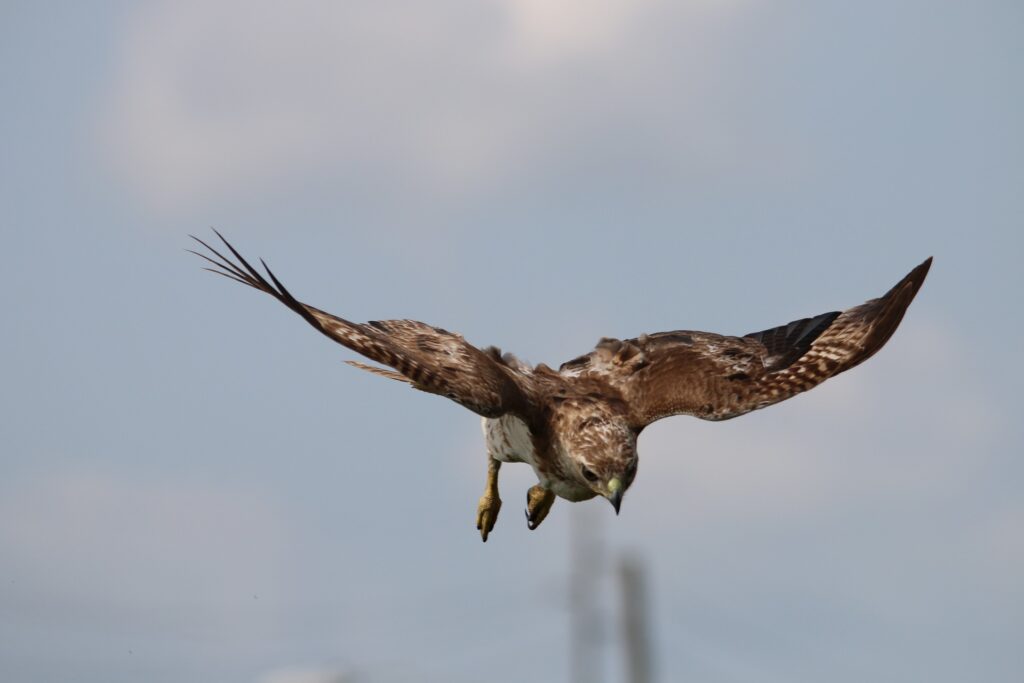
Preparing a bird for release is a meticulous process. The bird is trained to hunt and survive independently, ensuring it’s capable of self-sustenance in the wilderness. This involves training sessions that gradually decrease the bird’s dependency on the falconer while improving its hunting skills and enhancing its fear of humans to prevent potential harm.
However, it’s important to note that this is not always the case. Many falconers form deep, emotional connections with their raptors, leading them to keep their birds until they pass on, providing a nurturing and protective environment for the entirety of the bird’s life.
List of top 5 raptors and the average time falconers keep them.
I’ve compiled a list of the top 5 birds that falconers commonly keep:
- Peregrine falcon
- Goshawk
- Harris’s hawk
- Red-tailed hawk
- Kestrel
The average time that falconers keep these birds can be different depending on factors such as the bird’s age, health, and training. However, on average, falconers tend to keep their birds for several years, often forming strong bonds and investing significant time and effort into their care and training.
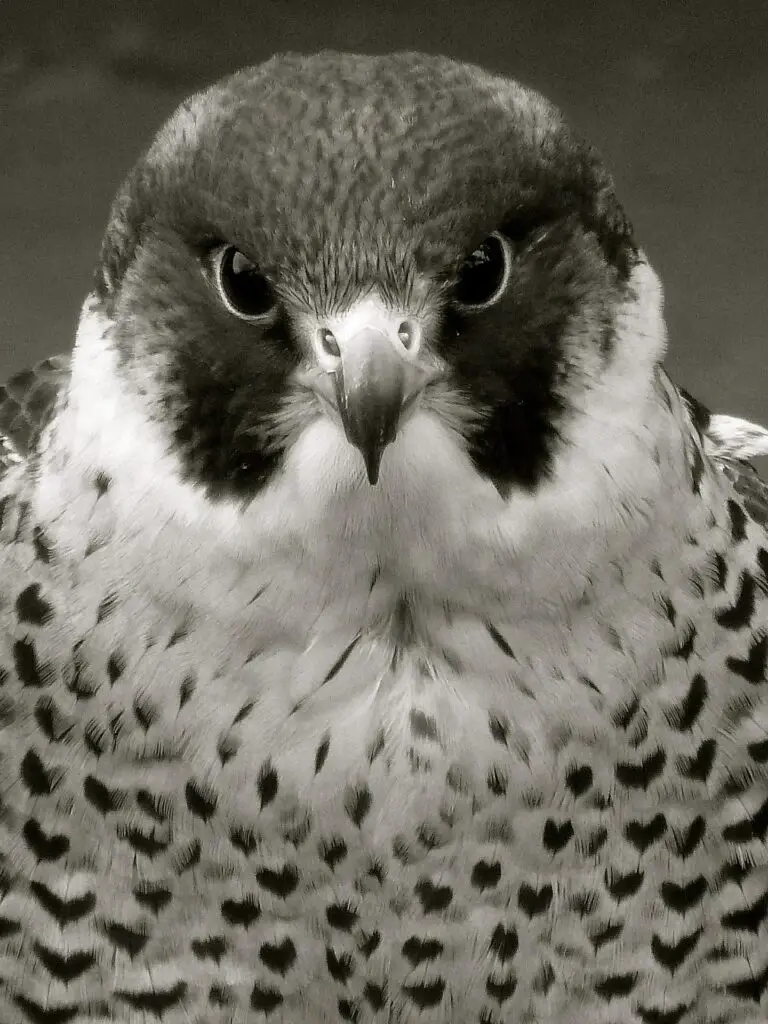
Peregrine falcon
The Peregrine Falcon, renowned for its speed and precision, has an average lifespan of about 15-20 years in the wild. However, when kept in captivity and under the careful watch of a falconer, they can live even longer, often up to 25 years. Falconers usually keep these majestic creatures for a period of 7-10 years before considering release.
This timescale allows for the formation of a strong bond and provides ample time for comprehensive training. Yet, it’s crucial to remember that this is merely an average, with some falconers choosing to keep their Peregrine Falcons their entire lives and others releasing them after only a few years. The decision is contingent on several factors, including the bird’s health, its bonding with the falconer, and its readiness to resume life in the wild.
Goshawk
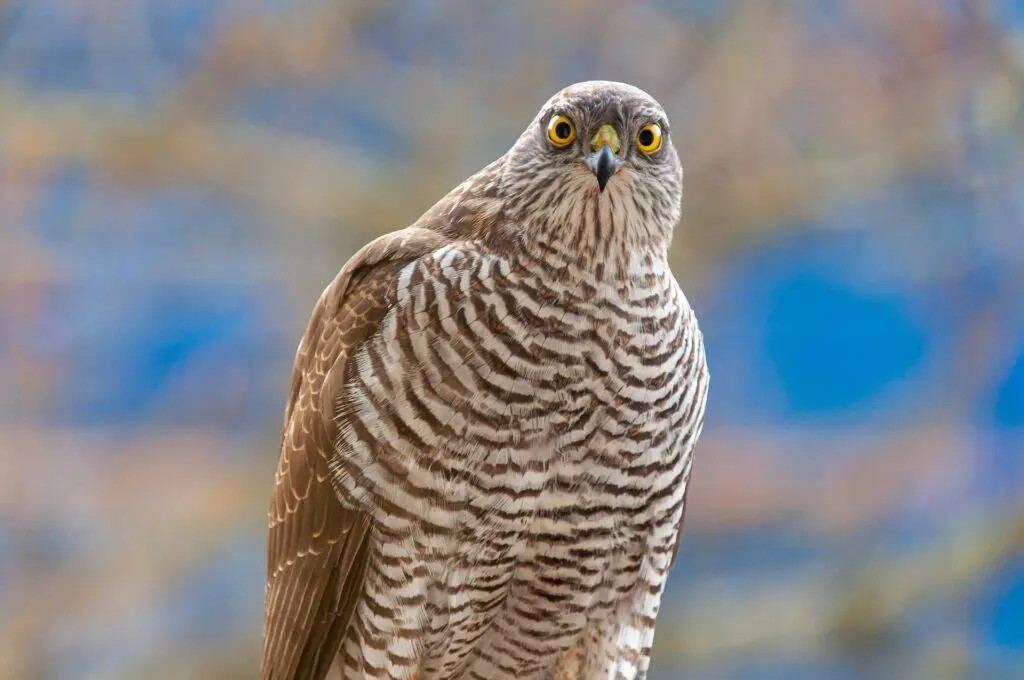
The Goshawk, a bird renowned for its fierce nature and hunting prowess, has an average lifespan of 10-12 years in the wild. Under a falconer’s astute care and protection, this can extend up to 20 years. Falconers typically keep these birds for around 5-7 years before considering a release.
This duration is often sufficient to establish a deep bond and comprehensive training. However, given the fierce nature of Goshawks, some falconers may choose to keep them for a more extended period or even for their entire lives. Conversely, others might release them earlier based on factors like a bird’s health, level of training, and readiness to thrive in the wild. This decision is always a balance between the bird’s well-being and the falconer’s preference.
Harris’ Hawk
The Harris’ Hawk, recognized for its unique social behaviour and cooperative hunting, has an average lifespan of 12-20 years in the wild. With the vigilant care of a falconer, this lifespan can extend up to 25 years. Falconers usually retain these birds for about 8-10 years before contemplating release.
This extensive period facilitates a robust bond and thorough training. However, the social nature of Harris’ Hawks often leads falconers to retain them for their entire lifespan. If a release is considered, it is typically based on factors including the bird’s health, degree of training, and readiness to succeed independently in the wild. This decision is a careful balance between the well-being of the bird and the falconer’s preferences.

Red-tailed Hawk
The Red-tailed Hawk, known for its widespread habitat and distinctive red tail, has an average lifespan of 10-15 years in the wild. With the attentive care and protection of a falconer, this lifespan can extend up to 20 years. Falconers typically keep these birds for about 7-10 years before considering a release.
This lengthy period allows for the establishment of a strong bond and comprehensive training. However, many falconers, captivated by the distinctive beauty and resilience of Red-tailed Hawks, choose to keep them for their entire lives. If a release is contemplated, it is usually based on factors such as the bird’s health, level of training, and readiness to flourish in the wild. As with all decisions in falconry, the well-being of the bird and the falconer’s preferences are carefully balanced.
Kestrels
The Kestrel, admired for its adaptability and small size, has an average lifespan of 10-15 years in the wild. In the attentive care of a falconer, this lifespan can extend up to 20 years. Falconers generally keep these birds for about 5-7 years before contemplating release. This period offers enough time to form a strong bond and ensure thorough training. However, due to their adaptive nature and less demanding size, some falconers may choose to keep Kestrels for their entire lives.
If a release is considered, it is typically based on factors such as the bird’s health, level of training, and readiness to thrive independently in the wild. As always, the decision carefully balances the bird’s well-being and the falconer’s preference.
Do falconers release their birds when they get old?
Age is indeed a factor that falconers consider when making the difficult decision to release their birds. Traditional falconry philosophy encourages the release of older birds back into the wild to allow them to live out their remaining years in their natural environment. This release usually happens after 5-10 years, depending on the bird species and its health condition.
The primary reason behind this practice is to contribute to the bird’s well-being and the sustainability of its species. Reintroducing these birds to the wild can enhance the genetic diversity in the population, boosting the species’ long-term survival prospects.
From the bird’s perspective, returning to their natural habitat can offer a sense of freedom and contentment, particularly for those that retain strong wild instincts. While falconers provide excellent care and companionship, the wild offers birds the opportunity to mate freely, have offspring, and live a life less impacted by human interventions.
However, this decision is never taken lightly, and many factors are considered. The bird’s health is paramount – if the falconer feels that the bird may not survive in the wild due to age-related health complications, they might decide against the release. Equally, the falconer’s bond with the bird and the bird’s dependence on the falconer are significant factors influencing this decision.
It’s important to remember that each falconer’s approach might vary, and while some choose to release their ageing birds, others prefer to care for them throughout their entire lives. Ultimately, the welfare of the bird is the guiding principle in these decisions.
In conclusion, falconry is a practice deeply rooted in respect and care for the birds. Each falconer must strike a delicate balance between their personal preferences and the bird’s well-being. Whether a bird is retained or released as it ages is a decision made with its best interests at heart.
Frequently Asked Questions
How Long Do Falconers Typically Keep Their Birds?
- Falconers typically keep their birds for several years(5-10 years), forming a strong bond through training techniques and daily care.
On Average, How Long Do Falconers Keep Their Birds Before Releasing Them Back Into the Wild?
- On average, falconers keep their birds for around 5- 10 years before releasing them back into the wild. This practice helps in bird conservation by allowing them to regain their strength and skills before reintroduction.
Do Falconers Release Their Birds When They Become Too Old to Hunt Effectively?
- When raptors grow old and can no longer hunt effectively, falconers make the ethical choice to retire them. Instead of releasing them into the wild, they provide alternative hunting methods or send them to bird rehabilitation centres, supporting conservation efforts.
Is There Any Specific Age at Which Falconers Tend to Retire Their Birds From Active Hunting?
- There is no specific retirement age for falconry birds. Factors like health, performance, and age influence when I retire my bird. I provide training and care for retired birds and engage them in post-retirement activities. It can be challenging, but I ensure their well-being at all times.
What Are Some of the Activities My Bird Can Engage in During Retirement?
- My retired bird can engage in activities like free-flying, lure-flying, or indoor hunting. Free-flying allows them to fly freely with me present, while lure flying is a type of exercise where I use a lure to simulate hunting. Indoor hunting is an option as well – it’s a great way to keep your bird active and entertained during its retirement.