
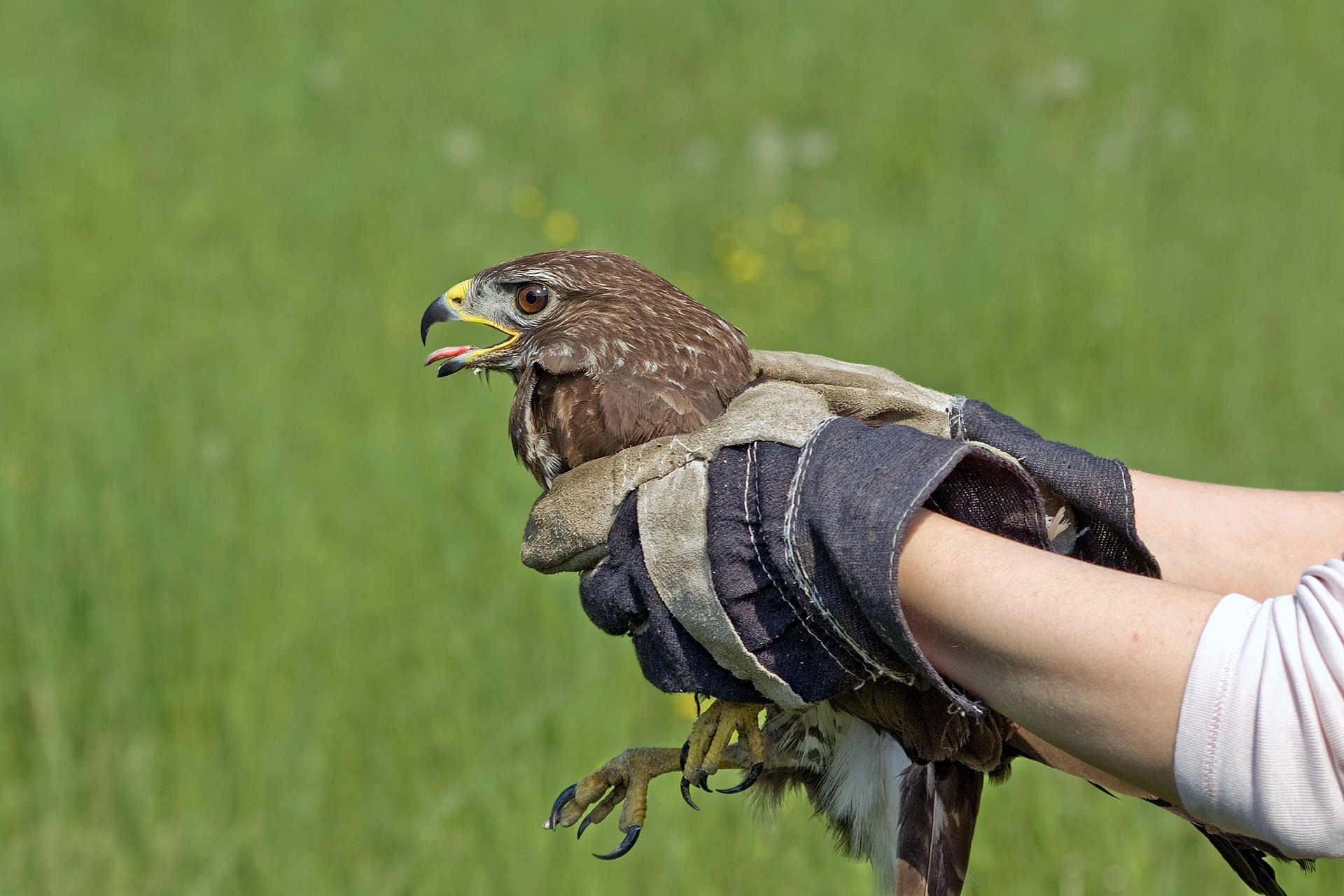
Falconry is a time-honoured pastime, entailing the training and hunting of raptors like falcons, hawks, and eagles. Though this can be an immensely rewarding pursuit, looking after these majestic birds also involves great responsibility. Sadly, in my experience in this field, I observed that many falconers fail to care for their avian companions properly and end up losing them due to various factors, including:
- Poor Training Connections
- Poor living conditions
- Improper Hunting Conditions
- Too Much Pressure on the Bird
- Failure to Provide Adequate Medical Care and Treatment
- Unsuitable Equipment for Falconry
- Lack of Knowledge or Experience in Falconry
- Lack of Socialization and Interaction
- Migratory Patterns and Nesting Habits of Falcons
- Accidental Capture by Other Hunters or Predators
- Careless Handling Practices by Falconers
- Stress and Anxiety from Captivity
- Disease Contamination in Captive Birds
- Being Chased off by larger raptors when hunting
- Getting swept away by a strong wind while flying
- Illness or Injury

A falconer losing their bird is devastating and will surely hurt you emotionally. That is why I recommend knowing what you are doing and asking for help if you don’t; this will ensure you are doing things the right way. The content below guides you on things you should avoid, so read on and hopefully, it will aid you in not losing your raptor.
Factors that can lead to a falconer losing their bird
Poor Training Connections
Falconers can lose their birds due to poor training connections if they do not establish clear and consistent communication with them. If falconers have inadequate experience, they may attempt to train a bird without understanding the animal’s behavioural needs. This, in turn, can lead to miscommunication and frustration between the falconer and the bird, ultimately rendering them unable to establish a strong bond that forms the basis of successful falconry. A lack of trust between the two can cause the bird to become aggressive or unresponsive when in contact with its handler, eventually culminating in a complete disconnect between them.
Poor living conditions
From my years in this game i have known several falconers who have lost thier birds and the reasons for these are most commonly due to poor living conditions. A bird may experience unhealthy and hazardous conditions due to poor housing, small habitation, inadequate ventilation, or neglect. In these situations, the bird may get agitated and anxious. Minimal food and water may also weaken the bird’s immune system, rendering it more susceptible to disease and potential harm. If this happens, the raptor will be forced to flee and seek out better alternatives.
Improper Hunting Conditions
One of the most common ways falconers may lose their birds due to improper hunting conditions is through predation. Captive birds may be easy prey for other animals, such as hawks or owls. Another way that falconers may lose their birds due to improper hunting conditions is through injury or death caused by contact with dangerous objects during flight. For example, suppose a falconer releases their bird into an area with power lines. In that case, the bird may come into contact with the lines, suffer serious injuries, or even succumb to electrocution. Similarly, suppose a falconer takes their bird into areas with fast-moving vehicles on roads or highways because the bird can be struck by a passing vehicle and suffer potentially fatal injuries.
Too Much Pressure on the Bird
Due to excessive pressure on their birds, falconers risk losing their birds. When this occurs, it frequently occurs as a result of the bird being overstimulated and overwhelmed by its training. This might happen, for instance, if the falconer pushes the bird too hard in the hopes that it will pick up new skills more quickly than it can. As a result, the bird can develop dread, refuse to do what is required of it, or even try to elude its handler in an effort to decompress.
Unsuitable Equipment for Falconry
Falconers can lose their birds due to unsuitable equipment for falconry. The improper use of equipment is one of the most common causes of bird loss, especially when it comes to inexperienced or careless handlers. Poorly fitting or inappropriate hoods, jesses, anklets, and swivels can all be contributing factors.
Lack of Knowledge or Experience in Falconry
Due to a lack of expertise or experience in falconry, falconers may lose their birds. A novice falconer will require assistance in comprehending the essential rules and guidelines of the sport, such as appropriate housing, feeding, health care, and handling techniques. These fundamental abilities and information could be used to safeguard the lives of birds. Also, a novice falconer might need to learn how to handle or educate the bird properly, which could make it stressed out or difficult to work with.
Lack of Socialization and Interaction
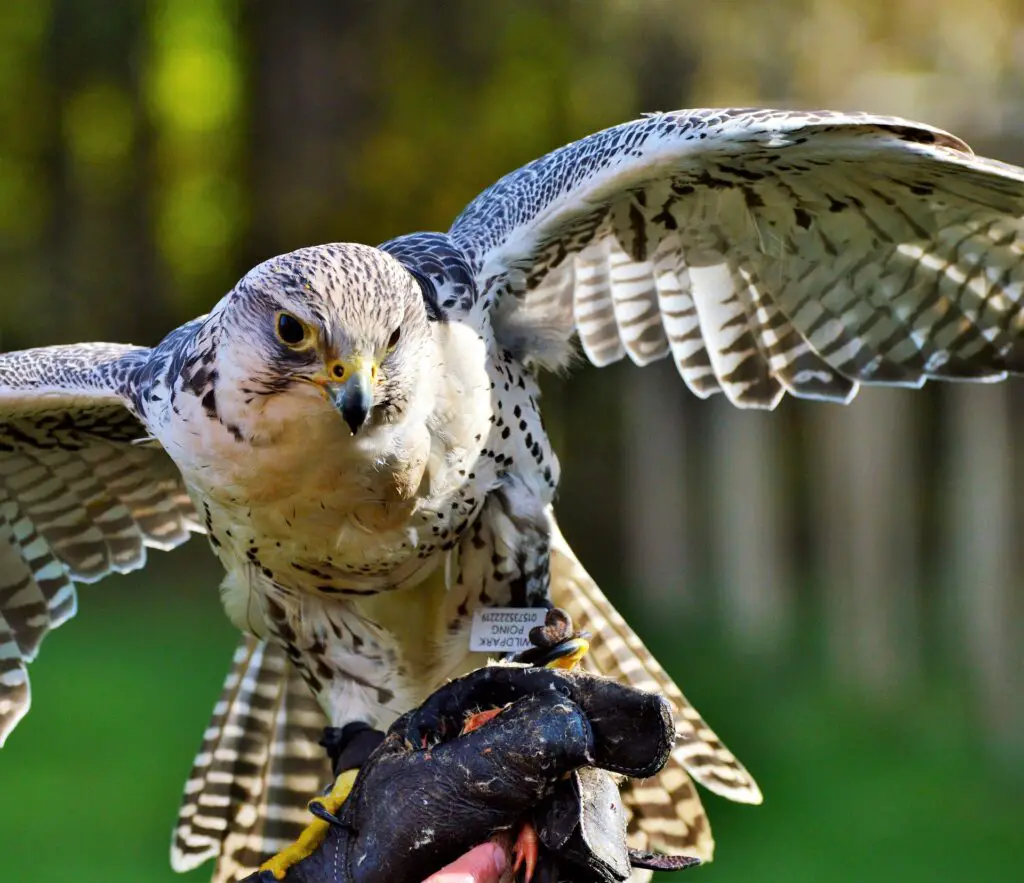
Lack of socialising and contact is a typical cause of falconers losing their birds. Falcons and other raptors need particular care and attention in order to acclimatise to their owners and form strong bonds. Without these crucial elements, the bird may develop timidity, fear, and isolation from its owner. Due to its lack of socialisation, the falcon may flee or fly away when released, which could result in its loss.
Migratory Patterns and Nesting Habits of Falcons
Falconers may find that their birds have taken off and left them due to their migratory patterns and nesting habits. Falcons are known for migrating seasonally, often travelling thousands of miles in search of food and more temperate living conditions. This can put a falconer in the difficult situation of possibly never seeing the bird they trained again. Falconers may also lose their birds because they naturally seek out areas to nest during the springtime mating season. During this period, female falcons will often leave their handler’s side and fly away to find an ideal nesting spot. The male falcons may follow suit or stay with the handler until it is ready to migrate with its mate.
Accidental Capture by Other Hunters or Predators
Falconers may lose their birds due to accidental capture by other hunters or predators. This can happen when an unsuspecting hunter or predator, such as a hawk or owl, plucks the bird out of the sky without realizing it has been trained and cared for by humans. If another hunter spots a falcon, they may attempt to catch it in order to claim ownership.
Careless Handling Practices by Falconers
By not properly fastening the bird and its equipment, falconers risk losing their birds as a result of irresponsible handling techniques. For instance, the falconer must fasten the straps of the jesses, bells, and anklets when taking a bird out to hunt to prevent them from coming off in flight. The bird may become grounded in an unfamiliar location if these objects become loose or tangled, and it might not be able to navigate its way back home.
Stress and Anxiety from Captivity
Many times as a falconer, you may notice your bird is becoming stressed or anxious or even a little agitated while they are stuck in confinement. The lack of natural stimuli, such as environmental changes, weather, terrain, and interaction with other species, is the most common cause of this problem. When a raptor is kept in captivity, and it cannot respond to these natural stimuli, it will surely result in boredom and stress. Another contributing factor may be that the size of the cage is inadequate or the simply isn’t enough opportunity for exercise or mental stimulation through toys and gadgets.
Disease Contamination in Captive Birds
For a variety of causes, falconers may lose their birds to illness contamination in confined birds. Contact with infected birds or surfaces, which can transmit infection from one animal to another, is the main cause. The strain of captivity is another element that might weaken an animal’s immune system and increase its susceptibility to diseases. A higher risk of disease can also be brought on by inadequate veterinarian treatment and poor nutrition.
Being Chased off by larger raptors when hunting
Falconers often lose their birds because of Being Chased off by larger raptors when hunting. This can happen when a falconer is out trying to hunt with their bird and encounter a larger raptor, such as an eagle or a hawk. The larger raptor will likely be more aggressive in its attempts to hunt prey, which can scare the falcon away and cause it to abandon its perch and fly away.
Getting swept away by a strong wind while flying
Strong winds can cause falconers to lose their birds while they are flying. The swift wind gusts have the potential to whisk the bird away, carrying it out into the distance and out of sight. This occurrence, also referred to as “wind-sweeping,” is one of the leading causes of bird loss among falconers.
Illness or Injury
Falconers frequently lose their birds due to disease or injury, which can occur in a variety of ways. One method is that falconers could miss the early symptoms of illness in their birds, which could cause the bird to get too sick to save. Raptors are moreover particularly prone to harm, which may happen if they come into contact with something that might hurt them physically, like barbed wire or sharp things.
The best practices to avoid losing your birds of prey
Examples:
Providing a secure and safe habitat for your birds of prey is one of the greatest ways to prevent raptor loss. Precautions can help to reduce the danger of escapees, such as constructing a barrier or enclosure or utilising appropriate bird netting. Also, it’s critical to routinely check the enclosures and barriers for any openings or other weak places that predators can exploit.
Also, it’s crucial to make sure your birds have access to enough food, water, and other resources so they won’t feel compelled to seek out food elsewhere. It can also assist to keep them from getting too anxious, which might prompt them to try to escape, Make an effort to provide them with a range of games or other pursuits to keep them occupied while they are in captivity and to stimulate their minds.
You should spend money on a good GPS device so that, in the event your bird escapes, you can find it. Last but not least, ensuring that your birds receive routine vaccinations is a crucial component in preventing sickness and maintaining their health and be knowledgeable about the terrain you are hunting in and always safeguard the safety of your raptor.
You’ll leave very little opportunity for error if you adhere to the aforementioned advice and you can enjoy falconry without having to worry too much about your raptor being lost