

Falconers are known for their strong bonds with their raptors, and the sport of falconry is a popular hobby in many parts of the world. While there are many different opinions about how falconers may or may not starve their raptors, we looked at both sides of the argument and found the answer for you.
Falconers do starve their raptors predominantly before hunting. This is done to ensure that the bird will hunt when released and be on high alert due to its heightened sense of hunger. In addition, the traditional practice of starving a raptor before releasing it for hunting was thought to increase its motivation and endurance levels, making it more successful in catching prey.

Starving a raptor is a practice that can be dangerous when not conducted properly there are many things to know about before attempting this. To help you in your quest for answers, I will explore the topic of raptor feeding along with what is starving them and discuss the different methods used to keep raptors healthy and well-nourished.
How do you starve a raptor to ensure it is at its peak for hunting?
When it comes to ensuring a raptor is at its peak for hunting, the key factor to consider is food – or rather, the absence of it. A careful and well-managed timeline used to starve a raptor has proven to be an effective method for creating an active and agile animal. This process involves fasting a raptor for longer periods between each meal. The exact amount of time between feedings will depend on the type of bird. Additionally, you will want to make sure each meal you give your raptor is smaller and richer in nutrients than usual.
Starving a raptor is an essential training technique. It’s done through gradual tapering, meaning that the amount of food given to the raptor slowly decreases over several weeks or months. This process allows the bird to adjust in a smooth and less traumatic manner. When a raptor is persecuted, it becomes obedient and docile, allowing it to be released back into nature when needed. Starved raptors also respond more quickly and accurately to commands when hunting prey, making them ideal for falconry activities. Although this practice can sometimes be controversial, it serves an important purpose for those who need their raptors for various activities or conservation efforts.
Does starving a raptor have long-term health effects?
Raptor hunting through falconry has a long and storied history, dating back to ancient Egypt. However, in modern days it is a growing field of debate due to the question of whether starving the raptors for greater focus and energy on the hunt can have long-term detrimental effects on the birds’ health. This method is sometimes seen as necessary to create a more effective hunter. Still, opponents of it say that such deprivation causes irreparable damage to the raptor’s growth, agility, and body condition over time. Therefore, it is crucial that proper nutrition levels are monitored so that raptors do not suffer from starvation or obesity during this sport. Please ensure that if you attempt this, you must be fully knowledgeable. If you are unsure, it’s best to research better, as this could devastate your raptor’s health if done incorrectly.
Does starving a raptor create digestive issues?
To answer the question of whether starving a raptor can cause digestive issues, it’s important first to understand what raptors eat and how their digestive systems are designed. Raptors are carnivores, meaning they feed on flesh and small mammals, with some species preying on invertebrates as well. As a result, their digestive systems share many similarities with those of humans and other animals- for example, they have mouths, stomachs and intestines that perform traditionally similar functions. However, the fact that raptors consume relatively large prey items means their digestive process has evolved to break down high-energy proteins efficiently. Consequently, depriving a raptor of this sustenance could result in serious digestive issues due to an inability of its body to properly process food after such an extended period of deprivation.
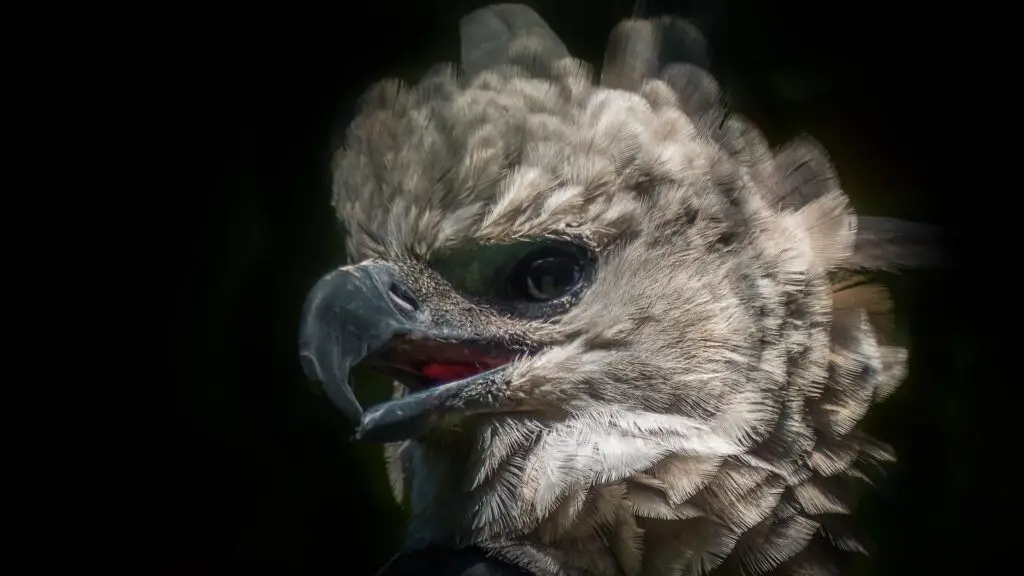
Can you starve young raptors?
Falconry is a time-honoured sport and hobby, but some people have raised the question of whether it’s ethical to starve young birds of prey for the purpose of hunting. While these birds are generally considered to be at their peak strength when they’re younger and less experienced, consistently withholding food and nutrition can be detrimental over the long term. The animal’s age alone is not enough to indicate if they are too young to become part of a falconer’s flock – much depends on their level of experience and ability. Though many famous historical figures dabbled in falconry, modern practitioners must put their birds’ welfare first, carefully weighing any potential risks or side effects before committing them to the practice of this essentially traditional activity.
How many times a month can you starve birds of prey in a month
When hunting for falconry, birds of prey can be starved about once a month. Addressing the falconer’s concern for their bird should only be done if necessary, as starvation can adversely affect the health of these majestic birds. It is important to note that if temperatures are cold or there is snow or ice on the ground, additional feeding may be necessary. Hunger can cause stress and weakness in birds, both of which will affect their performance while in flight. As such, when engaging in this activity, great care must be taken to ensure that the well-being of the bird is placed first and foremost. Moreover, suppose a falconer chooses to engage in this traditional hunting practice. In that case, they should look for any signs indicating that the bird is becoming vulnerable due to hunger or food deprivation.
So, do falconers starve their birds for falconry when hunting? The answer is complicated. Yes, some falconers may withhold food from their bird of prey before a hunt in order to make them more focused and motivated to catch the game. However, many experienced falconers believe it is important to keep their birds well-fed and healthy to succeed in the field. Ultimately, whether or not a falconer starves their bird depends on the individual and the specific situation.