
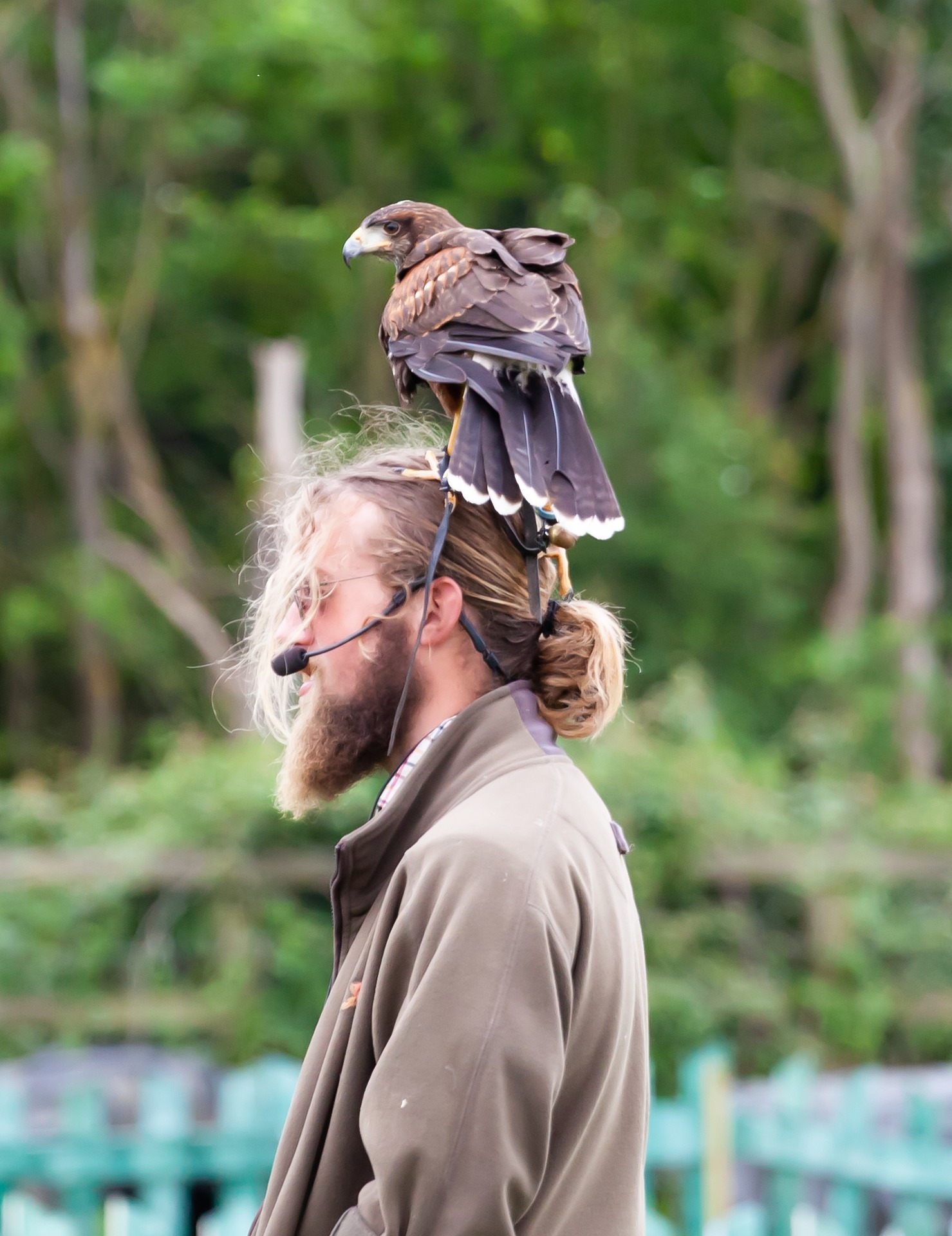
Falconers and their birds develop a strong bond, and they will care and house them in suitable housing, but how long do they actually keep them for?
Falconers keep their birds for a variety of reasons. Some keep them for a few months, others keep them for years, and in some cases, they are kept till death. It really depends on the falconer and what they are looking for in a bird. Some falconers release their birds after a few years to allow them to breed.

Keeping birds of prey in enclosures is a fine art, and you need loads of experience to do this. To help you out, we compiled some bits of information regarding how long they can be kept their average lifespan etc…
How long do falconers keep their birds?
Falconers typically keep their birds for around 3-5 years. After that, the bird is generally retired and either remains with the falconer or is released back into the wild to breed while they are still in peak physique.
What is the average lifespan of birds in falconry?
Birds of prey are typically used in falconry, which is the sport of hunting with trained birds. Falcons, hawks, and eagles are all common types of birds used in this practice. While the lifespan of most birds in captivity is shorter than that of their wild counterparts, those kept for falconry often have a much longer life expectancy. The average lifespan of birds used in falconry is around 5-7 years, although some of them have lived more than 20 years with proper care.
These birds are typically well-fed and have plenty of room to fly, both of which contribute to their longevity. In addition, many falconers take great care to form a bond with their birds, and this connection can help the bird to thrive. As a result, while the life of a captive bird is seldom as long as that of a wild one, those kept for falconry often enjoy a long and healthy life.
Do falconers have a strong bond with their birds?
Falconry is a centuries-old sport that continues to be popular today. A crucial part of falconry is the strong bond between the falconer and their bird. As a result, falconers spend a great deal of time caring for their birds, providing them with food, water, and shelter.
They also train their birds, teaching them how to hunt and fly. As a result, the falconer and bird get to know each other very well. Falcons are intelligent animals who can perform amazing tricks with proper training. Falconers take great pride in their birds and enjoy watching them show off their skills. In falconry, the relationship between falconers and birds is special and unique, built on trust, respect, and care.

Do falconers use their birds as they get old?
As any falconer knows, one of the most important aspects of keeping a raptor is choosing the right age for the bird. While some falconers may decide to use older birds, many find that their raptors perform best when they are younger. For example, younger birds typically have more energy and are less likely to be injured. In addition, younger birds have not yet developed bad habits that can be difficult to break. As a result, most falconers prefer to keep their birds for around 10 years when they are at the prime of their lives.
Are falconer birds more work as they get older?
Falconers and their birds typically have a close, symbiotic relationship. The bird is trained to hunt and return to the falconer, who provides it with food and shelter. However, as the bird gets older, it may become more difficult to train and require more care. This can be a challenge for the falconer, who must ensure that the bird is healthy and happy.
Will birds of prey get slower as they get older?
As birds of prey get older, they may not be as fast or as agile as they were when they were younger. This is because their muscles may start to weaken, and they may not be able to fly as high or as fast. But this does not mean they are no longer valuable members of a falconry team. Older birds can still be very effective in hunting prey and teach younger birds how to hunt effectively.
Do falconers ever release their birds?
Falcons are not your typical pet. Instead, they are wild animals with their own natural instincts and behaviours. As such, they require a great deal of time, patience, and training to become tame enough to live safely with humans. For this reason, most falconers keep their birds for a number of years before releasing them back into the wild.
During this time, the falconer develops a deep bond with the bird, and it is not uncommon for the bird to become like a family member. While some falconers may choose to keep their birds as pets after being trained, others feel that it is best to release them back into the wild, where they can live their natural lives.
Do falconers buy their birds when they are a few weeks old?
Falconers often buy their birds when they are young, around a few weeks old. This allows the bird to bond with its new owner and learn the habits and routines of its new home. It also allows the falconer plenty of time to train the bird for hunting. However, buying a young bird also carries some risks. Birds that are too young may not yet be fully independent and may still depend on their parents for food and shelter.
As a result, they may not bond well with their new owners and may have difficulty adapting to their new homes. Additionally, young birds may not have developed the skills necessary for hunting and may require more training than older birds. Therefore, when considering whether to buy a young bird or an older one, falconers must weigh the pros and cons carefully to make sure they are making the best decision for their new pet.
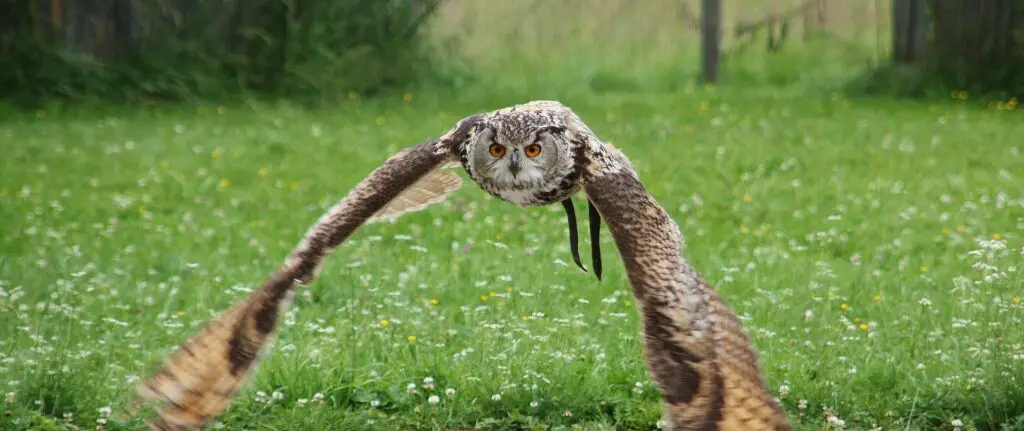
Falconers and their birds have unbreakable bonds. The bird is bought when it is young so that the falconer can train it to hunt. The training process begins as soon as the bird arrives at its new home. Raptors are kept as pets or released upon the bird’s retirement. When a raptor retires from hunting, it may become a pet or be released into the wild, depending on what the falconer decides. Young raptors ensure they are still trainable. A younger bird is more adaptable to change and can be trained more efficiently than an older one who has been in captivity for many years.