
Birds of prey have always held a certain fascination for people. There is something about their power and grace that draws us in. And for those interested in falconry, there is the added intrigue of learning how to train and work with these amazing creatures. So, how many birds can a falconer have?
Apprentice falconers are permitted to have 1 bird until they move on to the general class. At a general falconer stage (usually after serving a two-year apprenticeship), you are now allowed to keep up to three raptors. Upon reaching the master falconer stage (after 5 years of being a general falconer), you may generally keep up to 5 birds of prey. This may vary from state to state.
Keeping one bird of prey is hard work. However, when their numbers start increasing, so does the workload and everything else that comes with it. With my findings from keeping these raptors for many years, I have found some interesting things, which I will cover in the content below.

How many birds of prey may be kept at each level of falconry?
Falconry is an ancient and unique tradition in which humans learn to hunt with trained birds of prey. Depending on the level of experience a falconer has achieved, there may be restrictions as to how many birds of prey can be kept. Generally speaking, an apprentice falconer can only keep one bird of prey; a general falconer can keep up to three, while master falconers have more freedom to keep more birds but may be bound by state regulations. This is done in order to ensure the safety of both the bird and the falconer so that they become well-trained in best practices specifically tailored toward them one-on-one. Falconry is an incredible activity whereby humans gain insight into a majestic creature’s way of life and develop useful skills associated with hunting and animal caretaking.
Why is there a limitation to the number of birds that can be kept
Falconry has been a popular sport for centuries, but it is also tightly regulated and monitored to ensure the safety of the birds being used. One of the most important rules concerns the number of birds of prey owned or kept for falconry purposes at each level. Beginner and Apprentice licenses have limitations of one raptor, General falconers may keep three raptors, and Master licensees with five years of experience can own up to five raptors, but this can. This limitation is essential to ensure that falconers are able to provide good care, training, nutrition, and exercise for all their birds whilst avoiding any behavioural issues among them. Too many raptors sharing space could lead to overcrowding, which can adversely affect their health as well as reduce their hunting capacity due to competition over food sources. Limitations on how many birds per license are also important in ensuring overall bird conservation efforts, as illegal trapping and poaching threaten many species worldwide. Adhering to these limitations will help secure a healthy future for all wildlife affected by people who take part in this sport.
What are the challenges of keeping many birds of prey?
When caring for different species of birds of prey it might be hard to Keep up with the needs of each individual species can be time-consuming as they may require different diets, habitats, and enrichment activities. Along with meeting the physical needs of the birds, it’s important to consider their mental well-being. Design an atmosphere that promotes natural behaviours to keep them cognitively active by first learning about the distinctive behavioural characteristics of each species. Additionally, some birds may need additional veterinary care due to their sensitive digestive tracts or specific environmental requirements. The ultimate goal is to ensure that your birds are able to live in an environment that provides meaningful interactions and ample room to express their natural instincts. Through careful observation, consistent monitoring, and ongoing research, you can provide a safe haven for your feathered friends, so they thrive in their homes.
Will keeping many birds of prey provide extra stimulation?
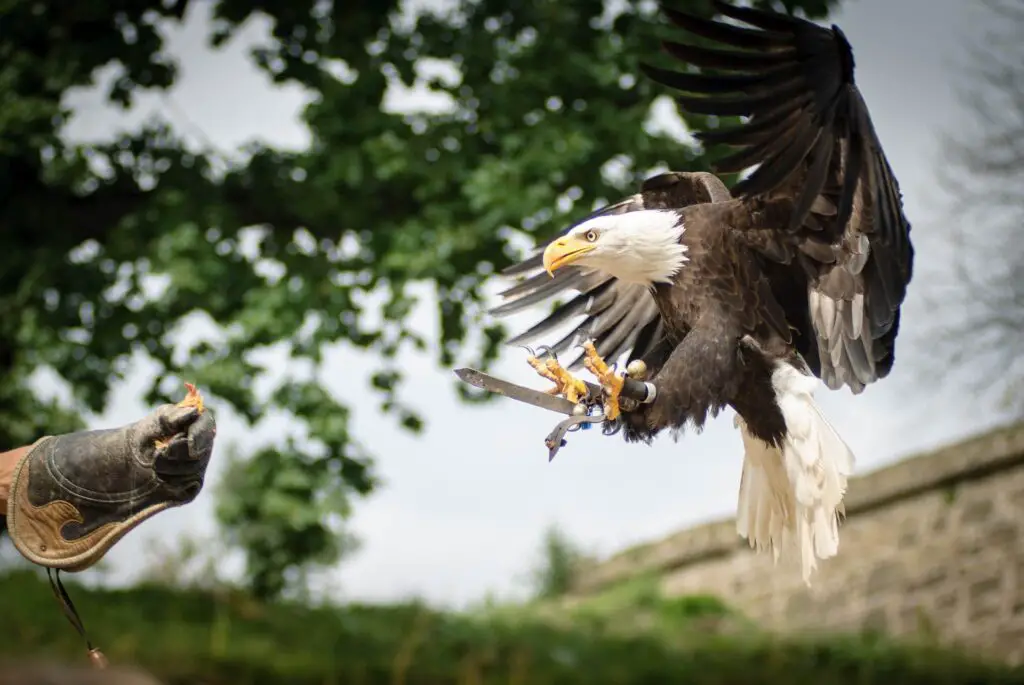
The interaction between different kinds of avian predators in a single aviary creates a fascinating bird habitat. For instance, observing various bird behaviours may mentally stimulate and inspire them to develop more intricate social relationships. Also, having a range of prey species on offer allows the aviary to provide more food options for the birds to reach. Each species in the enclosure will have its dietary and nutritional demands covered thanks to the expanded variety of food sources. A diverse environment provides a wider range of comfort, including vocalisations and communications, resulting in a habitat much more similar to their actual living conditions. Offering a variety of activities can foster a dynamic environment that is advantageous for growth.
Can different species of birds be kept together?
Keeping species of birds of prey together can be possible, but it’s only sometimes recommended due to their predatory nature. Even if it is safe to house them together, adding new members to the enclosure must be done very carefully and under close observation. For example, suppose a bird is being bullied by others or is showing signs of distress. In that case, it should be separated from the group immediately. It’s important to remember that different housing species in the same environment could lead to hostile behaviour when the birds experience overcrowding or resource competition. Therefore, if attempting to keep several raptor species together, ample space and resources should be taken into account. The most important thing for keepers is to understand that all raptors have unique needs and should be provided with adequate stimulus and enrichment tailored to their individual species.
Though the number of birds a falconer can have at one time varies from state to state and country to country, most beginner falconers start with one or three birds(falconry level dependent). I advise you to enjoy each bird, take your time getting more and ensure they have ample space and resources. As your experience as a falconer grows, you will be able to better identify how many birds best suit your lifestyle while providing them with the care they need.