
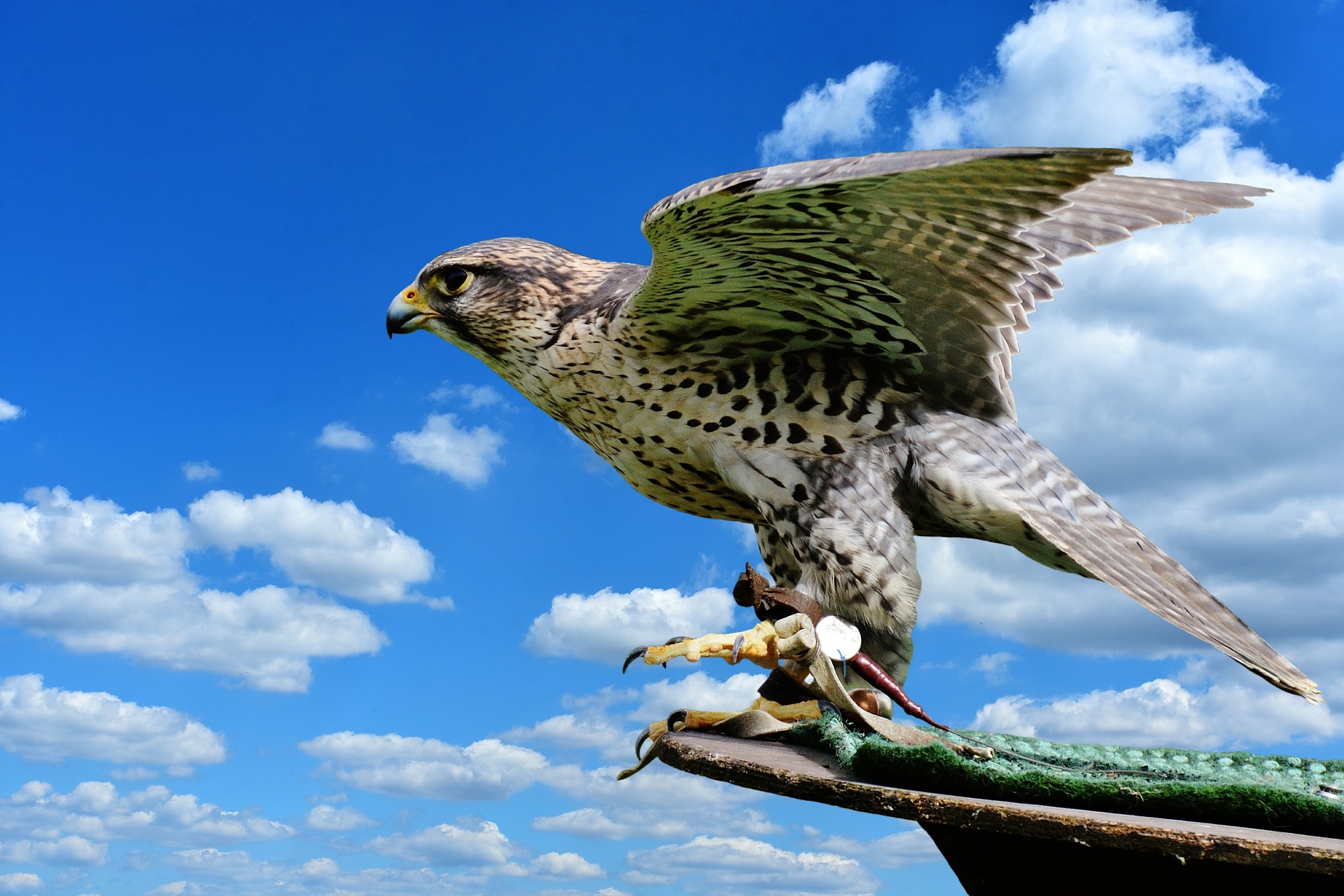
Falconry is an ancient sport and is becoming more popular in recent years. While many would love to jump at the chance to train a bird of prey the are some costs that you need to be aware of as this sport is not for the individuals who are not financially stable.
Falconry is a costly hobby. First, there are the costs of purchasing a bird, training and equipment, insurance and permits. The cost of falconry varies depending on the location and the type of bird you choose. Entry-level birds can range from $200-$2000. A mew can cost from $1000 to $10000 permits may cost you $40-$60.
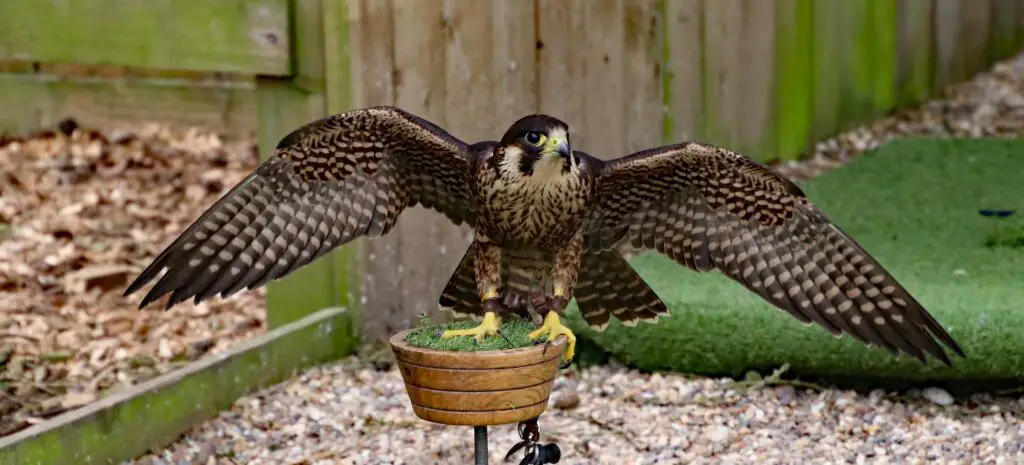
Falconry cost ranges in the thousands. Of course, the more you provide your bird with, the more it will cost you, so let’s look at how much each aspect of falconry will cost you on average.
What are the costs of falconry?
Several items are needed for falconry. One of the most essential items is the glove. The glove allows you to handle the bird without being injured. You will also need a hood to cover the bird’s head, a perch, and a lure.
How much does falconry cost per year?
Falconry can be a costly hobby. There are the costs of purchasing a bird, training and equipment, as well as insurance and permits. The cost of falconry varies depending on the location and the type of bird you choose.
In general, the cost of falconry per year can range from $1000 to $4,000. The most expensive part of the hobby is usually buying a bird. Training and equipment can also be costly, but it is possible to find affordable options. Insurance and permits are typically required to practice falconry, so those costs should also be considered.
Are mews expensive to set up?
Mews can be expensive to set up. The cost of a mews depends on the size and amenities of the facility. Generally, it is between a few hundred dollars and tens of thousands. There are also the costs of purchasing a bird, training and equipment, as well as insurance and permits.
How much space does falconry require?
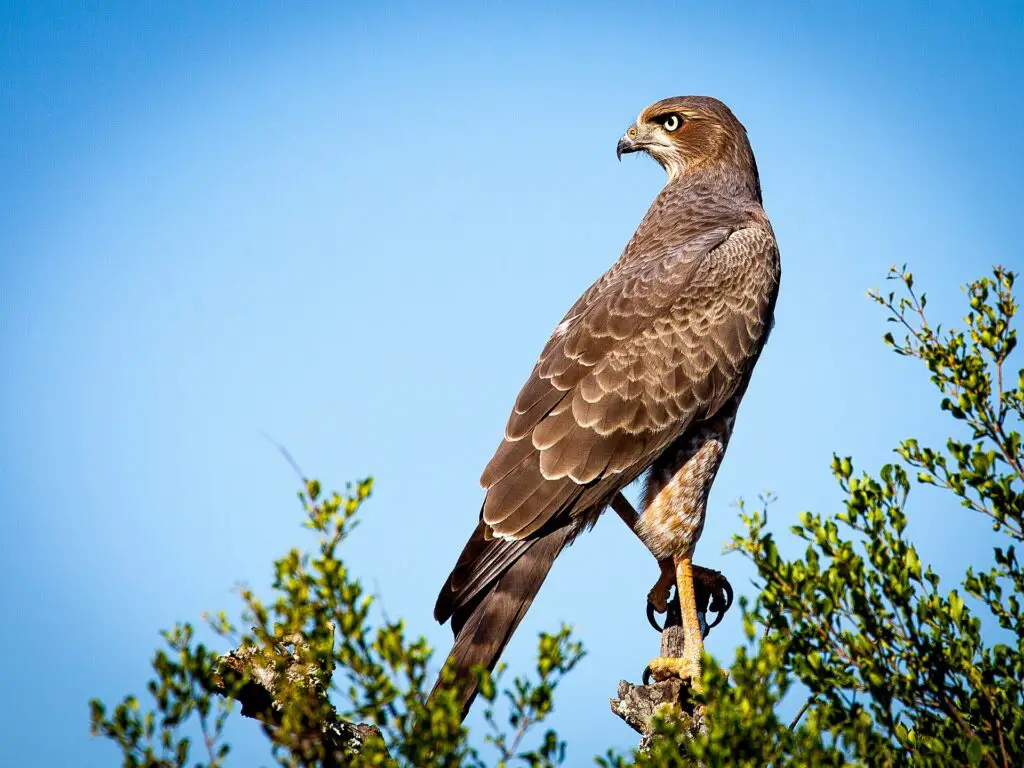
Falconry can require a lot of space, depending on the size of the bird you have. You will need a large enough area to fly your bird and room to store your equipment. It may be necessary for you to find a large park or open space to practice.
Do I need food for my bird even though it hunts?
Some falconers provide food for their birds even though they hunt, while others believe that the bird should be able to find food on its own. There is no right or wrong answer, as each falconer’s situation is different. Some people choose to provide food for their birds because they live in an urban area, and there are not many prey options available. Others do not provide food for their birds because they believe it is vital for the bird to learn how to find food independently. Ultimately, it is up to the falconer to decide what is best for their bird.
Is falconry training equipment expensive?
Falcon training equipment can be expensive, but there are ways to find affordable options:
- Consider what you will need and how much you will use it. If you only plan to fly your bird a few times a year, you may not need the most expensive equipment.
- Shop around for the best prices. There are many online retailers that sell falconry supplies, so compare prices and find the best deal.
- Consider buying used equipment.
There are many online forums and classifieds where you can find gently used gear at a fraction of the cost.
Is there an application fee for falconry?
Answering this question can be challenging. In some states, there is no application fee required to pursue falconry. However, in other states, an application fee may be necessary in order to obtain a falconry license. In this case, it is essential to contact your state’s wildlife agency to determine if there is an application fee and how much it is.
Does falconry require regular examinations of my bird?
As any falconer knows, their bird’s health is of the utmost importance. Regular examinations are essential to ensure that the bird is healthy and functioning correctly. Inspections should include checking the condition of the feathers, skin, beak, and feet and watching for any abnormal behaviour. Falcons are high-performance athletes, and like all athletes, they are susceptible to injury.
Regular examinations can help identify problems early before they become serious. In addition, frequent check-ups allow the falconer to develop a relationship with their bird and build trust between them. This is essential for a successful partnership between humans and animals.
Is it worth it to start falconry on a low budget?
Falconry can be a costly hobby, but getting started on a low budget is possible. The most important thing is to find a responsible and experienced mentor who can help you get started. Additionally, there are many resources online, such as the North American Falconers Association website.

If you are determined to get started on a low budget, there are a few things you can do to reduce your costs. You can start by building your own equipment or by using secondhand gear. You can also hunt for deals on supplies and equipment online or at falconry forums and swap meets.
Ultimately, whether or not falconry is worth it on a low budget depends on your personal goals and budget. You will definitely benefit from putting in the extra effort. If you are passionate about the sport and willing to put in the extra work, it is definitely worth it. Alternatively, if you’re looking for an affordable hobby, falconry may not be your best option.
Falconry can be a costly hobby, but there are ways to reduce the cost. One way is to buy secondhand equipment, which can save you a lot of money. Ensure you are financially stable before entering into falconry, as it can be an expensive sport. Passion and dedication are essential when pursuing any hobby, and falconry is no exception. If you have a passion for this sport and are willing to put in the extra work, then it is definitely worth it.