
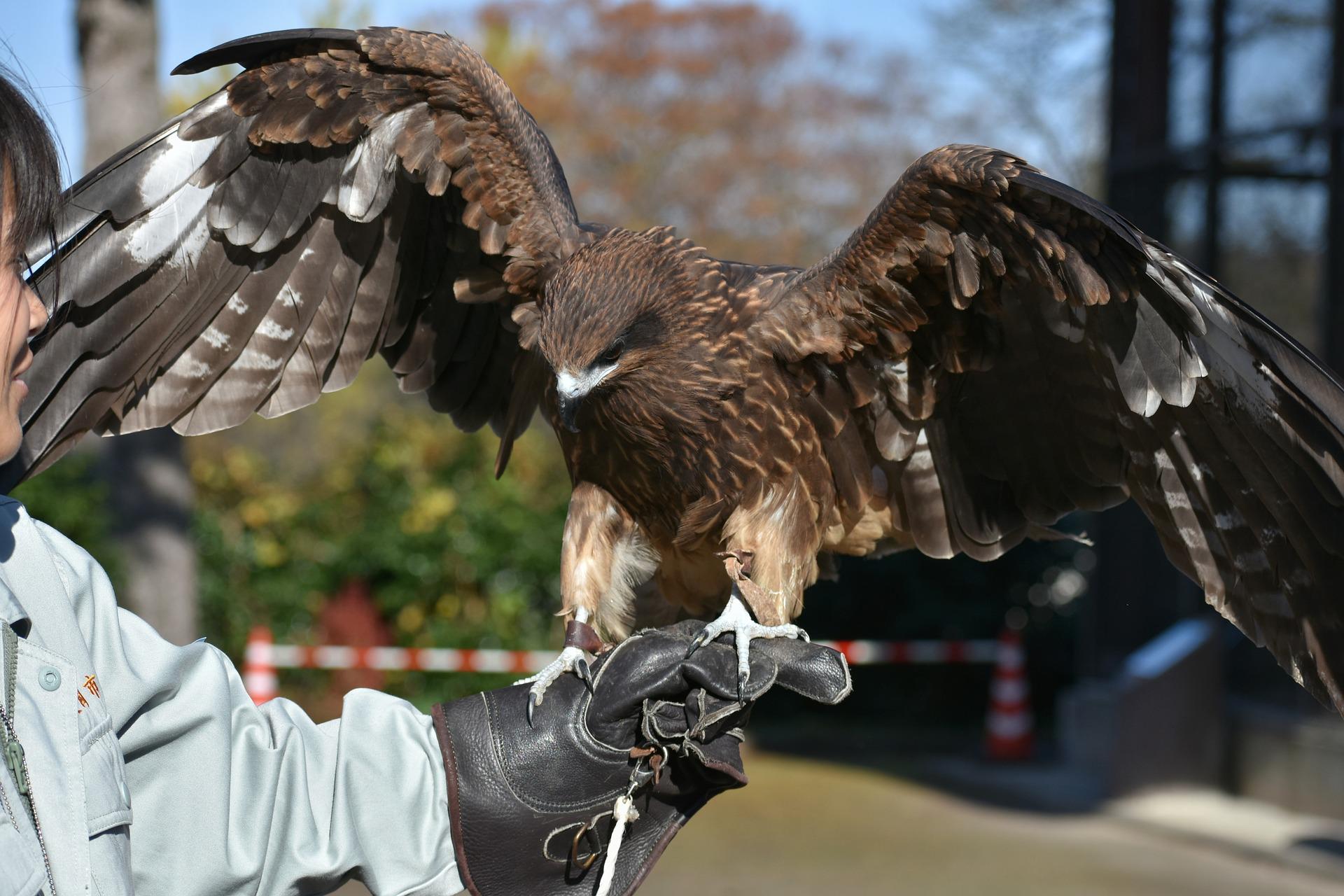
Falconry is an old sport that has been around for centuries. However, it takes a lot of time and patience to become a successful falconer, as the process of training a hawk or falcon can be pretty lengthy. To become a certified falconer, you must complete an apprenticeship which can last anywhere from two to four years. So how much time does Falconry take?
Falconry can take up a lot of time, depending on how often you train your bird. Some people may only train their birds once a week, while others may train multiple times a day. The amount of training varies from person to person. However, if you want to become a certified falconer, you must be prepared to commit a significant amount of time.
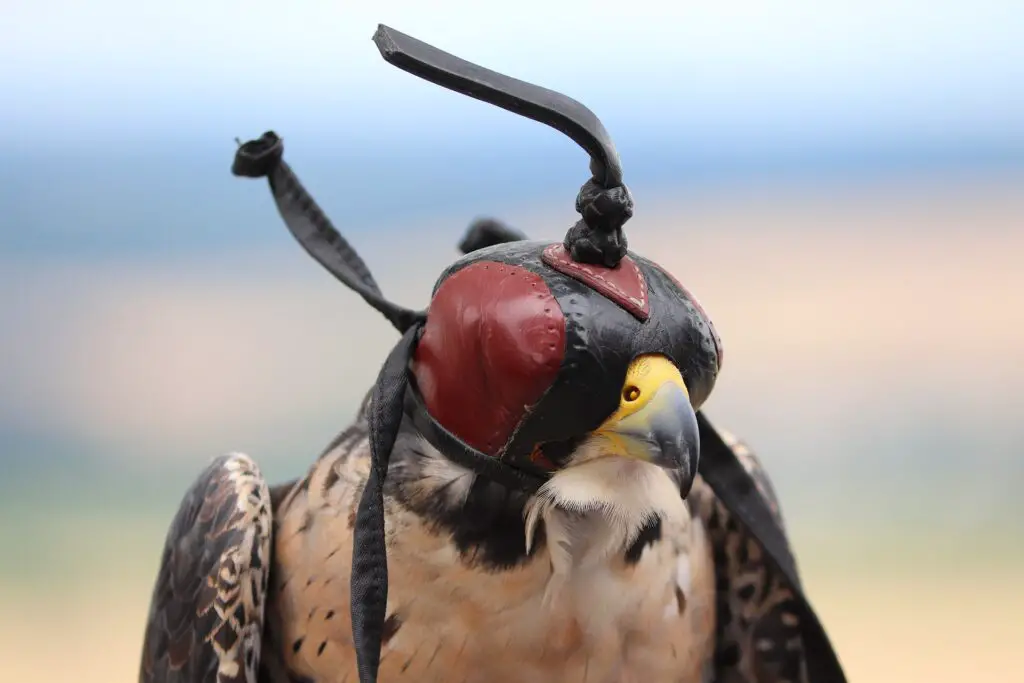
Falconry is a time-consuming hobby, and devotion to the sport is required if you are to achieve your personal goals, so we will guide you on how to juggle around time while still doing what’s needed with some FAQs listed below.
Can Falconry consume too much time?
Falconry is a rewarding but time-consuming sport. If done incorrectly, it can consume a lot of time. However, proper training and taking things slowly can be an enriching experience that doesn’t take up too much time. In order to become a certified falconer, you must complete an apprenticeship which can last anywhere from two to four years. By taking your time and learning as much as you can, you can become a successful falconer without spending too much time on the sport. In addition, certified falconers are required to take a test administered by the North American Falconers Association (NAFA).
The test covers topics such as anatomy, husbandry, equipment, hunting, and laws and regulations. The NAFA also offers a Master Falconer certification for those who wish to show their commitment to the sport and demonstrate their expertise. Falconry is a demanding sport, but by taking the time to learn and progress at your own pace, you can minimize the amount of time it consumes while still enjoying its many rewards.
How long before I can become an experienced falconer?
Becoming an experienced falconer can take a lot of time and patience. In order to complete an apprenticeship, you must be dedicated to learning about the sport and taking care of your hawk or falcon. The apprenticeship can last anywhere from two to four years, so it’s important to be patient and willing to learn. Upon completing your internship, you will be a certified falconer and have the knowledge needed to care for your hawk or falcon.
How long will it take me to become a master falconer?
Becoming a master falconer requires years of apprenticeship and dedication to the sport. The minimum apprenticeship is six years, but you could become a master falconer sooner with continued learning. The key to becoming a master falconer is taking the time to really understand the birds you are working with.
This takes patience and a willingness to keep learning about these fantastic creatures. If you have the dedication to put in the work, you could become a master falconer in a shorter amount of time. However, becoming a master falconer is not something that can be accomplished overnight. Becoming an expert in this field takes years of hard work and dedication. So if you’re interested in becoming a master falconer, be prepared to put in the work and be patient while you learn.

How long before my bird can fly freely?
Some birds, like Harris Hawks, can be flown pretty much as soon as they are comfortable in their new home. Other birds may take a little longer to get used to their surroundings and may need some time before they are ready to be flown. Generally speaking, most raptors will take between two and four weeks to adjust and prepare for a free flight. Obviously, this depends on the individual bird, so it is always best to check with your trainer or falconer for an accurate estimate.
What aspect of falconry takes the longest
Training the bird is the most time-consuming of all aspects of falconry. It can take up to two years to fully train a bird of prey. This process begins with imprinting, where the young bird is exposed to humans so that it becomes accustomed to its presence. Next, the bird is trained to accept food from its handler. This may seem like a simple task, but it is crucial for establishing trust between the bird and its handler. Once the bird is comfortable taking food from its handler, the next step is to begin training it to hunt. This process can be lengthy and difficult, as birds must be taught how to identify and pursue their prey. Ultimately, training a bird of prey takes patience, skill, and a deep understanding of animal behaviour. These things are necessary to produce a skilled hunting partner.
Will falconry take less time if I buy a trained bird?
Anyone considering taking up the sport of falconry should give some thought to whether they want to buy a trained falcon or train one themselves. While it may seem like buying a trained bird would save time, it is usually best to start with an untrained bird. Not only will this give you a greater sense of accomplishment, but it will also allow you to bond with your bird in a way that is not possible with a trained bird. In addition, training your own bird allows you to customize the training to suit your needs and preferences. As a result, while it may take longer to train your own bird, it is often more rewarding in the end.

Falconry is a time-consuming hobby that can be extremely rewarding if you are dedicated to it. However, if you are not up for the dedication, then you may want to pursue another activity. This article has outlined some of the basics to help you decide if it is an appropriate hobby for you. Thanks for reading!