

Falconry involves using trained birds of prey, such as falcons, hawks, and eagles, to catch wild game such as rabbits, pheasants, and even larger animals like deer. However, like any other traditional sport or hobby, there are risks involved in falconry. In this article, we will look into the dangers associated with falconry and how they can be mitigated.
What are the dangers involved in falconry?
As a falconer, I have experienced several dangers associated with falconry firsthand. One of the most significant dangers in falconry is the risk of injury from the bird’s sharp talons and beak. While these birds are trained to work with humans, they are still wild animals and possess powerful hunting instincts.
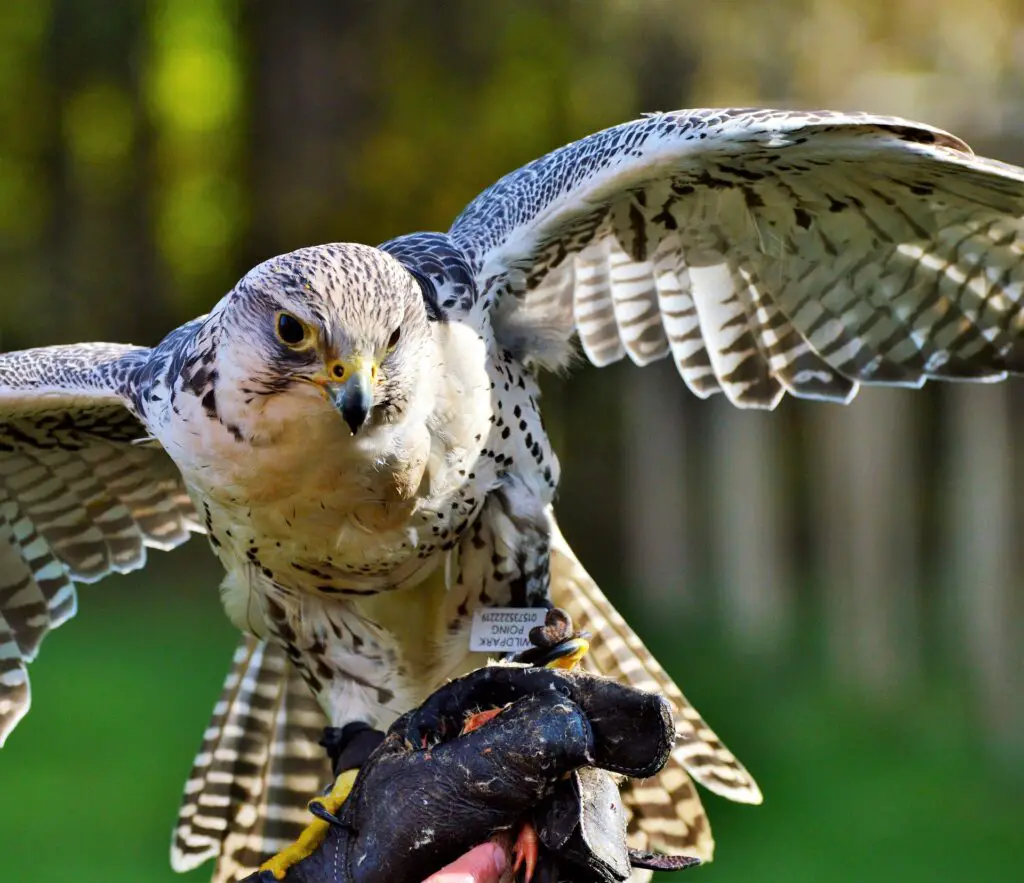
Another danger in falconry is the potential for accidents during training and handling. Birds, like falcons and hawks, can become agitated or frightened, leading to unpredictable behaviour. This can result in scratches, bites, or even more serious injuries. It is crucial for falconers to be well-versed in handling techniques and to always prioritize safety. Let’s take a look at some risks that are involved in falconry.
Human Safety Concerns
I have encountered numerous safety concerns as a falconer, particularly when it comes to the safety of humans involved in falconry. Here are some important safety considerations to keep in mind:
- Personal Protective Equipment (PPE): It is crucial for falconers to wear appropriate PPE to minimize the risk of injury. This includes heavy-duty gloves made of thick leather or Kevlar, which protect against the sharp talons of the birds. Additionally, wearing sturdy footwear and eye protection is recommended to prevent accidents.
- Zoonotic Diseases: Falconers should be aware of zoonotic diseases, which can be transmitted between birds of prey and humans. These diseases include avian influenza, salmonellosis, and fungal infections. Regular health check-ups for both the birds and the falconers, along with proper hygiene practices, can help mitigate the risk of contracting these diseases.
- Handling Hazards: The handling of birds of prey can be potentially hazardous, especially if not done correctly. Falcons and Hawks are capable of causing serious injuries. Proper training and experience are vital to ensure safe handling techniques, reducing the risk of bites or scratches.
- Environmental Hazards: Falconers must be mindful of their surroundings and potential environmental hazards. Uneven terrain, slippery surfaces, and adverse weather conditions can increase the risk of accidents. It is important to assess the environment for any potential dangers and take appropriate measures to ensure safety.
Injury to Birds
One major concern in falconry is the potential for birds to sustain injuries. As a falconer, it is important to prioritize the health and well-being of our birds. Birds used in falconry can experience various types of injuries, like cuts and bruises or more severe wounds.
In falconry, injuries primarily occur during the hunting process. Birds of prey may come into contact with other animals, resulting in lacerations, broken feathers, and even broken bones. The terrain and equipment used also pose risks. Ill-fitting jesses can cause sores, while poorly designed hoods restrict vision. Proper care and maintenance are crucial for the bird’s safety.

To mitigate the risk of injuries, it is crucial for falconers to maintain a high level of vigilance and regularly inspect their birds for any signs of discomfort or injury. Proper training and conditioning can also help reduce the chances of accidents during hunts. In the event of an injury, it is important for falconers to seek immediate veterinary care to ensure the bird receives appropriate treatment.
Accidents during Training
During falconry training, accidents can occasionally occur due to the inherent nature of working with birds of prey. These accidents can range from minor mishaps to more serious incidents that require immediate attention. It is important for falconers to be aware of the potential risks involved in training these magnificent creatures and take necessary precautions to minimize the chances of accidents happening.
To highlight the potential risks and precautions, here are some examples:
Accidents that can occur during falconry training:
– Bird bites or talon scratches: Birds of prey have sharp beaks and talons, which can cause injuries if they accidentally bite or scratch their handlers during training sessions.
– Flying accidents: Birds may become disoriented or distracted during flight training, resulting in collisions with objects or even people. This can lead to injuries for both the bird and the falconer.
Precautions to minimize accidents during training:
– Proper equipment and attire: Wearing protective gloves and clothing can help reduce the risk of bird bites and talon scratches. Additionally, using appropriate equipment, such as leather hoods and jesses, can ensure better control over the bird during training.
– Training in a safe environment: Conducting training sessions in a designated area free from potential hazards, such as power lines or sharp objects, can help prevent flying accidents. Creating a controlled and secure environment is crucial for the safety of both the bird and the falconer.
Hunting wrong prey
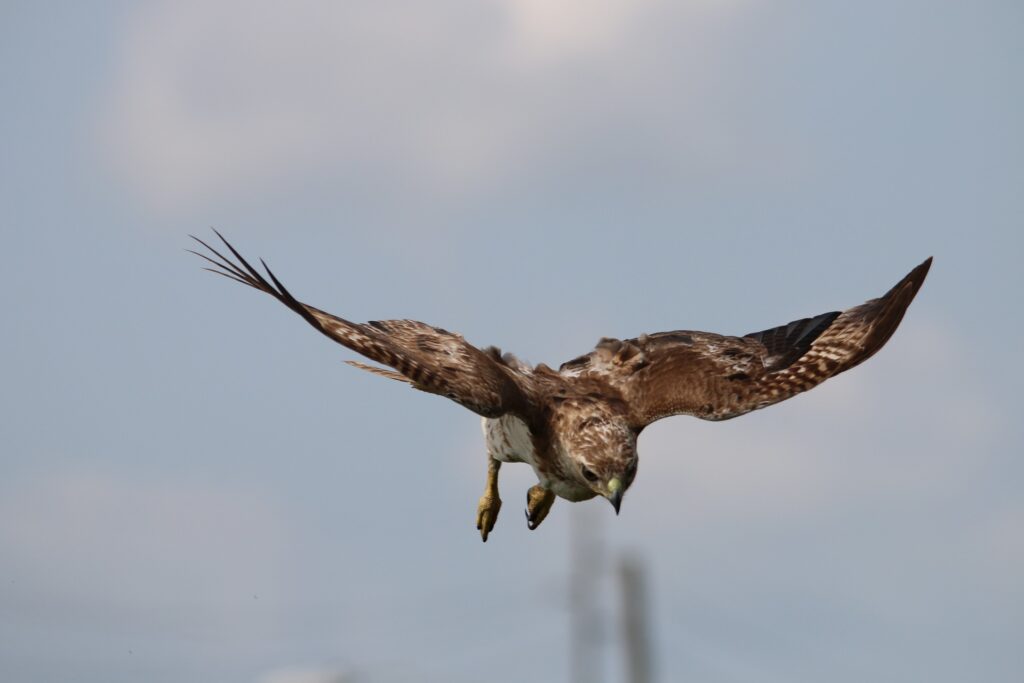
If a trained bird accidentally pursues and attacks an unintended target, it can lead to serious injuries or even death for both the bird and the prey. Additionally, there is also a risk of unintentionally harming protected species or causing harm to domestic animals. To prevent such situations, it is important for falconers to have a thorough understanding of their bird’s hunting capabilities and limitations and to only hunt in designated areas with the appropriate permits.
So, as you can see, falconry can be a dangerous activity if proper safety measures are not followed. As falconers, it is our responsibility to prioritize the safety and well-being of both humans and birds involved in this ancient sport. By being aware of the potential risks and taking necessary precautions, we can ensure a safe and enjoyable experience for all parties involved.
Frequently Asked Questions
How Long Does It Take to Become a Skilled Falconer?
- To become a skilled falconer, it typically takes around 2-7 years of dedicated training and experience.
What Are the Legal Requirements for Practicing Falconry?
- To practice falconry legally, one must meet specific requirements. These include obtaining the necessary permits and licenses, completing training courses, and adhering to regulations regarding the housing, care, and handling of the birds.
Are There Any Health Risks Associated With Handling Birds of Prey?
- Yes, there are potential health risks for both the birds and the falconers when handling birds of prey. These can include zoonotic diseases, injuries from bites or scratches, and environmental hazards. Proper hygiene practices and regular check-ups can help mitigate these risks.