

So, you’re thinking about a career in Falconry? Then you’ve come to the right place. There are various jobs that cater to different aspects of Falconry. From training and mentoring aspiring falconers to selling equipment and performing captivating displays, there’s something for everyone. Let’s explore the exciting opportunities it has to offer.
Overview of jobs in Falconry
As an experienced falconer, I can assure you that there are various job opportunities within the field of Falconry. One such role is that of a falconry trainer, responsible for training and handling birds of prey for hunting or display purposes. Another option is to become a falconry mentor or sponsor, guiding and supporting aspiring falconers in their journey. Additionally, there are opportunities in sales, specializing in falconry equipment and supplies. For those with a flair for performance, becoming a falconry display performer allows you to showcase the incredible skills and bond between falcon and handler. Lastly, Falconry can also be utilized in pest control, where falconers employ birds of prey to deter and control pest populations.
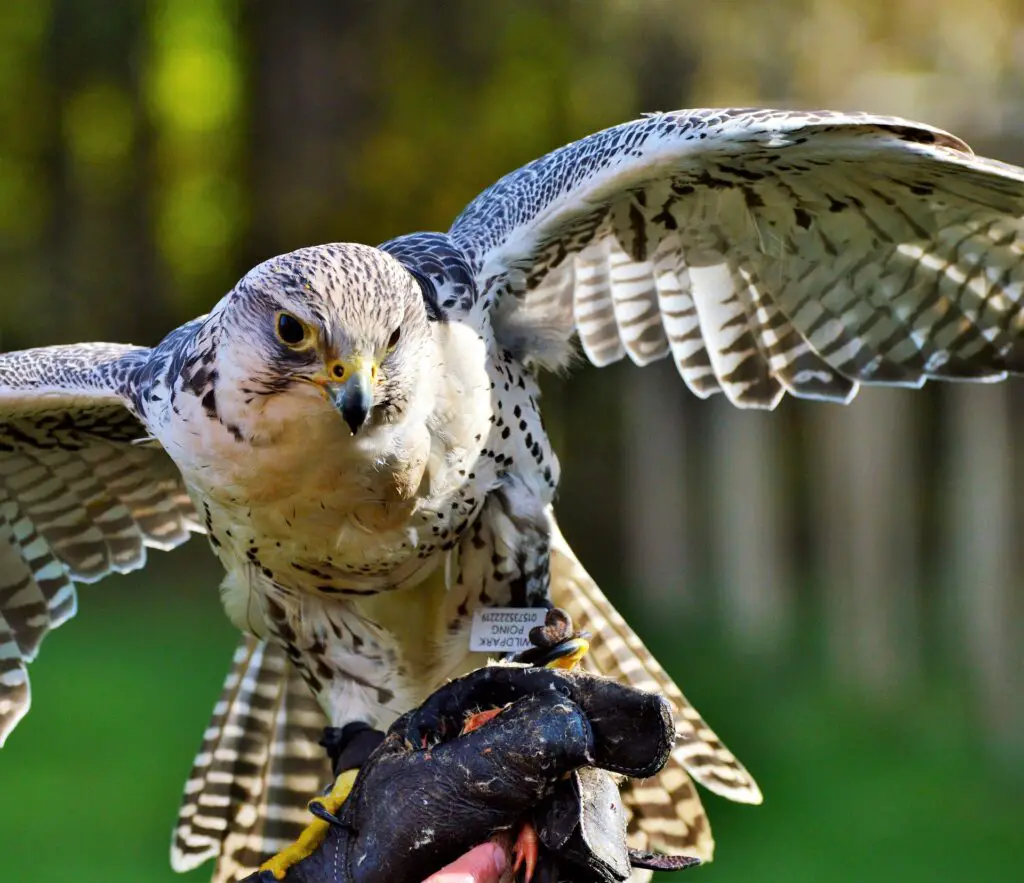
Falconry Trainer:
Over the years I’ve spent in the industry, I’ve trained falcons and educated others in the practice of Falconry. As a Falconry Trainer, my role is to impart knowledge and skills to individuals who are interested in learning this ancient sport. This involves teaching them how to handle and train birds of prey, as well as guiding the proper equipment and techniques needed for a successful Falconry. To give you a better idea of the range of topics covered, here is a table outlining some of the key areas I focus on during training sessions:
| Training Area | Description |
| Falcon Handling | Teaching individuals how to handle falcons safely and confidently, building a bond of trust. |
| Hunting Techniques | Educating on the different strategies and methods used in hunting with falcons. |
| Health and Welfare | Providing guidance on the proper care, feeding, and health management of falcons. |
Being a Falconry Trainer allows me to share my passion and expertise with others, ensuring that this ancient tradition continues to be practised with respect and care.
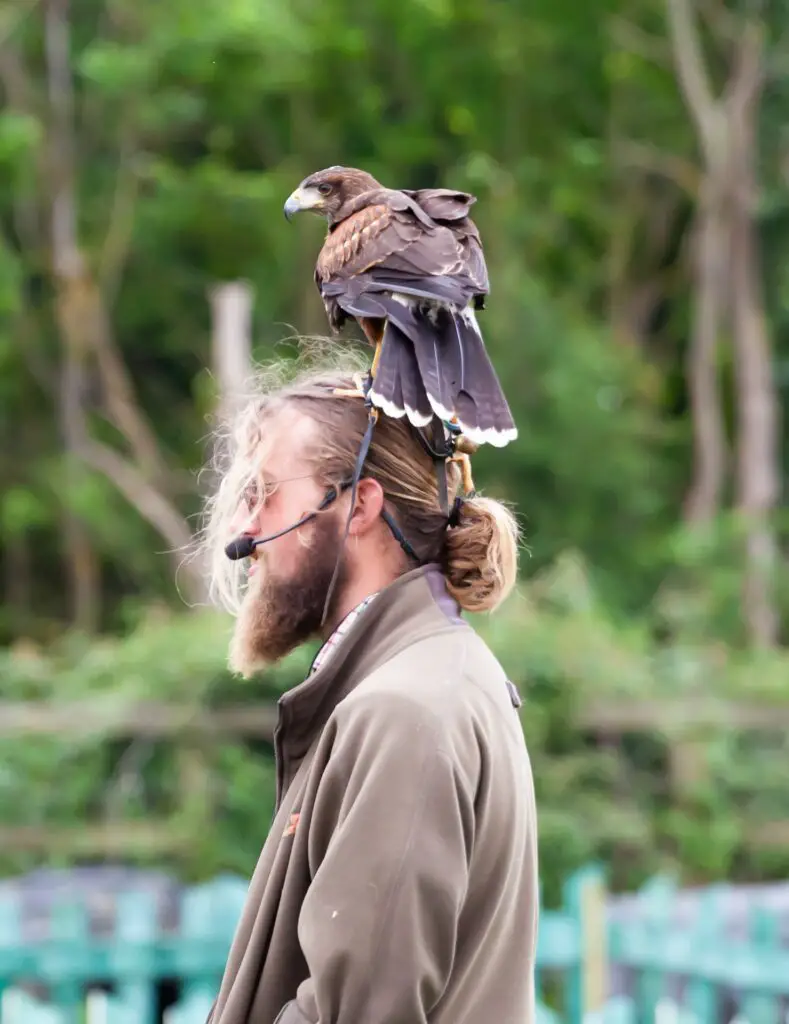
Falconry Mentor/ Sponsor:
For those who have already mastered the art of Falconry, becoming a mentor or sponsor is an excellent way to give back to the community and help others grow in their journey. As a mentor, you can guide aspiring falconers by sharing your knowledge and offering support and advice. You can also sponsor individuals who may not have access to resources or equipment needed for Falconry, giving them an opportunity to learn and grow in the field. As a mentor, you provide valuable knowledge and expertise to help individuals develop their falconry skills. You can offer guidance on various aspects, including bird selection, training techniques, hunting strategies, and ethical practices.
Falconry Equipment and Supplies Sales Person:
Falconry requires specialized equipment and supplies, making it a niche market with high demand. As a Falconry Sales Person, you provide the necessary tools for aspiring Falconers to practice this sport safely and successfully. You’ll be responsible for sourcing and selling essential equipment such as hoods, jesses, anklets, bells, and leashes.
Here are five essential items that falconry enthusiasts should consider:
– High-quality leather falconry gloves provide protection and a secure grip while handling birds of prey.
– A durable and well-fitted falconry hood helps in training and handling birds by providing them with a sense of security.
– Jesses and anklets made from sturdy materials are crucial for securely tethering birds during training and hunting sessions.
– A telemetry system with a transmitter and receiver is essential for tracking and locating birds during flights.
– Quality falconry perches, such as bow perches or block perches, provide comfortable resting spots for birds in between flights.
Falconry Display Performer:
One important role in Falconry is that of a Falconry Display Performer, showcasing the beauty and prowess of birds of prey to audiences worldwide. As a performer, you’ll need to train and handle your birds with skill and precision, choreographing captivating displays that showcase the incredible bond between falcons and their handlers. It’s an exciting job that allows you to travel, perform in front of large crowds, and educate others about these majestic birds.
As a Falconry Display Performer, you need a deep understanding of bird species, behaviour, and training techniques. You ensure the safety of birds and the audience during performances. Excellent communication skills are crucial to conveying falconry information and its conservation importance. Physical fitness is also essential, as displays require exertion. To pursue this career, individuals must be licensed falconers with extensive field training and experience.

Pest Control:
A crucial aspect of jobs in Falconry involves utilizing birds of prey for pest control purposes. Falconers have been using their feathered companions to control pest populations for centuries. Here are some key points about the role of Falconry in pest control:
- Natural pest control: Falcons and other birds of prey are natural predators of pests such as rats, mice, rabbits, and even insects.
- Environmentally friendly: Falconry is an eco-friendly alternative to chemical pest control methods, as it does not involve the use of harmful chemicals.
- Precision hunting: Falcons are highly skilled hunters and can target specific pests, reducing the risk of collateral damage to non-target species.
- Versatility: Falconers can employ different bird species depending on the type of pest they need to control, ensuring effective and tailored pest management.
Falconry Equipment Craftsman:
As a falconry equipment craftsman, you create essential tools and gear for falconers to use in their practice. Your role is to design, construct, and repair various equipment that is crucial for the success of falconry activities. You could specialize in crafting items such as leather hoods, jesses, bells, and anklets, which are essential for handling and training birds of prey. You also create perches, mews, and weathering areas to provide a comfortable and safe environment for the birds. Additionally, you are responsible for maintaining and repairing equipment to ensure its longevity and functionality. By providing high-quality equipment, you contribute to the effectiveness and safety of falconry practices.
In conclusion, jobs in Falconry offer an exciting and unique opportunity to work closely with these magnificent birds of prey. Whether it be as a falconer, a bird trainer, or a craftsman, the field of Falconry provides a fulfilling career for those passionate about wildlife conservation.
Frequently Asked Questions
Are There Any Age Restrictions for Pursuing a Career in Falconry?
- In most countries, individuals must be at least 14 years old to obtain a falconry license.
What Are Some Common Challenges Faced by Falconers in Their Day-To-Day Work?
- Some common challenges faced by falconers in their day-to-day work include maintaining the health and well-being of the birds, training them effectively, managing their diet and nutrition, and ensuring they have suitable environments for hunting and flying.
How Can One Gain Practical Experience or Apprenticeships in the Field of Falconry?
- To gain practical experience or apprenticeships in Falconry, start by researching local falconry clubs or organizations. Reach out to experienced falconers and express your interest. Be willing to assist and learn from them to gain valuable hands-on experience in the field.