

Do you ever wonder what birds are used in falconry and what they are trained to hunt? Well, let me enlighten you on the few birds that I have used for hunting over the years. The raptors are trained to hunt a variety of prey including rabbits, squirrels, ducks, and pheasants.
What can you hunt with falconry?
As a falconer, I have had the privilege of hunting with several different bird species. Some of the common birds used in falconry include the Peregrine Falcon, Harris’s hawk, Red-tailed hawk, Gyrfalcon, and Merlin. These birds are trained to hunt a variety of prey. Each bird has its own unique hunting abilities, making falconry a diverse and exciting sport. In this list, I will provide you with common birds used in falconry and the prey they are trained to hunt.
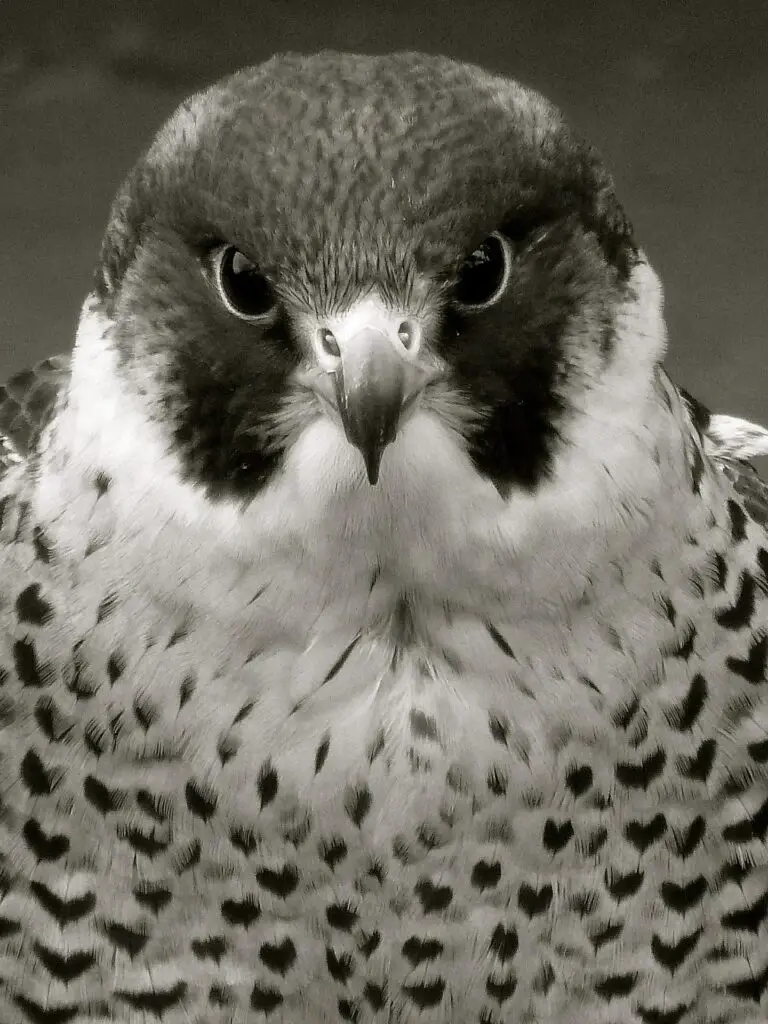
Peregrine Falcon
Peregrine Falcon are excellent hunters of the waterfowl. This bird is known for its incredible speed and agility, making it the perfect bird for hunting fast-moving targets like ducks and geese. With their sharp talons and powerful beak, Peregrine Falcons are able to capture and kill waterfowl with precision and efficiency. These falcons utilize a hunting technique called “stooping,” where they dive from great heights and strike their prey in mid-air. They are able to reach speeds of over 240 miles per hour during these hunting dives, making them one of the fastest animals on the planet.
Harris’s hawk
This hawk is known for its versatility and intelligence, making it an excellent hunting companion. One of the main prey that I train my Harris’s hawk to hunt is rabbits. With their keen eyesight and agility, these hawks are able to spot and chase down rabbits with ease. Fast and efficient capture and killing of their prey is made possible by their sharp talons and powerful beaks. Additionally, Harris’s hawks are also trained to hunt small birds, such as quails and pheasants. Navigating through dense vegetation and their cooperative hunting behaviour makes them particularly effective in capturing these fast-flying birds.
Red-tailed hawk
A Red-tailed hawk is trained to hunt a variety of prey in falconry. They have a diverse diet and can be trained to target small mammals, birds, and even reptiles. In falconry, Red-tailed hawks are commonly used to hunt rabbits, squirrels, and pheasants.With their razor-sharp talons and exceptional eyesight, they possess remarkable hunting prowess.Once they spot their target, they swoop down with incredible speed and precision, capturing their prey in a swift and deadly strike. The table below provides a glimpse into the prey that Red-tailed hawks are trained to hunt in falconry:
| Prey | Description |
|——————-|———————————————-|
| Rabbits | Small mammals often found in grassy areas |
| Squirrels | Agile rodents that live in trees |
| Pheasants | Colorful birds with long tails |
| Rats | Common rodents often found in urban areas |
| Snakes | Reptiles with long bodies |
Gyrfalcon
Continuing from the previous subtopic, the Gyrfalcon is another bird commonly used in falconry and is known for its impressive hunting abilities. Here are three prey that the Gyrfalcon is trained to hunt:
1. Waterfowl: With their incredible speed and agility, Gyrfalcons are highly skilled at hunting waterfowl such as ducks and geese. They can swoop down from the sky and snatch their prey right out of the water.
2. Ptarmigan: These birds, found in Arctic regions, are a favourite target for Gyrfalcons. Their white plumage makes them hard to spot in the snow, but Gyrfalcons have keen eyesight and can easily locate and pursue them.
3. Hares: Gyrfalcons have the ability to take down larger prey, such as hares. With their powerful talons and strong beaks, they can catch and immobilize these fast-running mammals.
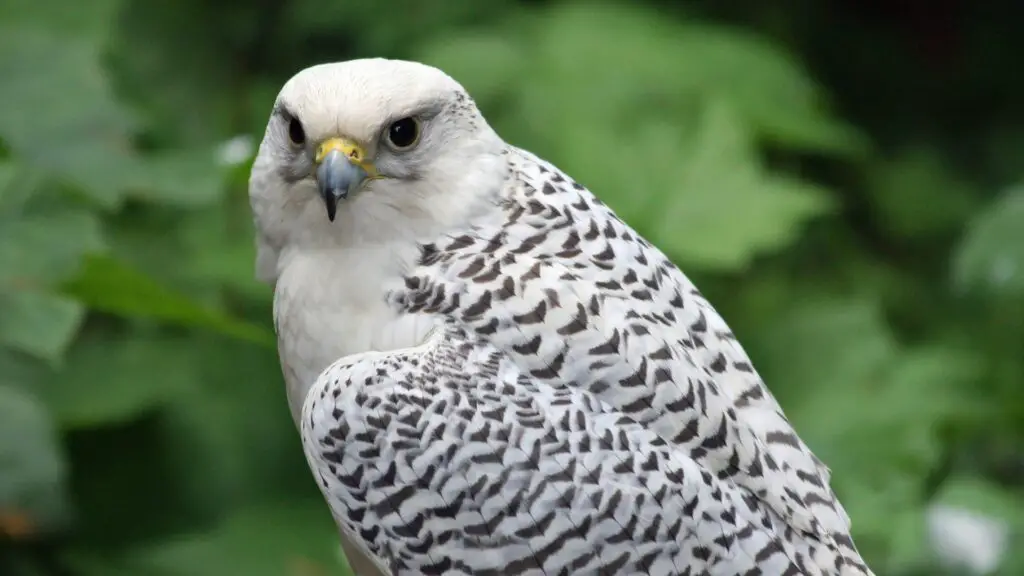
Merlin
The Merlin is a small but mighty bird known for its incredible speed and agility. As a falconer, I have trained my Merlin to hunt a variety of prey, including:
· Quail: Just like Harris’s hawks, Merlins are highly skilled at hunting these small birds.
· Starlings: These birds can be found in urban areas and make for a challenging yet rewarding hunting target for Merlins.
· Pigeons: Another common prey that Merlins are trained to hunt, often found in cities and farms.
· Blackbirds: These birds are known for their fast and erratic flight patterns, making them a challenging yet exciting target for Merlins.
American Kestrel
American Kestrels are adept at capturing a variety of prey, making them a valuable asset in the world of falconry. Here are three types of prey that American Kestrels are trained to hunt:
1. Small rodents: With their sharp eyesight and swift flight, American Kestrels excel at hunting small rodents such as mice and voles. They can easily spot their prey from high perches and swiftly dive down to make a successful capture.
2. Insects: American Kestrels are skilled insect hunters. They can catch insects mid-air, using their quick reflexes and agile flight to their advantage. This makes them particularly useful in controlling insect populations in agricultural areas.
3. Small birds: Despite their small size, American Kestrels are capable of taking down small birds. They are known to target species like sparrows, finches, and warblers. Their aerial agility and speed allow them to surprise their avian prey and swiftly capture them.
Cooper’s hawk
One common bird used in falconry is the Cooper’s hawk, which is trained to hunt a variety of prey. This medium-sized raptor is known for its agility and speed, making it an excellent hunting companion. Here are three prey that the Cooper’s hawk is trained to hunt:
– Small birds: The Cooper’s hawk is adept at pursuing and capturing small birds, such as sparrows, starlings, and pigeons. With its sharp talons and powerful flight, it can swiftly capture its prey in mid-air.
– Squirrels: With its keen eyesight and sharp beak, the Cooper’s hawk can spot and capture squirrels with precision. It uses its agility and surprise attacks to successfully hunt these tree-dwelling creatures.
– Rabbits: Although larger prey, Cooper’s hawk is trained to chase down rabbits. It uses its speed and manoeuvrability to close in on its target and strike with deadly accuracy.
Goshawk
A goshawk is a versatile bird of prey that can be trained to hunt a wide range of prey in falconry. These birds are known for their agility, speed, and strength, making them excellent hunters. In falconry, goshawks are commonly used to hunt small to medium-sized birds and mammals, including ducks, pheasants, rabbits, and squirrels. However, their prey preferences can vary depending on the individual bird and the training it receives. Goshawks are highly adaptable and can be trained to target specific prey species based on the falconer’s preferences. The table below provides an overview of the typical prey that goshawks are trained to hunt in falconry:
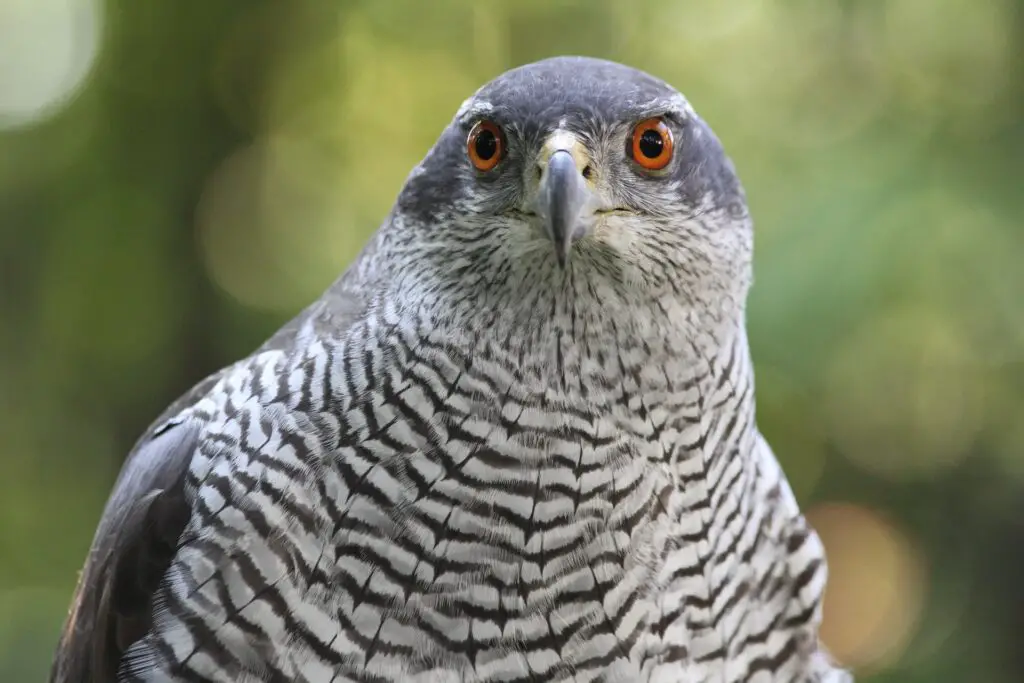
Lanner falcon
The Lanner falcon is commonly known for its powerful flight and sharp talons; it is well-equipped to take down different types of prey. In falconry, Lanner falcons are often trained to target:
· Pigeons: These birds are a frequent target for Lanner falcons, often found in cities and farms. With their speed and agility, Lanner falcons can easily chase down and capture pigeons mid-air.
· Quail: Lanner falcons are skilled at hunting quail, a small game bird that is commonly found in grassy areas. Their ability to fly low to the ground allows them to surprise their prey and make a swift capture.
· Partridges: These birds are known for their quick and evasive flight, making them a challenging yet rewarding target for Lanner falcons.
Depending on the falconer’s preferences and the individual bird’s hunting abilities, a Lanner falcon may be trained to target different types of prey in falconry. The table below provides an overview of some common prey that Lanner falcons are trained to hunt:
| Prey | Description |
|———–|—————–|
| Pigeons | Common urban and farm birds known for their swift flight. |
| Quail | Small game birds found in grassy areas. |
| Partridges | Game birds are known for their quick and evasive flight patterns. |
| Doves | Small to medium-sized birds often found | in woodland areas. |
| Small mammals (rabbits, hares) | Various small mammals that live on the ground and are often found in rural areas. | End of Document
The versatility of these birds of prey is truly impressive, as they can be trained to hunt a variety of prey species. From small rodents and insects to larger prey like rabbits
In conclusion, birds of prey are highly skilled hunters who have been trained for centuries to assist humans in hunting. Each species has its own unique abilities and preferences when it comes to hunting, making them valuable assets in falconry. From small birds to larger mammals, these magnificent creatures can take down a wide range of prey with their sharp talons and powerful flight.
Frequently Asked Questions
What Are Some Common Hunting Techniques Used in Falconry?
· There are many hunting techniques in falconry, from the swift stoop of a peregrine falcon to the precise hovering of a kestrel; these birds are masters of their craft.
How Long Does It Take to Train a Bird of Prey for Hunting?
· It typically takes several months to train a bird of prey for hunting. This involves daily sessions of flying, feeding, and conditioning to develop their hunting instincts and response to commands.
What Are the Benefits of Using Falconry for Hunting Compared to Other Methods?
· Using falconry for hunting has several benefits compared to other methods. Falcons have keen eyesight and can cover large areas quickly. They are also highly manoeuvrable and can catch prey in flight, making them efficient and effective hunters.