

When it comes to birds of prey, there are many options out there. However, it can be overwhelming for a beginner to decide where to start. That’s why I’ve narrowed it down to the top four birds of prey that are perfect for beginners. Whether you’re looking for speed, agility, or a bit of both, these birds are sure to captivate your heart and ignite your passion for falconry.
Best bird to start falconry
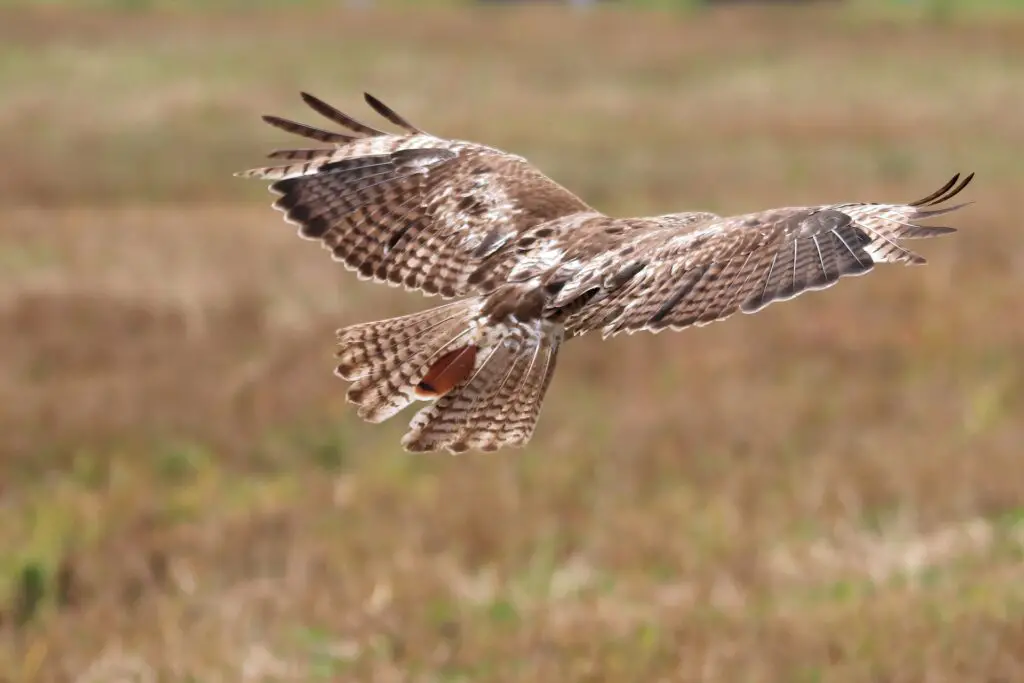
Red tail hawk
When it comes to choosing the best bird to start falconry, one species stands out: the red-tailed hawk. With its impressive size and strength, the red-tailed hawk is ideal for beginners.
The Red-tailed hawk is my top choice for beginners interested in falconry due to its trainability, temperament, and hunting ability. This magnificent bird of prey is highly trainable, making it easier for beginners to work with. Its calm and gentle temperament makes it more manageable for falconers, especially those who are just starting. In terms of size and weight, the Red-tailed hawk is a great option as it is larger and more robust compared to other birds of prey commonly used in falconry. Lastly, the Red-tailed hawk’s hunting ability is exceptional, making it an ideal partner for falconers looking to pursue their passion.
- Trainability: Highly trainable and responsive to falconers’ commands.
- Temperament: Calm and gentle, making it easier to handle.
- Size and weight: Larger and more robust, allowing it to handle larger games.
- Hunting ability: Exceptional hunting skills, making it an effective hunting partner.
- Pros and cons: Trainable and gentle, but requires a larger space for housing and exercise.
Choosing the right bird for you
Choosing the right bird of prey when starting your falconry journey is crucial, with several factors to consider. My main considerations are always:
- Sex of the Bird: Often, the sex of the bird can have an impact on its size, strength, and temperament, with males typically being smaller but more agile and females being larger and stronger. This can influence the type of game they can handle and how they behave during training.
- Trainability: As a beginner, you might prefer a bird that is easy to train. As discussed above, the Red-tailed hawk is a good example of a highly trainable bird.
- Hunting Abilities: Consider whether you wish to hunt with your bird or whether you are more interested in flying demonstrations. You would need a bird with strong natural abilities, like the Red-tailed hawk, for hunting.
- Temperament: The bird’s temperament can greatly affect your training experience. A calm and gentle bird might be easier to handle and train, especially for beginners.
- Health and Vitality: Always check the bird’s health before getting one. A healthy bird should have clear eyes, clean feathers, and a robust appetite.
- Legal Requirements: Different regions have differing rules on the keeping & training of birds of prey. Before you decide on a bird, make sure owning one in your area is legal.
Remember, the key to a successful falconry experience is patience. Building a bond with your bird of prey takes time, but the rewards are immeasurable.
Which birds are best suited for beginners
When it comes to choosing a bird of prey for beginners, there are a few options that stand out (apart from the red-tail hawk, and the top 3 that follow are the:
- Harris hawk
- Lanner falcon
- Kestrels
Harris hawk
I have found that the trainability of a Harris hawk makes it an excellent choice for beginners in falconry. This bird species is known for its ease of training, which is a crucial factor for those new to the sport. The temperament of a Harris hawk is also well-suited for beginners, as they are generally docile and easy to handle. In terms of size and weight, Harris hawks are medium-sized birds, making them manageable for novice falconers. When it comes to hunting ability, these hawks are highly skilled and have a diverse diet, allowing beginners to experience a variety of hunting experiences. The Harris hawk is an ideal choice for beginner falconers due to its trainability, temperament, size, weight, and hunting ability.

Lanner falcon
The adaptability of the lanner falcon makes it an ideal choice for beginner falconers. When it comes to training techniques, lanner falcons are known for their quick learning abilities. They are intelligent birds that respond well to positive reinforcement methods, making the training process easier and more enjoyable for both falconers and birds. In terms of temperament, lanner falcons are generally calm and easygoing, which makes them suitable for beginners who may not have much experience handling birds of prey.
Size and weight considerations are important factors to consider when choosing a bird for falconry, and lanner falcons are relatively small and lightweight compared to other birds of prey, making them easier to handle and transport. In terms of hunting abilities, lanner falcons are agile and fast, with a preference for hunting small to medium-sized prey. Compared to other beginner-friendly birds, lanner falcons are popular due to their trainability, temperament, and size. When choosing the perfect lanner falcon for falconry, it is important to consider factors such as age, health, and previous training experience.
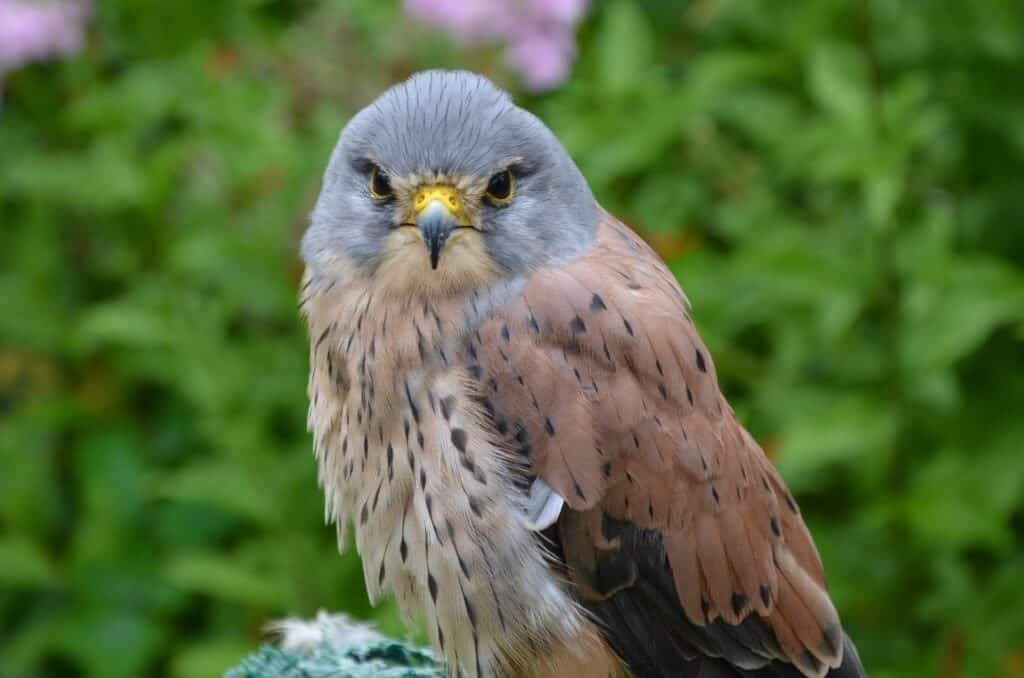
Kestrels
Kestrels possess the qualities that make them an excellent choice for beginner falconers. Here are the reasons why:
- Trainability: Kestrels are highly trainable birds, making them ideal for novice falconers. They will quickly learn and respond to commands with proper training techniques and consistency.
- Temperament: Kestrels have a relatively calm temperament, which makes them easier to handle and work with. They are less aggressive than other birds of prey, making them suitable for beginners still developing their falconry skills.
- Size and Weight: Kestrels are small, lightweight birds weighing around 4.5 to 8.5 ounces. Their small scale size makes it easier to handle and transport, especially for beginners who may not have the strength to handle larger birds.
- Hunting Abilities: Despite their small size, Kestrels are excellent hunters. They have exceptional agility and speed, allowing them to catch small mammals, birds, and insects.
While Kestrels have numerous advantages for beginners, it is also important to consider some potential drawbacks. These include their limited carrying capacity and their tendency to be more sensitive to weather conditions.
Things to consider when choosing a raptor to start falconry
When starting falconry, it is important to carefully consider the characteristics and needs of different raptors. Training techniques for beginner raptors play a crucial role in their development and success as hunting partners. Understanding the hunting habits of different raptors is essential to ensure a successful falconry experience. Bonding with your bird of prey is also important, as this creates a strong partnership based on trust and mutual respect.
Common mistakes to avoid when starting falconry include rushing the training process and neglecting the bird’s need for exercise and mental stimulation. The role of equipment in falconry training cannot be overlooked, as using the right tools is crucial for the safety and effectiveness of the training sessions. Lastly, building a suitable habitat for your bird of prey is necessary to provide a comfortable and secure environment for their well-being.
Pros and cons of these raptors when starting falconry
One major advantage of these raptors for beginners is their adaptability to various habitats and hunting conditions. When starting falconry, it is crucial to consider the pros and cons of different beginner raptors to make an informed bird selection. Here are some points to take into account:
Pro’s
– Easy to train: These raptors, such as the American kestrel and red-tailed hawk, are known for their intelligence and trainability, making them ideal for beginners.
– Versatility: Beginner raptors can adapt to different hunting methods, including falconry, making them suitable for a range of hunting experiences.
– Availability: These birds are more readily available compared to some of the more specialized raptors, allowing beginners to find suitable birds more easily.
– Forgiving nature: Beginner raptors are generally more forgiving of mistakes made by novice falconers, providing a more forgiving learning experience.
– Affordable: Compared to more exotic raptors, beginner birds are often more affordable, allowing beginners to enter the world of falconry without breaking the bank.

Con’s
– Limited hunting capabilities: Beginner raptors may not have the same hunting prowess as larger, more experienced birds, limiting the variety and size of prey they can successfully pursue.
– Lower endurance: Some beginner raptors have lower endurance levels, meaning they may need more frequent breaks during hunting sessions.
– Lesser prestige: While beginner raptors are excellent for starters, they may not have the same prestige or reputation as more advanced raptors in the falconry community.
– Training challenges: While beginner raptors are generally easier to train, they still require time, effort, and patience to develop the necessary skills and bond with their falconer.
– Limited species selection: When starting falconry, beginners may have a narrower range of raptors to choose from, as not all species are suitable for novice handlers.
Considering these pros and cons will help beginners make a well-informed decision when selecting a raptor to start their falconry journey.
When venturing into the world of falconry, choosing a bird of prey that suits your experience level and commitment is crucial. The top four birds for beginners are the American kestrel, red-tailed hawk, Harris’s hawk, and Eurasian eagle-owl. These magnificent creatures have unique qualities and challenges, making them perfect companions for those starting their falconry journey.
Frequently Asked Questions
Why is the Red-tailed Hawk a good choice for beginners?
- Red-tailed Hawks are commonly chosen by beginners due to their forgiving nature, adaptability to various environments, and their willingness to work with falconers. They are also known for being relatively easier to train.
What makes Harris’s Hawks suitable for novice falconers?
- Harris’s Hawks are social birds, making them easier to handle for beginners. Their cooperative nature and strong bond with handlers make them a popular choice. They are also known for their intelligence and adaptability.
Why consider the American Kestrel for beginners?
- American Kestrels are the smallest falcon species and are well-suited for beginners due to their manageable size. They are known for their agility and are often chosen for falconry displays and pest control.
Is the Eurasian Eagle Owl a good option for beginners?
- While larger than other options, the Eurasian Eagle Owl is chosen by some beginners for its calm temperament and impressive presence. Proper training and handling are essential due to their size and strength.
What factors should beginners consider when choosing a bird of prey?
- Beginners should consider factors such as the bird’s size, temperament, adaptability to local environments, and the availability of mentorship. It’s crucial to choose a species that aligns with the falconer’s level of experience and commitment.