

In my journey in falconry, I have often been questioned about which raptors are the largest and most powerful. So, I have created a list of the largest raptors used in falconry for your reference. Remember that most of these birds are not for beginners and require an experienced hand.
Largest bird used in falconry
The Harpy Eagle tops the list as the largest bird utilized in falconry. Native to the rain forests of Central and South America, this majestic bird of prey is known for its impressive size and predatory prowess. Boasting a wingspan of up to 2.5 meters (98 inches) and weighing in at a hefty 9 kilograms (20 pounds), the Harpy Eagle is a force to be reckoned with.
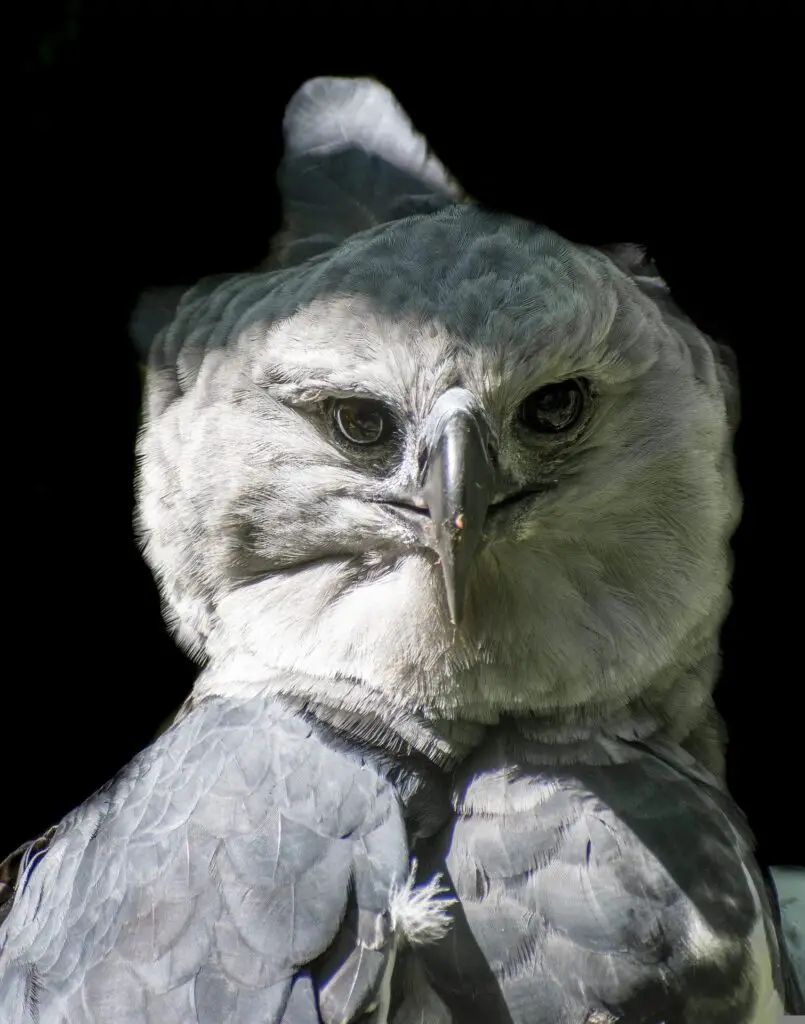
They often hunt large prey such as sloths, monkeys, and even small deer. Its distinctive broad wings and long tail enable remarkable agility in flight, while its powerful, gripping nails, the largest of any living eagle, ensure it is a formidable hunter. As such, their handling requires an especially skilled and experienced falconer. Being at the apex of the bird of prey hierarchy, the Harpy Eagle truly represents the ultimate experience in falconry.
The largest falcon used in falconry
The largest falcons used in falconry is the gyrfalcon. This raptor has a wingspan of up to 63 inches (160 cm) and weighs between 2 to 4.5 pounds (0.9 to 2 kg). The size and strength of the gyrfalcon make them impressive hunters, capable of taking down larger prey such as ducks, geese, and even hares. Nonetheless, their power brings about the need for specialized falconry techniques. These tactics include the use of reinforced falconry equipment and the development of specific handling and hunting methods to control these majestic birds safely.
Largest Hawk used in falconry.
The largest Hawk used in falconry is the Ferruginous Hawk. With its larger wingspan and impressive size, it is a prominent figure in the world of falconry. Known for its strength and power, this Hawk is a formidable hunter. The Ferruginous Hawk primarily preys on small mammals such as rabbits, ground squirrels, and prairie dogs.
With a weight ranging from 2.2 to 4.4 pounds (1 to 2 kilograms) and a height of 20 to 27 inches (50 to 69 cm), these hawks are among the largest in the falconry world. However, their size and strength make them more suitable for experienced falconers who can handle their impressive capabilities. The Ferruginous Hawk truly stands as one of the giants of the skies in the art of falconry.
Largest Kestrel used in falconry.
The Common Kestrel (European Kestrel) holds the title of the largest species among kestrels used in falconry. Commonly found across Europe, Asia, and Africa, these majestic birds display a fascinating combination of size, agility, and predatory proficiency. The Common Kestrel typically measures between 34 and 39 cm in length (13-15 inches), with a wingspan stretching up to 80 cm (34.1 inches). Weighing in at approximately 250 to 300 grams for males and 300 to 400 grams for females, they are larger than other kestrel species.
Their hunting tactics are a sight to behold, as they hover at significant heights, keenly scanning the ground for prey such as mice, voles, and small birds before swooping down with impressive accuracy. These birds are known for their versatility and ability to thrive across a wide range of habitats and adjust to different climates. However, like all raptors, they require careful handling, making them suitable for intermediate or experienced falconers.
List of other large species used in falconry
Golden eagle
The Golden Eagle, a raptor native to the Northern Hemisphere, is highly respected in falconry for its large size, hunting skills, and impressive flight abilities. With an average wingspan of up to 2.3 meters (90 inches) and weighing between 3 and 7 kilograms (6.6-15 pounds), this raptor is known for its keen eyesight, speed, and powerful talons.
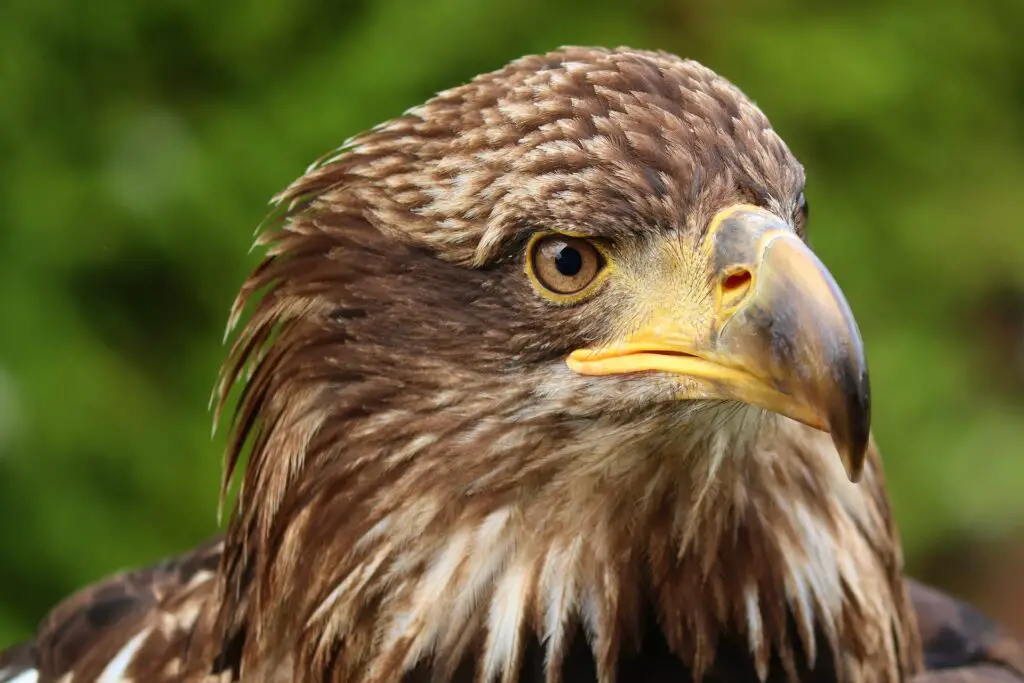
It can hunt various prey, including rabbits, marmots, and foxes. Falconers value the Golden Eagle for its intelligence, trainability, and hunting prowess. However, due to its size and strength, handling this bird requires experience and commitment, making it more suitable for seasoned falconers.
Peregrine falcon
The Peregrine Falcon is another well-known species in the world of falconry for its remarkable diving speeds and exceptional hunting skills, is also one of the largest falcons used in this sport. With a wingspan of 80 to 120 centimetres (31-47 inches) and weighing between 500 to 1,200 grams, this raptor excels in speed and agility. These characteristics, coupled with their ferocity and tenacity in the hunt, make them a prized possession for falconers.
They usually hunt medium-sized birds such as pigeons, grouse, ducks, and even small mammals. However, due to their high energy levels and natural instincts, they require skilled handling and training from experienced falconers. The Peregrine Falcon’s impressive size, speed, and hunting abilities truly make it one of the most sought-after birds in the world of falconry.
Redtail Hawk
The Redtail Hawk, a prominent figure in falconry, is a large species used in this sport. Native to North America, these majestic birds are known for their size, strength, and hunting abilities. With an average wingspan of 48 inches (122 cm) and weighing 2 to 4 pounds (0.9 to 1.8 kg), the Redtail Hawk is a formidable hunter, capable of taking down prey like rabbits, squirrels, and pheasants. I value their intelligence, trainability, and adaptability to various hunting techniques. Skilled handling is required due to their size and strength, making them more suitable for intermediate or advanced falconry.
Goshawk
The Goshawk, a robust and powerful raptor, is one of the largest birds used in falconry. Found in Europe, Asia, and North America, these birds have an average wingspan of inches 40-46 inches (101 to 116cm) and weigh between 22 to 48 ounces (5 to 1,360 grams). They excel in hunting various prey, including rabbits, hares, and game birds, with their impressive speed and agility in flight. However, experienced handling is necessary due to their strong predatory instincts and high energy levels.

Conservation efforts are vital to preserve this species’ populations in the wild and falconry community. The Goshawk’s size and hunting abilities make it highly sought-after in falconry.
Falconry is an ancient sport that showcases a fascinating variety of large bird species, each with unique abilities and characteristics. From the powerful Ferruginous Hawk to the agile Common Kestrel and the majestic Golden Eagle to the speedy Peregrine Falcon, each bird plays a significant role. However, it is crucial to respect and conserve these magnificent creatures, both in the wild and in falconry. As enthusiasts, it is our duty to ensure their care so future generations can appreciate their natural prowess and beauty.
Frequently Asked Questions
What Is the Average Wingspan of the Largest Bird Used in Falconry?
- The average wingspan of the largest bird used in falconry can vary depending on the species but typically ranges from 3 to 7 feet (91 to 213 cm).
What Skills Are Required for Handling Large Birds Used in Falconry?
- Handling large birds in falconry requires experience, patience, and a deep understanding of their natural behaviours and instincts. Proper training, equipment, and care are also essential for both the bird’s well-being and the safety of the falconer.
What Distinguishes the Largest Eagle Used in Falconry From Other Raptors Commonly Used in the Sport?
- The largest eagle used in falconry stands out due to its exceptional size and strength. Its impressive average weight and physical abilities make it a formidable hunter. Training techniques and size comparisons play a crucial role in utilizing this magnificent raptor.