
When it comes to choosing the best bird for falconry, there are many factors to consider. In this guide, we will explore some of the top choices for beginners, intermediate falconers, and advanced falconers.
Beginners
Red-tailed Hawk (Buteo jamaicensis):
Having worked and trained with several species of hawks, I can confidently say that the red-tailed hawk is an impressive bird for falconry. Here’s why beginners will do well with these birds:
- Size and Weight
The Red-tailed Hawk has a wingspan of three to four feet and weighing between 1.5 to 3 pounds, the Red-tailed Hawk falls in a size range similar to the Harris’s Hawk. However, its larger size and weight make it a more powerful hunter, capable of taking down larger prey.
- Temperament
The temperament of a Red-tailed Hawk plays a crucial role in its suitability for falconry. These hawks are known for their calm and gentle nature, making them easier to handle and train compared to other raptor species. Their docile temperament allows falconers to work closely with them, establishing a strong bond and trust. This is essential for successful hunting partnerships.
- Training
To begin training a Red-tailed Hawk for falconry, one must establish a strong foundation of trust and cooperation. Here are three key steps in the training process:
- Manning: Similar to the socialization step in Harris’s Hawk training, manning involves spending quality time with the hawk and getting it accustomed to its handler’s presence and voice.
- Hooding: Hooding is a crucial step in Red-tailed Hawk training as it prepares the bird for handling during hunts. Gradually introducing the hawk to a small hood and using positive reinforcement makes it comfortable with the concept of being hooded.
- Flying exercises: Like in Harris’s Hawk training, flying exercises are an essential part of training a Red-tailed Hawk for falconry. Starting with short distances and gradually increasing them helps build the hawk’s strength and agility for hunting.
- Speed and Agility
While the Red-tailed Hawk (Buteo jamaicensis) is not known for the same speed and agility as the Peregrine Falcon, it possesses its own characteristics that make it a successful and versatile raptor. With a wingspan of between four feet, the Red-tailed Hawk can reach speeds of up to 20 – 40 miles per hour during its hunting flights. This speed, combined with its sharp talons and powerful beak, allows it to take down prey with ease. Its agility in flight is also impressive, making it well-suited for hunting in forested areas where quick reflexes and manoeuvrability are essential.
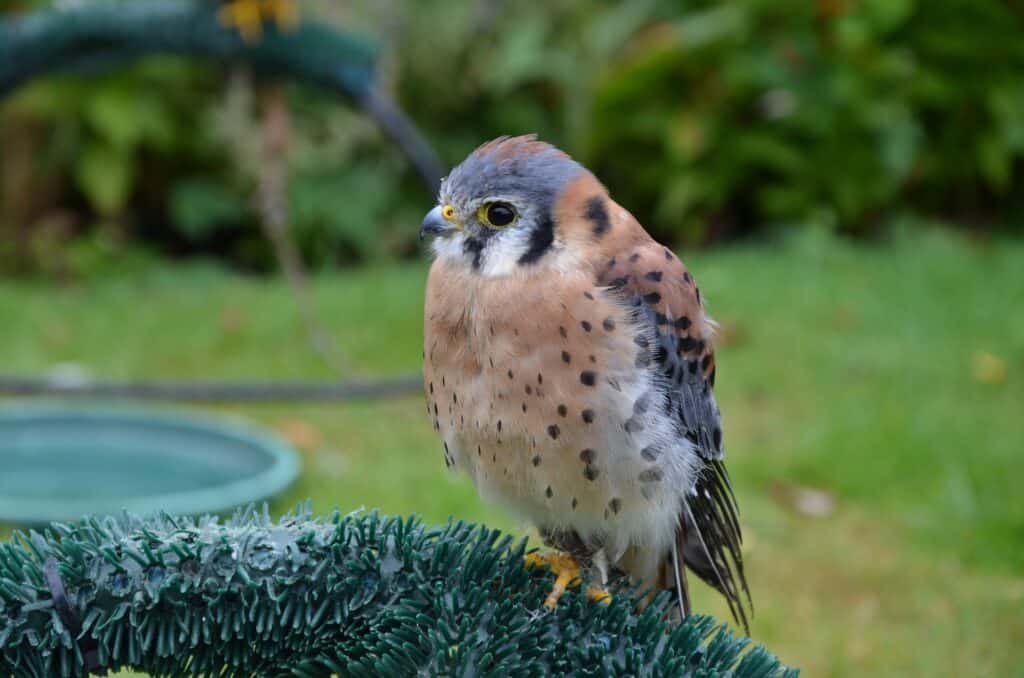
American Kestrel (Falco sparverius):
This is a small but mighty falcon that is well-suited for beginners in falconry. Here’s why:
- Size and Weight
With a wingspan of around 2 feet and weighing between 3 and 5 ounces, the American Kestrel may seem like an unlikely candidate for falconry. However, its small size allows it to fly and hunt in tight spaces, making it a versatile bird for hunting in both open fields and forested areas.
- Temperament
Like the Red-tailed Hawk, American Kestrels have a calm nature, making them easy to handle and train. They are also highly social birds that seem to like interacting with their owners. This makes them an ideal choice for beginners looking for a bird that is not only an excellent hunter but also a companion.
- Hunting Ability
Despite being one of the smallest falcons, American Kestrels have incredible hunting abilities. With swift flight and sharp talons, they are capable of taking down prey almost twice their size. They have also been known to hover in mid-air while hunting. This unique flight style makes them an exciting and challenging bird to work with for beginners in falconry.
Intermediate:
Harris’s Hawk (Parabuteo unicinctus):
Harris’s Hawks are brilliant birds for intermediate falconers. I’ve found them to be highly sociable, intelligent, and versatile hunters.
- Size and Weight
Size and weight: I prefer using a smaller and lighter bird for falconry, such as the Harris’s Hawk. When it comes to size and weight, the Harris’s Hawk offers several advantages that make it an excellent choice for this ancient sport.
- Temperament
To further understand the temperament of the Harris’s Hawk, let’s take a look at the following table:
| Temperament Traits | Description |
| — | — |
| Social | Harris’s Hawks are highly social birds and can be trained to work in groups, making them excellent for falconry displays or hunting in teams. |
| Docile | This species is generally calm and docile, which makes handling them easier and safer for both the hawk and the handler. |
| Curious | Harris’s Hawks are naturally curious birds, always exploring their surroundings and showing interest in new stimuli. |
| Cooperative | They have a cooperative nature and are known to work well with their handlers, making them reliable and obedient in the field. |
- Training
To train my Harris’s Hawk for falconry, I started by establishing a strong foundation of trust and communication. This is crucial in building a successful partnership between the bird and me. Here are three key steps I take in training a Harris’s Hawk:
- Socialization: I spend ample time with the hawk, allowing it to become comfortable with my presence and voice. This helps develop a bond and trust between us, which is essential for effective training.
- Basic commands: I teach the hawk basic commands such as ‘come’ and ‘perch.’ By using positive reinforcement techniques, such as rewards and treats, I reinforce these commands until they become second nature to the bird.
- Flying exercises: I gradually introduce the hawk to flying exercises, starting with short distances and gradually increasing the distances over time. This helps build its flying skills and stamina, preparing it for the challenges of falconry.
- Speed and Agility
When it comes to speed and agility, the Harris’s Hawk is an impressive bird for falconry. With its sleek body and long, pointed wings, this hawk is built for speed and manoeuvrability in the air. Its ability to reach high speeds allows it to chase down prey swiftly and efficiently.
The Harris’s Hawk is known for its quick reflexes and sharp turns, making it a formidable hunter. Its agility is further enhanced by its strong muscles and keen eyesight, which enable it to spot prey from great distances and make split-second decisions during flight.
- Cooperative Hunting
This species of hawk is known for its unique ability to hunt in groups, which sets it apart from other birds used in falconry.
Here are three reasons why the Harris’s Hawk’s cooperative hunting skills make it an excellent choice:
1. Improved success rate: When hunting in a group, Harris’s Hawks strategize and collaborate to improve their prey-catching success. By coordinating their efforts, they flush out prey and take turns attacking, increasing their chances of success.
2. Versatility: Harris’s Hawks are versatile and cooperate with humans and other hawks during hunts, adapting to various hunting scenarios on the ground or in the air.
3. Training potential: Due to their social nature and willingness to work with others, Harris’s Hawks are relatively easier to train for falconry.
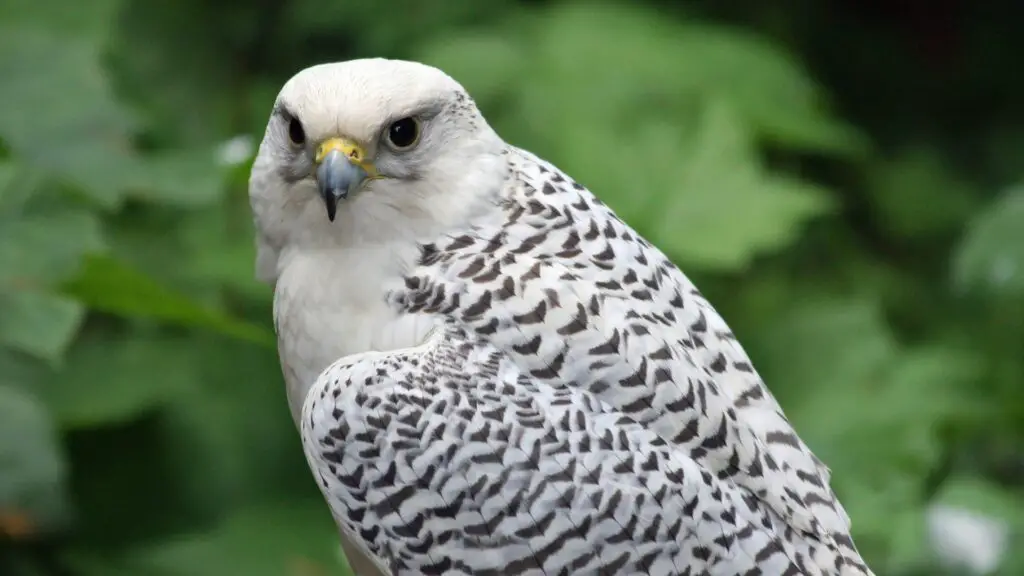
Gyrfalcon (Falco rusticolus):
As a falconer, I find the Gyrfalcon to be an impressive bird for experienced falconers due to its size and weight.
- Size and Weight
With a wingspan of up to 4 ft and weighing up to 2.4-4.6 lb, this raptor is truly a force to be reckoned with. Here are three reasons why:
1. Impressive Size: The Gyrfalcon is one of the largest falcon species, weighing up to 4.6 lb.
2. Powerful Flight: With a wingspan of up to 4 feet, the Gyrfalcon possesses incredible strength and agility in the air.
3. Strong Grip: The Gyrfalcon has strong feet and sharp talons, allowing it to maintain a firm grip on its prey.
- Temperament
The Gyrfalcon’s temperament plays a crucial role in its suitability for falconry. Known for its fierce and independent nature, the Gyrfalcon is a formidable hunting partner. Its strong and determined personality makes it an ideal bird for experienced falconers. However, its temperament can also be a challenge to handle for those who are not well-versed in training and handling raptors.
- Training
Establishing a strong bond and consistent training methods are key to successfully working with this powerful bird. Here are some important aspects I considered when training a Gyrfalcon:
1. Patience and Persistence: Training a Gyrfalcon requires a great deal of patience. These birds are intelligent and independent, so it’s crucial to remain calm and persistent during the training process. Consistency is key, as Gyrfalcons respond well to routine and repetition.
2. Positive Reinforcement: Using positive reinforcement techniques, such as rewards and praise, is essential when training a Gyrfalcon. These birds are motivated by food, so using treats as a reward can be highly effective in reinforcing desired behaviours. It’s important to avoid punishment or negative reinforcement, as it can damage the bond between the falconer and the bird.
3. Trust and Communication: Building trust is of utmost importance when working with a Gyrfalcon. Spending quality time with the bird, handling it gently, and providing regular training sessions help establish a strong bond. Effective communication, using consistent cues and signals to convey expectations and commands, is also crucial.
- Speed and Agility
The Gyrfalcon is known for its incredible speed during hunting flights, reaching speeds of up to 130 miles per hour. With its powerful flight and sharp talons, this raptor can take down prey with ease. Its agility in the air also makes it well-suited for hunting in mountainous or open terrain.
Harris’s Hawks, Red-tailed Hawks, and Gyrfalcons are all impressive birds for falconry in their own ways. Each species exhibits unique characteristics that make them valuable hunting partners for experienced falconers.
Advanced:
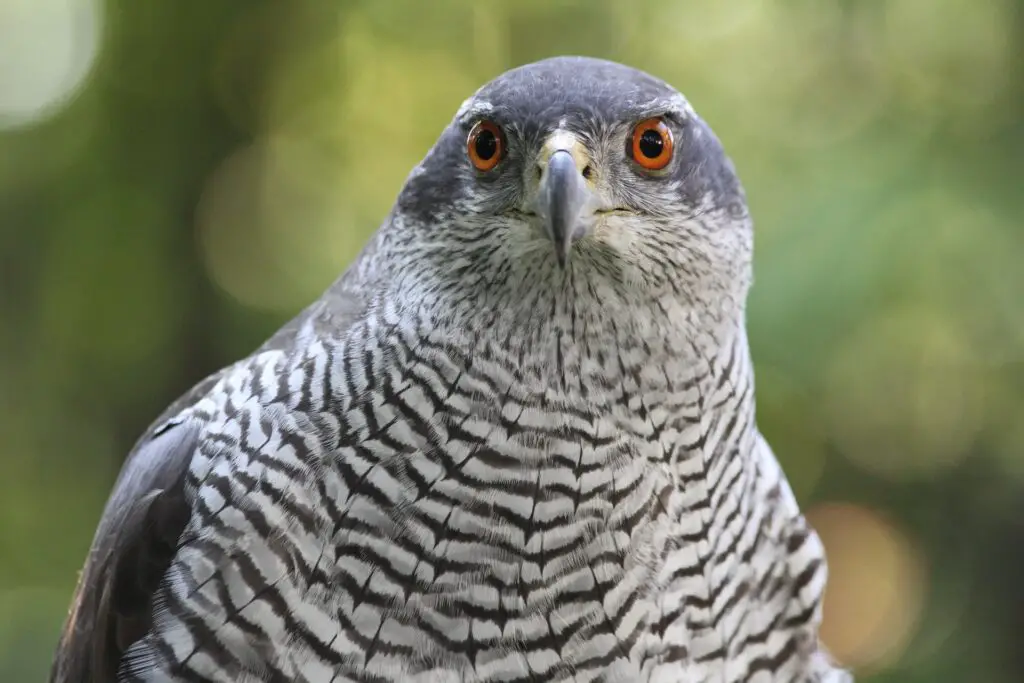
Goshawk (Accipiter gentilis):
Goshawks are another popular choice for falconry, known for their fierce and formidable nature. Here’s why they are my preferred bird of prey:
- Size and Weight
I prefer working with a Goshawk for falconry because of its size and weight. Goshawks are known for their impressive size, with females reaching up to 2.5 pounds and males slightly smaller.
This larger size allows for a stronger and more powerful bird in flight, making them ideal for hunting larger prey. Additionally, the weight of the Goshawk provides stability and endurance during long flights, ensuring a successful hunting experience.
- Temperament
In my experience, working with a Goshawk for falconry has shown that their temperament is highly adaptable and responsive to training. Goshawks are known for their fierce and determined nature, making them excellent hunters. With proper handling and consistent training, they can develop a strong bond with their falconer and become obedient companions.
- Training
To train a Goshawk for falconry, one must establish clear and consistent commands. This powerful raptor requires firm and patient handling. Here are three key factors to consider when training a Goshawk:
– Building trust through positive reinforcement techniques.
– Gradually introducing the bird to the falconry equipment.
– Implementing regular training sessions to ensure mental and physical stimulation.
- Speed and Agility
Goshawks are known for their swift flight and quick manoeuvres, making them highly efficient in chasing down prey. Its long, powerful wings allow it to reach impressive speeds, making it an ideal hunting partner.
The Goshawk’s ability to navigate through dense forests and tight spaces with precision and grace further adds to its appeal. When it comes to speed and agility, the Goshawk is a true standout in the world of falconry.
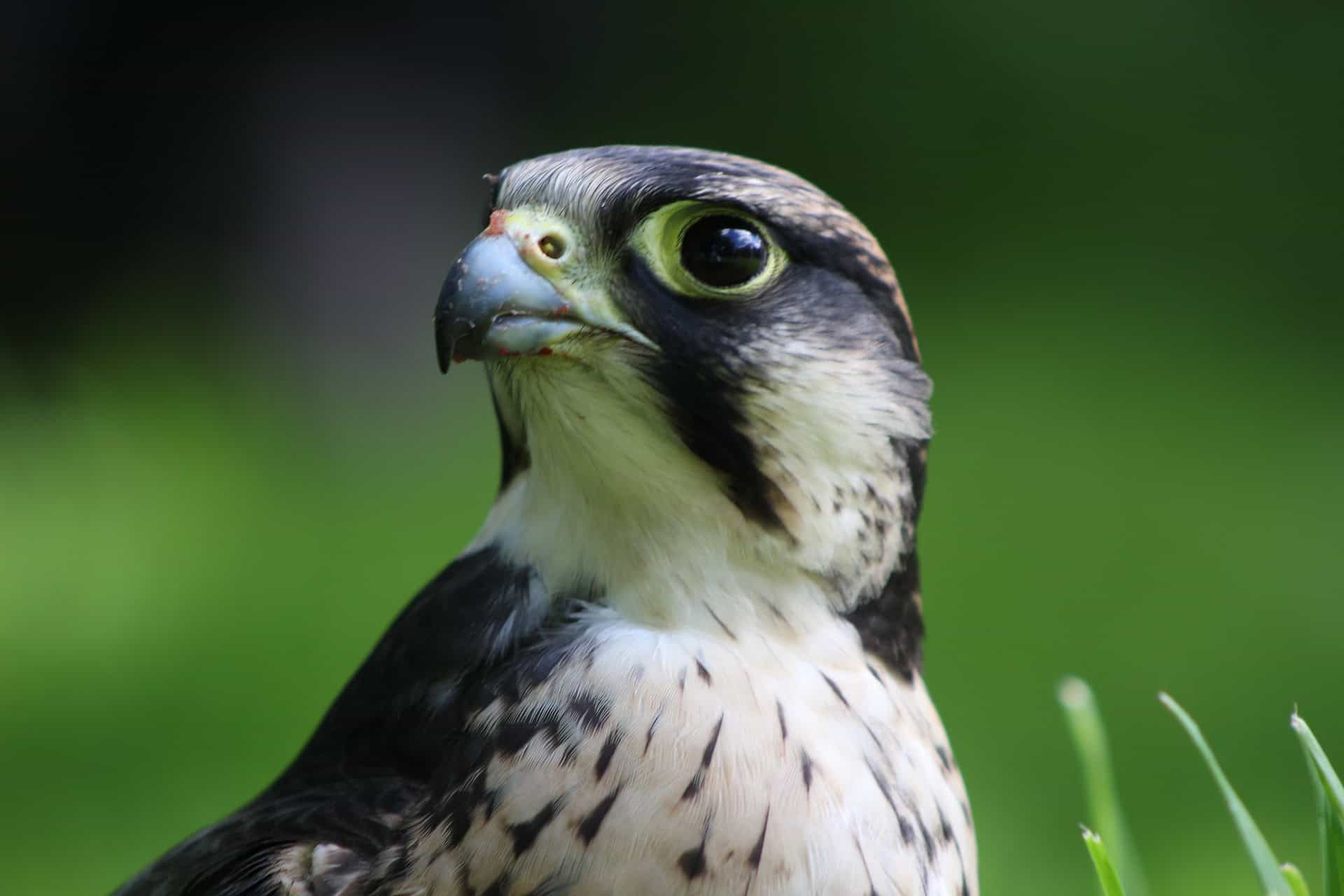
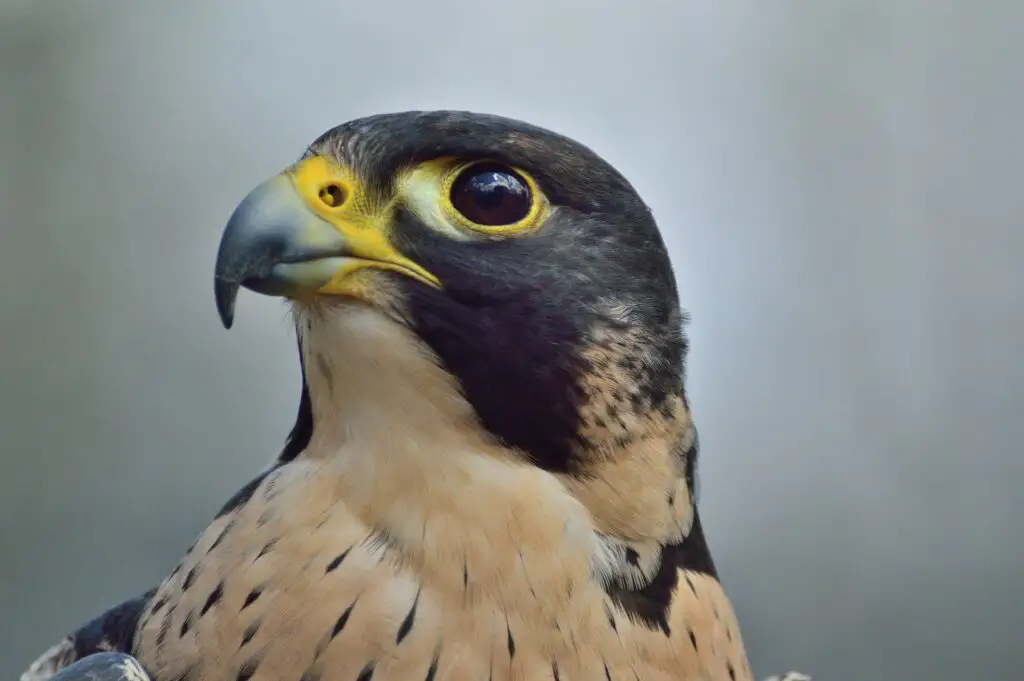
Peregrine Falcon (Falco peregrinus):
Starting off strong with the Peregrine Falcon, I’ve found it to be an exceptional bird for falconry.
- Size and Weight
After researching various birds for falconry, I’ve found that the size and weight of the Peregrine Falcon make it an excellent choice for this sport. Here are three reasons why:
1. Impressive Size: The Peregrine Falcon is a medium-sized bird with a wingspan ranging from 3 to 3.5 feet. This size allows it to fly swiftly and manoeuvre effortlessly, making it ideal for hunting.
2. Optimal Weight: Weighing between 1.1 and 1.7 pounds, while larger females can weigh up to 3.3 pounds, the Peregrine Falcon strikes the perfect balance between agility and power. Its weight enables it to dive at astonishing speeds of up to 240 miles per hour, ensuring successful catches during falconry pursuits.
3. Versatile Capability: Thanks to its size and weight, the Peregrine Falcon can hunt a diverse range of prey, including smaller birds, ducks, and pigeons.
- Temperament
From my experience with owning these birds, a Peregrine Falcon’s temperament is one of the key factors that make it an exceptional bird for falconry. These birds are known for their bold and fearless nature, which makes them highly trainable and cooperative.
Peregrine Falcons are known to form strong bonds with their handlers, displaying loyalty and trust. They’re intelligent and quick to learn, making them reliable hunting partners.
Their calm and focused demeanour allows for effective communication and a harmonious falconry experience.
- Training
Training a Peregrine Falcon for falconry requires patience, consistency, and a understanding of their unique needs and instincts.
These are the steps I take to train a Peregrine Falcon successfully:
– Create a calm and positive training environment, free from distractions.
– Use positive reinforcement, such as rewards as well as praise, to reinforce desired behaviours.
– Gradually introduce the falcon to new environments, objects, and experiences to build confidence and adaptability.
- Speed and Agility
Let’s take a closer look at the specific speed and agility attributes of the Peregrine Falcon in the table below:
| ATTRIBUTE | DESCRIPTION |
|———–|————-|
| Speed | Peregrine Falcons are the fastest animals on the planet, reaching speeds of over 180 – 240 miles per hour during their hunting stoop or dive. Their streamlined bodies and strong wings allow them to achieve such incredible velocities. |
| Agility | These birds possess exceptional manoeuvrability, making them adept at chasing and capturing their prey mid-flight. Their long, pointed wings and powerful muscles enable them to change direction quickly, making tight turns and adjusting their flight path with ease. |
- Cooperative Hunting
Here are three important aspects of cooperative hunting with Peregrine Falcons:
- Communication: Peregrine Falcons have excellent communication skills with their handlers. They can be trained to respond to various signals and cues, allowing for effective coordination during hunts.
- Strategy: Peregrine Falcons are strategic hunters. They can be trained to understand the hunting patterns of their prey and adjust their tactics accordingly.
- Teamwork: These birds are highly trainable and can develop strong bonds with their handlers. This teamwork is crucial during cooperative hunting, as the falcon and handler must work together seamlessly to successfully capture prey.
These qualities make Peregrine Falcons excellent birds for falconry, as they exhibit the skills needed for effective cooperative hunting.
In conclusion, after considering various factors such as skill, temperament, and adaptability, the best birds for falconry are the Peregrine Falcon, Harris’s Hawk, Red-tailed Hawk, Gyrfalcon, and Goshawk.
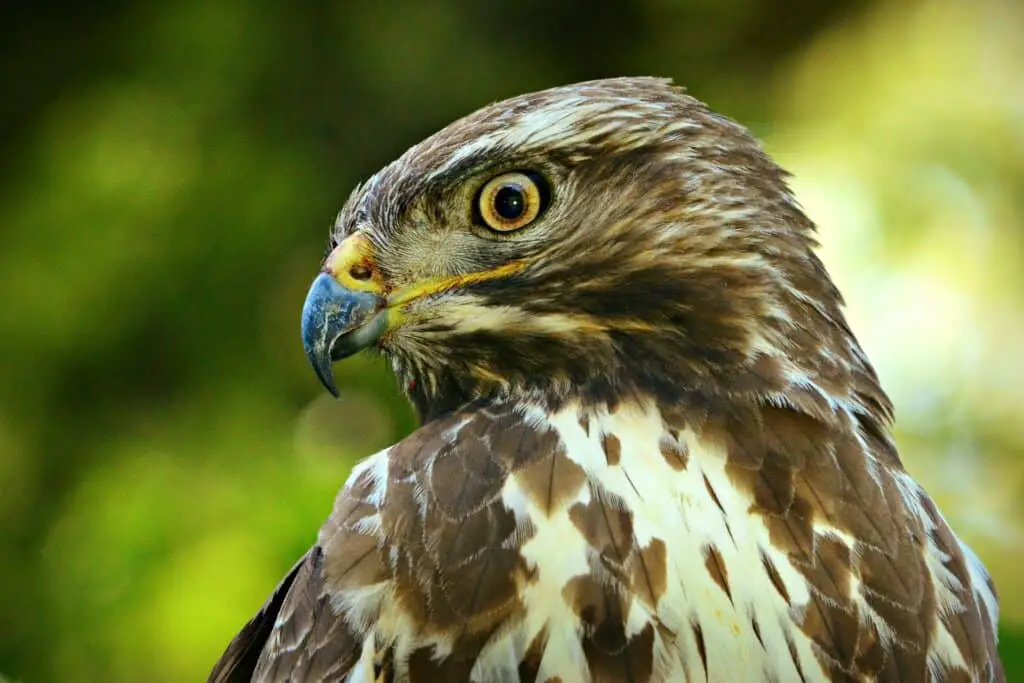
These birds possess exceptional hunting abilities, strong bonds with their handlers, and impressive flight capabilities. They’re truly the cream of the crop when it comes to falconry. No matter which bird you choose, remember that the key to successful falconry lies in patience, consistency, and, most importantly, a deep respect for these raptors.
Frequently Asked Questions
How Long Does It Take to Train a Falconry Bird?
- It usually takes several months to train a falconry bird. The process involves building trust, teaching basic commands, and gradually introducing hunting skills. Patience and consistency are key in developing a strong bond and ensuring successful training.
What Is the Average Lifespan of a Falconry Bird?
- The average lifespan of a falconry bird varies depending on the species. However, with proper care and training, most birds can live up to 15-20 years in captivity.
Can Falconry Birds Be Kept as Pets?
- Keeping falconry birds as pets is possible, but they require special care and training. These birds have specific dietary and environmental needs, and their strong hunting instincts must be managed appropriately.