
As an experienced falconer, I have spent countless hours training and hunting with various birds of prey. Over the years, I’ve come to realize that some birds are simply more challenging to work with than others. In this article, I want to share my insights on what are the hardest birds for falconry and why.
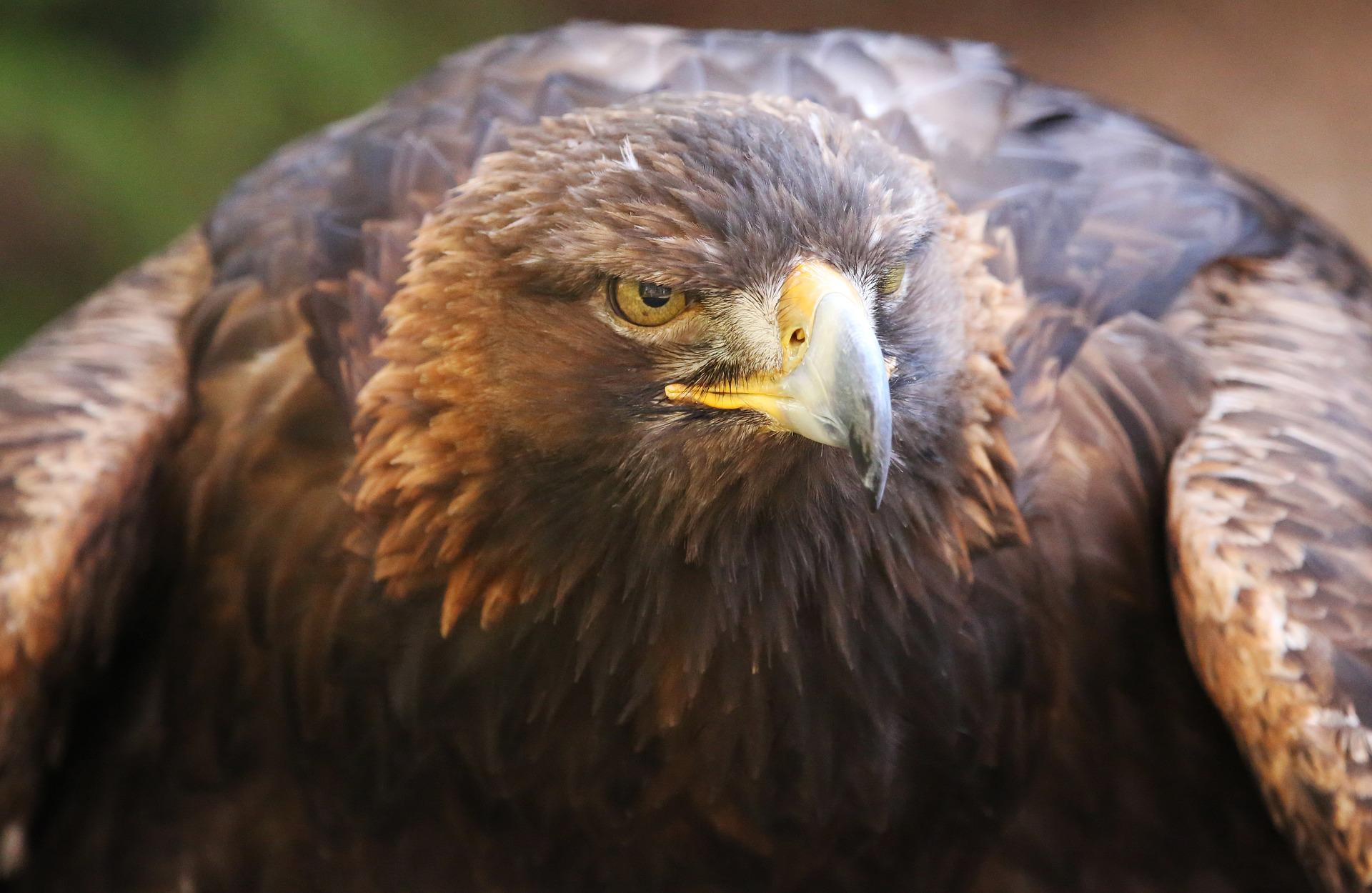
Golden Eagles
Gyrfalcons
Peregrine Falcons
Goshawks
Harris’s Hawks
Steppe Eagles
Some species are notoriously difficult to handle due to their unpredictable behaviour or innate wildness. So if you’re thinking about taking up falconry or just curious about which birds pose the greatest challenge, keep reading – I promise you’ll learn something new!
Factors That Make A Bird Difficult To Train And Handle
Falconry can be very fulfilling, but it’s a challenging activity that demands patience, dedication, and skill to train birds to be obedient and responsive. The challenge depends on the natural temperament of the bird being trained, and some birds are more difficult to train than others. Certain species are naturally more aggressive or independent, which can make it harder to train them for falconry. Birds with a strong sense of self-preservation might also put up a fight when trying to catch them or when attaching the jesses used to restrain them.
Another aspect of difficulty in falconry has to do with the bird’s physical characteristics. Large raptors such as eagles or vultures can pose additional challenges due to their size and strength. These birds require specialized equipment and techniques in order to successfully train and handle them.
African Fish Eagle – Characteristics And Challenges For Falconry
I’ve trained and handled various birds of prey. Some are easier to train than others due to their natural temperament and characteristics. Factors like aggression, intelligence, and adaptability play a significant role in determining which birds are the hardest for falconry.
One bird that stands out as particularly challenging is the African Fish Eagle. This majestic bird is known for its aggressive behaviour towards humans and other animals alike. Additionally, it can be stubborn and difficult to train due to its strong instincts for hunting fish on its own. Despite these challenges, the African Fish Eagle can make an excellent hunting partner with proper training and handling techniques. It’s essential to establish trust between you and the eagle before attempting any training exercises. Patience is key when working with this magnificent creature.
Bald Eagle – Characteristics And Challenges For Falconry
Firstly, it’s important to understand that the Bald Eagle is protected by federal law under the Bald and Golden Eagle Protection Act. This means that obtaining a permit to capture one requires extensive paperwork and approval from various government agencies. Even then, there are strict regulations on how they can be trained and used for hunting. Secondly, unlike other birds commonly used in falconry, like hawks or falcons, Bald Eagles are not naturally inclined to work with humans. They have a strong sense of independence and require an immense amount of patience and trust-building before they will even begin to consider working with their handler. Thirdly, due to their size (with wingspans reaching up to 7 feet!) and strength, handling a Bald Eagle during training poses significant physical challenges. Handlers must be skilled at controlling these large raptors without causing harm to themselves or the bird.
Golden Eagle – Characteristics And Challenges For Falconry
Golden Eagles can be incredibly difficult to catch in the wild. They have a strong instinct for self-preservation and will avoid any potential danger at all costs. This makes capturing one a significant challenge that requires skill and patience. Once caught, training a Golden Eagle is no easy feat either. Despite their impressive size and strength, these birds are sensitive creatures that require careful handling and attention. It takes time to build trust with them and establish a bond that allows you to work together effectively.
Even once trained, flying a Golden Eagle presents its own set of challenges. These birds are powerful predators with incredible wingspans, which means they need plenty of space to fly freely without causing harm or destruction. Overall, while working with a Golden Eagle may not be easy, the rewards are more than worth it for those who are up to the task. There’s something truly special about seeing this magnificent bird soar through the sky under your command – it’s an experience unlike anything else in the world of falconry.
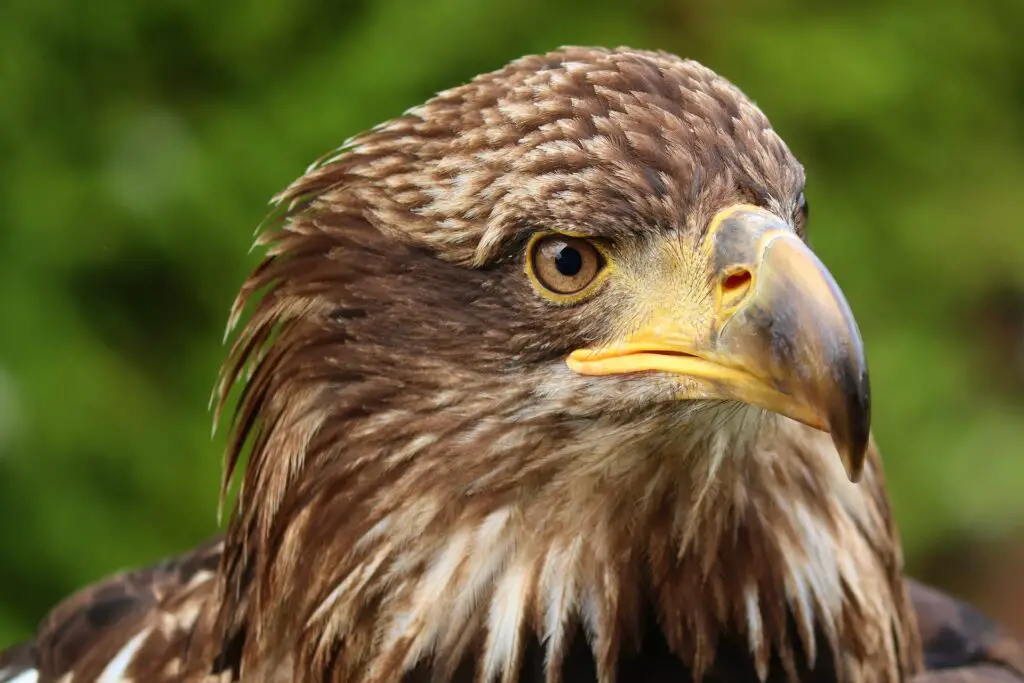
Gyrfalcon – Characteristics And Challenges For Falconry
One of the most notable characteristics of the Gyrfalcon is its impressive speed and power. These birds can reach speeds of up to 130 mph when diving after their prey, which often includes other birds or small mammals like rabbits. Their sharp talons and powerful beak make them incredibly effective hunters but also require careful handling by those who work with them. Another challenge that comes with working with Gyrfalcons is their rarity. Due to their natural habitat being located in remote areas far from human civilization, they are not easy to come by. Additionally, obtaining one legally requires permits and licenses from wildlife authorities – adding another layer of difficulty for aspiring falconers.
Despite these challenges, however, many falconers continue to pursue working with this amazing bird due to the unique rewards it offers. From the thrill of watching it hunt down prey at breakneck speeds to the sense of pride that comes from successfully training one of nature’s most awe-inspiring creatures, working with a Gyrfalcon truly represents the pinnacle of what falconry has to offer.
- Three key tips for working with a Gyrfalcon:
- Patience is key – these birds require a lot of time and attention during training.
- Proper equipment is essential – including gloves and hoods specifically designed for use with large raptors.
- Respect their wild nature – while trained Gyrfalcons can form strong bonds with humans over time, they will always retain some degree of independence and should be treated accordingly.
No matter how challenging it may be at times, I am convinced that any true lover of falconry owes it to themselves to experience the thrill of working with a Gyrfalcon at least once in their life.
Goshawk – Characteristics And Challenges For Falconry
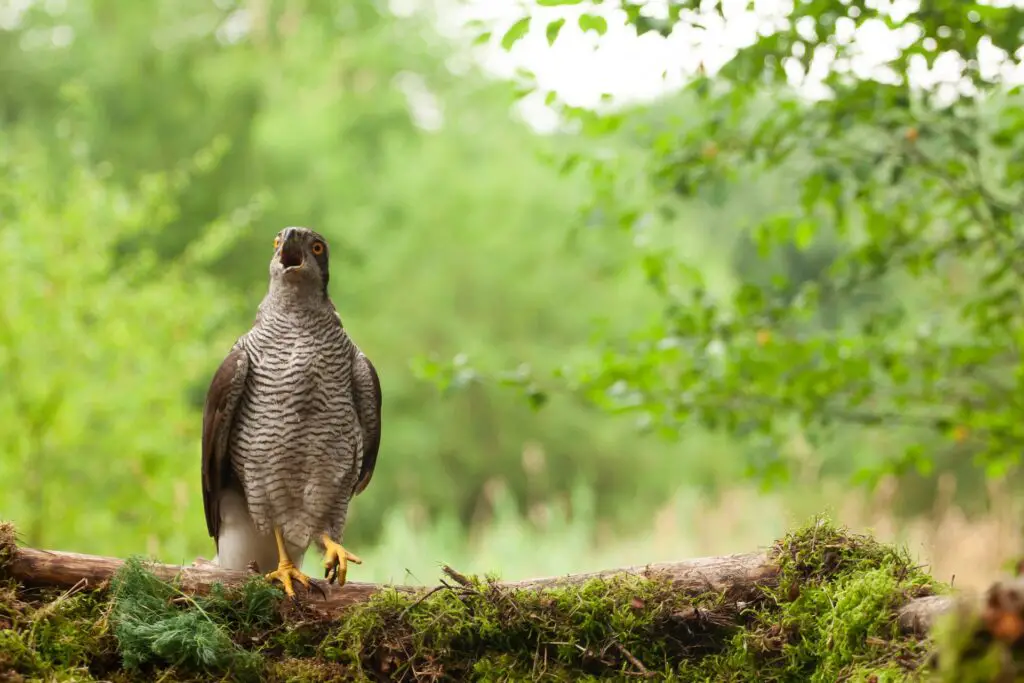
Goshawks are notorious for their fierce nature and independence, which makes their training difficult and requires a lot of patience and skill. They can be difficult to handle during training sessions and obedience in the field can also be a challenge. Furthermore, it’s not unheard of for them to attack their handlers occasionally.
As you can see from this table, Goshawks take significantly longer to train than Peregrine Falcons and require specific woodland areas for optimal hunting success. This highlights why many falconers consider them one of the most challenging birds to work with.
Other Challenging Birds For Falconry: Saker Falcons, Lanner Falcons, And Steppe Eagles
As an expert in falconry, I can attest that there are several other birds that pose considerable challenges to even the most skilled falconer. Here are some of the hardest birds for falconry:
- Saker Falcons: These majestic birds have a strong disposition and require experienced handlers. They are known for their speed and agility, making them excellent hunters. However, they can be very hard to manage as they tend to be quite stubborn when it comes to training.
- Lanner Falcons: This bird is not only fast but also incredibly powerful. It requires a firm hand from its handler due to its aggressive nature. Additionally, it has been known to display territorial behaviour which makes managing them more difficult.
- Steppe Eagles: Known for their large size and strength, these eagles are extremely difficult to handle due to their intimidating presence alone. Their hunting skills make them impressive creatures; however, their tendency towards aggression means they require a highly experienced handler.
These birds possess incredible abilities that make them desirable for falconers; however, handling them effectively requires immense skill and experience. Falconry with such a formidable species demands patience, consistency and knowing what you’re doing at all times.
As an experienced falconer, I can tell you that the hardest birds for falconry are not always the biggest or strongest. It’s all about their personality and behaviour. Some birds may be easy to train but difficult to handle, while others may be challenging in both aspects.
The African Fish Eagle is one bird that comes with a set of unique challenges. It’s large size, and powerful talons make it a formidable predator, but its stubborn nature and reluctance to hunt on command can be frustrating for even the most patient falconer. Similarly, Bald Eagles and Golden Eagles require considerable skill and experience to manage due to their aggressive tendencies.
When it comes to smaller raptors, Goshawks are notoriously difficult to work with because of their high energy levels and unpredictable temperament. The Gyrfalcon is another fierce predator that requires a skilled handler who understands how to harness its hunting instincts without endangering themselves or other animals.
As they say, “It takes two to tango” – this applies perfectly when working with these challenging avian predators. But through perseverance, knowledge, patience, and understanding- we, as falconers, learn how to dance with them gracefully!