

Starting falconry can be confusing initially, and you need certain things to start. From my experience, this includes fulfilling legal requirements, gaining the necessary training and education, obtaining a falconry license, and setting up suitable facilities. In the content that follows, I will cover exactly what requirements are needed to pursue falconry.
What Are The Requirements For Falconry?
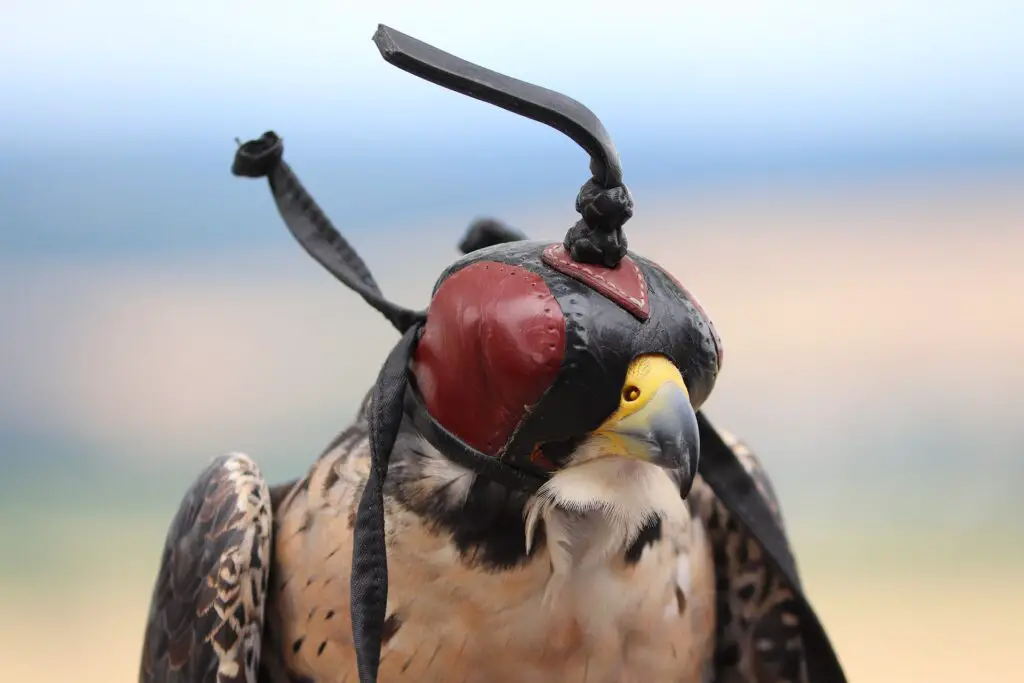
The first requirement for falconry is obtaining a valid falconry license. This license is essential as it signifies a commitment to following the necessary hunting regulations and guidelines. Falconry equipment, such as hoods, jesses, and perches, must be acquired to ensure the proper care and handling of the bird species involved. Additionally, aspiring falconers often undergo a falconry apprenticeship to learn the skills and knowledge required for this ancient practice. Being part of the falconry community provides support, advice, and camaraderie among fellow falconers.
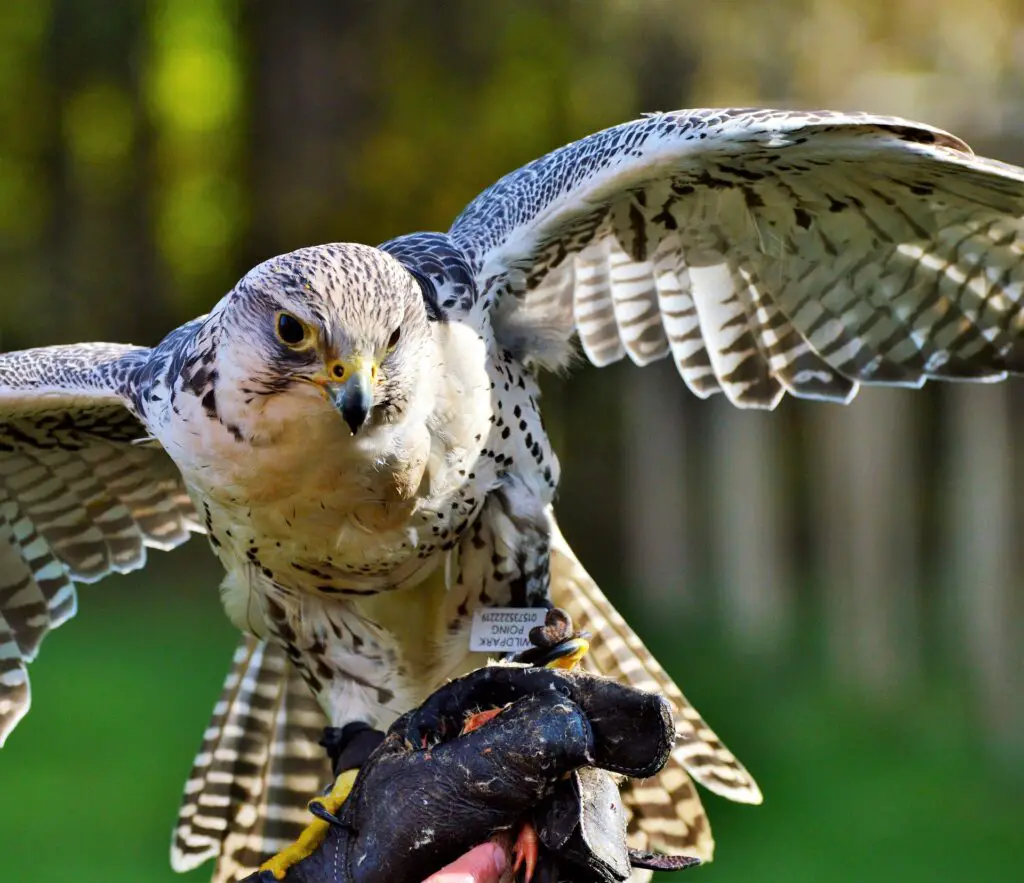
List of Falconry Requirements
To successfully engage in falconry, there are several requirements that must be met. First and foremost, it is essential to understand and comply with the legal regulations governing falconry in your area. Additionally, proper training and education are crucial to ensure the welfare of the birds and their effectiveness in hunting. Obtaining a falconry license, providing suitable facilities for the birds, and gaining experience in handling and caring for them are also vital aspects of becoming a falconer.
Legal Requirements
Meeting the legal requirements for falconry involves obtaining the necessary permits and licenses. To start, one must go through the permit process, which includes filling out an application and meeting specific criteria set by the government. Hunting regulations must be followed, ensuring the ethical treatment of bird species and adherence to wildlife conservation laws. Joining falconry clubs and participating in an apprenticeship program are also essential steps in meeting the legal requirements.
Training and Education
To successfully engage in falconry, one must acquire the necessary training and education, including a comprehensive list of requirements. Training techniques involve teaching the bird to fly to the falconer’s glove, to follow commands, and to hunt cooperatively. Handling birds requires learning how to properly restrain and release them and providing appropriate housing and care. Understanding bird behaviour is crucial for effective training and hunting. Lastly, education in hunting skills and conservation efforts is essential to ensure the welfare of the birds and the preservation of their habitats.
Falconry License
In order to engage in falconry, I had to obtain a falconry license, which involved meeting a comprehensive list of requirements. These requirements ensure that individuals are knowledgeable and capable of responsibly caring for and handling birds of prey. The falconry license requirements include:
· Completing a falconry apprenticeship.
· Passing a written exam on falconry regulations.
· Providing adequate facilities for housing and training birds.
· Demonstrating proficiency in raptor training and hunting.
Facilities
After obtaining my falconry license, I ensured that my facilities met the necessary requirements for housing and training birds of prey. The housing requirements for falconry include an aviary design that provides enough space for the bird to move around comfortably. Weather considerations are important to protect the bird from extreme temperatures and inclement weather. Equipment storage is crucial for keeping all necessary falconry gear organized and easily accessible. Perch placement should be strategic to provide the bird with a comfortable and secure resting spot.
Experience
My experience in falconry has taught me the importance of meeting certain requirements to ensure the well-being and successful training of birds of prey. To excel in falconry, one must possess practical skills, including bird handling and hunting techniques. Gaining hands-on experience through an apprenticeship or club membership is a valuable way to learn these skills. Interacting with seasoned falconers can provide invaluable insight into the sport’s intricacies.
Additionally, knowledge acquisition plays a vital role in understanding the behaviour and needs of different bird species. Reading books, attending seminars, and engaging in continuous learning about falconry can significantly enhance your understanding and performance.
Lastly, careful species selection is crucial, as each bird requires specific care and training methods. Novice falconers often start with less demanding species, such as the Red-tailed Hawk or the American Kestrel, before progressing to more challenging birds like the Peregrine Falcon. This gradual progression allows you to build up your skill level and confidence, which is crucial for becoming a proficient falconer.
Equipment
Having gained experience in falconry, I understand the importance of having the necessary equipment to ensure the well-being and successful training of birds of prey. Essential gear includes a falconry glove, jesses, and a leash. Training equipment, such as a lure, is crucial for teaching the bird essential skills. Hunting tools like a hood and a lure bag aid in the hunting process. Safety accessories like a leash and a bell help in tracking the bird. Maintenance supplies, including a mews and perches, provide a comfortable living environment.
Finding Sponsorship
To secure sponsorship for falconry, I needed to meet a list of specific requirements. These requirements included:
· Identifying funding opportunities to support the costs associated with falconry.
· Understanding the benefits of sponsorship, such as financial support and access to resources.
· Leveraging networking opportunities to connect with potential sponsors in the falconry community.
· Developing compelling sponsorship proposals that outline the value of supporting falconry.
· Engaging in sponsorship negotiations to establish mutually beneficial agreements.
Starting falconry requires a deep understanding of the art form and a strong commitment to training and caring for birds of prey. The process involves acquiring the necessary permits and licenses and building a suitable facility for the birds. Training is a long and challenging journey, but the rewards of building a bond with these majestic creatures are immeasurable.
Frequently Asked Questions
How Long Does It Take to Become a Licensed Falconer?
· It takes several years to become a licensed falconer.
Are There Any Age Restrictions for Becoming a Falconer?
· There are age restrictions for becoming a falconer, as one must be at least 12 years old to start the training.
Can I Practice Falconry in Urban Areas?
· You can practice falconry in urban areas, but there are challenges. Training facilities may be limited, and housing requirements can be stricter. Urban wildlife can pose a threat, and public perception may not always be favourable.