

There are a few essential requirements that you need to keep in mind when transporting a bird of prey. By following these requirements, you and the bird during the transportation process. Below are some tips and tricks I’ve used to safely transport my birds:
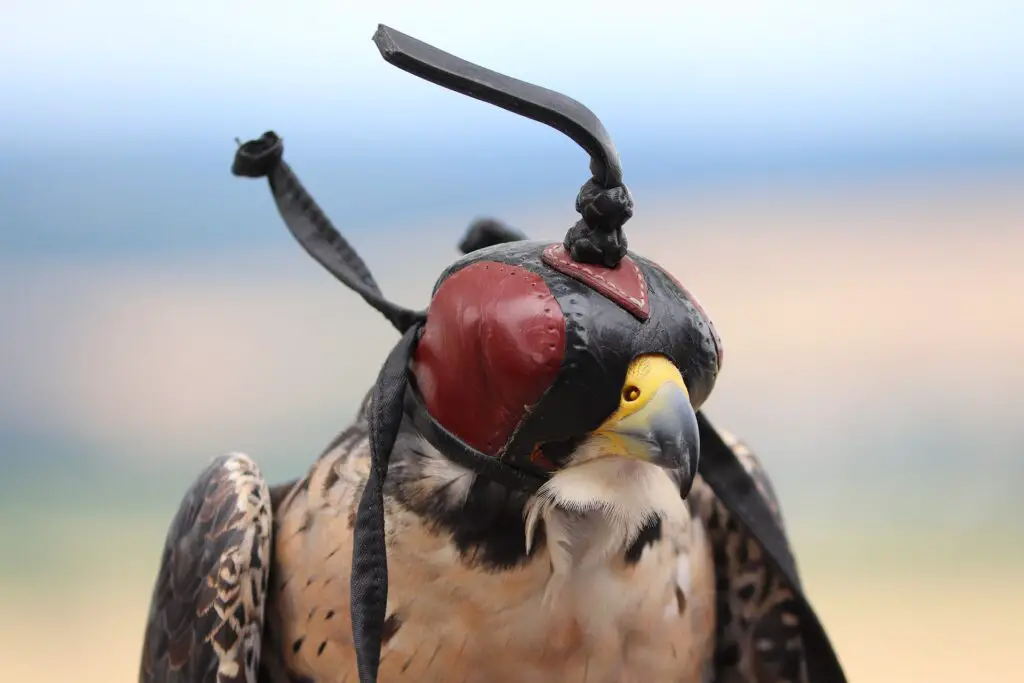
How To Transport Birds Of Prey
Transporting birds of prey can be challenging, especially if you are new to it. Here are the essential requirements that you should adhere to for a smooth and safe transportation process:
Familiarize Yourself with Legal Requirements:
To transport a bird of prey, I start by familiarizing myself with the specific legal requirements. These regulations are in place to ensure the safety and well-being of the bird and the people involved in its transportation.
One of the first things I need to do is research the laws and regulations in my specific area or jurisdiction. This may include obtaining permits, licenses, or certifications that are necessary for transporting birds of prey. It is also important to be aware of any restrictions or limitations on the transportation of these birds, such as certain times of the year or specific locations.
Use an Appropriate Carrier / Hawk Box:
I prefer to transport birds of prey using an appropriate carrier or hawk box. This is crucial to ensure the safety and comfort of the bird during transportation. When choosing a carrier, there are a few key factors to consider. Firstly, the carrier should be sturdy and well-ventilated, allowing for proper airflow. Secondly, it should be spacious enough for the bird to move around comfortably. To give you a clearer idea, here is a table summarizing the different types of carriers commonly used for transporting birds of prey:
| Carrier Type | Pros | Cons |
| Travel crates | Provide security and protection | Can be heavy and bulky |
| Soft-sided bags | Lightweight and easy to carry | May not offer as much protection as other types |
| Hawk boxes | Specifically designed for raptors | Limited visibility for the bird |
| Modified dog crates | Durable and secure | Can be expensive |
Secure the Bird:
After ensuring that the bird is safely placed in an appropriate carrier or hawk box, it’s important to take further steps to secure the bird during transportation. Here are some tips to ensure the bird’s safety:
– Double-check that the carrier or hawk box is securely closed and latched.
– Place a soft, non-slip material at the bottom of the carrier to prevent the bird from sliding around.
– Keep the carrier or hawk box in a stable position to minimize movement during transportation.
– Avoid exposing the bird to extreme temperatures or direct sunlight.
Carry Essential Equipment:
When transporting a bird of prey, I always make sure to have the necessary equipment on hand. It ensures the bird’s safety and comfort throughout the journey. Here are the five items I always carry:
- Transport Box: A sturdy and well-ventilated box is essential to protect the bird. It should be spacious enough for the bird to stand and move comfortably.
- Gloves: Thick leather gloves provide protection from the bird’s sharp talons and beak. They allow me to handle the bird safely without causing any harm to myself or the bird.
- Perch: A portable perch provides a familiar and stable surface for the bird to stand on during transportation. It helps reduce stress and allows the bird to maintain its balance.
- Water and Food: I always carry a small supply of fresh water and appropriate food for the birds. This ensures that the bird stays hydrated and nourished during the journey.
- First Aid Kit: In case of any injuries or emergencies, I have a first aid kit on hand. This should include basic medical supplies such as plasters, bandages and disinfectant.
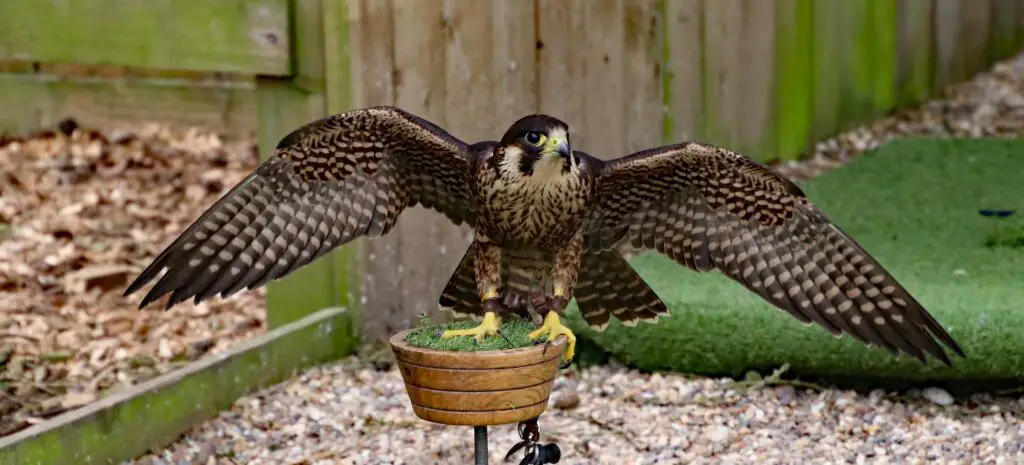
Monitor the Bird:
During transportation, it is important to constantly monitor the bird of prey to ensure its well-being and safety. Birds of prey can become stressed or agitated during transport, so it is crucial to keep a close eye on them throughout the journey. Here are some key aspects to monitor:
| Aspect | What to Monitor |
| Behavior | Watch for signs of stress, such as excessive vocalization, pacing, or aggression. |
| Breathing | Monitor the bird’s breathing rate and ensure it is not showing any signs of respiratory distress. |
| Temperature | Maintain a comfortable temperature inside the transport container to prevent overheating or chilling. |
| Hydration | Ensure the bird has access to fresh water during the journey to prevent dehydration. |
| Physical Condition | Regularly check the bird for any injuries, abnormalities, or discomfort. |
How to ensure your bird is comfortable during travelling?
To ensure your bird is comfortable during travelling, there are a few key steps you can take:
Provide A Perch:
To ensure my bird’s comfort during travel, I provide a sturdy perch for them. Here are the steps I take to create a comfortable perch for my bird of prey:
1. Choose a suitable perch: I select a perch that’s the right size and shape for my bird. It should allow them to stand and move around comfortably.
2. Ensure stability: The perch should securely attach to the carrier or transport cage. This prevents wobbling or sliding during transit, which could cause discomfort or stress for the bird.
3. Add padding: I place a soft, non-slip material on the perch to provide additional comfort and prevent any injuries. This could be a towel, a piece of fleece, or a specially designed perch cover.
4. Consider natural elements: I try to mimic the bird’s natural environment as much as possible. This includes providing a rough-textured perch for them to grip onto, which helps strengthen their feet and claws.
Cover the Carrier:
To ensure my bird’s comfort during travel, I cover the carrier with a breathable material. This creates a cosy and secure environment for my bird of prey. The choice of material is crucial, as it must provide proper ventilation and insulation. Opting for a breathable fabric such as cotton or mesh is ideal. It allows free air circulation, preventing the carrier from becoming stuffy or overheated. Additionally, I select a material that is easy to clean and maintain, as accidents can occur during travel.
Avoid Extreme Temperatures:
Extreme temperatures can be dangerous for birds of prey, causing stress and discomfort. To ensure my birds stay comfortable during travel, I avoid exposing them to extreme temperatures. Here are some tips:
- Monitor the weather: Before travelling, I check the weather forecast to avoid extreme temperatures. Hot weather can cause heat stress, while cold weather can lead to hypothermia. I aim to travel during mild temperatures to keep my bird comfortable.
- Use insulation: I line the carrier with insulating materials to regulate the temperature. This helps to keep the carrier warm in cold weather and cool in hot weather. A layer of insulation protects against extreme temperatures.
- Provide shade: If travelling by car, I position the carrier away from direct sunlight to avoid overheating. This also helps prevent glare and excess brightness, which can be stressful for birds of prey.
- Avoid drafts: I close all windows and vents in the vehicle to prevent cold drafts from entering. This helps maintain a steady temperature inside the carrier.
Avoid Excessive Noise:
Birds of prey have sensitive hearing, and loud noises can be stressful during travel. To ensure my bird’s comfort, I avoid excessive noise during transportation. This could include turning off the radio or music in the vehicle, avoiding honking horns, and talking softly around the carrier. Additionally, I choose routes with minimal traffic or construction noise to keep the journey as peaceful as possible for my bird.

Plan Breaks:
Long journeys can be tiring for both the bird and the handler. It is important to plan breaks during travel to allow them time to stretch their wings and rest. This also allows you to check their well-being and provide food and water. I choose safe and appropriate areas for these breaks, away from potential dangers or hazards. Here are some tips to make these breaks beneficial for your feathered friend:
1. Find a quiet and secluded spot: Find a peaceful area away from traffic or crowds. This will help reduce stress and allow your bird to relax.
2. Provide fresh water and food: Make sure to nourish your bird during the break. Bring a water bowl and some high-quality bird food to satisfy them.
3. Allow for exercise: Birds of prey need to stretch their wings and move around. Find a safe space where your bird can fly or perch comfortably.
4. Offer mental stimulation: Keep your bird entertained by bringing along toys or puzzles.
By following these tips, you can ensure your bird is comfortable and safe during travel. Remember to monitor their well-being and make any necessary adjustments along the way. With proper preparation and care, your feathered friend can have a stress-free journey by your side. Overall, keeping a close eye on your bird’s behaviour, physical condition, temperature, hydration level, and surroundings can help you ensure their comfort during travel. This will not only provide a more comfortable experience for your bird, but it will also give you peace of mind as a responsible owner.
Frequently Asked Questions
Are there Legal Requirements for Transporting a Bird of Prey?
- Legal requirements for transporting a bird of prey include permits, proper documentation, and adherence to regulations regarding safety and welfare. It is important to consult local authorities and wildlife agencies to ensure compliance with all necessary guidelines.
Can I Transport a Bird of Prey on a Commercial Airline?
- Yes, you can transport a bird of prey on a commercial airline. However, certain requirements need to be met, such as obtaining permits, ensuring proper housing, and adhering to strict guidelines so the bird is safe.
Are There Any Special Considerations for Transporting a Bird of Prey Internationally?
- When transporting a bird of prey internationally, there are special considerations to remember. Researching and complying with the regulations of both the departure and arrival countries is important to ensure a smooth and safe journey.
How Do I Safely Transport a Bird of Prey in Extreme Weather Conditions?
- To safely transport a bird of prey in extreme weather conditions, ensuring proper ventilation, temperature control, and protection from the elements is crucial. Carriers and crates designed for bird transportation can provide the necessary safety measures.
What Type of Transportation Container Is Best for a Bird of Prey?
- The best transportation container for a bird of prey provides ample space, ventilation, and security. It’s important to ensure the bird’s comfort and safety during travel.