
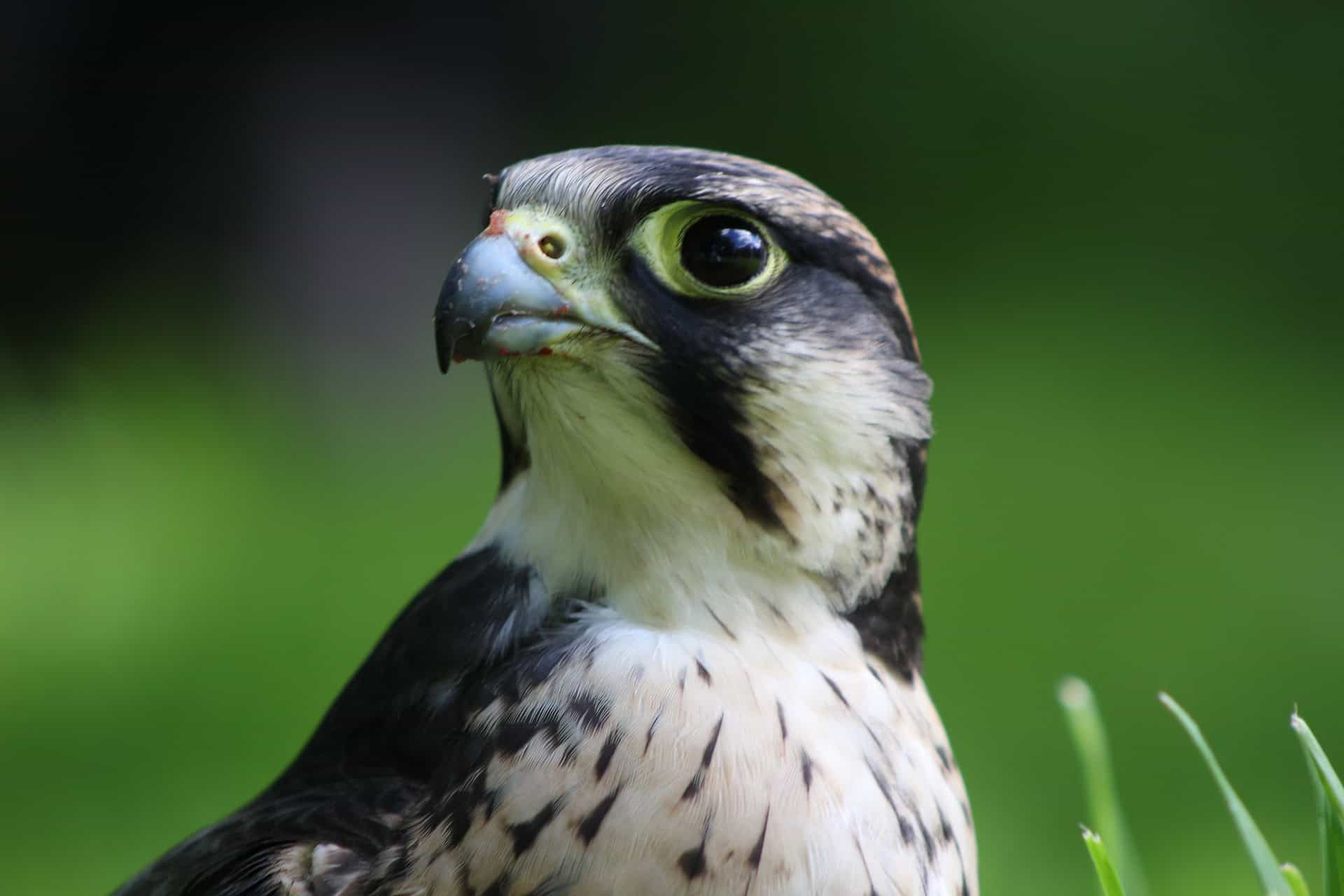
Are you contemplating training a falcon and pondering its feasibility? Is the training of falcons for this time-honoured sport genuinely straightforward? As I delve into the complexities of falcon training, we will explore the unique challenges, effective techniques, and key tips that can make all the difference in successfully training these remarkable birds of prey.
What is the easiest Falcon to train
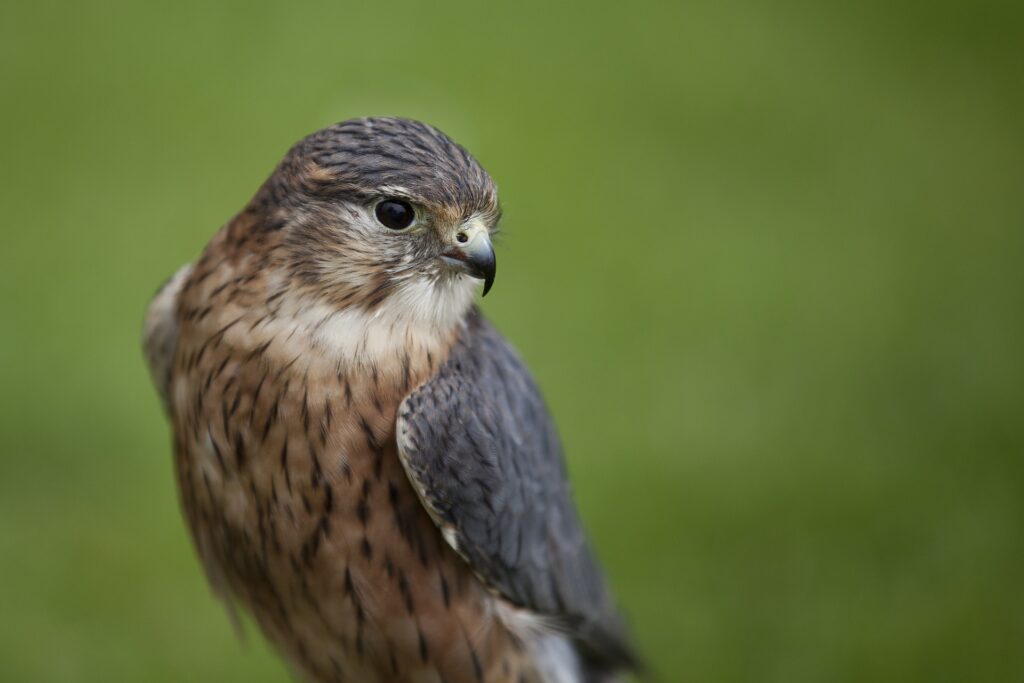
When considering the easiest Falcon to train, the American kestrel stands out as a popular choice among falconers for its relatively manageable size and temperament. Falcon temperament plays a crucial role in training success, and the kestrel’s mild disposition makes it more receptive to training compared to other falcon species. Training time with an American kestrel is generally shorter, requiring patience and consistency from the Falconer. Trainer experience is essential when working with any bird of prey, but the American kestrel’s adaptability can be beneficial for those new to falconry. Bonding methods such as positive reinforcement and trust-building exercises are effective in establishing a strong connection. The basic equipment needed for training includes jesses, a hood, and a perch to start the training process smoothly.
What is the hardest Falcon to train
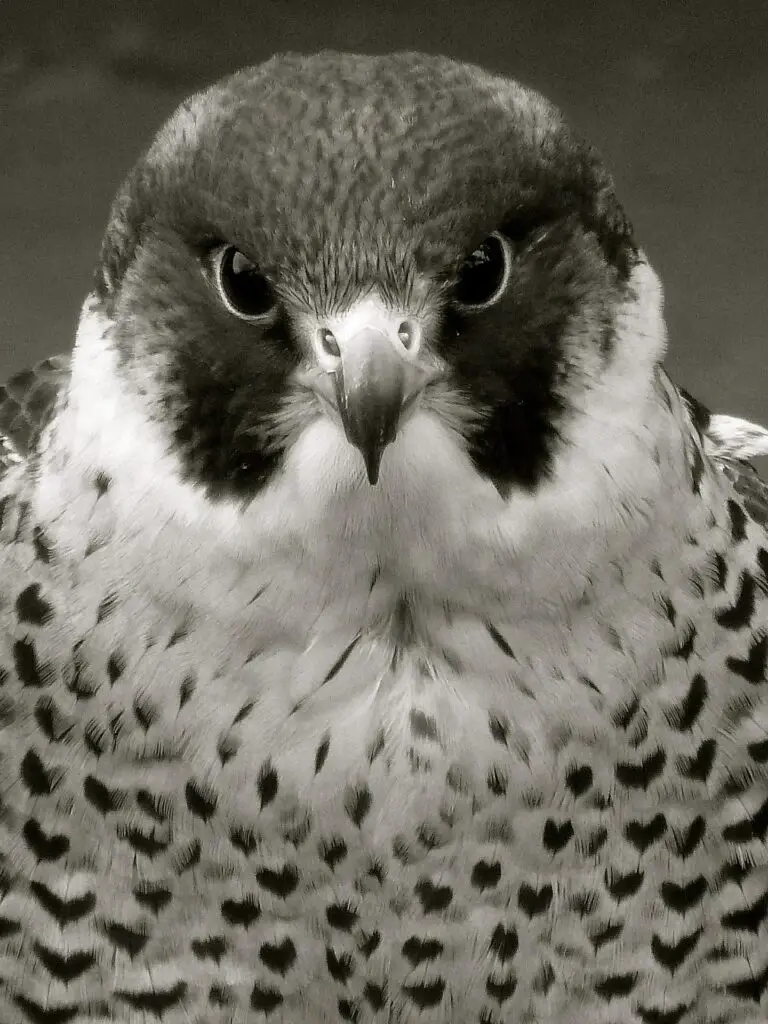
The challenge of training a gyrfalcon can be a significant leap in complexity and demands a higher level of expertise and patience from the Falconer. I’ve found that the Goshawk training poses unique challenges among the various falcons due to their strong-willed nature. Peregrines present their own set of challenges with their high energy levels and need for stimulation. The Saker falcon’s temperament requires a delicate balance of firmness and understanding. Each falcon species presents its difficulties, but mastering their training can be immensely rewarding.
Understanding falcon Behaviour
Understanding a falcon’s behaviour is crucial when training for falconry. Falcons are known for their formidable hunting instincts, keen vision, and high-speed pursuits. These birds are solitary hunters in the wild and can be fiercely territorial. This natural disposition means that training requires a careful and respectful approach. Establishing trust with a falcon involves patience as well as consistent and gentle reinforcement. A trained falcon must be able to distinguish between being in the wild and working alongside a human, reacting to cues for returning and hunting. Thus, a profound comprehension of their behaviour is essential for a harmonious falconry experience.
Challenges in Falcon Training
Understanding the unique challenges that come with falcon training is essential for achieving successful outcomes in falconry practices. When it comes to training these majestic birds of prey, several hurdles may arise:
- Bonding process: Establishing a strong bond with the Falcon can be time-consuming and requires patience.
- Behavioural cues: Interpreting the subtle behavioural cues of falcons is crucial for effective training sessions.
- Reinforcement methods: Finding the right balance between positive and negative reinforcement techniques is key to shaping desired behaviours.
- Handling equipment: Properly using and maintaining falconry equipment is essential for the safety and success of training sessions.
Navigating these challenges is fundamental to the progress and development of a well-trained falcon for falconry pursuits.
Training Techniques for Falcons
To train falcons for falconry effectively, incorporating a variety of specialized techniques is crucial for fostering a strong bond and shaping desired behaviours. Feeding frequency plays a vital role in falcon training, with regular feeding times aiding in establishing trust and predictability. Tethering techniques are essential to acclimate the Falcon to its surroundings and the Falconer. Understanding the prey preferences of the Falcon is key to utilizing appropriate lures and rewards during training sessions. Different reinforcement methods, such as positive reinforcement with food rewards, help reinforce desired behaviours effectively. Lastly, health monitoring is indispensable in ensuring the well-being of the Falcon throughout the training process, allowing for early detection of any issues that may arise.
Tips for Successful Falcon Training
Successfully training a falcon for falconry requires a combination of patience, consistency, and an understanding of the bird’s instincts. When it comes to falcon training, here are some essential tips that can help you achieve success:
- Food rewards: Using food as a reward can motivate the Falcon to learn and perform desired behaviours.
- Positive reinforcement: Encouraging good behaviour with positive reinforcement like praise or treats can strengthen the Falcon’s training.
- Daily practice: Consistent training sessions on a daily basis can help reinforce learning and build a strong bond between you and the Falcon.
- Patience needed: Falcons require time to adapt and learn, so patience is key in the training process. Trust building is crucial for a successful falconry partnership.
In conclusion, training falcons for falconry can be a challenging but rewarding endeavour. Understanding falcon behaviour, using effective training techniques, and being patient is key to success. While some falcons may be easier to train than others, each bird presents its own unique challenges.
Frequently Asked Questions
At what age can you begin training a falcon for falconry?
- Training typically begins with a juvenile falcon, known as an eyas, soon after it has fledged or learned to fly. This is usually around 6 to 8 weeks of age.
How long does it take to train a falcon for basic falconry?
- The time frame can vary significantly, but it takes about one to three months to train a falcon to a basic level of obedient flight and hunting.
Is it necessary to have a license for falconry training?
- In most countries, practising falconry and keeping birds of prey requires a special permit or license and adherence to wildlife conservation laws.
Can falcons be trained for activities other than hunting?
- Absolutely. Falcons can also be trained for educational purposes, bird control, and participation in falconry demonstrations and exhibitions.