

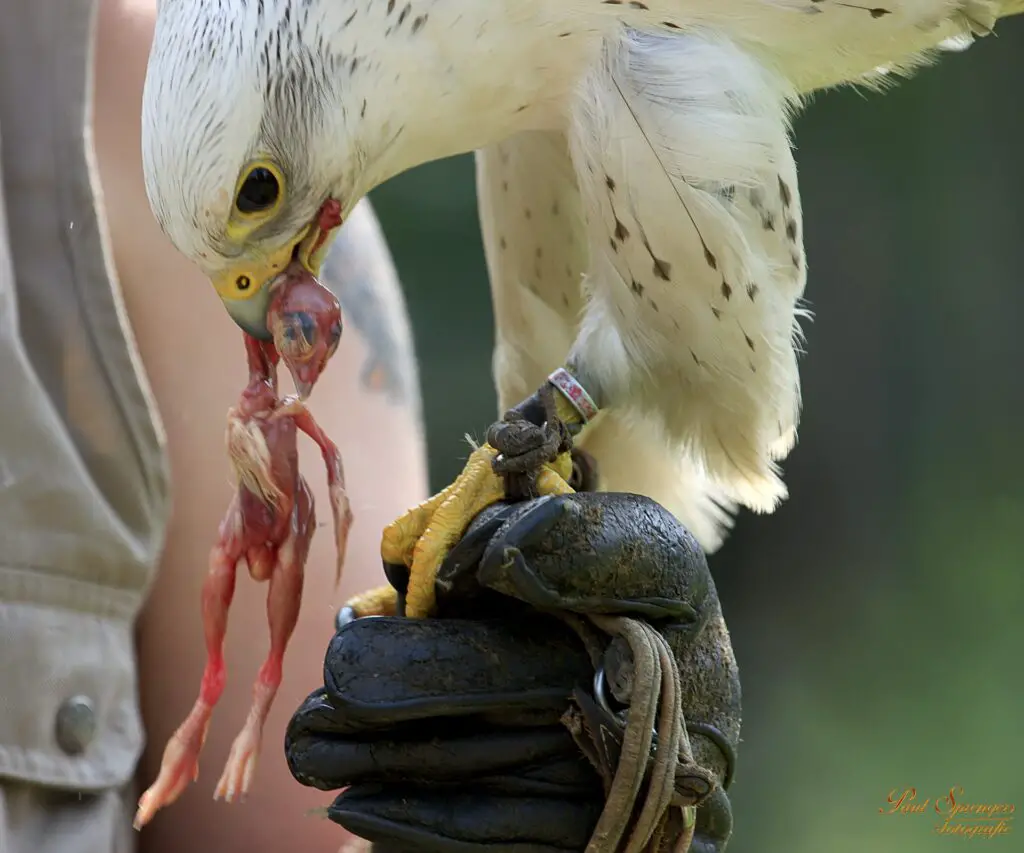
Falcons are carnivorous birds of prey that typically feed on small mammals such as rabbits, hares, and rodents. However, falcons can also be fed a diet of birds, reptiles, amphibians, and insects. The recommended diet for a falcon should be based on the species of a falcon and its age.
Falcons should eat around 21% of their body mass. This may seem like a lot, but they have high metabolisms and require a lot of energy to stay healthy and active. If you are unsure how much to feed your falcon, you can consult a veterinarian or an experienced falconer.
An experienced falconer will be able to help you determine the correct amount based on your individual bird’s needs. It is also essential to provide a variety of foods so that your falcon gets all the nutrients they need. A healthy diet is crucial for any animal, especially for those with high metabolisms like falcons. So make sure you are feeding your bird the right amount of food and variety so they can stay healthy and strong.
How often should I feed my falcon?
Due to their striking appearance and remarkable hunting abilities, falcons are among the most well-liked birds of prey. It’s critical to understand the care needs of a falcon if you’re thinking about bringing one into your home. The frequency of feeding their pets falcons is a concern for many new falcon owners. Because they are carnivores, falcons should eat mostly meat. Moreover, they frequently consume small mammals in the wild, including rats and rabbits. I have also fed my falcon a raw chicken or turkey diet when kept in captivity. Generally speaking, you should try to feed your falcon 1-2 times per day. The frequency and quantity of food must be modified, though, according to the requirements of your particular bird. For instance, young falcons might require more frequent feeding than adults do, and they might also need larger meals during periods of rapid growth. A veterinarian or knowledgeable bird keeper should be consulted if you’re unclear of how much or how frequently to feed your falcon.
What is the best food for falcons?
In order to maintain a captive falcon’s health, it is essential to provide the bird with a diet that meets its nutritional needs. The best food for captive falcons is typically a combination of raw meat and bone, as well as fresh fruits and vegetables. While commercially prepared falcon diets are available, they often do not provide the level of nutrition that falcons require. Consequently, before making any dietary adjustments to a captive falcon, it is crucial to consult a veterinarian or another knowledgeable expert. Captive falcons can have a long and healthy life if given the right care.
Will falcons eat bird seeds?
Falcons are flying predators and will feed on just about anything they can catch. This includes small birds, a favourite food source for many species of falcons. So, if you’re putting out bird seed in your yard, there’s a good chance that a falcon will come along and snatch up a meal. While you may not be able to completely prevent falcons from raiding your bird feeder, you can do a few things to discourage them. First, try to avoid putting out large quantities of seed at once. Falcons are attracted to areas where there is an abundance of prey, so they spread the seed out over several feedings throughout the day. You can also try hanging your feeder from a wire or pole, which makes it more difficult for falcons to land on it. Finally, keep an eye on the sky for signs of falcons in the area, and take down the feeder if one is spotted. By taking these precautions, you can help to keep your backyard birds safe from hungry falcons.
Will falcons survive on only eating bird seeds?
One of the most dreaded predators in the bird kingdom is the falcon. They can take down prey much larger than themselves with the help of their strong beaks and sharp claws. Falcons, though, occasionally eat fruit or seeds and are not always carnivorous. Yet, a falcon needs more than just fruit and bird seeds to live a long, healthy life. A falcon’s high energy requirements cannot be met by bird seeds, and relying solely on them for food could cause starvation and even death. Falcons cannot thrive on a diet of only birdseed because they require a diet rich in protein and fat. As a result, falcons must continue to hunt and consume other creatures in order to survive and thrive.
Do falcons eat every day?
Falcons need to eat every day to stay alive. Since they can utilise their sharp vision to locate prospective prey during the day, falcons often hunt during this period. A falcon will swoop down and capture its prey in its talons when it spots it. Falcons, however, may be compelled to hunt at night during the colder winter months if food is in short supply.
Falcons have sharp beaks and powerful claws that help them kill and dismember their prey. Once the falcon has killed its prey, it will fly back to its nest and eat the meal at its leisure. While falcons usually eat small animals, they have been known to kill and eat larger prey occasionally. Consequently, it is vital for falcons to eat every day in order to maintain their strength and energy levels.
What foods can I use to attract falcons to my yard?
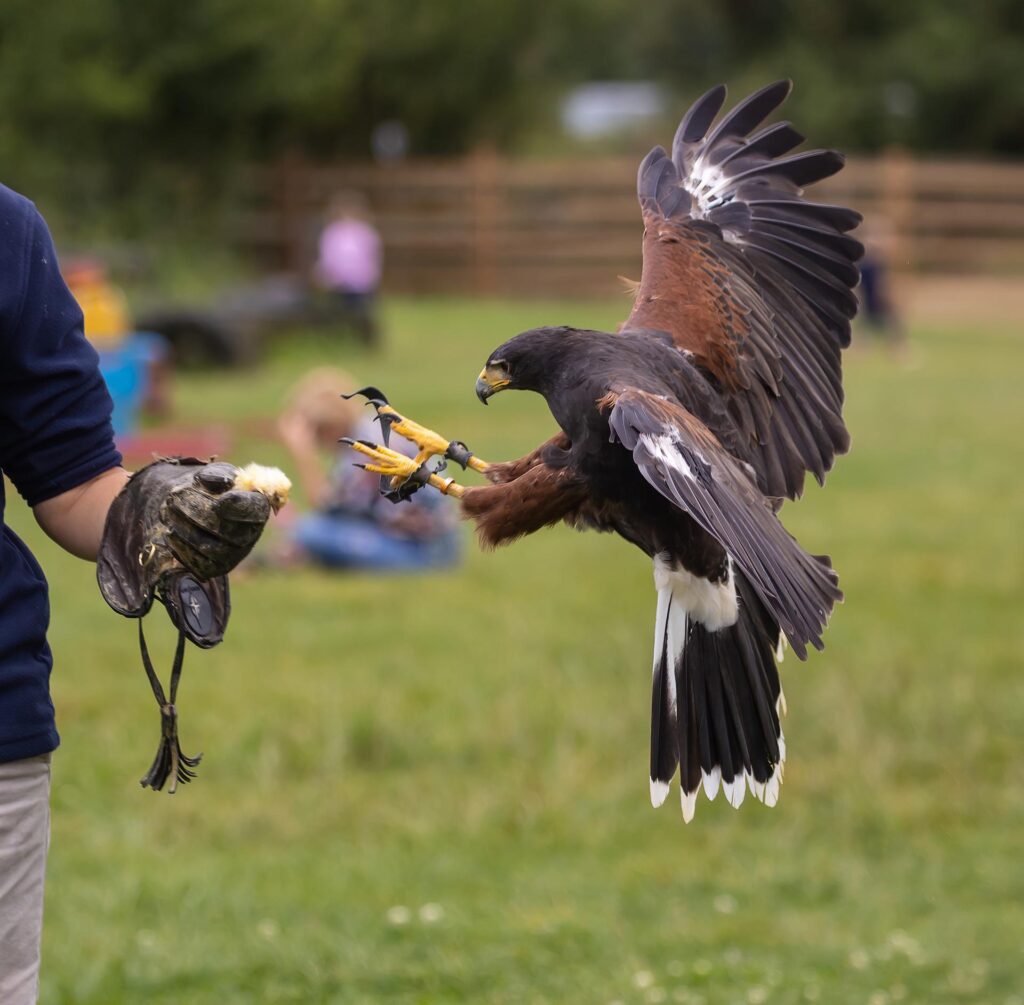
Falcons are frequently drawn to places with a lot of available prey. As a result, you must offer falcons a reliable source of food if you want them to visit your garden. Installing a bird feeder and stocking it with top-quality bird seed is one approach to achieve this. Another choice is to set up a pet bowl in a sunny area of your yard with fresh water in it. If you have a pet rabbit or other small mammal, you might wish to keep it inside or in a safe enclosure because falcons are also drawn to live prey. Also, it is essential to provide perches for falcons so they can scan the area for probable prey. You can entice falcons to your garden and give them a plentiful food source by taking these actions.
How long can a falcon survive without eating?
The answer depends on some factors, including the type of falcon, the weather, and the availability of prey. In general, however, falcons can survive for several days without eating. Younger falcons, in particular, may need to eat more frequently than adults, as they have not yet built up a store of fat reserves. Additionally, cold weather can cause falcons to burn more energy in order to stay warm, further decreasing their ability to go without food. Ultimately, a falcon’s survival depends on its ability to find food. When prey is scarce, falcons may not be able to last more than a few days. However, a falcon could survive for weeks without eating in a good hunting ground with plenty of small mammals and birds.