
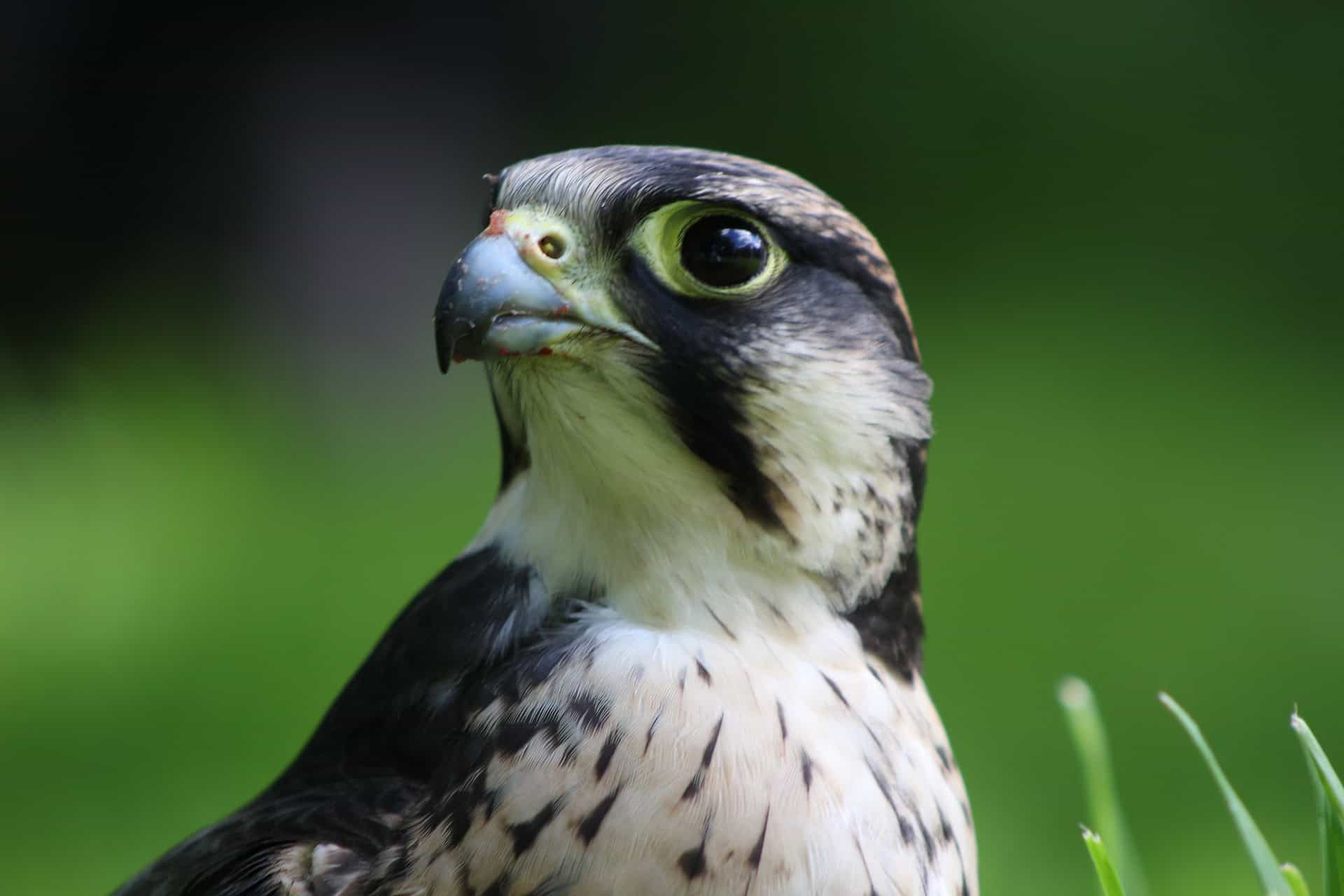
As a master falconer, I’ve come across a fascinating statistic that might surprise many beginners: did you know that there are over 60 species of falcons worldwide? When it comes to choosing the best falcon for beginners, it’s crucial to consider various factors. Each species offers unique characteristics that cater to different skill levels and preferences. Stay tuned to discover which falcon could be your perfect match as I go over the two easiest to work with that I have found over the years.
Choosing the Best Falcon Species
When contemplating the most suitable falcon species for beginners, the Lanner Falcon and American kestrel frequently emerge as top recommendations. These raptors are favoured for their manageable size, which renders them more convenient to handle and train in comparison to larger falcons. Moreover, their docile nature and reduced tendency towards aggression make them a safer choice for novice falconers to work with and form a bond.
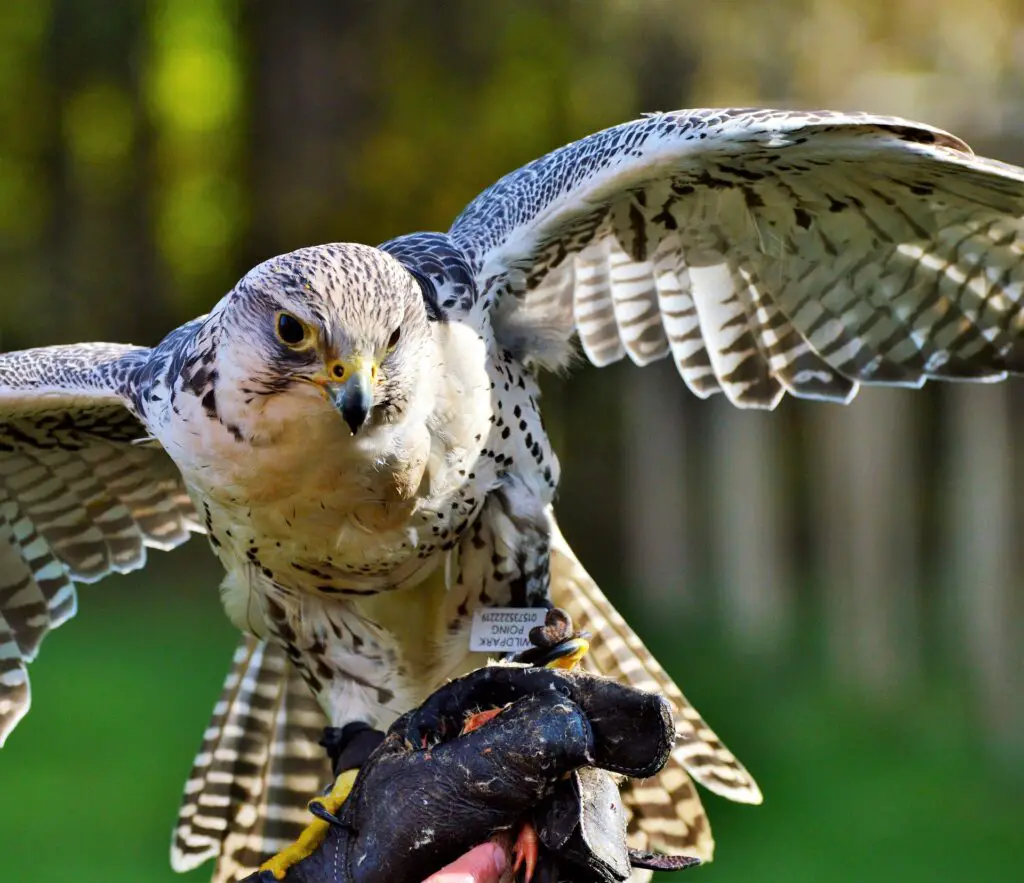
American Kestrel or Lanner Falcon are they Ideal for Beginners, and why?
When considering falcons for beginners, the American Kestrel and Lanner Falcon are two prominent choices. These species are often favoured due to their relatively small size and manageable temperaments, so here is some information, and I will let you make a choice as to which you prefer
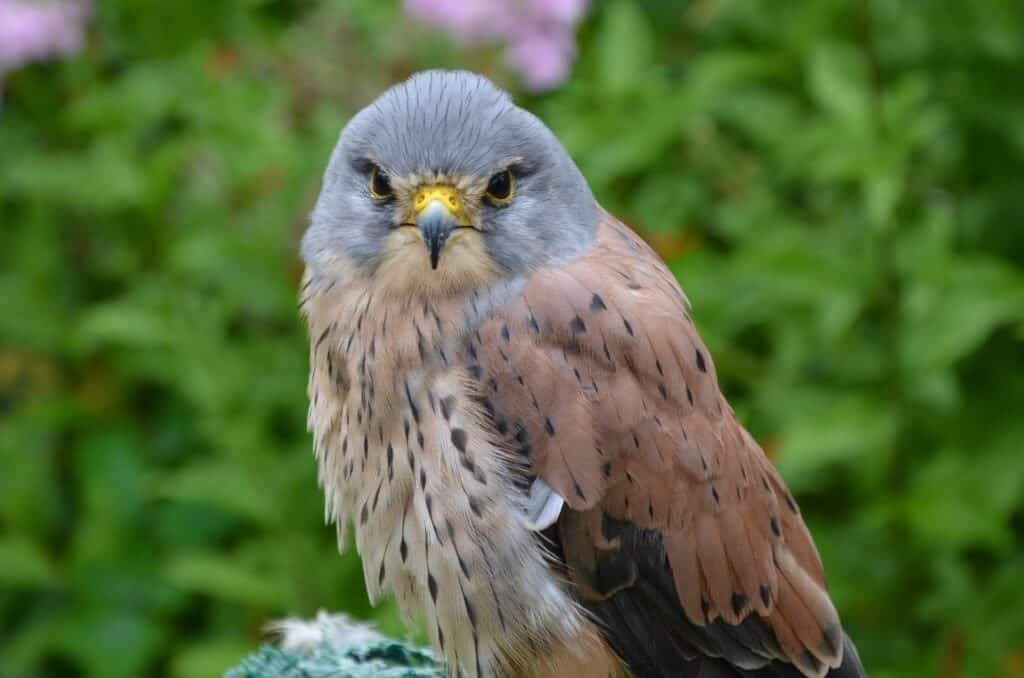
American kestrel
The American Kestrel is an excellent choice for beginners due to its small stature and remarkable adaptability. As the smallest falcon in North America, it is easier to manage for those new to falconry. This bird is known for its intelligence and willingness to partner with humans, displaying a demeanour that is both calm and compliant.
These traits make it less intimidating and more approachable for novices, as it requires a less strenuous physical commitment while training. Its vibrant plumage and graceful flight also offer an aesthetically pleasing introduction to the world of falconry.
Lanner falcon
On the other hand, the Lanner Falcon is a popular pick for beginners due to its amiable nature. This species is known for its intelligence and gentle temperament, making it easy to train and work with. Its size also falls into a manageable range for beginners, making it less intimidating compared to larger falcons. What sets this species apart is its incredible speed and agility, making it a preferred choice for hunting flying game. This can be a thrilling experience for beginners looking to develop their skills in falconry.
Factors Affecting Beginner Falconers’ Choice
Factors that influence beginner falconers in choosing their falcons include the bird’s temperament, hunting abilities, and ease of training.
Key Factors:
- Size Preference: Beginners often opt for medium-sized falcons for easier handling.
- Temperament Consideration: Choosing a calm and trainable bird is crucial for novices.
- Cost Factor: Initial investments and ongoing expenses impact decision-making.
- Handling Skills: Novices require birds that are forgiving of handling errors.
Training Ease and Learning Curve
The American Kestrel and Lanner Falcon stand out as quintessential species for novice falconers largely due to their trainability and the less steep learning curve they offer. Their small to medium size diminishes intimidation, making them less daunting for beginners to handle and manoeuvre. These birds possess a congenial temperament, which translates to a willingness to cooperate and form a partnership with the falconer.
This collaborative nature not only facilitates a smoother training process but also instils confidence in the novice. Furthermore, their intelligent and adaptable nature ensures they respond positively to training, making them forgiving of the inevitable mistakes novices make. Thus, they are excellent species for mastering the fundamentals of falconry in a supportive and less challenging environment.
Availability and Accessibility of Falcons for Beginners
The availability and accessibility of falcons are crucial considerations for novice falconers. Acquiring a bird that is both readily obtainable and legal to keep within one’s region is essential. Additionally, the ease of sourcing the necessary equipment and finding mentorship can significantly influence a beginner’s experience and success in falconry.
These factors ensure that newcomers have a smooth and welcoming introduction to the practice, avoiding disenchantment that may arise from logistical challenges. The American Kestrel and Lanner Falcon are both widely available in America, making them easily accessible for beginners to obtain and care for.
In conclusion, when considering the best falcons for beginners, choosing a species like the American Kestrel or Lanner falcon that are ideal for novice falconers due to their manageable size and temperament is important. Remember, “Rome wasn’t built in a day,” and patience and dedication are key to mastering the art of falconry. With the right guidance and commitment, beginners can embark on a rewarding journey with their feathered companions.
Frequently Asked Questions
Can Falcons be kept as indoor pets, or do they require outdoor aviaries?
- Falcons can be kept indoors with proper training, housing, and enrichment.
Are There Any Legal Considerations or Permits Required for Owning a Falcon as a Beginner Falconer?
- Permit requirements and legal restrictions for beginner falconers vary by location. Research local regulations and seek mentorship before owning a falcon.
How Do Falconers Typically Acquire Their First Falcon, and Are There Reputable Sources to Purchase From?
- When acquiring my first falcon, I sought reputable sources like experienced falconers or reputable breeders. Also, speak to your mentor and join associations and clubs online. People in there have some great contacts or deals.
Are There Any Specific Dietary Requirements or Health Considerations to Keep in Mind When Caring for a Falcon as a Beginner?
- The feeding habits of falcons are crucial; a balanced diet of fresh meat ensures their health. Regular check-ups and vaccinations are vital.