
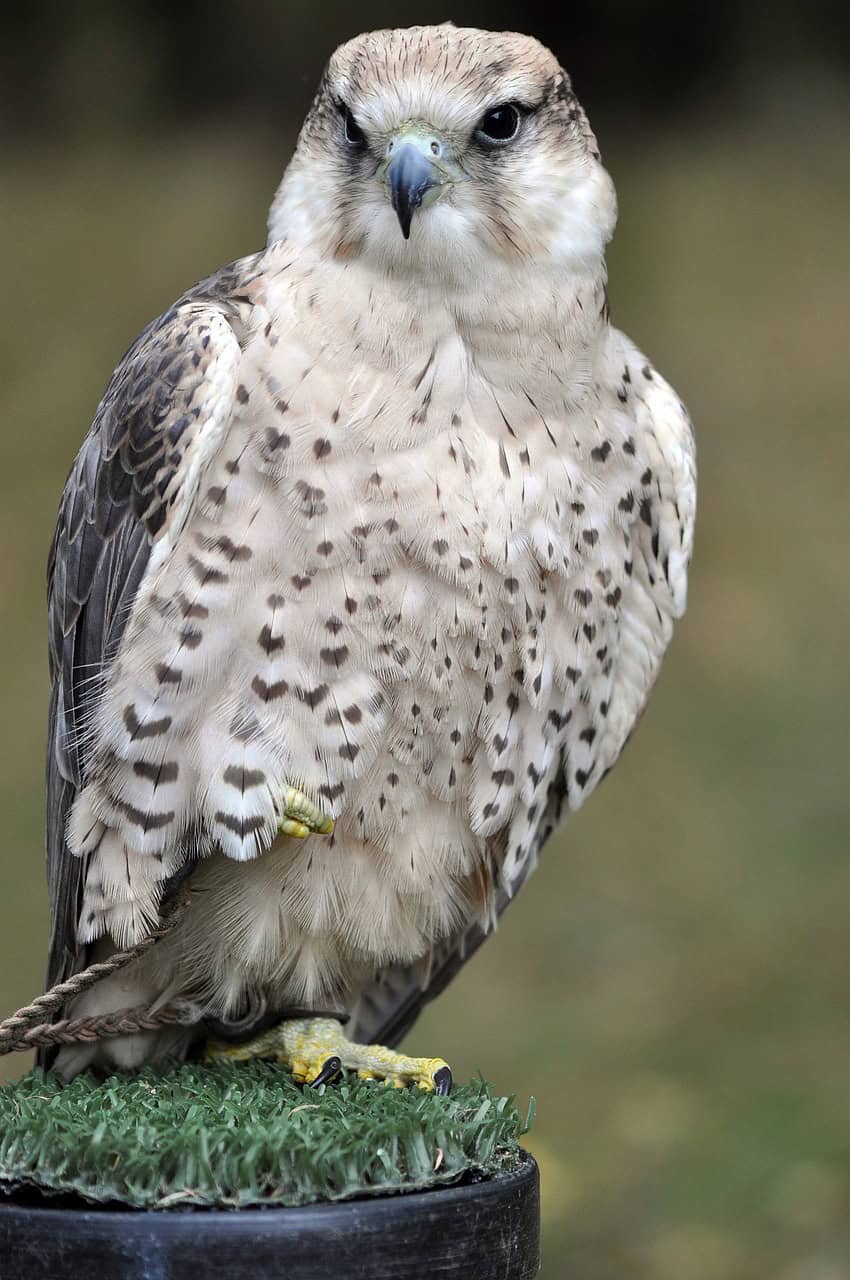
In falconry, an intriguing statistic reveals that approximately 60% of falcon deaths are attributed to disease. However, what are the specific ailments that plague these birds of prey? From lead poisoning to bacterial infections, falcons face a myriad of health challenges that can impact their well-being and performance. Understanding the most common diseases that affect falcons is crucial for their care and conservation in the world of falconry.
Lead Poisoning
Lead poisoning in falcons is a serious condition caused by the ingestion of lead-containing materials, such as lead pellets or contaminated prey. Symptoms of lead poisoning in falcons include weakness, weight loss, seizures, and difficulty breathing. To prevent lead poisoning, falconers should use non-lead ammunition and ensure that their birds are not exposed to lead-contaminated environments. Treatment options for lead poisoning in falcons may involve chelation treatment to remove the toxic metal from the bird’s body. The effects of lead poisoning on falcons can be severe, leading to organ damage, neurological issues, and even death if left untreated. Lead poisoning awareness campaigns are crucial to educate falconers and the public about the dangers of lead exposure to these magnificent birds.
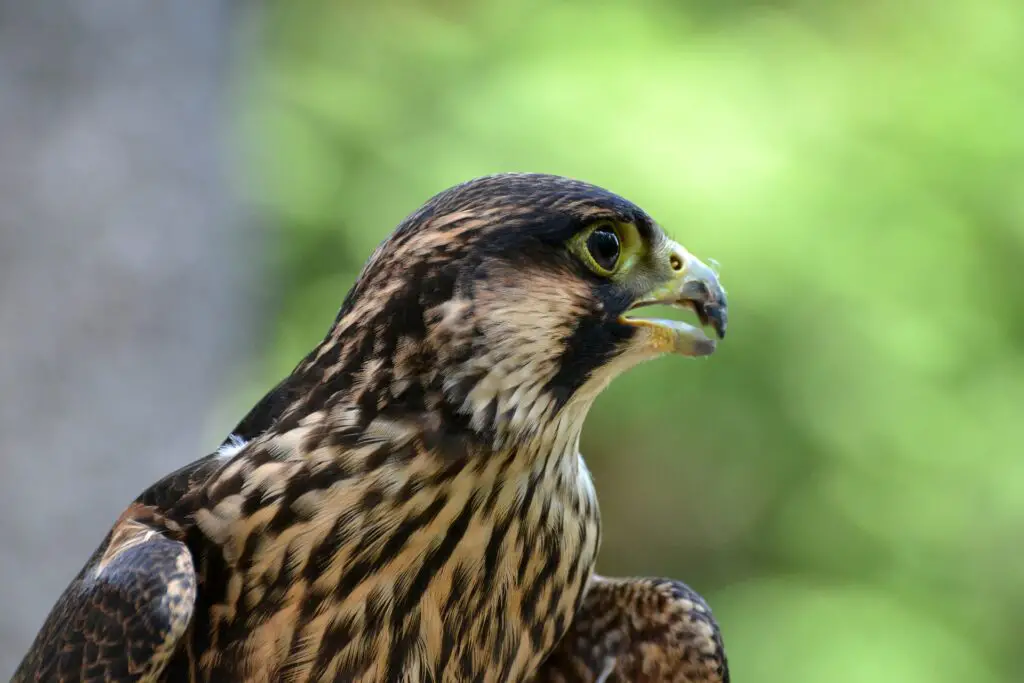
Bumblefoot
Bumblefoot is a common foot condition in birds of prey, characterized by the development of painful, swollen abscesses on the feet.
Bumblefoot Facts:
Bumblefoot Symptoms: Look for redness, swelling, and possible discharge on the bird’s feet.
Preventing Bumblefoot: Ensure proper perches, cleanliness, and a balanced diet to prevent this condition.
Bumblefoot Prevention Measures: Regularly inspect your bird’s feet and provide appropriate surfaces for perching.
Treating Bumblefoot: Consult a veterinarian for treatment options, which may include antibiotics, wound care, and possible surgical intervention.
Bumblefoot can be painful and debilitating for birds of prey, so early detection, prevention, and prompt treatment are crucial for their well-being.
Capillaria
Capillaria is a parasitic disease commonly found in birds of prey, caused by nematodes of the genus Capillaria that infect the respiratory and digestive tracts. Symptoms of Capillaria infestation in falcons include weight loss, decreased appetite, and respiratory issues. Treatment options typically involve anthelmintic medications prescribed by a veterinarian. To prevent Capillaria, maintaining a clean environment, regular deworming, and proper hygiene are crucial. The impact of Capillaria on falconry performance can be significant, leading to decreased hunting abilities and overall fitness. Transmission in falcon populations can occur through ingestion of contaminated food or water sources. Vigilance, regular check-ups, and preventive measures are essential in managing Capillaria infestations in falcons.
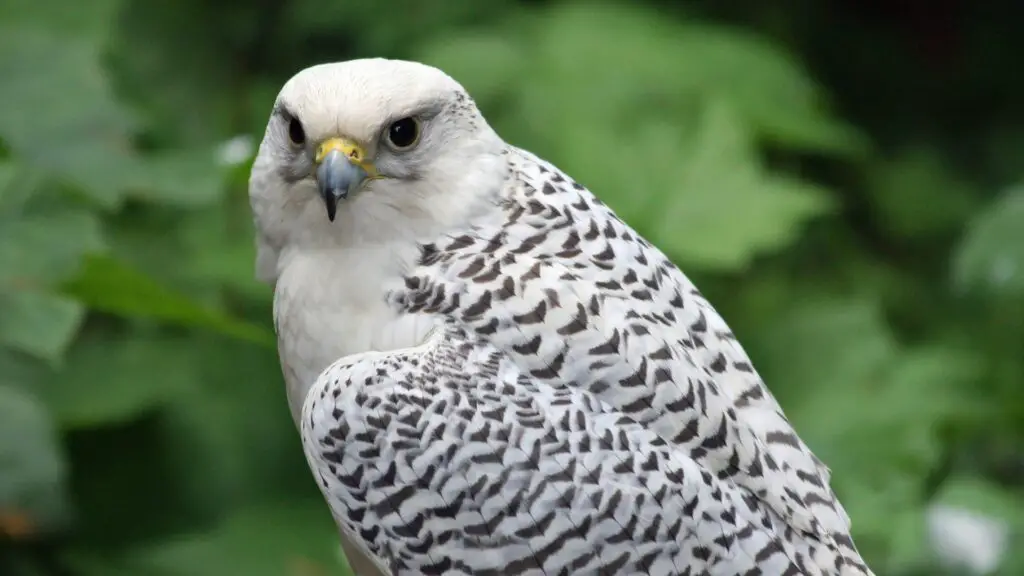
Coccidiosis
Coccidiosis is a parasitic disease affecting birds of prey, caused by protozoa of the genus Eimeria that primarily target the intestinal tract.
Key Points:
- Preventing coccidiosis outbreaks: Maintain clean living conditions and proper hygiene practices.
- Coccidiosis treatment options: Consult a veterinarian for appropriate medication like sulfonamides.
- Understanding coccidiosis transmission: It spreads through ingestion of contaminated food or water.
- Coccidiosis prevention strategies: Implement regular faecal exams and preventative medications.
Coccidiosis can lead to weight loss, diarrhoea, and dehydration in falcons. Therefore, vigilance in prevention, early detection, and treatment is crucial for maintaining falcon health.
Uropygial Gland (Preen Gland / Oil Gland)
The uropygial gland, commonly known as the preen gland or oil gland, plays a vital role in the health and maintenance of feathers in birds of prey, including falcons. Proper preen gland care is essential for falcons as this gland produces an oily substance that birds spread across their feathers during preening. This oil helps in waterproofing the feathers, keeping them flexible and sleek and enhancing flight performance. Maintaining the health of the preen gland is crucial for falcons, as any issues with this gland can lead to feather disorders and impact the bird’s ability to fly effectively. Regular maintenance of the preen gland ensures that falcons can continue to benefit from the protective and conditioning properties of the oil they secrete.
Trichomoniasis
Trichomoniasis is a protozoan infection commonly found in birds of prey, including falcons.
- Trichomoniasis Prevention Strategies: Maintaining clean and sanitized water sources will help prevent the spread of the disease.
- Managing Trichomoniasis Outbreaks: Isolating infected birds and providing supportive care can help contain outbreaks.
- Trichomoniasis Transmission Risks: Birds can contract the infection through contaminated food, water, or direct contact with other infected birds.
- Trichomoniasis Treatment Options: Veterinarians may prescribe medications like metronidazole to treat infected birds.
Understanding Trichomoniasis Symptoms is crucial, as early detection can lead to better treatment outcomes. Symptoms may include lethargy, weight loss, regurgitation, and difficulty swallowing.
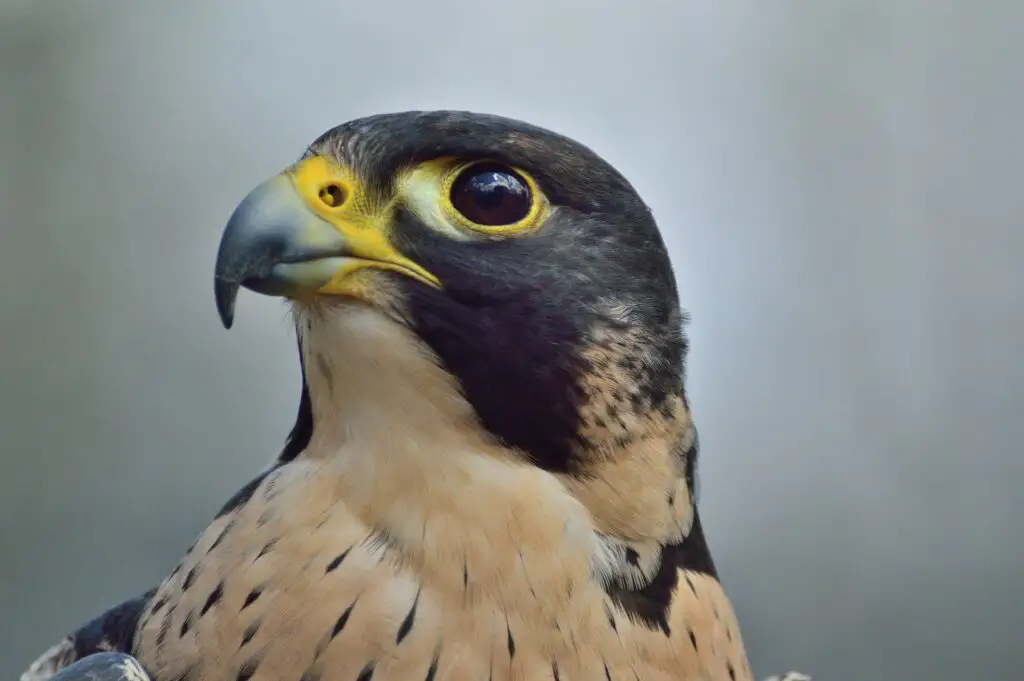
Newcastle Disease (Epilepsy)
Epilepsy, also known as Newcastle Disease, is a highly contagious viral infection affecting a wide range of bird species, including falcons. Symptoms of Newcastle Disease in falcons include respiratory distress, greenish diarrhoea, and nervous signs like tremors and seizures. Managing seizures in falconry birds involves providing a calm environment, reducing stress, and avoiding sudden movements. Treatment options for Newcastle Disease are limited, focusing on supportive care like fluids, nutrition, and warmth. Preventing epilepsy in falcons includes vaccination against the virus and strict biosecurity measures. Understanding the impact of Newcastle Disease on falconry practices is crucial, as outbreaks can lead to significant losses in falcon populations and affect the sport’s sustainability.
Aspergillosis
Aspergillosis poses a significant threat to falcons in falconry, being a fungal infection caused by the inhalation of Aspergillus spores commonly found in the environment.
Key Points:
- Common Symptoms:
– Respiratory distress
– Wheezing
– Nasal discharge
– Lethargy
- Prevention Methods:
– Good ventilation in housing
– Regular cleaning of equipment
– Monitoring environmental conditions
– Proper diet to maintain a strong immune system
- Treatment Options:
– Antifungal medications
– Supportive care to boost falcon’s immune response
- Long Term Effects:
– Chronic respiratory issues
– Reduced hunting performance
Aspergillosis requires prompt diagnosis and treatment to prevent long-term complications and preserve the falcon’s health and performance in falconry.
Lungworms – Serratospiculum spp
Lungworm infection in falcons, caused by Serratospiculum spp, can lead to respiratory issues, impacting the bird’s health and hunting abilities. Preventing lungworms involves maintaining clean environments to reduce exposure. Recognizing symptoms like coughing, wheezing, and weight loss is crucial. Treating Serratospiculum infection typically requires deworming medications prescribed by a qualified avian vet. Understanding the lungworm life cycle helps in implementing effective control strategies. Regular vet check-ups are essential for early detection and monitoring. By following preventive measures, being vigilant for symptoms, seeking prompt treatment, and staying proactive with veterinary care, falconers can help safeguard their birds from the detrimental effects of lungworm infections.
Avian Pox Virus
The Avian Pox Virus is a highly contagious disease affecting birds, including falcons, characterized by the formation of wart-like growths on the skin and mucous membranes.
Key Points:
- Prevention methods: Minimize exposure to infected birds and mosquitoes.
- Transmission routes: Direct contact with infected birds or contaminated surfaces, as well as mosquito bites.
- Treatment options: There is no specific treatment, but supportive care, isolation, and good nutrition can help the falcon recover.
- Common symptoms: Wart-like growths, lesions on skin and mucous membranes, reduced appetite, and sometimes respiratory distress.
- Impact on falconry practices: Infected falcons may experience decreased performance, requiring rest and rehabilitation before returning to hunting.
Poxvirus
In falconry, the Poxvirus presents as a viral infection that can affect birds, including falcons, causing characteristic skin lesions and impacting their overall health and performance. To prevent Poxvirus, maintaining good hygiene practices, minimizing exposure to infected birds, and implementing biosecurity measures are crucial. This virus spreads through direct contact with infected birds or contaminated surfaces. Treatment options include supportive care, such as providing proper nutrition, hydration, and isolation to prevent spread. Poxvirus significantly affects falconry by reducing the affected bird’s hunting abilities and overall well-being. Researchers are continually studying Poxvirus to improve prevention strategies, develop more effective treatments, and understand its impact on falconry practices better.
Escherichia coli
Escherichia coli, a common bacterial infection in falconry, can lead to symptoms such as diarrhoea, lethargy, and decreased appetite in birds.
Key Points:
- Prevention methods: Ensure clean housing and water sources, practice good hygiene, and avoid feeding raw meat.
- Treatment options: Consult a veterinarian for appropriate antibiotics and supportive care.
- Transmission risks: Birds can contract E. coli through contaminated food, water, or exposure to infected faeces.
- Common symptoms: Diarrhea, lethargy, decreased appetite, and potential dehydration.
Escherichia coli poses a significant threat to falconry birds, impacting their health and performance. Vigilant monitoring, prompt treatment, and preventive measures are crucial to safeguarding the well-being of falcons.
Bacterial infections
Moving from Escherichia coli, bacterial infections in falconry can encompass a range of pathogens that pose risks to the health of birds, requiring vigilant monitoring and prompt intervention. These infections can manifest with respiratory symptoms like sneezing, nasal discharge, and difficulty breathing. Transmission methods include exposure to contaminated food, water or contact with infected birds. Antibiotic treatment is often necessary, with specific antibiotics prescribed based on the identified bacteria through culture and sensitivity testing. Prevention strategies involve maintaining a clean environment, regular health check-ups, and quarantine measures for new birds. Complications of bacterial infections in falcons can lead to systemic illness, organ damage, and even death if not promptly addressed. Early detection and proper management are crucial in mitigating the impact of bacterial infections in falconry.
In conclusion, falconers must be aware of the most common diseases that can affect falcons in falconry. By staying informed or taking preventative measures, such as regular check-ups and proper hygiene practices, we will ensure the health and well-being of these magnificent birds. Remember, a healthy falcon is a happy hunting partner. So, stay vigilant and proactive in protecting your feathered friend from potential health risks. After all, prevention is always better than cure.
Frequently Asked Questions
Can Falcons Be Vaccinated Against Any of These Common Diseases?
- Certainly! Falcons can be vaccinated against some common diseases. Vaccine effectiveness varies, but it’s crucial for disease prevention.
Are There Any Natural Remedies or Preventative Measures That Can Help Protect Falcons From These Diseases?
- To protect falcons, I recommend natural remedies like herbal supplements, proper hygiene practices, and adjusting environmental factors.
How Do Falconers Typically Diagnose and Treat Lead Poisoning in Falcons?
- When diagnosing and treating lead poisoning in falcons, falconers typically rely on veterinary care for diagnostic tests. Prevention methods include minimizing lead exposure from environmental factors.
Are There Any Specific Breeds or Species of Falcons That Are More Susceptible to These Diseases?
- Certain breeds, like Peregrine Falcons, may exhibit genetic predisposition to certain diseases. Environmental factors, diet influence, and age susceptibility can also play a role.