
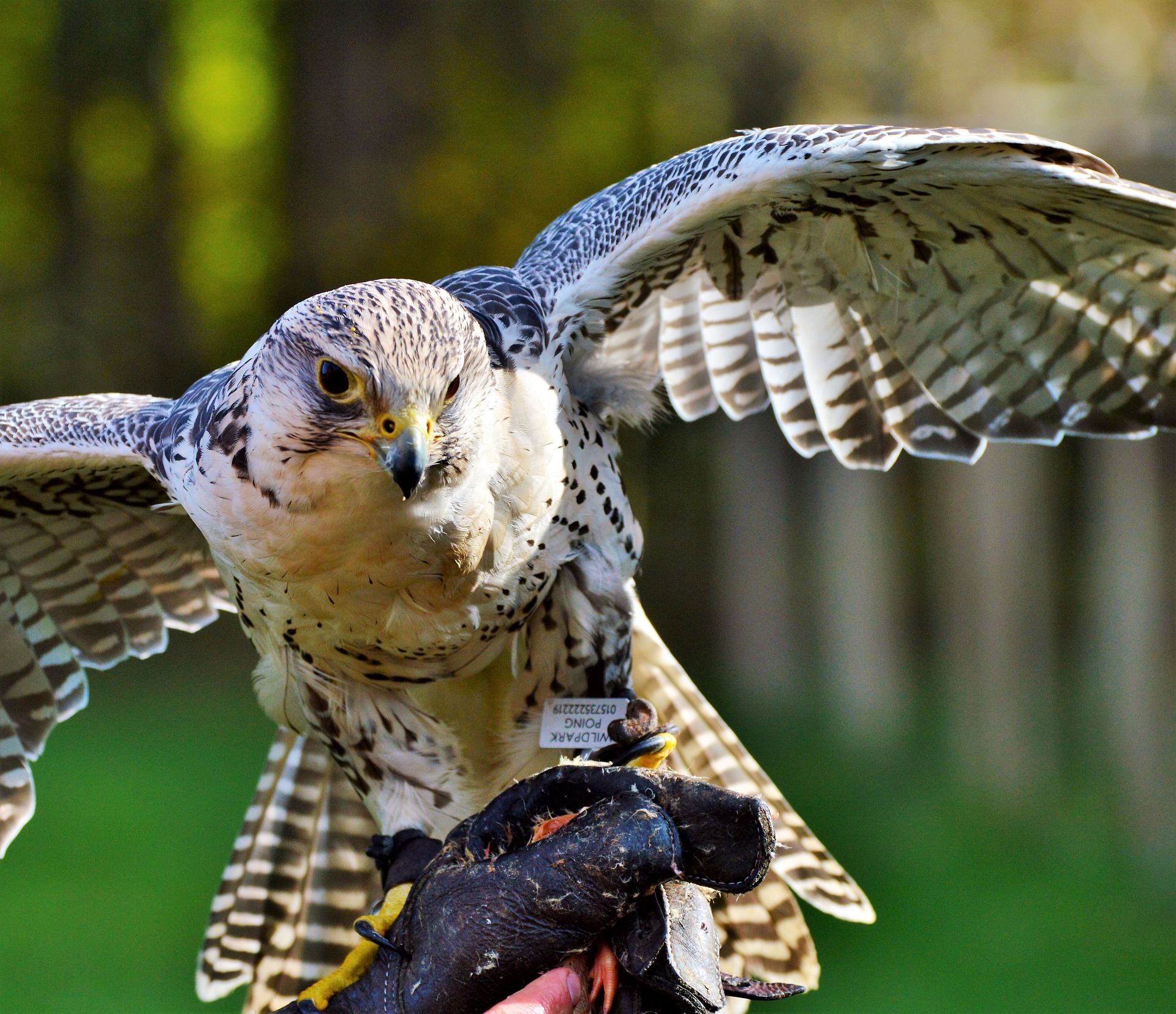
By chance, have you ever wondered what us falconers feed our falcons? The diet of these raptors is crucial for their health and performance. From understanding their specific nutritional requirements to sourcing and preparing prey items, there’s a lot that goes into ensuring that falcons receive a balanced diet. But what exactly do these birds of prey eat? Read on to discover the fascinating world of falcon feeding practices and the diverse diet that sustains these aerial hunters.
What foods do falconers provide for their falcons?
Falconers provide a variety of foods to ensure their falcons receive a well-balanced diet essential for optimal health and performance. Understanding the falcon’s hunting techniques and food preferences is crucial, but here is what I feed my falcons
- Whole Prey Items: Include mice and quail, offering complete nutrition with fur for digestion.
- Chicks: Day-old chicks provide a cost-effective, nutritious meal option.
- Commercially Prepared Diets: Specially formulated for balance, ensuring all essential nutrients are met.
- Supplements: Used to bolster the diet, often addressing specific nutritional deficits.
- Offal and Giblets: Rich in nutrients, they mimic a natural diet’s organ content.
- Insects and Reptiles: Serve occasionally as a natural prey variety for falcons in captivity.
- Fish: A non-traditional item given to falcons with a taste for aquatic prey.
- Homemade Diet Mixes: Crafted with care to mimic the birds’ wild dietary habits.

Nutritional Requirements of Falcons
To ensure the peak health and performance of falcons, falconers must pay meticulous attention to meeting the specific nutritional requirements of these majestic birds through a carefully balanced diet. Falcons thrive on high-quality protein sources, such as lean meats and poultry, providing them with the necessary nutrients for energy and muscle strength. Incorporating a moderate fat content in their diet ensures a sustainable source of energy for their active lifestyle. Additionally, essential vitamins like A, D, and E play a crucial aspect in maintaining their overall health and immune system.
Falcons also benefit from essential minerals like calcium and iron, which support their bone health and oxygen transport in the body. Adequate hydration levels are essential to ensure proper metabolic functions and overall well-being of these magnificent birds.
Preparation and Sourcing of Prey Items
Preparation and sourcing of prey items for falcons is a task that demands attention to detail to emulate a natural diet. Falconers typically source prey from reputable suppliers who provide ethically raised and humanely dispatched quarries.
The prey, often frozen to preserve freshness, is thawed to room temperature before being presented to the falcon to prevent digestive issues. Portioned according to the falcon’s species and size, the meal may sometimes include feathers or fur to aid in the regurgitation of indigestible parts forming pellet castings. For falconers choosing to provide live prey, adherence to wildlife regulations and ethical considerations is paramount. Whether opting for commercially prepared meals or natural whole items, falconers take great care to ensure their birds of prey receive nutritionally complete and safe meals.
Commercial Diets for Falcons
Exploring the dietary needs of falcons involves analyzing the efficacy of commercial diets designed specifically for these birds. Feeding schedules, food variety, dietary balance, nutrient absorption, and health implications are crucial factors to consider. Commercial diets provide controlled nutrition, ensuring essential vitamins and minerals for optimal health. However, monitoring intake is vital to prevent deficiencies or excesses. Balancing commercial diets with natural prey can enhance overall nutritional quality and mimic their wild diet effectively.
Supplementation in Falcon Diets
Analyzing the nutritional requirements of falcons reveals the importance of supplementation in their diets to ensure optimal health and performance. Dietary supplements, such as those rich in protein sources and essential vitamins, play a crucial role in meeting falcons’ specific needs. Maintaining a balanced nutrient intake, following a structured feeding schedule, and monitoring vitamin levels are key factors in supporting the overall well-being and performance of these magnificent birds.
Feeding Practices and Frequency
Feeding falcons is a meticulous process that involves meticulously selecting prey items rich in essential nutrients to meet their dietary needs and uphold peak health and performance levels. Falconers carefully consider the frequency of feeding, ensuring it aligns with the bird’s natural hunting behaviour.
Training rewards are frequently linked to feeding sessions, assisting in weight management efforts. Adherence to strict feeding schedules is crucial to upholding the falcon’s fitness levels and readiness for hunting expeditions. The balanced diet provided through conscientious feeding practices plays a vital role in the overall well-being and prowess of these majestic birds of prey.
In summary, we falconers carefully select and provide a variety of prey items to meet the nutritional requirements of our falcons. From sourcing live prey to offering commercial diets and supplements, falconers ensure their birds receive a balanced and healthy diet. Like a well-oiled machine, the feeding practices and frequency are crucial in maintaining the health and performance of these majestic birds of prey.
Frequently Asked Questions
Can Falconers Feed Their Falcons Live Prey, or Do They Always Feed Them Already Prepared Food?
- I choose to feed my falcon live prey or prepare food. Live prey supports natural hunting instincts. Prepared food ensures prey size, nutritional balance, and convenience. I adjust the diet based on age and activity level.
Do Falconers Need to Adjust Their Falcon Diet Based on the Bird’s Age or Activity Level?
- Adjusting a falcon’s diet is crucial. Age-appropriate meals and varied portions based on activity levels are key.
Are There Any Specific Foods That Falconers Should Avoid Feeding Their Falcons?
- Avoid feeding falcon foods high in fat, sugar, or salt. Stick to a balanced diet of natural prey, with occasional nutritional supplements.
How Do Falconers Ensure That Their Falcon Is Getting Enough Hydration in Their Diet?
- To ensure proper hydration levels, I monitor my falcon’s water consumption closely. I adjust the feeding schedule and include a variety of foods rich in nutrients. Additionally, I provide necessary supplements to support digestion and overall health.
Do Falconers Need to Consult With a Veterinarian or Nutritionist to develop a Balanced Diet Plan for Their Falcon?
- I consult with a veterinarian to ensure my falcon’s diet is balanced. We discuss dietary supplements, balancing proteins and fats, fresh vs. frozen food options, nutritional requirements for growth, and monitoring weight and body condition.