
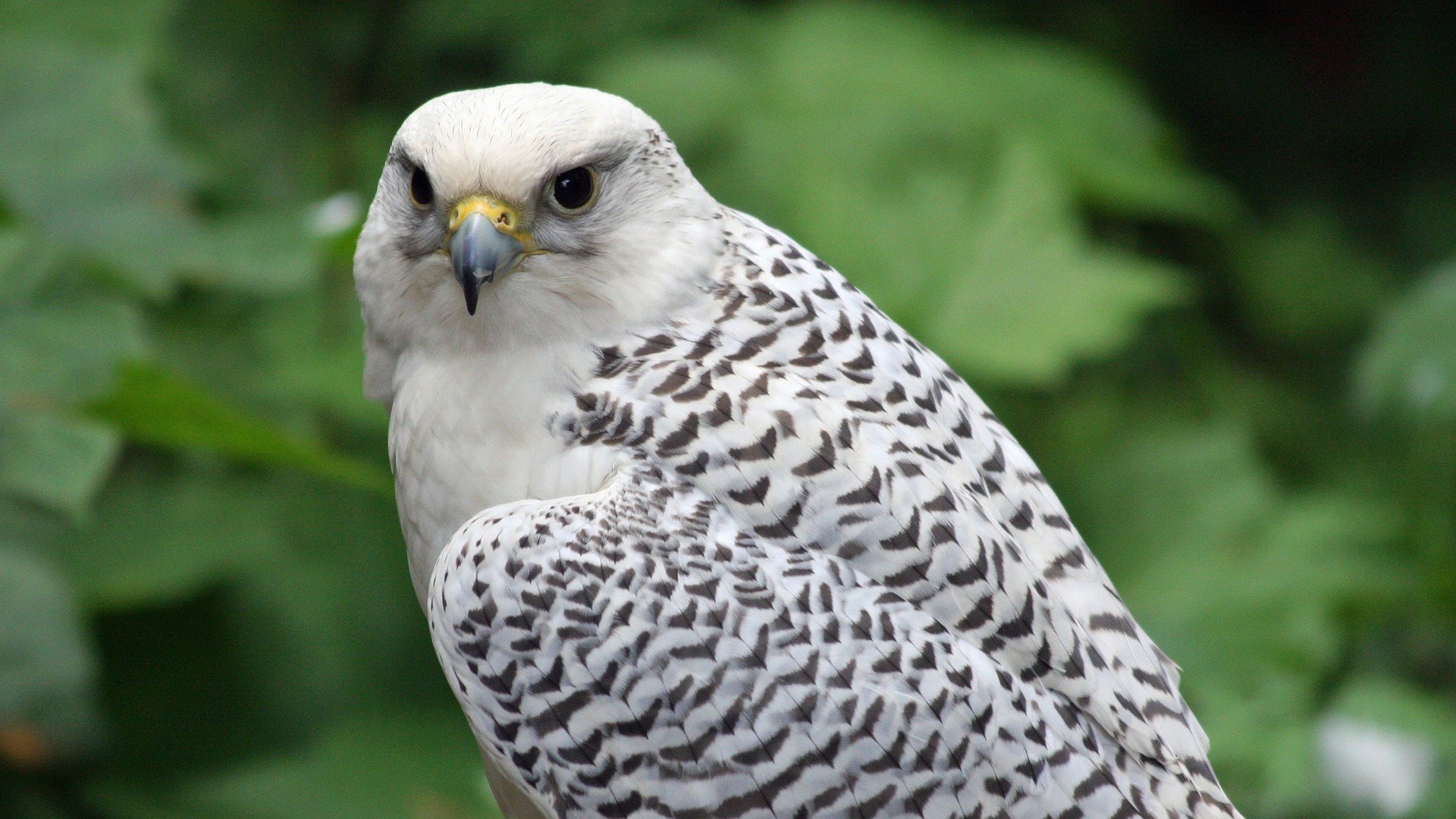
I once had the privilege of working with a majestic Gyrfalcon in my early days of falconry training. These birds of prey are fascinating creatures with incredible hunting abilities. However, as I delved deeper into the world of falconry, I discovered a variety of falcons utilized for this ancient art. Each falcon brings its unique set of skills and challenges to the table, making the choice of which one to work with a crucial decision for any aspiring falconer. In the realm of falconry, the selection of the right falcon can truly make or break the entire experience.
What is the easiest falcon to start falconry?
When considering the easiest falcon to start falconry, the American kestrel stands out as an excellent choice due to its size, temperament, and adaptability to training. Falconry basics, training techniques, and equipment needed are simplified with this bird. Their hunting skills are impressive, and bonding with your falcon is easier due to their social nature, making the American kestrel a perfect starting point for aspiring falconers.
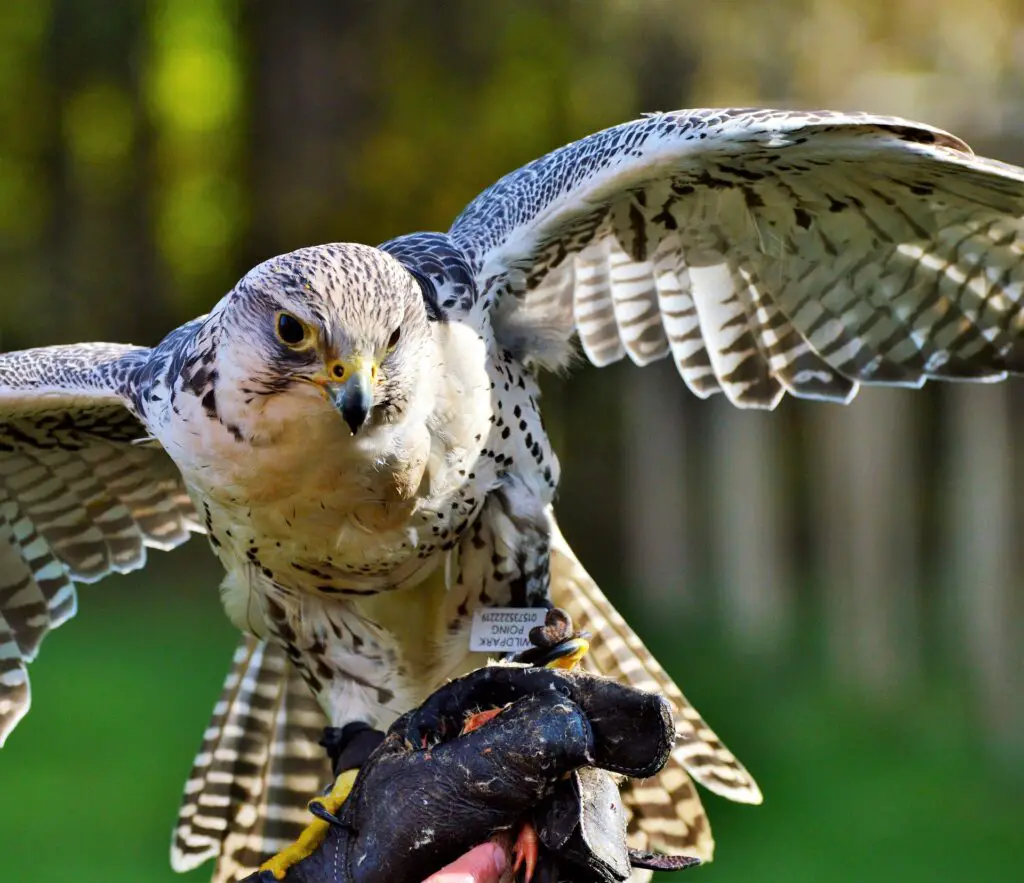
Types of falcons used in falconry
In my experience, the most common types of falcons used in falconry are the:
- Peregrine Falcon – Falco peregrinus
- American Kestrel – Falco sparverius
- Lanner Falcon – Falco biarmicus
- Aplomado Falcon – Falco femoralis
- Prairie Falcon – Falco mexicanus
- European Kestrel – Falco tinnunculus
- Merlin – Falco columbarius
- Saker Falcon – Falco cherrug
- Gyrfalcon – Falco rusticolus
Peregrine Falcon – Falco peregrinus
Renowned for their incredible speed, Peregrine Falcons (Falco peregrinus) are a popular choice in falconry due to their breathtaking stoop, where they dive after prey at speeds over 200 mph. Their keen eyesight, remarkable agility, and widespread availability make them highly valued by falconers worldwide.
Lanner Falcon – Falco biarmicus
The Lanner Falcon (Falco biarmicus) is coveted for its graceful flight and adeptness at mid-air manoeuvres. These medium-sized raptors possess great stamina and are often preferred in falconry for their cooperative nature. They thrive in a pursuit flight rather than a high-speed dive, making them suitable for hunting game birds. Their willingness to return to the falconer makes them particularly appealing to those involved in the sport.
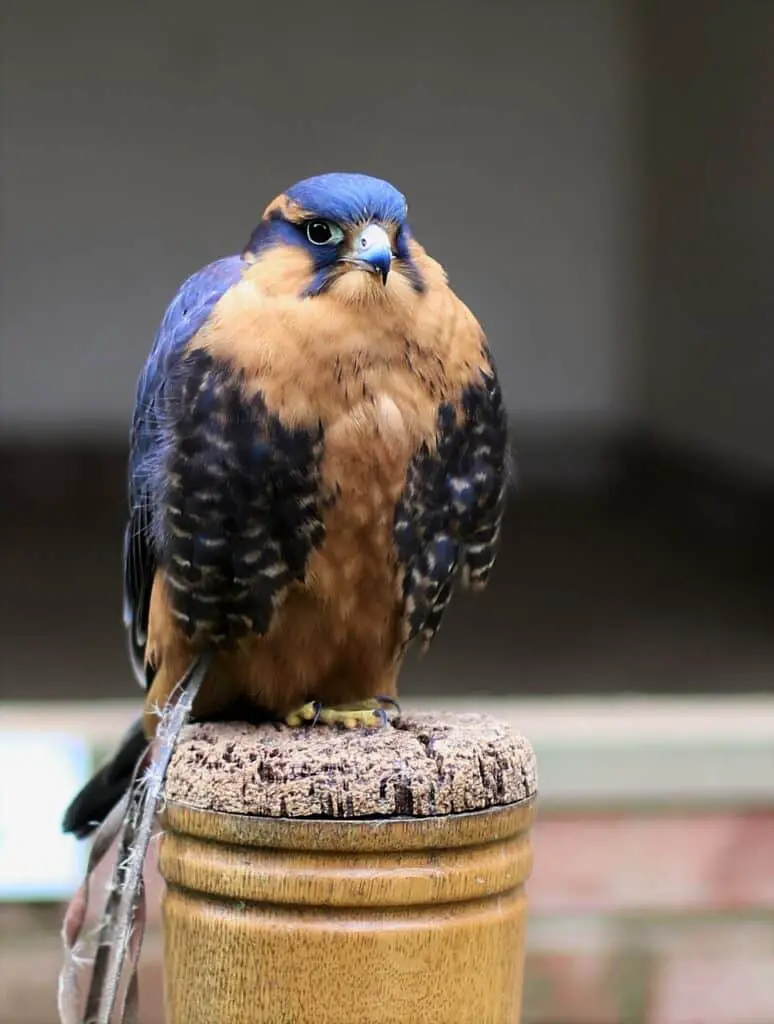
Aplomado Falcon – Falco femoralis
With a striking appearance and agile hunting prowess, the Aplomado Falcon, scientifically known as Falco femoralis, stands out as a favourite among falconers for its unique characteristics in the world of falconry. Known for its acrobatic flight and swift hunting techniques, the Aplomado Falcon presents training challenges due to its independent nature. However, with patience and proper training methods, this falcon can be a satisfying hunting partner.
Prairie Falcon – Falco mexicanus
The Prairie Falcon (Falco mexicanus) is a robust, versatile raptor, ideal for falconry. It displays keen hunting instincts and is renowned for its endurance and powerful flight. Often found in the open country, this falcon utilizes its speed and agility to hunt over large areas, making it a popular choice for falconers seeking a bird suited for pursuing ground quarry like hares and jackrabbits. Its hardy nature and adaptability to different terrains make it highly valued by sports enthusiasts.
European Kestrel – Falco tinnunculus
In European falconry circles, the European Kestrel, Falco tinnunculus, stands out for its exceptional hunting prowess and adaptability. Kestrel care involves providing proper housing, a nutritious diet, and regular health checks. Training methods focus on building trust through positive reinforcement. Hunting techniques include hovering and diving for prey. Conservation efforts aim to protect kestrel habitats. Falconry history showcases the kestrel’s historical significance in falconry practices.
Merlin – Falco columbarius
Merlins (Falco columbarius), or “pigeon hawks” as they’re sometimes known, are small yet bold raptors favoured in falconry for their spirited hunting nature. These compact falcons are agile fliers capable of taking down prey larger than themselves, such as small waterfowl and songbirds. Their tenacity and relative ease of training make them particularly suitable for beginners in falconry, while their energetic flight commands respect from seasoned falconers. Merlins excel in open fields, where their pursuit flights showcase their determination and adept flight skills.
Saker Falcon – Falco cherrug
The Saker Falcon (Falco cherrug) is esteemed for its formidable size and powerful flight. Notable for its endurance and versatility, it is often employed in falconry for its ability to hunt in diverse environments, from arid deserts to grasslands. It’s particularly suited for taking larger quarries such as hares and game birds. Falconers value the Saker for its strength, trainability, and the challenge it presents in mastering the art of falconry with such a dominant bird.
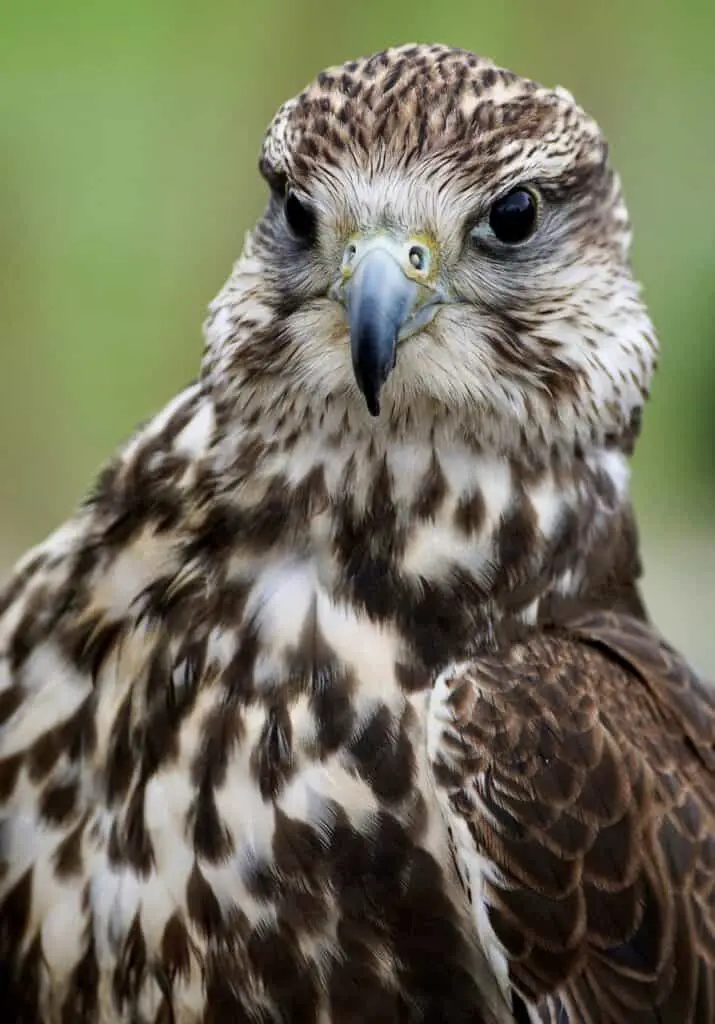
Gyrfalcon – Falco rusticolus
The Gyrfalcon, Falco rusticolus, is the largest falcon species and is highly revered in the falconry world for its powerful build and remarkable hunting capabilities. These majestic birds are preferred for their high-speed pursuits in cold climates and their ability to tackle larger prey, such as waterfowl and ptarmigans. Their incredible resilience and adaptability to harsh environments make them suitable for falconers seeking a challenging and prestigious raptor to train. Their status and prowess in falconry are unmatched, symbolizing both the heritage and the pinnacle of the sport.
Falconry offers a unique bond between falconers and their majestic companions. The thrill of working with falcons, such as the Peregrine or Kestrel, is unparalleled. Starting falconry with a cooperative and trainable falcon, like the American kestrel, can make the journey smoother. The experience of watching these incredible birds in action is truly breathtaking, making falconry an exhilarating adventure like no other.
Frequently Asked Questions
How Long Does It Take to Train a Falcon for Falconry?
- Training a falcon for falconry involves understanding falcon behaviour, using positive reinforcement training methods, teaching hunting techniques, and fostering a strong bond through trust, and it requires a significant time commitment. The process varies but generally takes months to years.
Can Any Falcon Species Be Used for Falconry, or Are There Specific Ones That Are Better Suited?
- Any falcon species isn’t ideal for falconry. Behavior analysis helps choose suitable ones. Training methods vary, and hunting techniques adapt to species.
Are There Any Specific Laws or Regulations That Need to Be Followed When Practicing Falconry?
- Permit requirements, training methods, conservation efforts, ethics, and welfare are crucial in falconry. To ensure compliance, I actively engage in the falconry community, staying informed and advocating for responsible practices within the sport.
How Much Does It Cost to Get Started in Falconry, Including Equipment and Training?
- Getting started in falconry entails a financial commitment to equipment, training, and permits. Costs vary but typically include a quality falconry glove, jesses, a hood, and a suitable perch.