
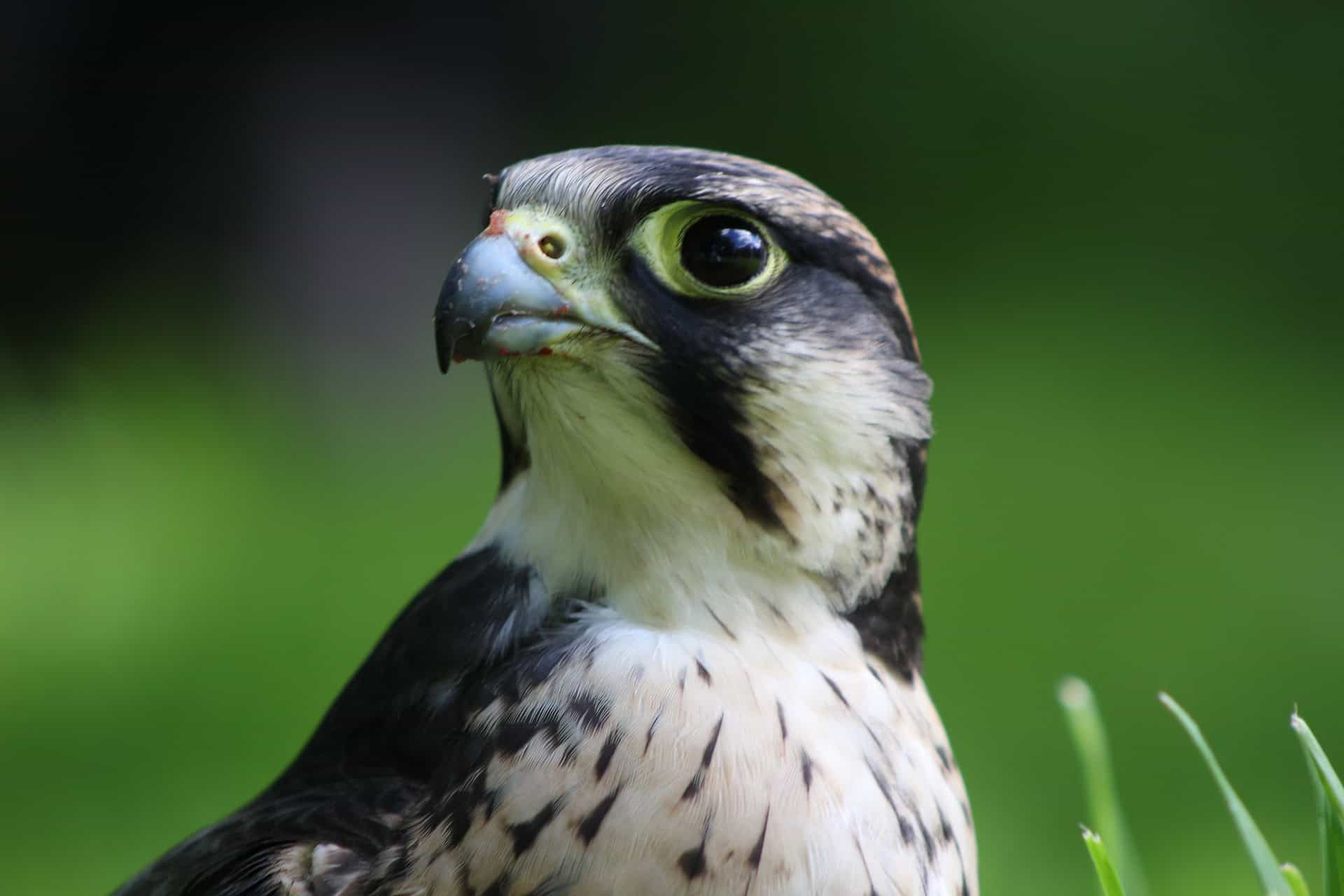
The Gyrfalcon holds the title of the largest falcon used in falconry, while the American Kestrel is known as the smallest. Understanding how these size differences impact their hunting abilities and prey selection, in my opinion, will provide fascinating insights into the world of falconry. From their diverse habitats to unique hunting styles, exploring the characteristics of these big and small falcons offers a glimpse into the intricate dynamics of falconry.
What is the largest falcon is falconry (Gyrfalcon)
Observing the Gyrfalcon in falconry reveals its status as the largest falcon species used in this practice. Falconry techniques with the Gyrfalcon require a deep understanding of its hunting habits and flight patterns due to its size and power. Training challenges with this majestic bird stemmed from its strong-willed nature, requiring a patient and experienced falconer to establish trust and obedience. Gear requirements for the Gyrfalcon are specialized to accommodate its larger size and strength, necessitating sturdy gloves and jesses for handling.
Health considerations are crucial, as the Gyrfalcon’s size makes it susceptible to joint issues and obesity if not exercised adequately. Compared to smaller falcons, behavioural differences in the Gyrfalcon include a more deliberate hunting style and a tendency to perch higher to survey its surroundings before striking. Working with the Gyrfalcon in falconry demands respect for its size, strength, and unique characteristics to form a successful partnership.

What is the smallest falconry used in falconry (American Kestrel )
Many beginner falconers choose a kestrel when starting their pursuit of falconry. When considering the American Kestrel for falconry, several key aspects need to be taken into account:
- Training Techniques: The American Kestrel requires patient and consistent training methods due to its size and delicate nature. Training should focus on positive reinforcement and building trust between the bird and the falconer.
- Feeding Requirements: Due to their small size, American Kestrels have high metabolic rates and need a diet rich in small insects, rodents, and sometimes small birds. Providing a varied diet is essential for their health and performance in falconry.
- Housing Needs: The housing for American Kestrels should be secure, well-ventilated, and provide ample space for flying within the enclosure. Special care should be taken to ensure their safety from potential predators.
Handling challenges with the American Kestrel include their delicate bones, requiring gentle handling techniques. Behavioural differences compared to larger falcons include their agility and quick movements, requiring falconers to adapt their training and hunting strategies accordingly.
How does the size difference affect the prey they can hunt.
The size difference between falcons directly influences the type and size of prey they can effectively hunt. Prey selection is a crucial aspect influenced by their size advantage. Larger falcons, like the Gyrfalcge, can take down larger prey such as other birds, ducks, and even mammals. On the other hand, smaller falcons, like the American Kestrel, have adaptation strategies that allow them to hunt smaller prey like insects, small rodents, and small birds.
Flight agility plays a vital role in hunting success for both large and small falcons. Larger falcons may rely more on speed and power to catch their prey, whereas smaller falcons might use their agility and manoeuvrability to outmanoeuvre and catch swift prey. Understanding these differences in prey selection and hunting strategies is essential for appreciating the diversity and effectiveness of falcons in falconry.

Habitat Preferences and Hunting Styles of Large vs. Small Falcons
In falconry, large and small falcons’ habitat preferences and hunting styles are distinct and tailored to their unique physical characteristics and prey preferences.
- Size Differences: Large falcons like the Gyrfalcon prefer open habitats such as tundra and cliffs, while small falcons like the American kestrel thrive in more closed habitats like woodlands and farmlands.
- Hunting Styles: Larger falcons rely on their speed, power, and visual acuity to hunt prey from a distance, while smaller falcons use their agility and swift movements to chase down and catch prey in close quarters.
- Prey Selection: Large falcons typically hunt medium to large-sized birds like ducks and grouse, utilizing their size and power to take down such prey. In contrast, small falcons primarily target smaller birds, insects, and rodents due to their smaller size and agility.
- Flight Capabilities: Large falcons are known for their high-speed dives and strong soaring abilities, allowing them to cover vast distances during hunts. Small falcons, on the other hand, excel in rapid manoeuvring and tight turns to catch agile prey in dense vegetation.
When it comes to training methods and equipment requirements, the differences in size and flight styles between large and small falcons necessitate unique approaches to ensure successful falconry experiences.
In conclusion, the size difference between the largest falcon, the Gyrfalcon, and the smallest falconry bird, the American Kestrel, greatly impacts the prey they can hunt. The Gyrfalcon’s larger size allows it to take down bigger prey, while the American Kestrel relies on its agility to catch smaller prey. Understanding these differences in habitat preferences and hunting styles can help falconers choose the right bird for their needs. But remember, in the world of falconry, size isn’t everything.