
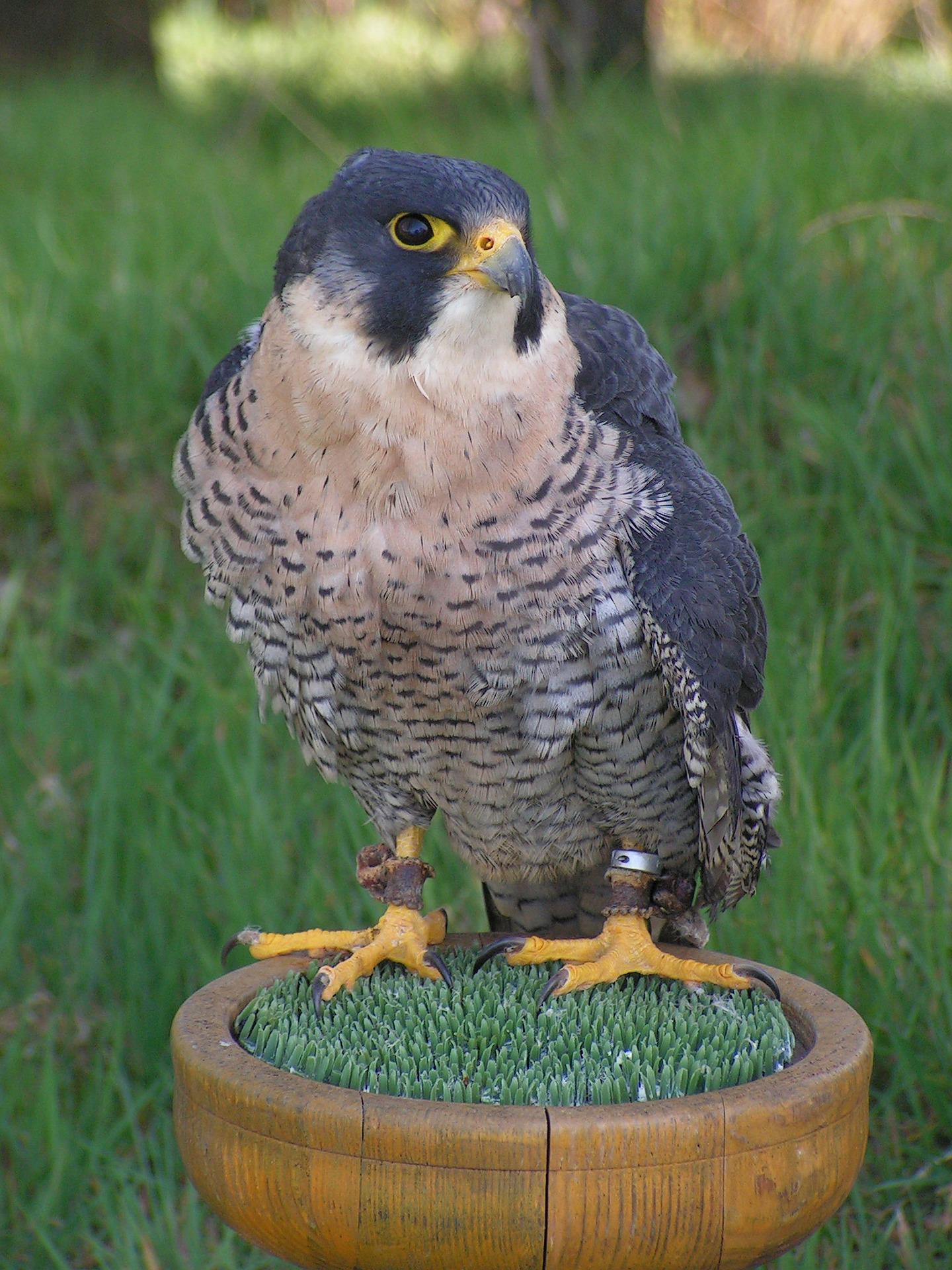
When considering which falcon is the easiest to breed in falconry, the answer may be more complex than one might think. Factors such as temperament, breeding conditions, and dietary needs all play a crucial role in the successful breeding of falcons. Understanding these elements is vital for anyone looking to embark on this rewarding journey. So, let’s explore the intricacies of falcon breeding and uncover some valuable insights that could make all the difference in your falconry endeavours.
Which falcon is the easiest to breed?
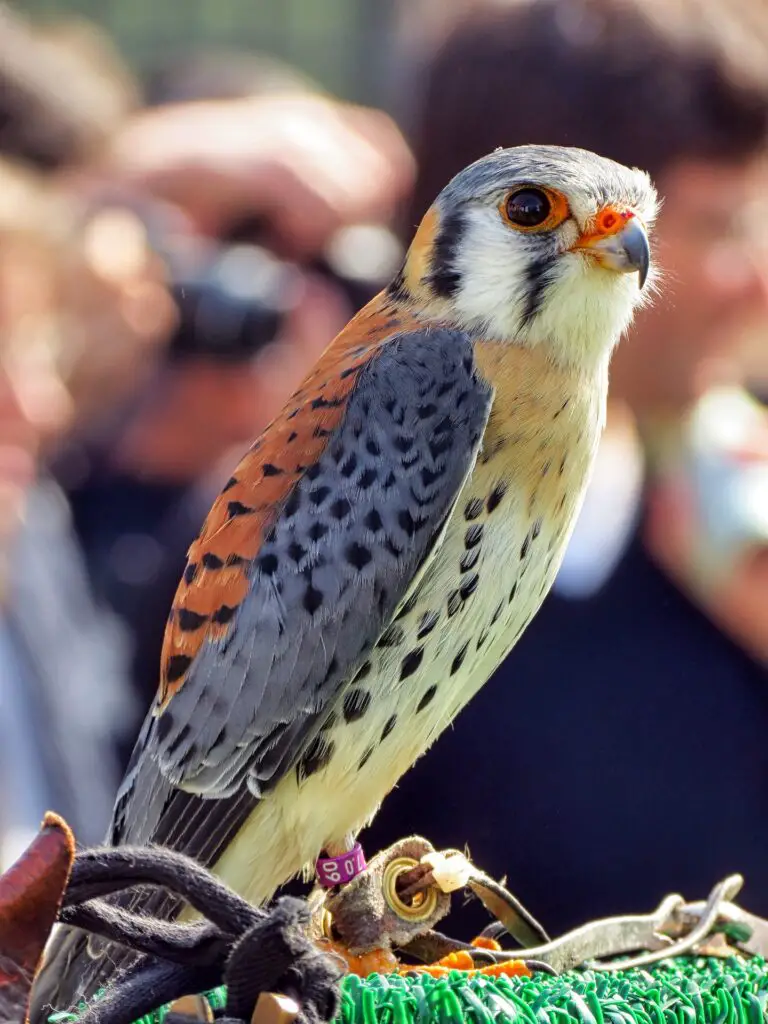
When considering the easiest falcon to breed in falconry, the American kestrel stands out as a popular and manageable choice. Its breeding success is notable due to its adaptability to various environments and breeding techniques. The breeding season for American kestrels typically begins in early spring, with courtship displays and nest site selection being common breeding behaviours observed during this time. Understanding the breeding behaviour of these falcons is crucial for successful reproduction. Providing a suitable breeding environment, such as nest boxes or platforms, is essential for encouraging nesting and breeding success. Overall, the American kestrel’s manageable size, adaptability, and breeding characteristics make it a favoured choice for falconers looking to breed these birds successfully.
A step-by-step guide on how to breed falcons
A step-by-step guide on how to breed falcons
Step 1: Choose a Suitable Breeding Pair: Research and select a compatible pair of falcons with a proven track record of successful breeding. Observe their health, temperament, and genetic history.
Step 2: Prepare Enclosures: Ensure that your breeding enclosures, whether they are mews or outdoor aviaries, are secure, clean, and spacious enough to allow for natural falcon behaviours.
Step 3: Install Nesting Sites: Set up appropriate nesting sites within the enclosures, such as ledges or nest boxes. These should mimic the falcon’s natural nesting preferences as closely as possible.
Step 4: Offer a Balanced Diet: Provide a nutritionally rich diet with adequate supplies of vitamins, protein, and calcium, essential for egg production and the overall health of the breeding pair.
Step 5: Monitor Health: Regularly check the falcons for signs of illness or distress and maintain up-to-date vaccinations and parasite control to ensure optimal health.
Step 6: Observe Courtship Behaviour: Allow the birds to undergo their natural courtship rituals, which include aerial displays, food exchanges, and copulation.
Step 7: Egg Incubation: Once eggs are laid, ensure they are incubated properly. This can be done naturally by the falcons or with the assistance of incubators to regulate temperature and humidity levels.
Step 8: Hatchling Care: After hatching, provide care for the chicks, which includes feeding, protection from extreme weather, and monitoring for developmental milestones.
Step 9: Fledging Support: Assist the young falcons as they learn to fly and hunt, a critical phase for their survival skills and independence.
Step 10: Record Keeping: Maintain detailed records throughout the breeding process, tracking everything from mating to hatching, chick development, and any challenges for future reference and learning.
Nutritional and Healthcare Requirements for Breeding Falcons
In breeding falcons, ensuring their optimal health through a balanced diet and frequent veterinary care is crucial for successful reproduction. Proper nesting materials, such as twigs, grass, and feathers, are essential for creating a suitable environment for the falcons to lay and incubate their eggs. The incubation time frame varies depending on the species but typically lasts around 28-32 days. Monitoring parental behaviour during this time is vital to address any issues promptly. Once the chicks hatch, their development is rapid, and they require a diet rich in proteins and nutrients for healthy growth. Understanding the breeding season of the specific falcon species is crucial for timing mating and nesting activities accurately to maximize breeding success.
Selecting a breeding pair
Selecting an appropriate breeding pair in falconry requires careful consideration of genetic compatibility, behavioural traits, and breeding history. When choosing a breeding pair, keep these key factors in mind:
- Breeding Behavior: Evaluate the potential mates’ compatibility in terms of courtship rituals, mating habits, and parenting instincts.
- Genetic Compatibility: Ensure that the pair does not share common genetic faults or hereditary diseases to maintain the health of the offspring.
- Nesting Preferences: Understand each falcon’s nesting habits and provide an environment that accommodates both preferences.
- Egg Incubation and Chick Rearing: Consider the ability of both birds to effectively incubate eggs and raise chicks to ensure successful breeding outcomes.
Breeding Challenges and Solutions
Considering the breeding challenges that falconers may encounter, addressing these obstacles with strategic solutions for successful reproduction in falconry is crucial. During the breeding season, monitoring the incubation period is vital. Ensuring the eggs are kept at the correct temperature and humidity levels is essential. Providing adequate parental care, including proper feeding and protection, is crucial for the chicks’ survival. Genetic selection plays a significant role in breeding success, as it influences the offspring’s health and hunting abilities. Understanding the falcon’s nesting habits is key to creating a suitable environment for breeding. By addressing these challenges with careful planning and attention to detail, falconers can increase their chances of successful reproduction in falconry.
In conclusion, breeding falcons requires careful consideration of the pair selection, nutritional needs, healthcare requirements, and potential challenges. It is important to choose a suitable breeding pair, provide proper nutrition and healthcare, and be prepared to address any obstacles that may arise. By following a step-by-step guide and being attentive to the needs of the falcons, successful breeding can be achieved, leading to the beautiful sight of new life taking flight in the world of falconry.
Frequently Asked Questions (FAQ)
How long does it take for falcons to breed?
- The breeding time varies depending on the species, but courtship and egg incubation typically lasts between 28-32 days.
What is the best diet for breeding falcons?
- A balanced diet consisting of high-quality proteins, vitamins, and calcium is essential for breeding falcons. This includes offering a variety of foods such as quail, rodents, and insects to meet their nutritional needs.
How can I tell if my falcon pair is ready for breeding?
- Look for signs of courtship behaviour, such as aerial displays and food exchanges between the pair. Also, monitor their overall health and ensure they are in optimal condition for breeding.
Can falcons breed multiple times in a year?
- Depending on the species and environmental conditions, some falcons may be able to breed more than once a year. However, it is important to consider the health and well-being of the falcons before attempting multiple breeding cycles.