

Hey there, fellow bird lovers! As a falconer, I am often asked which falcon is the easiest to train. Falconry, a sport that involves using trained birds of prey for hunting, has been around for centuries and continues to fascinate enthusiasts all over the world. But when it comes to choosing your first bird or even adding another one to your collection, you want to make sure you pick one that’s easy to handle and train.
The Peregrine Falcon is known to be the easiest bird of prey to train, followed closely by the American kestrel. These raptors have a high level of intelligence and respond well to the training; they also pick up what you are trying to teach rather quickly. This intelligence and willingness, tied together with their hunting prowess, make them lethal hunting partners.
So let’s get right into it – what is the easiest falcon to train? Well, as with any animal training, different factors come into play, such as age, genetics, individual temperament and previous experiences. However, based on my years of experience working with these magnificent creatures, I can confidently say that some species are generally easier than others when it comes to training them for falconry purposes. So In this article, we’ll explore some of these species in detail and help you choose the perfect feathered companion for your next outdoor adventure!
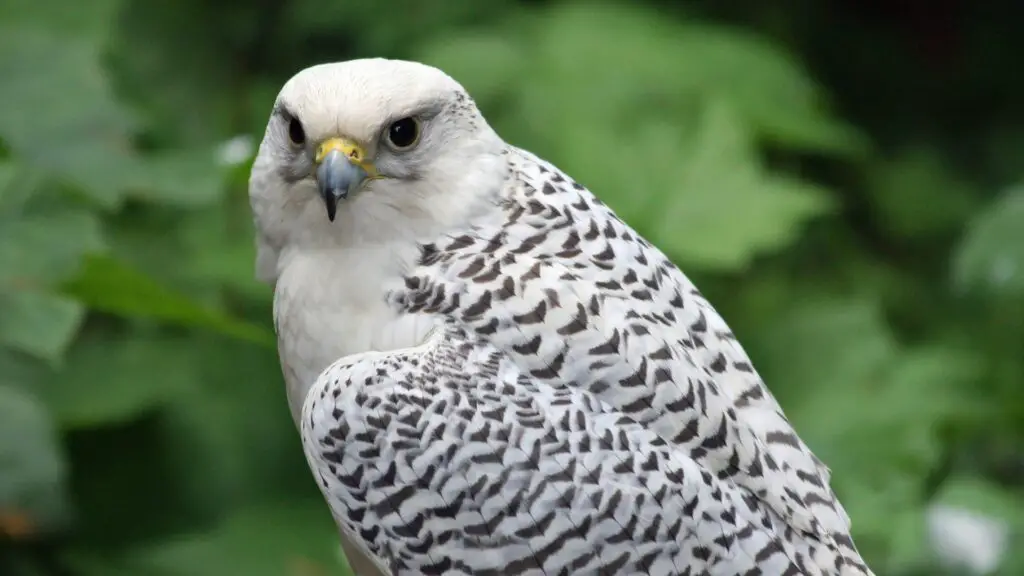
Popular Falcons Used In Falconry
I have trained various species of falcons over the years. In my experience, there is no definitive answer to which type of falcon is the easiest to train for falconry. However, several factors contribute to their overall trainability.
Famous falconers throughout history have used different types of falcons in hunting techniques that range from traditional methods of flying them at game birds to more modern approaches such as using radio telemetry and GPS tracking devices. These techniques vary depending on the regulations set by local authorities and conservation efforts in place.
When it comes to training falcons for falconry, certain species tend to be more popular than others due to their temperament and ease of handling. For instance, Peregrine Falcons are known for being excellent hunters with good temperaments, making them an ideal choice for novice and advanced handlers alike. On the other hand, Gyrfalcons can be challenging but rewarding if you have previous experience working with these majestic birds of prey.
Factors like age, sex, genetics, environmental conditions during rearing and past experiences all play a role in determining how easy or difficult it will be to train a particular bird.
In the following section, we’ll explore each factor that affects a falcon’s trainability in detail so that you can make an informed decision when choosing your next hunting partner.
Factors That Affect Trainability
Now that we’ve covered some of the most well-known falcons in the world of falconry let’s speak about the bird that’s the least difficult to teach. The response to this question is reliant on a number of elements, including the methods of training utilised, the age of the bird, the level of expertise had by the handler, and the natural behaviour of the bird.
A lot of patience, consistency, and tenacity are required while training a hawk or a falcon. Training can be broken down into two primary categories: imprinting and free-lofted. Imprinting is when a bird is raised from a young age and taught that its food comes from people, whereas free-lofting is when an adult wild bird is captured and trained for hunting purposes after being taken from its natural habitat. Both methods require different approaches depending on particular species but generally involve positive reinforcement techniques like rewards-based systems.
The peregrine falcon is considered one of the easiest birds to train due to their natural instinct for hunting and relatively calm demeanour compared to other raptors. However, even with these advantages, successful training still depends greatly on individual circumstances, such as a handler’s expertise and experience, along with proper conditioning through exercising flight muscles regularly.
With dedication and commitment towards your feathered partner, you can successfully train any type of falcon, no matter how challenging they may seem at first glance!
Common Challenges When Training Falcons
As mentioned in the previous section, the American Kestrel is a popular choice for falconry due to its small size and ease of handling. However, when it comes to training any type of bird of prey, there are several factors that must be taken into consideration. These include weather conditions, equipment needs, socialisation techniques, and, most importantly – positive reinforcement.
Weather conditions play a crucial role in the success of falconry training. Training should take place on days when wind speeds are low, and temperatures are mild. This not only ensures safety for both trainer and bird but also allows for optimal learning conditions. It’s important to note that birds may become stressed or agitated if exposed to extreme weather conditions such as high winds or freezing temperatures.
In terms of equipment needs, each bird has specific requirements depending on their species and individual temperament. For example, some birds may require certain types of hoods or jesses, while others prefer different gauntlets or leashes. Additionally, trainers must ensure they have proper tools, such as telemetry devices and scales, to monitor the bird’s health throughout training.
Socialisation techniques are also key in developing a strong bond between trainer and bird. Birds need time outside of their enclosures to exercise and develop trust with their handler. Positive reinforcement methods should be used consistently during this process to encourage good behaviour and discourage bad habits.
Tips for training falcons will vary depending on the individual bird’s needs and abilities. However, utilising positive reinforcement techniques along with proper equipment and socialisation practices can help set you up for success in your training endeavours. Remember always to prioritise safety first and foremost when working with these magnificent creatures.
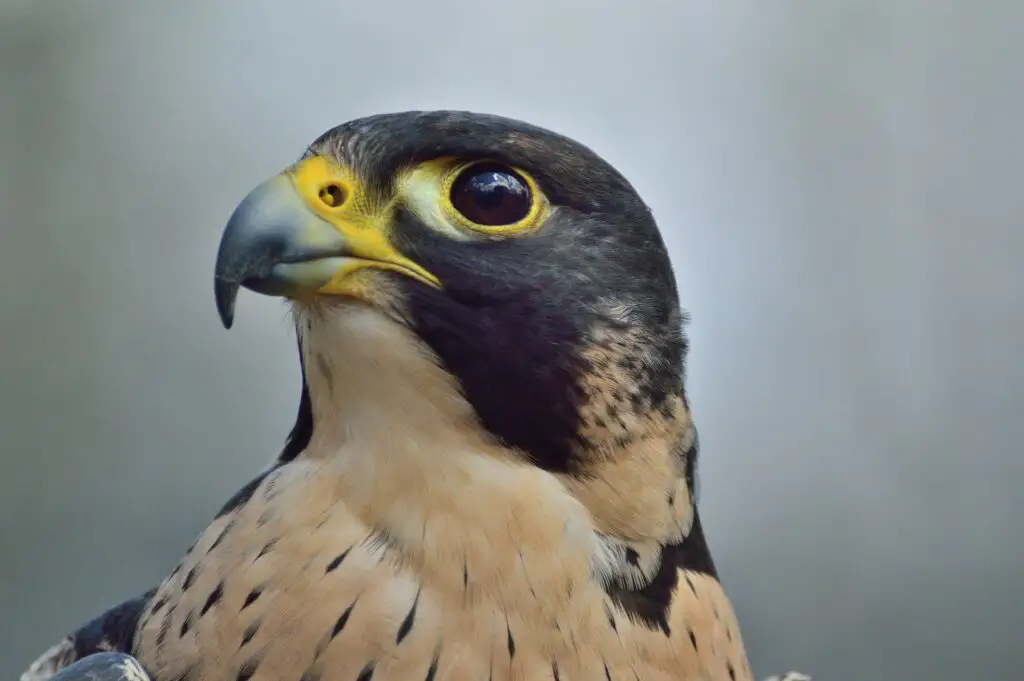
Tips For Training Falcons
As a falconer, I have trained many different types of falcons over the years. While some may be easier to train than others, it ultimately comes down to your training techniques and consistency with positive reinforcement.
When starting out, it’s important to have all the necessary equipment needed for falconry training. This includes a good quality glove, jesses, swivels, and a leash.
Training sessions should be short but frequent to keep the bird engaged and motivated. Positive reinforcement is key to successful training – reward your falcon when they perform desired behaviours correctly.
One of the best practices for training a falcon is to start off slowly and gradually build up their confidence in you as their handler. Begin by practising basic commands like recall and perch training before moving on to more complex behaviours.
Remember that every bird is unique and will learn at their own pace – patience is crucial during this process!
Frequently Asked Questions
How Long Does It Typically Take To Train A Falcon?
Training a falcon requires patience, dedication, and an understanding of its behaviour. There are different training methods that can be used depending on the bird’s temperament and the desired outcome. Some equipment needed for training includes a lure, jesses, and a hood to keep the bird calm during transport.
Challenges faced during training include getting the bird to respond consistently to commands and preventing them from flying off in pursuit of prey. The variation in training time depends on factors such as the individual bird’s personality and how much time is dedicated to training each day.
I’ve found that it’s important to approach each bird with a unique perspective rather than expecting all falcons to behave similarly. When starting out with falconry, my mentor told me that working with these birds was like trying to train a rock – there will be setbacks, and progress may seem slow at times, but perseverance pays off in the end.
Are There Any Specific Breeds Of Falcons That Are More Difficult To Train Than Others?
I’ve trained a variety of falcon breeds and have come to find that each one has its own unique temperament.
Some breeds may be more challenging than others due to their prey preferences or the specific training techniques required.
For example, the Saker Falcon can be particularly difficult to train as they prefer larger prey such as hares and rabbits, making it harder to manage their food intake during training sessions.
Additionally, some falcons may require a different approach when it comes to building trust and developing a bond with their handler.
Overall, while there is no definitive answer on which breed is easiest to train, understanding each bird’s individual needs and challenges will ultimately lead to success in falconry.
Can Falcons Be Trained To Hunt Specific Types Of Prey?
I can tell you that falcons are the prima donnas of the bird world. They have their own preferences when it comes to prey and specialised hunting techniques.
But fear not; with the right training techniques and behavioural conditioning, they can be trained to hunt specific types of prey. It’s all about finding what motivates them – whether that be food or praise – and using that as a tool for shaping their behaviour.
So if you’re looking to train your falcon to catch something in particular, just remember: it’s all about understanding their unique personality and catering to their needs.
How Much Time Per Day Should Be Dedicated To Training A Falcon?
The optimal training schedule for a falcon depends on various factors, such as the bird’s age, personality, and species.
Generally speaking, one should dedicate at least 30 minutes to an hour per day for basic training exercises like recall or perch work.
More advanced techniques, such as lure flying or hunting simulations, require longer sessions and may take up to two hours of your time.
Keep in mind that potential challenges might arise during the process, especially if you’re dealing with a young or uncooperative bird.
However, by following proper training techniques and being patient and consistent, you can overcome these obstacles and successfully train your falcon to become a skilled hunter.
Remember: innovation is key when it comes to animal training!

However, safety should always be a top priority when handling these powerful predators. One hypothetical scenario could involve a novice falconer attempting to train a red-tailed hawk without proper guidance or equipment. Without the necessary skills and knowledge, this individual could put themselves and their bird in danger by mishandling equipment or misreading the hawk’s body language.
It’s crucial for anyone interested in training a falcon to seek out professional instruction before diving into this challenging yet rewarding pursuit.