

Hey there, fellow bird enthusiasts! Are you curious about the types of falcons that are commonly used in the ancient sport of falconry? As a seasoned falconer myself, I’m excited to share my knowledge with you. I have found throughout my years that the following falcons are most common in the sport of falconry.
- Peregrine Falcon
- Saker Falcon
- Lanner Falcon
- Gyr Falcon
- Merlin Falcon
- Barbary Falcon
- Aplomado Falcon
- Prairie Falcon
This post is about falcons that have been used for hunting in falconry over the years. Falcons are a popular choice because of their great speed and agility. While using these birds for numerous years, there are many traits I observed, witch I have compiled into a single post to help you better understand the falcons used in falconry over the years and a small summary of each one.

Peregrine Falcon
Have you ever witnessed the breathtaking speed of a Peregrine Falcon diving down to catch its prey? It’s an incredible sight to behold, and it’s no wonder why these birds are one of the most popular falcons used in falconry.
Peregrine Falcons have fascinating breeding habits, as they mate for life and return to the same nesting site year after year. They also have impressive migration patterns, travelling long distances from their breeding grounds in North America to their wintering areas in South America. These birds can cover up to 15,000 miles annually during migration!
In terms of hunting techniques, Peregrine Falcons are known for their aerial attacks on other birds mid-flight. Their dive speeds can reach over 240 mph, making them one of the fastest animals on Earth! Unfortunately, due to habitat loss and pesticide use in the past, Peregrine Falcons were at risk of extinction. However, thanks to conservation efforts such as captive breeding programs and banning certain pesticides, their populations have rebounded in recent years.
Speaking of other types of falcons used in falconry, let’s move on to discussing the Saker Falcon – another powerful bird commonly utilized by experienced falconers.
Saker Falcon
Moving on from the Peregrine Falcon, let’s explore another popular species used in falconry – the Saker Falcon. This bird of prey has a rich history in falconry, with records dating back to ancient times when Genghis Khan and his Mongol warriors used them for hunting. Nowadays, saker falcons are bred specifically for use in falconry programs all around the world.
Breeding programs have played an essential role in maintaining healthy populations of saker falcons. These birds can be found across Europe, Asia, and Africa and live mainly in open grasslands or deserts. However, due to habitat loss and poaching activities, their numbers have declined significantly over time. As such, breeding programs ensure that there is a sustainable supply of these majestic creatures for future generations’ enjoyment.
When it comes to hunting techniques, saker falcons rely heavily on their speed and agility to catch small mammals like hares and rabbits as well as ground-dwelling birds like quails and partridges. Falcons trained for hunting will work tirelessly with their handlers to develop the necessary skills needed to hunt successfully. It takes patience, dedication, and skill to train a saker falcon properly.
Conservation efforts continue globally to protect this beautiful bird of prey. From establishing protected habitats where they can thrive freely without human interference to enforcing stricter laws against illegal trade both domestically and internationally – conservationists are doing what they can to preserve these magnificent creatures for years to come.
Moving forward from our discussion about the Saker Falcon’s history in falconry practice and its breeding programs, we’ll now take a closer look at another notable member of the Falconidae family – The Lanner Falcon.
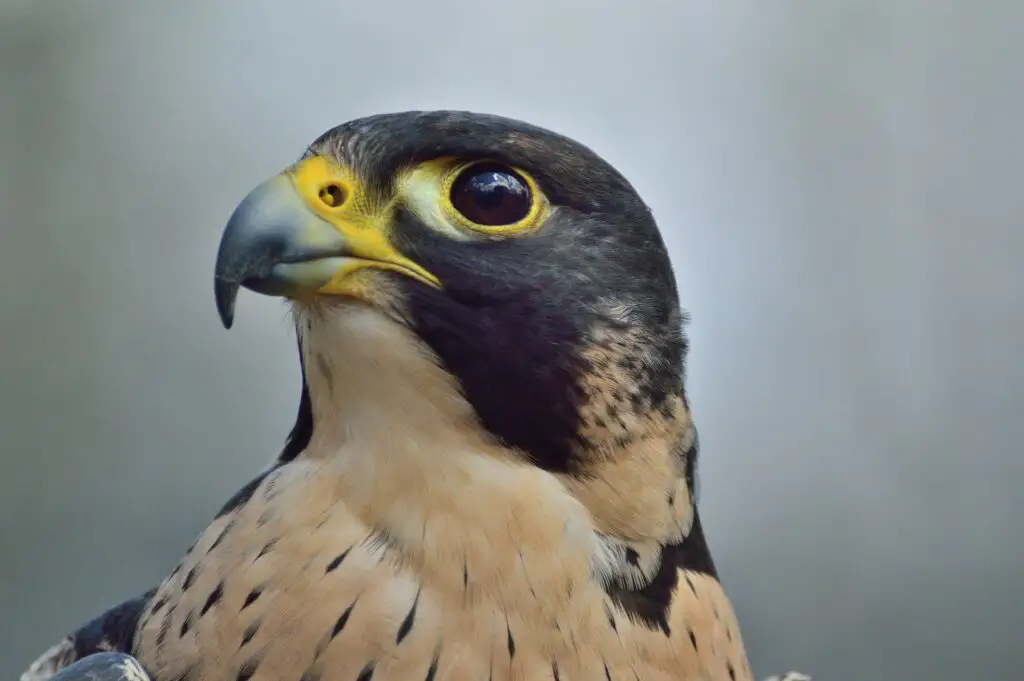
Lanner Falcon
If you want a hunting falcon that is both gorgeous and efficient, consider getting a Lanner Falcon. These birds are famous for being quick and nimble, which is why falconers value them so highly. Besides their impressive physical prowess, they have other outstanding qualities.
Lanner Falcons have a lifelong mating habit and usually build their nests on high places such as cliff faces. The female typically lays two to four eggs per breeding season, and it takes around 34 days for the eggs to incubate. After hatching, the chicks usually stay in the nest for up to six weeks before they leave.
In terms of hunting techniques, Lanner Falcons are versatile predators. They will hunt anything from small mammals and rodents to larger prey such as pigeons and partridges. Their diet consists mostly of meat, but they have been known to eat insects and even reptiles on occasion. As far as habitat preferences go, these birds prefer open areas such as savannas or grasslands where they can easily spot prey from above.
Moving onto our next topic of discussion – the Gyr Falcon – we find ourselves exploring yet another fascinating bird of prey species.
Gyrfalcon
Let’s shift our attention to the Gyrfalcon after discussing the Lanner Falcon. The Gyrfalcon is a remarkable bird of prey known for its exceptional hunting abilities. It has been used in falconry for many years because of its large size and strong wingspan, which allow it to catch larger prey, such as ducks or pheasants, easily.
To train a Gyrfalcon, you need to be patient and use consistent techniques. Since they are highly intelligent birds, they need mental stimulation during their training sessions. It is notable that these birds have lifelong mates and frequently revisit the same nesting place annually.
As a falconer, I think it is important to protect these amazing birds. Here are 4 methods we can help:
1. Consider supporting wildlife conservation by donating to or backing relevant initiatives.
2. Educate others about the harmful effects of pesticides and other pollutants on our environment.
3. Offer up some of your time to breeding programs or volunteer at sanctuaries and conservation sites.
4. Reduce your carbon footprint by making small changes in your daily routine, like using reusable bags or carpooling whenever possible.
Now that we have explored some aspects of the Gyrfalcon, let’s dive into another fascinating species – the Merlin Falcon!
Merlin Falcon
If you’re looking for a falcon that is relatively small in size but still incredibly fast and agile, the Merlin Falcon might be just what you need. These birds are highly valued by falconers due to their versatility and excellent hunting skills.
Merlin Falcons require specific care to keep them healthy and strong. They must be given enough food to maintain their weight, but not so much that they become overweight or obese. Additionally, they should have access to clean water at all times, as dehydration can lead to serious health problems.
Training a Merlin Falcon requires patience and dedication. Young birds must be socialized with humans from an early age so that they learn to trust their handlers. This process can take several weeks or even months, depending on the individual bird’s temperament and personality.
When it comes to the history of Merlin Falconry, there is evidence of these birds being used for hunting purposes as far back as the 5th century in Europe. In North America, however, the practice didn’t gain widespread popularity until the late 19th century.
As for breeding habits, Merlin Falcons typically mate during the spring months and will lay up to five eggs per clutch. It takes about four weeks for the eggs to hatch, after which both parents work together to raise and care for their young.
Moving forward into our discussion of Barbary Falcons, let’s explore another fascinating species within the world of falconry.
Barbary Falcon
Moving on from the Merlin falcon, let’s dive into another popular species used in falconry: the Barbary falcon. This medium-sized bird of prey is known for its powerful flight and hunting skills. But before we delve into its impressive abilities, let’s take a closer look at its breeding habits.
Barbary falcons typically breed between February and June, with females laying 2-3 eggs per clutch. These birds are monogamous and will mate for life, often returning to the same nest site each year. They prefer rocky cliffs or ledges as their nesting habitat, which provides protection from predators such as eagles and owls.
As for hunting techniques, Barbary falcons rely heavily on their speed and agility during aerial pursuits. They have been observed chasing after pigeons, doves, and even other small raptors mid-flight. Their talons are sharp enough to grip onto prey without losing grasp while soaring through the air.
Despite being widespread across North Africa and parts of Europe, Barbary falcons face threats such as habitat loss and illegal capture for trade purposes. Conservation efforts are underway to protect these magnificent creatures, including monitoring breeding sites and reducing human disturbance in areas where they inhabit.
Now that we’ve covered the basics about Barbary falcons’ breeding habits, habitat preferences, hunting tactics, and conservation needs, it’s time to move on to our next topic – the aplomado falcon! This fascinating bird has unique characteristics that make it stand out among other raptor species commonly used in falconry.
Aplomado Falcon
The aplomado falcon is a powerful and impressive bird that has been used in falconry for many centuries. Their exceptional physical attributes and hunting skills make them a top choice for experienced hunters.
Scientists have created breeding programs to help increase the population of aplomado falcons in the wild. This is necessary because their numbers have decreased due to habitat loss and other environmental factors. Breeding techniques play a crucial role in maintaining healthy populations of these birds.
Hunting success rates vary depending on many factors, such as weather conditions and the skill level of both the bird and handler. However, aplomado falcons are known for being incredibly efficient hunters due to their speed, agility, and exceptional eyesight.
– Cultural significance: Aplomado falcons hold great cultural significance among indigenous tribes in North America.
– Conservation efforts: Organizations like The Peregrine Fund work tirelessly to protect and conserve these magnificent birds by raising awareness about their importance in our ecosystem.
Next up, we have the prairie falcon – another fascinating species that plays a crucial role in nature’s delicate balance.
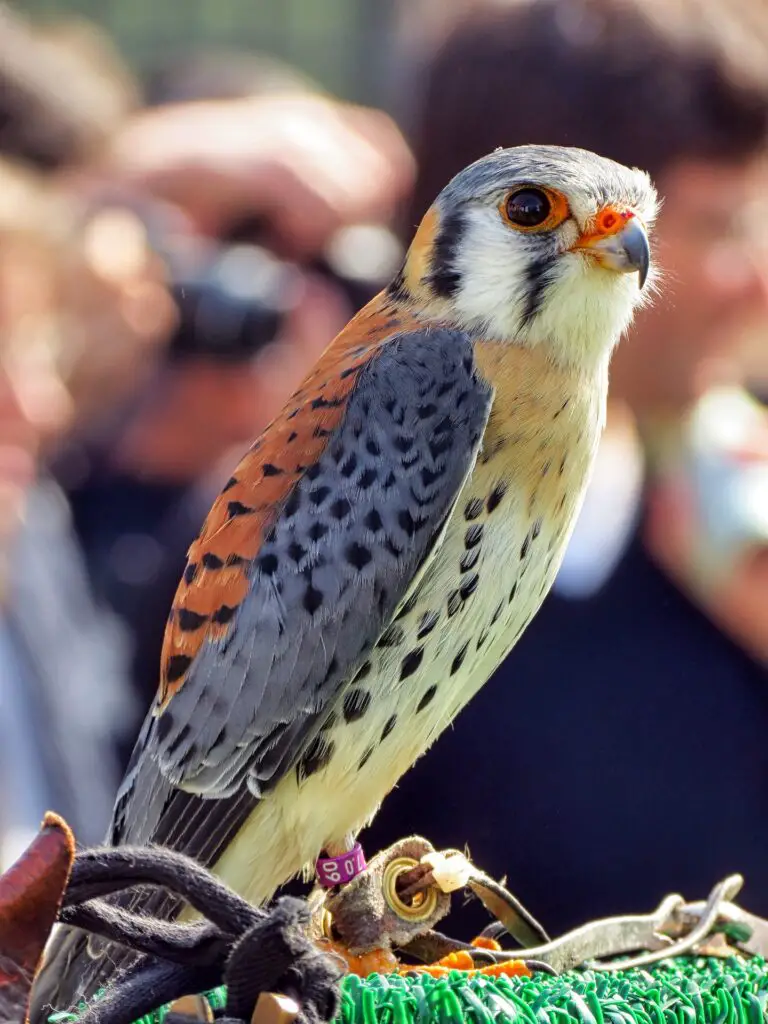
Prairie Falcon
The Prairie Falcon is a type of falcon that is frequently utilized in falconry and can be observed throughout the western region of North America. Due to its striking appearance, it is a favoured selection among people who appreciate birds. As someone who knows about avian biology, I can verify that this bird has distinct characteristics that distinguish it from other predatory birds.
Training techniques for the Prairie Falcon involve patience, consistency, and positive reinforcement. These birds have strong personalities and require a firm but gentle hand during training sessions. They excel in hunting small games such as rabbits, squirrels, and rodents due to their incredible speed and agility. Their success rates while hunting are high compared to other falcon species because they prefer open habitats over dense forests.
Regarding habitat preferences, these magnificent creatures thrive in arid grasslands, deserts, and scrubland areas with sparse vegetation cover. In the wild, they inhabit cliffsides or steep rock formations where they build nests using sticks and debris found on the ground. When it comes to diet and feeding habits, Prairie Falcons consume mostly small mammals along with some birds like quail or doves. During the breeding season (March – June), both males and females take turns incubating eggs until hatching occurs after about 30 days.
In summary, the Prairie Falcon is a remarkable bird that has captured the hearts of many falconers worldwide. Proper training techniques, attentive care for their habitat needs, and an understanding of their hunting behaviour patterns make owning one a rewarding experience!
Falconry is more than just a hobby or sport; it is an art that demands patience, dedication, and respect for the birds. I have been practising falconry for years, and I can attest that each bird possesses unique personality traits, making the experience even more rewarding.
The majestic creatures that take flight in the open skies inspire us to strive beyond our limitations and live freely. By engaging in falconry, we get a unique chance to connect with nature in ways unmatched by other hobbies. One of my mentors once told me that “a real falconer never stops learning”, so we must continually learn from these wonderful hunters and gain a greater appreciation for their world.
We should pursue our passions with the same intensity and determination as a falcon diving down at incredible speeds when hunting prey.