
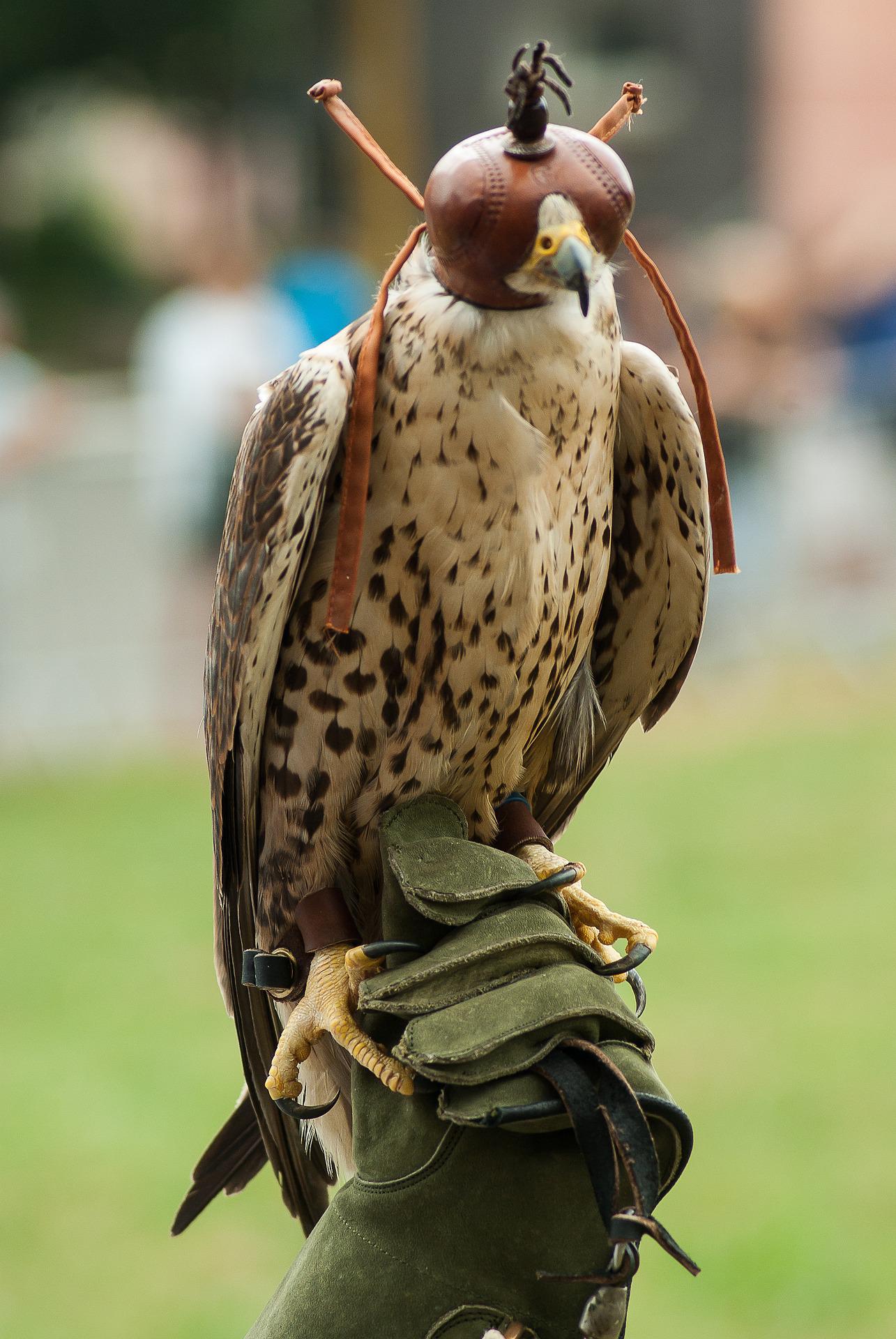
When one thinks of falconry, the first thing that comes to mind is usually a bird of prey with a sharp beak and powerful talons. Many people don’t know that these birds of prey are often fitted with blinders, but why is this done and is it cruel?
Falcons wear blinders in order to keep them focused on the task at hand. They also have hoods that they use during travel this way. As a result, the bird’s vision is limited and won’t get agitated by its surroundings because falcons are sensitive to changes in both light and motion.
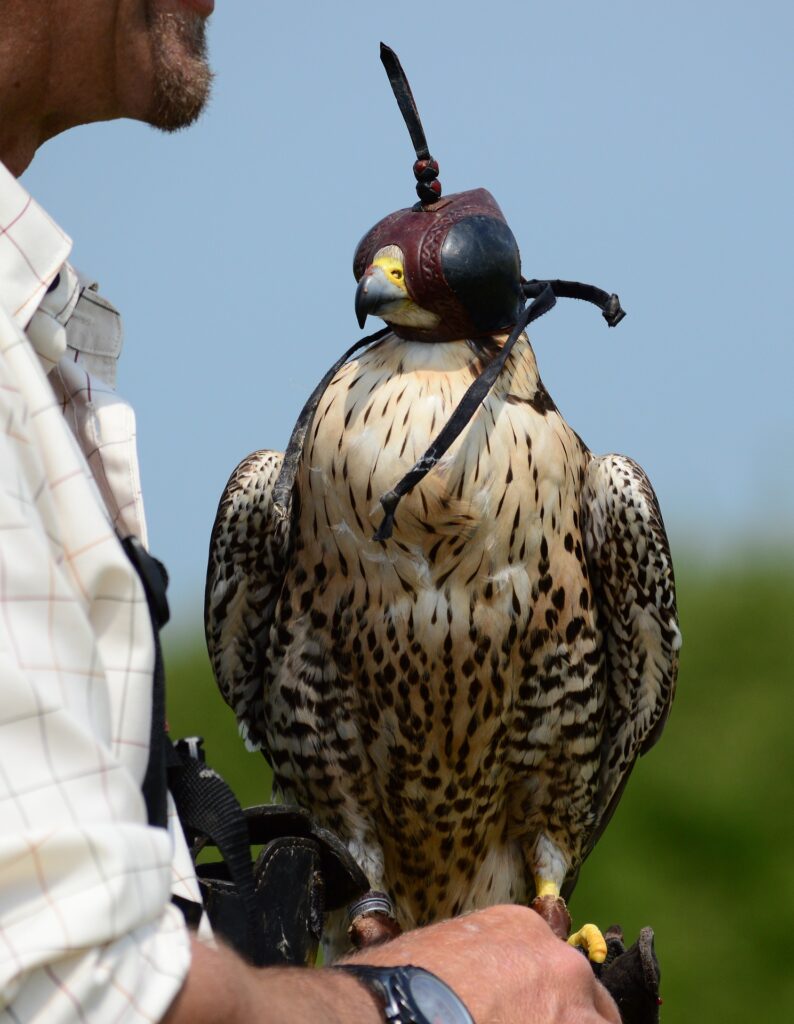
Blinders are an essential part of a falconer’s arsenal of items for falconry. Let’s look at this fascinating tradition and explore why trained falcons wear blinders and how it can help improve their hunting skills.
Do blinders help raptors focus?
Raptor blinders are objects that are placed on the bird’s head in order to help them focus while they are performing a task. Some people believe that the blinders help keep the birds’ attention on their prey, while others think that the blinders may actually be a hindrance and could lead to the bird becoming confused. There is still some controversy surrounding this one, but further research is likely needed to determine if blinders do, in fact, help raptors stay focused while they are working. Suppose the blinders are shown to be effective. In that case, they could be highly beneficial for raptors who are used for falconry or other tasks that require them to focus intently. However, suppose the blinders are found to be ineffective or even harmful. In that case, it is crucial to remove them from use so that the raptors are not put in any unnecessary danger.
When do falconers remove blinders?
Falcons are predators that rely on their keen vision to spot potential prey. For this reason, most falconers choose to keep their birds blindfolded or “hooded” when they are not hunting. This helps to prevent the bird from becoming overly excited or stressed and ensures that it will be ready to track when the time comes. Falcons typically remove their blinders when they are being trained or exercised, allowing the falconer to give commands more quickly. The blinders may also be removed during veterinary examinations or when the bird is being transported. In general, removing the blinders is only done when it is necessary, and the bird is under close supervision.
Do raptors sleep with blinders on?
Raptors are impressive predators, and their hunting techniques are the stuff of legend. Among the most iconic aspects of their hunting style is the use of blinders, which help them to focus on their prey and prevent them from becoming distracted. But do raptors actually sleep with these same blinders on? It has not been definitively determined whether they do or not, but it is believed that they do not. Blinders are only used for travel and sometimes on hunts, so there is no need for them to be worn all the time. Additionally, it is thought that this may help keep raptors calm and prevent them from becoming agitated or restless. So, although we cannot say for sure, it appears that raptors likely do not sleep with blinders on.
Does a blinder restrict the raptor’s natural senses?
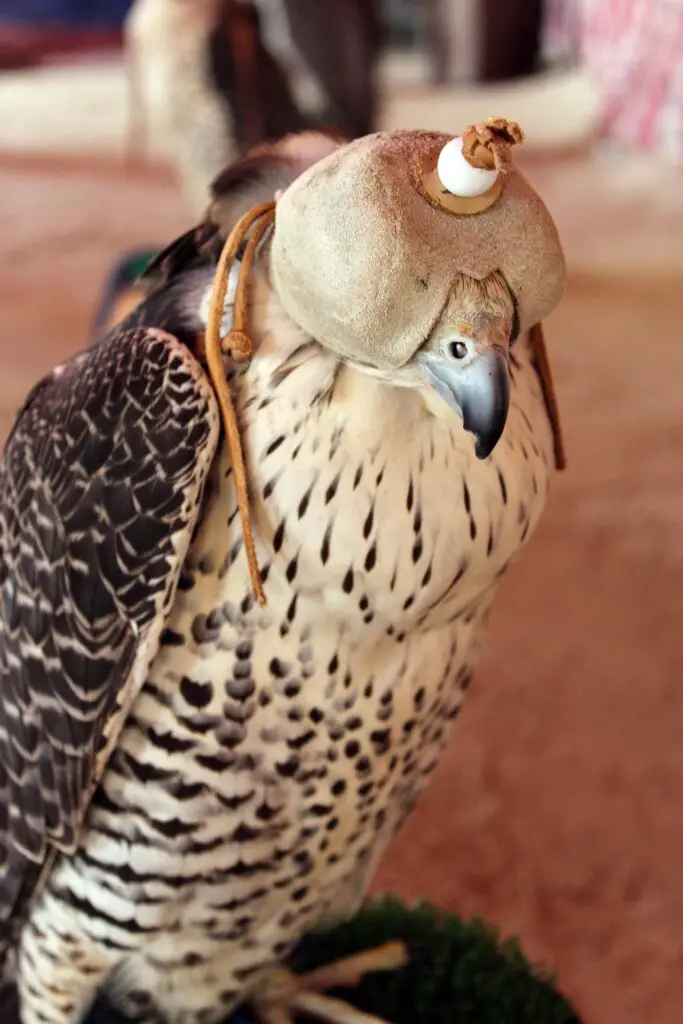
Many people question whether raptor blinders actually restrict a bird’s natural senses. Some people believe that blinders are necessary in order to keep the raptors focused on their prey. In contrast, others argue that the blinders can actually be harmful and prevent the raptors from seeing potential danger. There are some examples where it may be a good idea to use raptor blinders to keep the bird focused, while in other cases, it may be best to let the bird see everything around it. It is up to the falconer to make the decision based on what they feel is best for the particular situation.
Does a blinder limit the raptor’s vision?
There is debate over whether raptors like falcons wear blinders to limit their vision. Some people believe that the blinders are used to keep the raptor focused on its prey, while others think that the blinders may actually impair the raptor’s vision. However, if you think logically, it must limit the raptor’s vision to some degree. The question is, does this impairment help or hinder the raptor in hunting? It is possible that the blinder helps the raptor to focus on its prey and tune out distractions, but it is also possible that it limits the raptor’s field of vision and makes it more challenging to spot game. Therefore, it is crucial to conduct research to determine what effects blinders have on a raptor’s eye.
Are blinders cruel?
The question of whether or not blinders are cruel is a complicated one. On the one hand, it could be argued that the birds are being unfairly disadvantaged. After all, they can’t see, and this puts them at a distinct disadvantage. On the other hand, it could be argued that the birds are used to wearing the blinders and that they don’t have any trouble seeing with them. This is a complex issue, and there is no easy answer. Ultimately, it is up to each individual to decide whether or not they believe blinders are cruel.
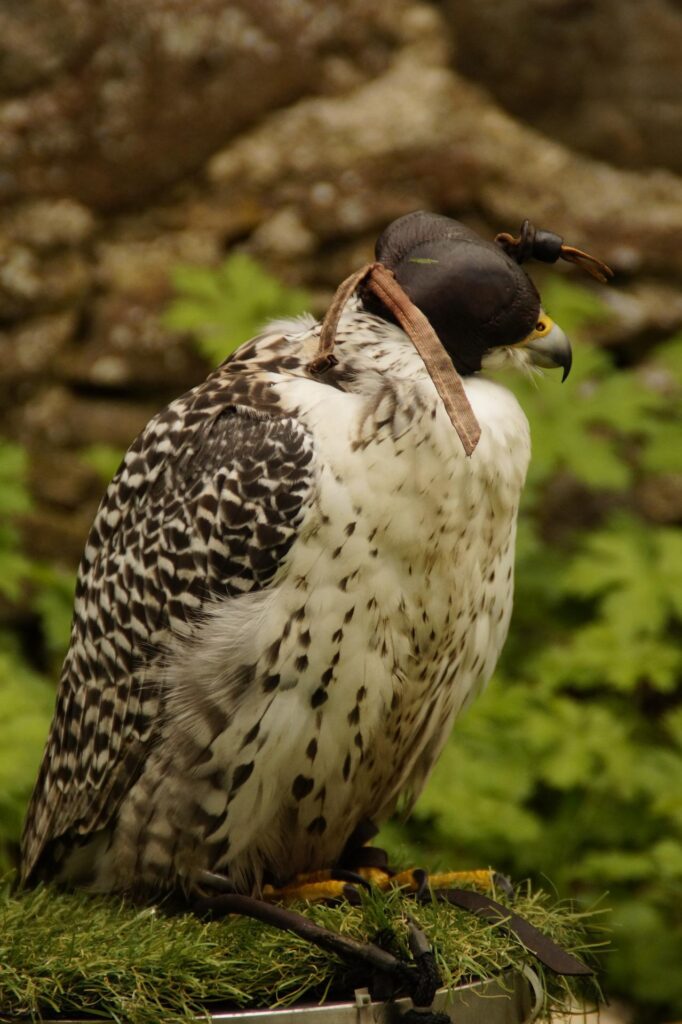
The use of blinders by falcons is an old tradition that goes back to the days of hunting with birds of prey. Blinders were initially made from small pieces of leather attached to the side of a bird’s head to keep it focused on its target. Today, most falconers still use some type of blinder when training their hawks and eagles. The blinders help prevent the bird from being distracted by other objects or animals in its surroundings. There are several reasons why trainers use blinders when working with raptors: To keep the hawk or eagle focused on its target, To prevent the bird from becoming confused or disoriented while flying, and To protect the bird’s eyesight during training exercises.