

Over my years in falconry, I have had the privilege of breeding Ferruginous Hawks a few times, and as with any species of raptor, they have their own unique way of breeding. Each season brings challenges and rewards, from selecting the perfect pair to ensuring a healthy environment for their courtship. Understanding the intricacies of their behavior and biology is essential in successfully breeding these magnificent birds. Join me as I share my insights on the intricacies of breeding Ferruginous Hawks, from mimicking their natural habitat to dealing with the complexities of their reproductive cycle.
The Breeding Process
During the breeding season, Ferruginous Hawks meticulously select suitable nesting sites to guarantee the survival of their offspring. These hawks exhibit fascinating breeding behaviors, with courtship displays involving aerial acrobatics and vocalizations that serve to strengthen pair bonds. The reproductive cycles of Ferruginous Hawks are finely tuned to environmental cues, ensuring that eggs are laid at a time when prey availability is best for supporting the growing family.
As the breeding season progresses, the commitment to parental care intensifies. Both male and female hawks participate in nest-building, with the female taking the lead in incubating the eggs while the male raptor provides her with food. This division of labor is vital for the success of the brood, as it allows for efficient nest maintenance and protection.
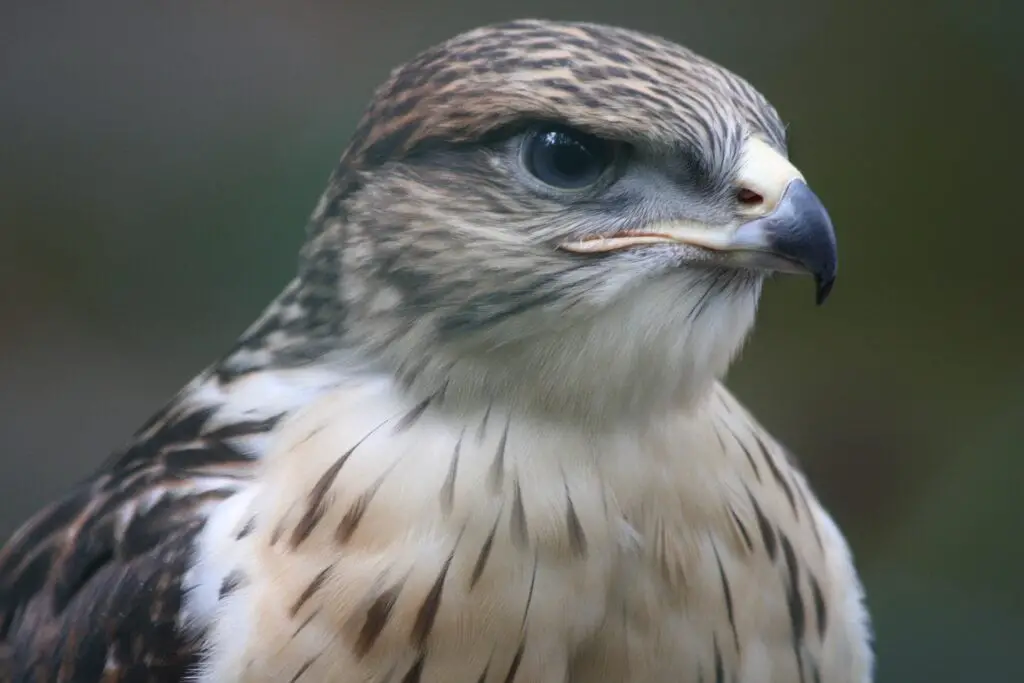
Once the eggs hatch, the fledgling development stage begins. The parents work tirelessly to feed and protect their young, teaching them essential hunting skills through demonstration and practice. Fledglings grow rapidly under the attentive care of their parents, gradually gaining the strength and agility needed to survive in the wild.
Legal permutations
Understanding the legal permutations is essential before breeding ferruginous hawks. Aviary prerequisites must meet specific standards to guarantee the well-being of the birds and compliance with regulations. Documentation of breeding activities is vital for record-keeping and legal purposes.
Aviary Standards
Ensuring your aviary meets the minimum requirements is critical for the health and well-being of Ferruginous Hawks and for legal compliance. An aviary for these majestic birds must provide ample space for flight, as their natural behavior includes extensive soaring. The minimum requirement includes an enclosure large enough to allow for several wingbeats in any given direction, mimicking the open space of their natural habitat.
The construction materials must be durable and safe, preventing injury and providing adequate shelter from the elements. The design should incorporate enrichment features that simulate natural conditions, such as perches at varying heights and materials that encourage natural behaviors like hunting, nesting, and foraging.
Ventilation is paramount to ensure fresh air circulation, reducing the risk of respiratory diseases. Security measures against predators and escape are mandatory, safeguarding the birds from potential harm.
These requirements are in place not only to ensure the physical health of the Ferruginous Hawks but also to support their psychological well-being. A well-designed aviary allows them to exhibit natural behaviors, reducing stress and promoting healthy breeding activities. Compliance with these standards also demonstrates a commitment to conserving these magnificent raptors, aligning with legal obligations and ethical considerations in aviculture.
Documentation
Having meticulously reviewed and adhered to all aviary prerequisites for breeding Ferruginous Hawks, the next step involves ensuring proper documentation to navigate the legal permutations associated with captive breeding programs. Documentation is essential in maintaining compliance with regulations and demonstrating responsible breeding practices. Below is a table summarizing key aspects of documentation in Ferruginous Hawk breeding:
| Aspect | Details |
| Breeding behavior | Observations on courtship and mating rituals |
| Egg incubation | Record of incubation period and temperature |
| Parental care | Notes on feeding, brooding, and protection |
| Chick development | Growth milestones and health assessments |
| Breeding success factors | Factors influencing successful breeding |
How to set up your breeding environment
When preparing the breeding environment for Ferruginous Hawks, it is imperative to contemplate aspects such as space availability, protection from predators, ideal nesting area, perch placement, and temperature control. These factors play a pivotal role in ensuring the comfort, safety, and successful breeding of the hawks. Proper setup and maintenance of these elements are fundamental in fostering a conducive environment for breeding success.
Space:
Setting up the breeding environment for Ferruginous Hawks requires careful attention to space allocation and layout design. When considering space for breeding these majestic birds, the following are key factors to keep in mind:
- Space Utilization: Ensuring adequate space for each pair to establish territories is important for minimizing conflicts.
- Breeding Efficiency: Designing the space to facilitate efficient breeding behaviors such as courtship displays and nest building.
- Behavior Observation: Allocating space for observation points to monitor the birds’ interactions, mating rituals, and nesting habits is important.
Protection from predators
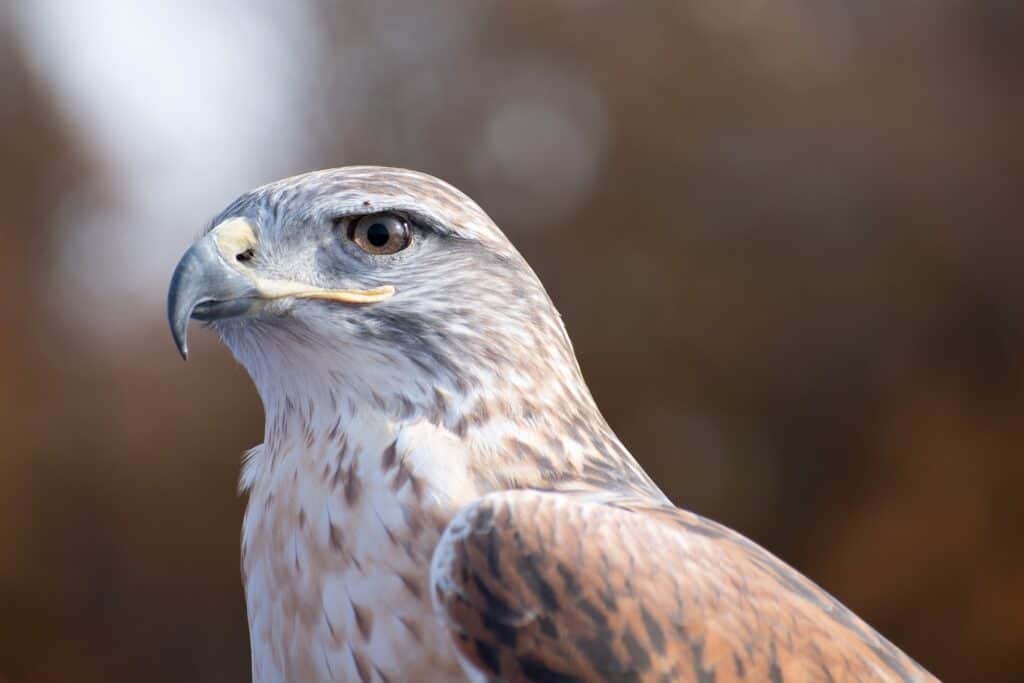
In considering the breeding environment for Ferruginous Hawks, safeguarding against predators is a paramount concern. Predator deterrents such as fences or netting can be effective in preventing unwanted intrusions. Camouflage techniques, like using natural materials to blend the breeding site with the surrounding environment, can help conceal the nest from potential threats. Alarm systems, like strategically placed sound or Light alarms, will alert to the presence of any predators nearby. Motion sensor technology can also be utilized to detect movement around the site. Habitat modifications, such as removing potential perches for predators or creating barriers, are essential in creating a safe space for the Ferruginous Hawks to breed successfully.
Nesting area
To create an ideal nesting area for breeding Ferruginous Hawks, it is fundamental to carefully select a site that provides adequate shelter and protection from predators. Understanding the nesting behavior and parental care of these raptors is the key to successful breeding. When setting up the nesting area, consider the following:
- Nest Site Selection: Choose a location with minimal human disturbance and suitable nesting materials.
- Egg Incubation: Make sure the nest is insulated and protected to maintain ideal incubation conditions.
- Nest Maintenance: Regularly monitor and maintain the nest to prevent damage and improve the safety of the eggs and chicks.
Perch Placement
When considering the perch placement for breeding Ferruginous Hawks, it is important to strategically position elevated perches within the nesting area to simulate natural roosting environments and encourage territorial behavior. Perch training plays a vital role in acclimating the hawks to their breeding environment, fostering a sense of security and familiarity. Behavior modification techniques can be employed through the placement of perches to encourage desired interactions and discourage unwanted behaviors. Enrichment activities such as varying perch heights and textures can stimulate natural behaviors and mental engagement.
Temperature control
Positioning thermoregulation devices strategically within the breeding environment is important for maintaining ideal temperature conditions for Ferruginous Hawks during the breeding process.
- Temperature regulation is paramount for breeding success.
- Climate control directly impacts egg development.
- Heat management is vital for chick survival.
Proper temperatures have favorable breeding outcomes. Adjusting to varying weather conditions enhances breeding productivity. Monitoring and adjusting the temperature within the breeding environment is crucial to support the physiological needs of the Ferruginous Hawks throughout the breeding process. Maintaining ideal temperature levels is key to the breeding pair’s and their offspring’s overall success and well-being.
How I mimic their natural breeding environment
To replicate the natural breeding environment of Ferruginous Hawks, I carefully regulate the artificial lights in their enclosure to mimic the changing day lengths they would experience in the wild. Additionally, I provide a variety of natural nesting materials, such as twigs, grasses, and feathers, to allow the hawks to construct their nests as they would in nature. By paying close attention to these details, I aim to create a setting that fosters the hawks’ natural behaviors and ultimately supports successful breeding outcomes.
Artificial lights
Artificial lights play an important role in maintaining ferruginous hawks’ circadian rhythms and reproductive behaviors by replicating their natural breeding environment.
- Light intensity affects behavior greatly.
- Circadian rhythms are important for successful reproduction.
- UV exposure impacts breeding success.
Controlling the photoperiod with artificial lights helps regulate hormone levels, which is essential for breeding Ferruginous Hawks successfully. However, the challenge lies in avoiding light pollution, which can disrupt their natural behaviors. By carefully adjusting the timing and intensity of artificial lighting, I can simulate the changing light conditions of a natural environment, thereby influencing the hawks’ reproductive cycles and enhancing egg production. This meticulous balance of light exposure is key to ensuring these magnificent birds’ well-being and breeding success.
Natural Nesting Materials:
Replicating the Ferruginous Hawk’s penchant for unconventional nesting materials challenges me to recreate their natural breeding environment with careful consideration and precision. Their nesting habits, which include incorporating metal pieces, plastic, paper, and other rubbish, reflect their unique nesting preferences. Understanding their nesting behavior is important to providing an environment that mimics their natural habitat. While these materials may seem odd to us, they play an important role in the Ferruginous Hawk’s reproductive success. However, the environmental impact of using such materials should not be overlooked. By utilizing natural materials that closely resemble their preferred nesting items, we can encourage successful breeding while minimizing any negative effects on the surrounding ecosystem.
Selecting a breeding pair
Regularly observing the Ferruginous Hawks’ behavior can provide valuable insights into selecting a breeding pair. When choosing the perfect pair for breeding, several key factors must be considered:
- Genetic selection: It is important to assess the genetic background of potential breeding pairs to guarantee healthy offspring. By understanding the genetic makeup of each hawk, we can predict the likelihood of passing on desirable traits to the next generation.
- Behavior observation: Monitoring the behavior of individual hawks is essential in determining their compatibility as a breeding pair. Observing how they interact, communicate, and behave towards each other can indicate their suitability for successful breeding.
- Pair bonding: Strong pair bonding is essential for breeding success. Hawks that exhibit strong bonds through mutual grooming, nest building, and shared hunting activities are more likely to produce healthy offspring and provide adequate parental care.
Considering these factors, I carefully evaluate potential pairs based on their genetic compatibility, observed behavior towards each other, the strength of their pair bonding, and their previous breeding success rates. By selecting breeding pairs that exhibit these key characteristics, I aim to enhance the overall breeding success and health of the Ferruginous Hawk population under my care.
How to introduce the breeding pair and what to look out for
Upon their initial introduction, closely monitor the breeding pair’s interactions for signs of compatibility and potential breeding success. The pair introduction is a vital step in the breeding process. Observing the behavior of both hawks is essential to gauge their compatibility. Look for positive signs such as mutual grooming, vocalizations, and relaxed body postures, indicating bonding. Seeing some initial aggression or avoidance is normal as they establish their hierarchy.
As the breeding season approaches, ensure the hawks are in excellent physical condition and have a suitable environment for nesting. Prepare the enclosure with nesting materials and provide ample space for the pair to build their nest together. Monitoring their behavior daily is key to understanding their pair dynamics.
During this period, pay close attention to their interactions, especially during feeding times. The sharing of food is a significant bonding behavior among raptors. Additionally, observe any mating rituals such as aerial displays, sky-dancing, or mutual preening. These actions signify a strong bond between the pair, increasing the likelihood of successful breeding.
Compiling data and analyzing it
I observe the vital data points in breeding Ferruginous Hawks, including the specific hatch date range of 33-35 days after egg laying, the egg laying dates, and the growth rate of the embryos during incubation. By compiling and analyzing this information meticulously, we can gain valuable insights into the breeding behaviors and reproductive success of these majestic raptors.
Laying dates
Compiling and analyzing the data on Ferruginous hawks’ laying dates reveals patterns in their reproductive behavior. I meticulously record the dates when each hawk lays its eggs. This information allows me to study egg incubation, breeding behavior, seasonal variations, fledgling care, and reproductive success. Observing the laying dates provides insights into the timing of egg incubation and the duration of the breeding season. By maintaining detailed records, I can track the progress of each nesting pair and evaluate their reproductive success.

Hatch date
Analysis of the data reveals that Ferruginous Hawks typically hatch approximately 33 to 35 days after their eggs are laid. During this incubation period, the hatching process requires key conditions for the eggs to develop. Parental care and feeding habits play vital roles in nurturing the hatchlings once they emerge. The nesting behavior of Ferruginous Hawks is fascinating, especially during the fledgling stage when the young birds start to explore their surroundings. Establishing a feeding schedule and monitoring growth milestones are essential for ensuring the health and development of the fledglings. Understanding their behavioral development is key to implementing effective training techniques as they mature.
The growth rate of embryos
Studying the laying dates of Ferruginous Hawks has provided valuable insights into the growth rate of embryos during their development. Observing the incubation period closely, I’ve noted the following key points:
- Embryo development: The embryos exhibit rapid growth during the incubation period, with visible changes in size and structure.
- Egg turning: Regular egg turning is essential for ensuring uniform heat distribution and promoting proper embryonic development.
- Fetal growth: Monitoring fetal growth rates has shown exponential growth patterns, indicating healthy development.
Analyzing these aspects contributes to understanding the dynamics of embryo viability, which is essential for successful breeding programs. By meticulously documenting these observations, I aim to enhance breeding practices for Ferruginous Hawks.
How do you know when your raptor is pregnant?
Breeding Ferruginous Hawks in captivity, particularly determining pregnancy in your raptor, involves keen observation of behavioral and physical cues. When it comes to identifying if your Ferruginous Hawk is pregnant, several key indicators can help you make an accurate assessment:
- Nesting Behaviors: Pay close attention to any sudden changes in your hawk’s usual behavior, such as nest-building or increased territoriality around their nesting area. These nesting behaviors can be significant indicators of impending egg-laying.
- Egg Development: As the pregnancy progresses, you may notice changes in the size and shape of your raptor’s abdomen, indicating the development of eggs. Careful monitoring of these physical changes can provide valuable insights into the pregnancy status of your hawk.
- Hormonal Changes: Hormonal fluctuations play an important role in the reproductive cycle of Ferruginous Hawks. Observing any hormonal shifts, such as increased aggression or restlessness, can signal pregnancy in your raptor.
In addition to these behavioral and physical cues, more advanced techniques like ultrasound monitoring can offer direct visualization of the developing eggs inside the bird. Once pregnancy is confirmed, ensuring proper maternity care for your Ferruginous Hawk becomes essential for the health and well-being of both the mother and the offspring.
Nutritional, Weight Management, and Healthcare Requirements for Breeding Ferruginous Hawk
Understanding their specific nutritional requirements is important for their health and successful reproduction in breeding ferruginous hawks. Managing their weight during this period is essential to guarantee optimal breeding conditions and the birds’ well-being. Additionally, providing proper healthcare, including regular check-ups and monitoring, is crucial in maintaining the overall health of the breeding Ferruginous Hawks.
Nutritional requirements
Understanding the nutritional requirements of breeding Ferruginous Hawks is essential for ensuring their best health and reproductive success. When it comes to feeding these majestic birds, a well-planned approach is critical. Here are some key points to take into account:
- Feeding Schedule: Establishing a consistent feeding schedule is important for maintaining their health and energy levels.
- Protein Sources: Including a variety of high-quality protein sources like rodents and small birds is necessary for meeting their dietary needs.
- Vitamin Supplements: Appropriate vitamin supplements can help address potential deficiencies and support overall well-being.
Observing their feeding behavior and ensuring the right balance of nutrients in their diet are key aspects to take into consideration when catering to the nutritional requirements of breeding Ferruginous Hawks.
Weight management
Observing the weight fluctuations of Ferruginous Hawks during the breeding season provides important insights into their nutritional, weight management, and healthcare requirements. To guarantee ideal breeding conditions, I meticulously track the weight of my hawks using a digital scale. This data allows me to make necessary dietary adjustments, such as tweaking feeding schedules and exercise routines. Monitoring their progress is essential for identifying any deviations from the ideal weight range. Below is a table summarizing the key aspects of weight management for breeding Ferruginous Hawks:
| Aspect | Description |
|——————-|——————————————–|
| Feeding schedules | Tailored to meet specific energy needs |
| Exercise routines | Regular flights to maintain muscle tone |
| Weight tracking | Weekly monitoring for adjustments |
Healthcare
During the breeding season, precise nutritional planning and meticulous weight management are essential for ensuring the best health and well-being of Ferruginous Hawks.
- Preventive care: Regular health check-ups and monitoring are vital to detect any issues early on.
- Vaccination protocols: Following a strict vaccination schedule helps protect the hawks from common diseases.
- Parasite control: Implementing effective parasite control measures is necessary to prevent infestations and maintain the hawks’ health.
Maintaining emergency preparedness, understanding the hawks’ behaviors, and promptly addressing any health concerns are paramount in ensuring successful breeding outcomes. Adhering to these healthcare requirements contributes greatly to the overall welfare of the Ferruginous Hawks during the breeding process.
What is artificial insemination, and how is it done for Ferruginous Hawk
Artificial insemination in Ferruginous Hawks involves carefully collecting and introducing semen into the female’s reproductive tract to facilitate fertilization. When employing reproductive techniques with Ferruginous Hawks, it is essential to take into account factors like semen absorption and nest adjustments to optimize breeding success. The artificial insemination process begins by collecting semen from the male hawk, usually through manual stimulation. Once collected, the semen is introduced into the female’s reproductive tract using a specialized catheter to guarantee proper placement for fertilization.
Nest adjustments play a critical role in enhancing the chances of successful insemination. Providing materials such as twigs and small branches on the aviary floor allows the female hawk to make necessary changes to the nest, creating a suitable environment for egg-laying and incubation. Additionally, tapping the female’s back gently after insemination can aid in semen absorption, increasing the likelihood of fertilization.
During the incubation process, keeping the nest warm while the female is away eating or exercising is essential. This can be achieved using a warm towel and body heat to maintain a suitable temperature without overheating.
Breeding Ferruginous hawks requires careful planning, dedication, and attention to detail. You can successfully breed these magnificent raptors by creating a suitable breeding environment, selecting the right pair, and providing proper care. Understanding their natural breeding behaviors and addressing any challenges that may arise will help guarantee a successful breeding experience. With the right knowledge and commitment, breeding Ferruginous hawks can be a rewarding and fulfilling endeavor.