
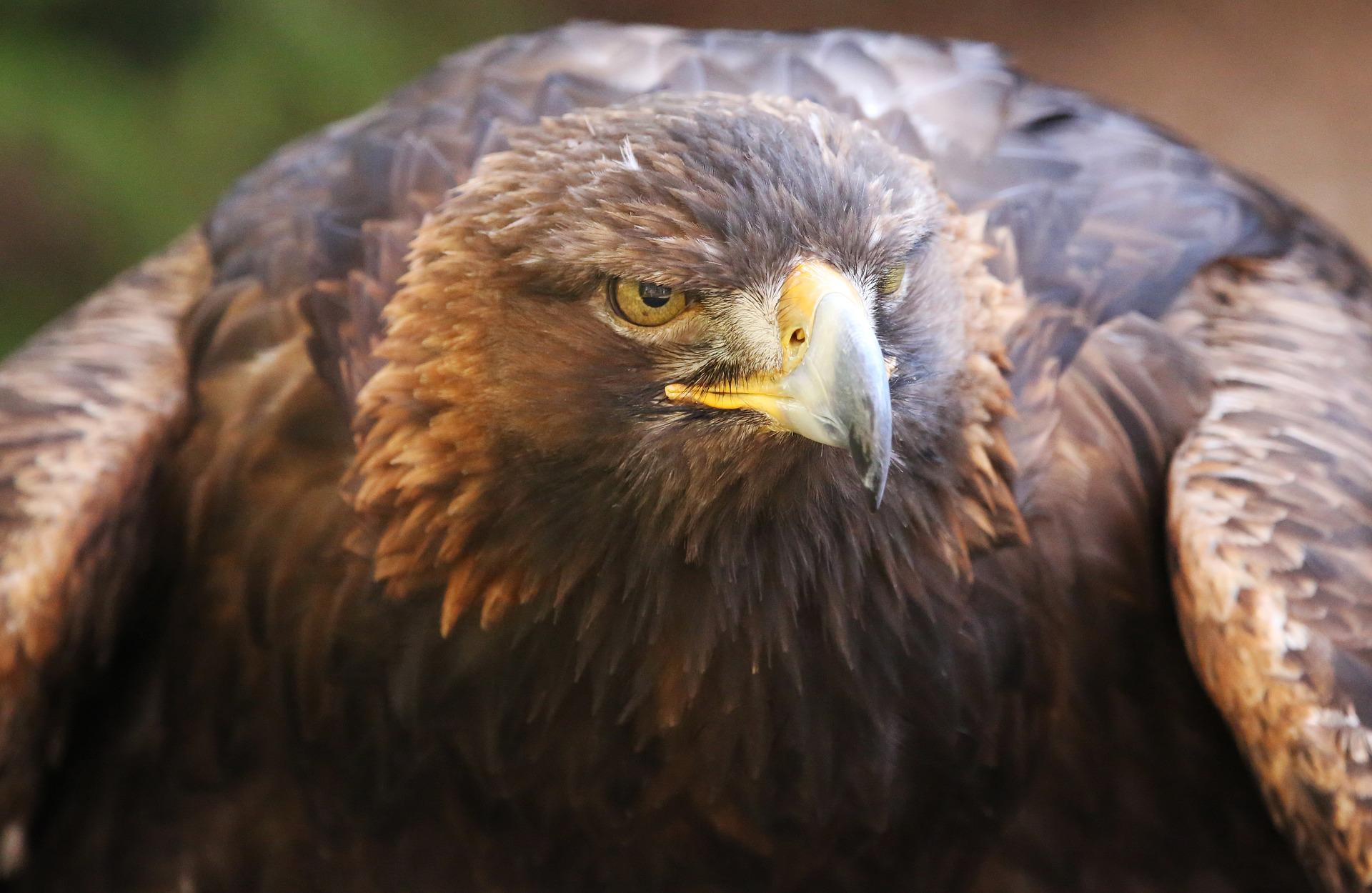
Hey there, fellow falconry enthusiasts; I’m excited to share some insights with you today about one of the most magnificent birds in our sport – the Golden Eagle. It’s a known fact that feeding is one of the primary functions of keeping them healthy, but what exactly should you feed these raptors?
I recommend feeding golden eagles a well-balanced diet of fresh foods. This diet includes small mammals like rabbits and mice and birds such as quail, grouse, and pheasant, as well as not limiting fish or livestock, if available. Introducing supplements high in vitamins and minerals can help to make sure they get all the nutrients they need for optimal health.
When I had my first golden Eagle, I was sceptical about what it should eat, so I am going to make things easy for you. I will explore some of the best diets available for Golden Eagles and provide practical tips on how to keep them healthy and happy while keeping it simple at the same time.
The Importance Of Proper Nutrition
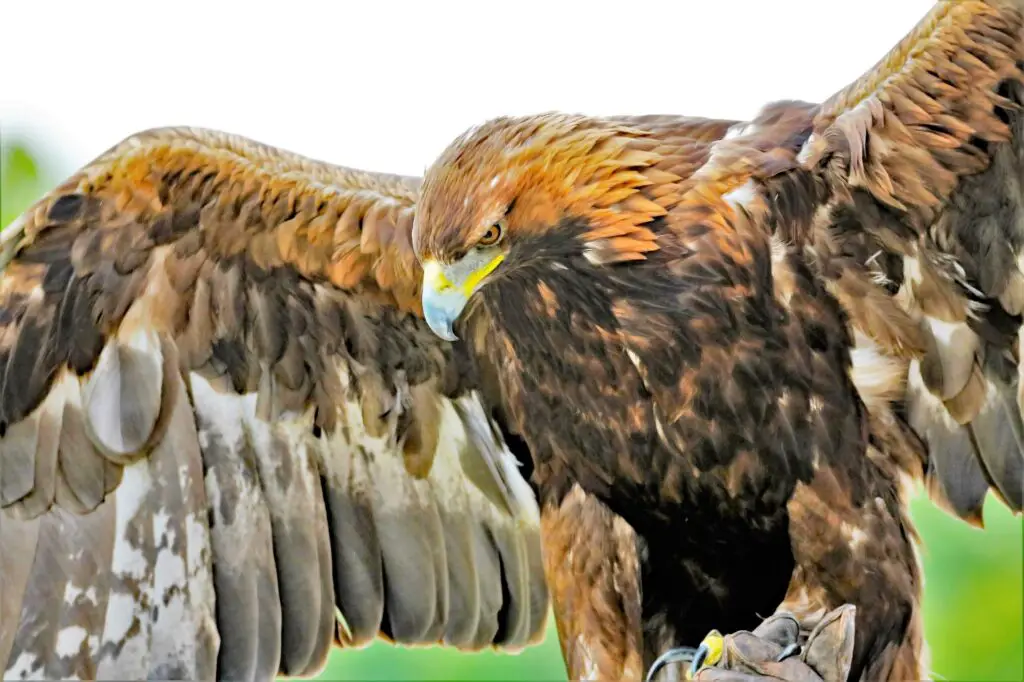
Did you know that a golden eagle’s diet in the wild consists of small mammals, birds, and reptiles? As falconers, we must provide our eagles with a balanced diet to ensure their overall health and well-being. Proper nutrition is crucial for an eagle’s physical development as it affects its growth rate, body weight, feather quality, and lifespan.
The benefits of proper nutrition include reduced risk of disease or illness, improved immune system function, increased energy levels, and better mental health. On the other hand, inadequate nutrition can lead to serious risks such as malnutrition, weakened bones and muscles, decreased fertility rates, and even death.
It is important to understand your Eagle’s nutritional requirements based on factors such as age, sex, activity level, and environmental conditions. A balanced diet for golden eagles should consist of proteins (30-40%), fats (50-60%), vitamins (less than 1%), minerals (less than 1%), carbohydrates (less than 10%), and water. Proteins are essential for muscle building, while fats provide long-lasting energy. Vitamins support various bodily functions, while minerals strengthen bones and teeth. Carbohydrates serve as a source of quick energy during flight activities while water maintains hydration levels.
Providing whole prey items such as rabbits or quails not only meets the nutritional needs but also satisfies the natural hunting instincts of golden eagles. In the next section about whole prey items for golden eagles, step by step guide will be provided on how to properly feed them these items.
Whole Prey Items For Golden Eagles
As mentioned earlier, proper nutrition is crucial for the health and longevity of a golden eagle in captivity. One of the most important aspects of this is providing whole prey items that meet their nutrient requirements.
While it may seem obvious to some, there are misconceptions about what types of prey falconers should feed their eagles. Many people assume that rodents such as rats or mice are the best choice due to their abundance and ease of sourcing. However, these prey items lack certain nutrients that golden eagles need to thrive. In fact, feeding too many rodents can lead to deficiencies in calcium and other essential vitamins and minerals.
On the other hand, rabbits provide a more balanced diet for captive golden eagles. They contain higher levels of protein than rodents and also have more fat and energy content. Additionally, rabbits offer a better source of calcium which helps maintain strong bones in raptors like eagles.
It’s worth noting, though, that while rabbits make an excellent primary food source for captive birds of prey, including golden eagles, they do not replace hunting live quarry altogether. This is because hunting provides exercise through flying and chasing after prey as well as mental stimulation from the challenge presented by the live game.
In conclusion, providing whole prey items rich in nutrients is vital for maintaining healthy captive golden eagles. Falconers must carefully consider which type(s) of prey will best satisfy their bird’s needs based on factors such as nutritional value and availability.
While rabbits make an excellent primary food source for these majestic creatures, it’s important to remember that nothing beats live quarry when it comes to keeping them active both physically and mentally.
To ensure that their golden eagles are receiving the necessary nutrients, falconers should provide a varied diet consisting primarily of rabbit meat, feed supplements containing essential vitamins & minerals, and regular blood tests to ensure nutrient requirements are being met.
Rabbit As A Primary Food Source
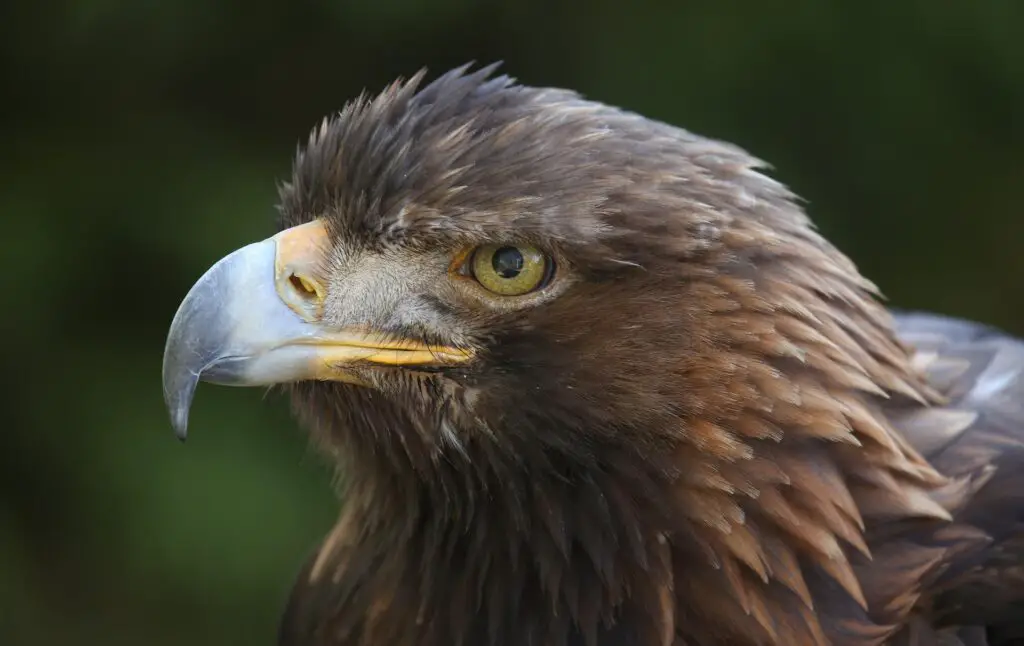
Ah, the Golden Eagle. The king of all raptors and a true symbol of power in nature. As falconers, we love to see these majestic birds soar through the sky with their sharp talons poised for attack. But what about their diet? What do we feed them to keep them healthy and happy?
Well, there’s no denying that rabbits are a primary food source for our feathered friends. And while some may scoff at the idea of rabbit farming for ethical reasons, it’s important to note that sourcing from reputable farms can provide sustainable options for feeding our eagles without harming wild populations.
But why stick solely to one type of prey when there are so many alternative diets available? While rabbits offer great nutrition and can be easily sourced, incorporating other small animals, such as quail or even fish, can add variety and balance to an eagle’s diet.
As experts in falconry, it’s our responsibility to continually innovate and explore new ways to care for our beloved birds. By considering alternative diets alongside ethical sourcing practices And speaking of alternative diets.
Next up on our list are hares and small rodents – another interesting option worth exploring!
Hares And Small Rodents
As a beginner, you must understand the importance of providing your golden Eagle with a nutritionally balanced diet. While rabbits are a primary food source for these birds, it’s essential to vary their meals based on seasonal availability and hunting techniques.
During the summer months, hares become available as prey. These larger mammals provide an excellent source of protein and fat that can sustain eagles through the breeding season. Small rodents like voles and mice also make up a significant portion of their diet during this time.
In winter, the lack of food sources means we must be strategic about our hunting practices. Golden eagles are powerful hunters but require certain conditions, such as open ground or snow cover, to see prey from far distances. When resources are limited, we may need to use supplemental feeding stations to ensure our birds stay healthy and strong throughout the colder months.
To maintain optimal health for our golden eagles year-round, we must consider not only where they live but also how they hunt in nature. By understanding seasonal availability and varying their diets accordingly while supplementing when needed, we can ensure these creatures thrive under human care without losing any natural instincts in the process.
Moving forward into the next section about ‘supplementing the diet with vitamins and minerals,’ let’s discuss how crucial this step is towards maintaining our bird’s vitality regardless of dietary changes.
Supplementing The Diet With Vitamins And Minerals
Now, I know what you’re thinking: ‘I don’t want to give my golden eagle some boring old vitamin pill!’ But hear me out – nutritional supplements are an essential part of a captive bird’s diet.
Unlike their wild counterparts, falconry birds have dietary restrictions and may not receive all the nutrients they need from their daily meals alone.
Feeding frequency also plays a crucial role in maintaining your golden Eagle’s health. As predators at the top of their food chain, eagles require large amounts of protein-rich foods such as meat or fish. However, feeding them too often can lead to obesity and other health issues. It’s recommended that adult golden eagles be fed every two to three days.
To supplement their diets with vitamins and minerals, there are several options available for falconers. One popular choice is adding powdered supplements directly into the bird’s food. These supplements come in various flavours and contain everything from calcium to B vitamins.
Another option is through fortified treats such as seed bars or fruit bites designed specifically for birds of prey. These snacks provide extra nutrition while keeping things interesting for your feathered friend.
Incorporating nutritional supplements into your golden Eagle’s diet may seem daunting at first, but it’s necessary for their overall well-being. By following proper feeding frequencies and utilizing these supplemental options, you’ll ensure your Eagle stays healthy and happy under your care.
As we move forward discussing considerations for captive golden eagles, it’s important to keep in mind the significance of providing proper nutrition. From managing feeding schedules to incorporating additional vitamins and minerals into our birds’ diets, caring for these magnificent creatures requires attention to detail and a commitment to excellence.
Considerations For Captive Golden Eagles
When it comes to captive golden eagles, there are several important considerations to keep in mind. Housing requirements must be carefully considered as these birds need plenty of space to move around and exercise, so a large aviary or mews is essential for their well-being.
When it comes to training techniques for golden eagles, patience and consistency are key. These birds are intelligent predators with strong instincts, so it’s important to work slowly and methodically to build trust between birds and handlers. Positive reinforcement techniques like clicker training can be highly effective in helping these birds learn new behaviours.
In all aspects of working with captive golden eagles – from their housing requirements to breeding considerations to training techniques – attention to detail is crucial. By providing these majestic birds with the care they need, we can nurture a healthy partnership that allows us both to thrive together in harmony.
As falconers, our goal is always centred on innovation – finding new ways to deepen our connection with these incredible creatures while supporting their health and well-being.
In the next section, we’ll explore some strategies for nurturing a healthy partnership with your golden Eagle through ongoing care and maintenance practices that will help ensure you’re able to enjoy many years of happiness together as companions.
Nurturing A Healthy Partnership With These Majestic Birds
As a falconer, nurturing a healthy partnership with my golden Eagle is essential. One of the most important factors in maintaining this relationship is proper nutrition. Golden eagles are carnivorous birds, and their diet mainly consists of meat. As their caretaker, it’s crucial to provide them with nutritious food that meets their dietary needs.
Partnering techniques also play a significant role in developing a strong bond between my bird and me. It takes time and patience to build trust with an eagle as they are wild animals by nature. I use positive reinforcement training methods such as rewarding good behaviour with treats or praise to ensure my bird understands what behaviours earn rewards.
Environmental factors can greatly impact the health of my golden Eagle. The living conditions for these majestic birds should be spacious enough for them to move around comfortably and have access to natural light and fresh air. Ensuring that their environment mimics their natural habitat helps reduce stress levels, which in turn promotes better overall health.
In conclusion, there are several key elements involved in nurturing a healthy partnership with your golden Eagle. Proper nutrition is vital; partnering techniques help establish trust, while environmental factors contribute immensely to the well-being of your bird. With dedication and attention to detail, you can develop a lasting relationship built on mutual respect and admiration for one another’s strengths and capabilities.
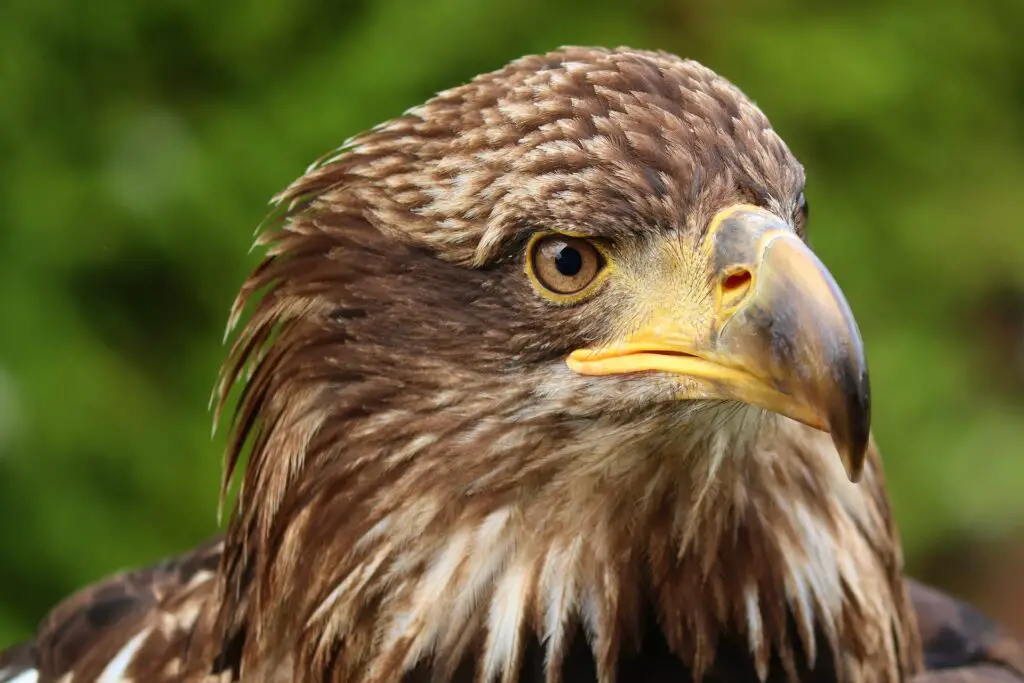
I can tell you that feeding your Golden Eagle is an important responsibility. These majestic birds are not just pets; they’re hunting companions and should be treated as such. It takes years of training to get these birds ready for the hunt, but it all starts with their diet.
But it’s not just about throwing any old meat at them – we have to ensure that their diet is balanced and nutritious so that they stay healthy and strong for many years of hunting ahead.
So if you want to become a successful falconer, make sure you take good care of your Golden Eagle by giving them the right food in the right amounts every day!