
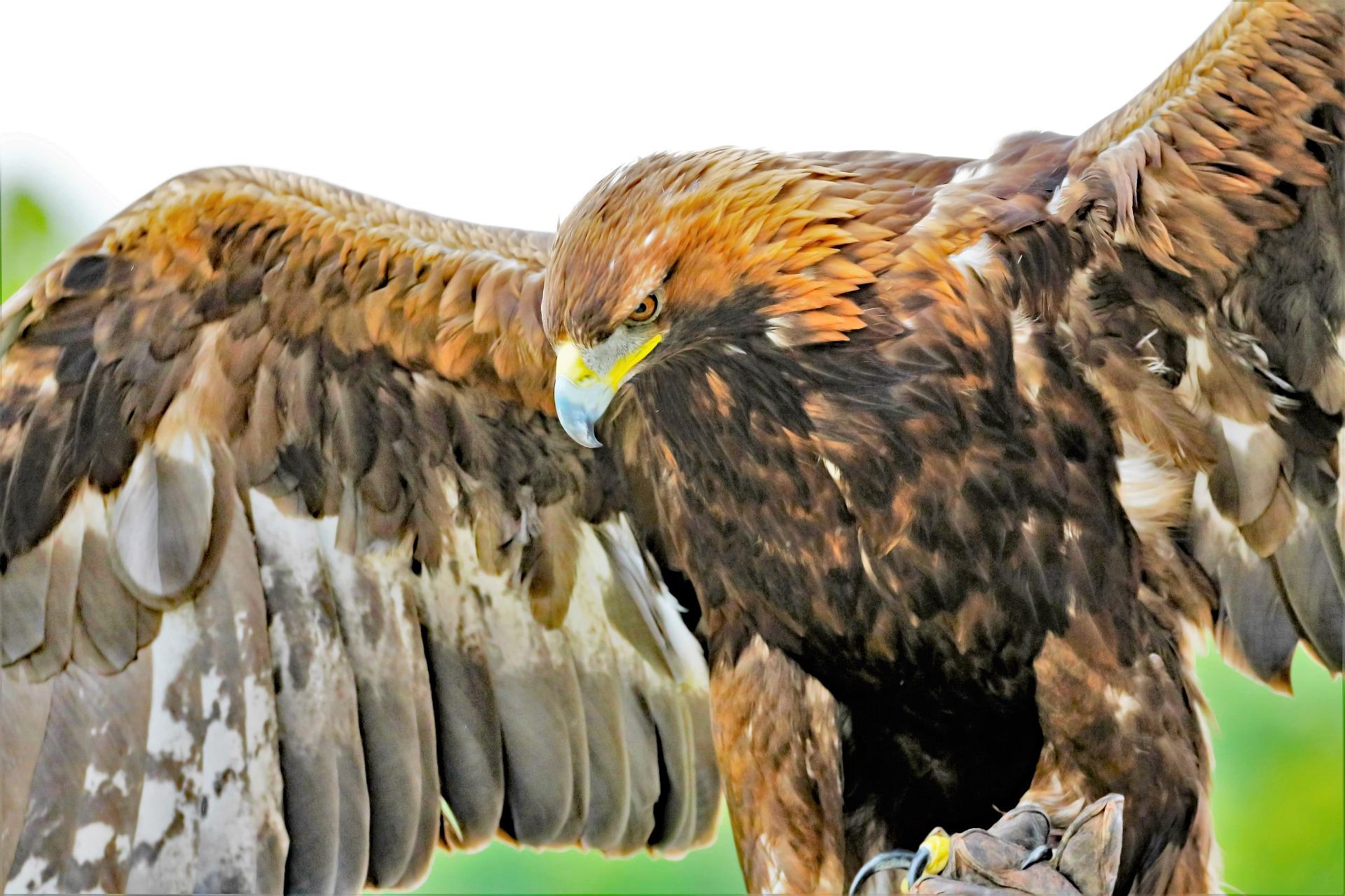
Do you want to learn about the Diet of Golden eagles? These birds of prey are found all over North America, and their Diet can vary depending on their location. So whether you have a golden eagle or are just curious about what they can and can’t eat, you are in the right place; we will explain exactly how and what to feed.
Golden eagles are carnivores, and as such, they eat a balanced diet of meat only. This includes small mammals like rabbits, squirrels, rodents, and larger game. However, they also eat a variety of birds, reptiles and amphibians, fish, and some insects. Therefore, when eagles are used in falconry, it’s best to replicate this as much as possible.
Golden eagles need a particular diet to live to their full potential. While they eat various things, it’s crucial to ensure they are fed these varieties for multiple reasons. The content below will aid in your journey for answers about what and how to feed them.
Are Golden eagles carnivorse omnivores or herbivores
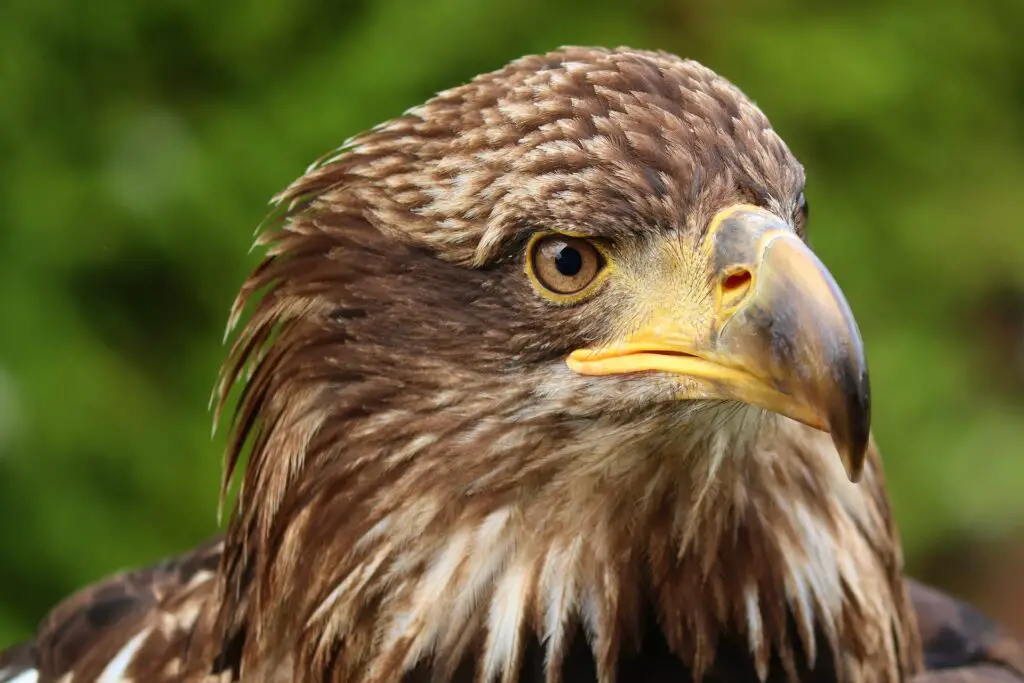
Golden eagles are carnivores, so you must be wondering what a golden eagle would hunt. implying that mostty of their Diet consists of meat. However, they are also known to occasionally eat small amounts of vegetation. Their Diet typically includes rabbits, squirrels, rodents, and birds in the wild. They have also been known to eat reptiles, amphibians, fish, and even carrion (decaying flesh). While golden eagles typically hunt during the day, they have also been known to hunt at night. In captivity, their Diet is usually supplemented with vitamins and minerals to ensure that they get all the nutrients they need.
Exploring the Diet of the Golden eagles
in the wild
While the Diet of the golden eagle varies depending on location and season, they typically prey on medium to large-sized mammals such as rabbits, squirrels, and deer. In addition to hunting alone, golden eagles will often cooperate with other eagles to take down larger prey. They will also scavenge carrion or steal food from other animals when food is scarce. By better understanding the Diet of the golden eagle, we can gain insight into the ecology of these amazing creatures.
in captivity / for falconry
The Diet of the Golden Eagle varies depending on the geographical location. In captivity(fed by a falconer), the Eagles are provided with a variety of meats, such as rodents, game birds, and rabbits. The vitamins and minerals in these meats help keep the eagle healthy and robust. While they typically prefer to hunt live prey, they will also eat carrion if it is available. Golden eagles have been known to take down animals as large as deer and coyotes. In addition to meat, they also consume bones, which provide them with essential nutrients. All of these elements together make up a well-rounded diet for the golden eagle.
Uncovering the Nutritional Needs of the Golden eagles
The golden eagle is one of North America’s most iconic birds of prey. Often seen soaring over open country or hunting for rabbits and squirrels, these striking birds are a welcome sight to many nature lovers. However, little is known about the nutritional needs of golden eagles. A recent study sought to fill this knowledge gap by tracking the movements and eating habits of a group of captive golden eagles. The results showed that these birds require a diet that is high in fat and protein, with relatively few carbohydrates. This finding could have important implications for the management of wild populations of golden eagles, as well as for the rehabilitation of injured or orphaned birds. With a better understanding of their nutritional needs, we can ensure that these magnificent creatures continue to thrive for generations to come.
What types of food are best for a Golden eagle
Golden eagles are opportunistic predators, meaning that they will hunt whatever prey is most available to them. In North America, their Diet typically consists of small mammals such as squirrels and rabbits, although they have been known to kill larger animals such as deer and pronghorn. Birds are also essential to the golden eagle’s Diet and have been known to prey on poultry, ducks and geese. They will also scavenge carrion or dead animals.
How often should I feed my golden eagle, and what are the consequences of inconsistent feeding
Golden eagles that are are usually fed on an irregular schedule, with food being provided only when they are hungry or when their falconers feel like they need to be fed. However, this inconsistency can actually have negative consequences for the birds. Golden eagles can become malnourished without a regular feeding schedule or even starve to death. Additionally, inconsistent feeding can lead to behavioural problems such as aggression or anxiety. This necessitates establishing a regular feeding schedule for golden eagles. Ideally, they should be fed once or twice a day, with food being provided at consistent times. This will help to ensure that the birds stay healthy and well-behaved.
Can my Golden eagle eat fruits or vegetables?
While most eagles are carnivores, feeding primarily on fish, small mammals, and other birds, the Golden eagle occasionally eats fruits and vegetables. In fact, this dietary diversity may be one of the reasons that the Golden eagle is such a successful predator. While other eagles stick to a strict meat diet, the Golden eagle can take advantage of whatever food is available, giving it a competitive edge when prey is scarce. In addition, the Golden eagle’s powerful sense of smell also allows it to locate fruit and vegetables that are hidden among the foliage. So, while your Golden eagle may not be interested in eating fruits and vegetables regularly, it can certainly do so if the need arises.

Can my Golden eagle occasionally have human junk food?
While your Golden eagle may enjoy the occasional treat of human junk food, it’s important to remember that these foods are not always healthy for birds. In fact, many junk foods are high in fat and calories, which can lead to weight gain and health problems. In addition, some junk foods contain additives and preservatives that can be harmful to birds. As a result, it’s essential for you as a falconer to limit the bird’s intake of human junk food or stop it entirely and ensure they get a balanced diet of healthy bird food. Doing so can help your bird stay healthy and avoid any potential health problems.
Golden eagles are magnificent creatures that play an essential role in the ecosystem, but their survival is threatened. If you see a Golden eagle, be sure to report it! They are an endangered species and need our help. You can make a difference by identifying these majestic creatures and reporting any sightings.