If you’re considering a goshawk for falconry, you’re choosing an agile and powerful hunter. These medium-sized birds have striking plumage and thrive in diverse habitats. Their lifespan ranges from five to ten years in the wild but can exceed fifteen in captivity with proper care. Nutrition and training are vital for their health and performance. Here’s a comprehensive guide on all you need to know about goshawks in falconry.
Goshawks are a popular choice for falconry due to their impressive hunting abilities and striking appearance. They belong to the Accipitridae family, which includes other birds of prey, such as eagles and hawks. Goshawks are found worldwide, with different subspecies inhabiting North America, Europe, Asia, and Africa.
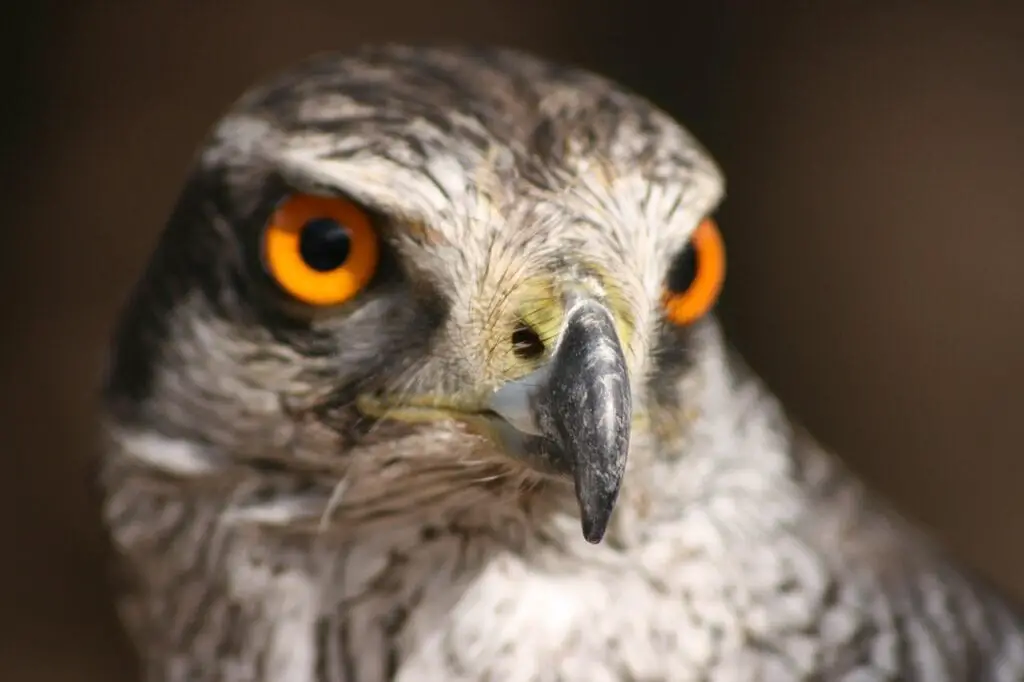
Scientific Name: Accipiter gentilis (Eurasian/Northern goshawk),
Family: Accipitridae
Diet: Carnivorous; preys on birds and small mammals
Lifespan: 10–15 years in the wild
Habitat and Range: Forests, woodlands, and open areas found in Europe, Asia, North America (Accipiter gentilis), and sub-Saharan Africa (Aerospiza tachiro)
Temperament: Fierce, territorial, and aggressive
Size:
- Males typically weigh 630–1,100 g (1.4–2.4 lb).
- Females weigh 900–2,000 g (2–4.4 lb).
- Their body length is generally 46–69 cm.
Weight: Males: 150–762 g (5.3–1.68 lb); Females: 270–1,150 g (9.5–2.54 lb)
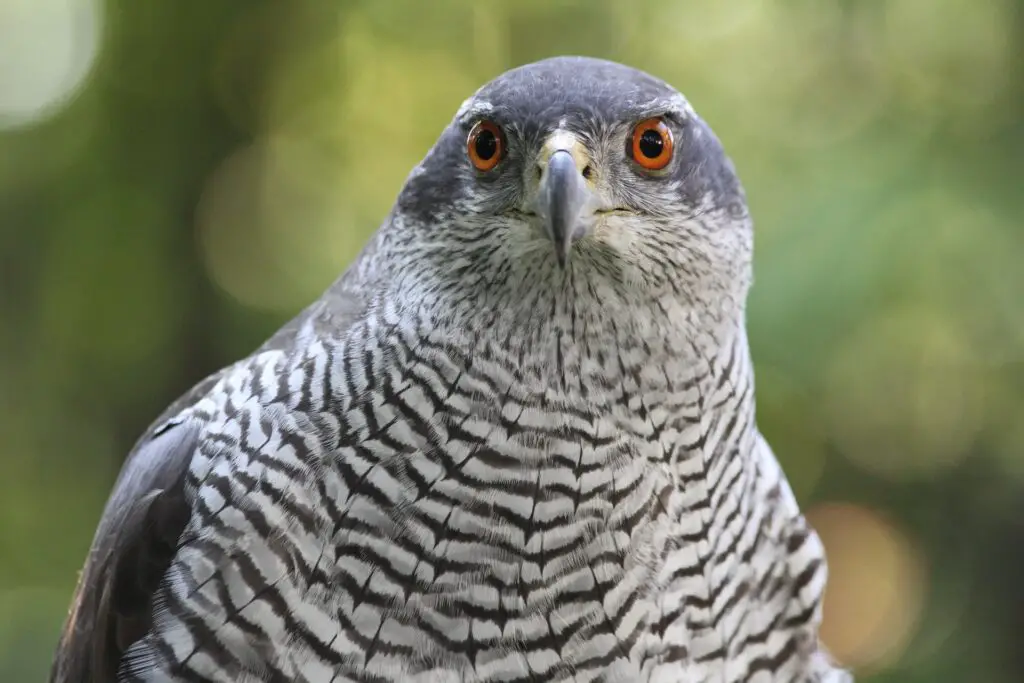
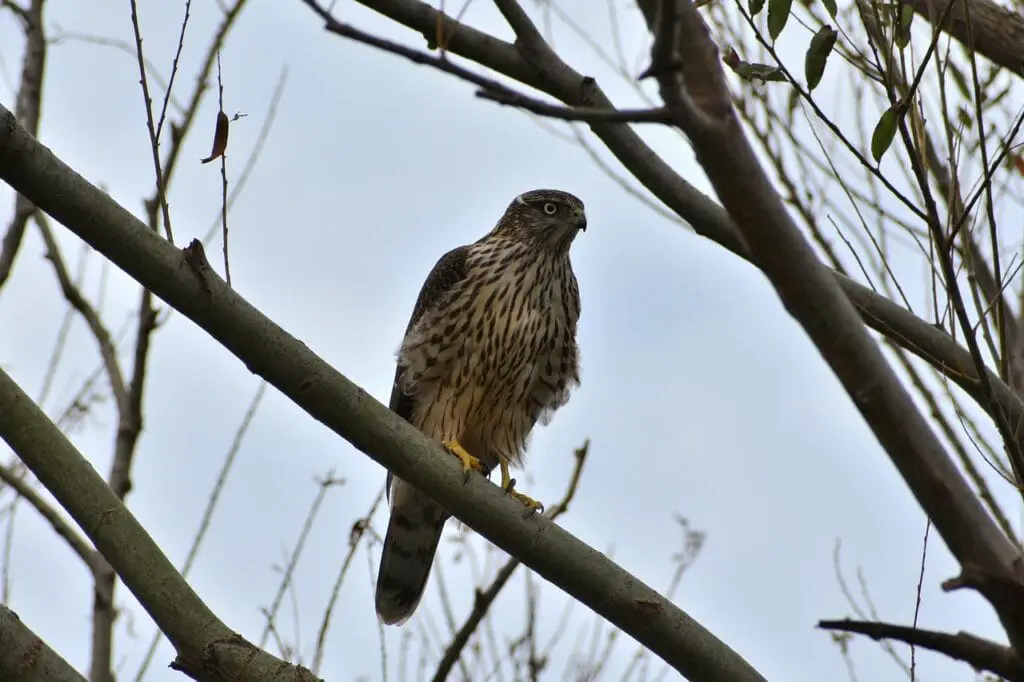
Color: Grey above with barred white underparts; juveniles are brownish
Wingspan: 76–121 cm (30–48 inch
Wing Shape: Broad for maneuverability
Tail Shape: Long and broad for agile flight
Conservation Status: Least Concern but affected by habitat loss in some regions
Biology and Natural History of Goshawk
As I explore the biology and natural history of the Goshawk, I’m captivated by its remarkable physical traits and adaptive behaviors. These medium-sized birds, with their striking plumage and fierce hunting skills, thrive in diverse habitats ranging from dense forests to urban landscapes. Understanding their social structure and hunting strategies gives us a deeper appreciation for these majestic raptors and their role in the ecosystem.
Taxonomy and classification
Goshawks belong to the family Accipitridae, which includes various birds of prey, such as eagles, kites, and hawks. The classification of goshawks is primarily based on morphological and genetic studies, leading to the identification of several species and subspecies.
General Classification
- Order: Accipitriformes
- Family: Accipitridae
- Subfamily: Accipitrinae
Major Species
- Northern Goshawk (Accipiter gentilis)
- Eurasian Goshawk (Accipiter gentilis)
- American Goshawk (Accipiter atricapillus)
- African Goshawk (Aerospiza tachiro)
- Formerly classified under Accipiter, this species is now recognized in the genus Aerospiza.
Native Habitat and Range
Goshawks thrive in a variety of habitats, showcasing their adaptability across different regions. I’m

Northern Goshawk (Accipiter gentilis)
Range:
- Found across North America, Europe, and Asia.
- In North America, they are distributed from Alaska and Canada down to parts of the western and northeastern United States.
- In Eurasia, they range from the UK and Scandinavia to Japan and northern China.
Habitat:
- Prefer mature forests, particularly coniferous and mixed forests.
- Often found in remote woodlands with dense tree cover, where they can hunt efficiently.
If you were referring to a different bird, let me know!
Social structure and hunting behavior
While observing Goshawks’ social structure and hunting behavior, I’m captivated by their intricate dynamics and fierce predatory skills. Their social dynamics often involve pairs or small groups, showcasing unique hunting strategies.
| Aspect | Description | Importance |
|---|---|---|
| Social Dynamics | Pair bonding, territoriality | Ensures breeding success |
| Hunting Strategies | Stealth, speed, ambush tactics | Maximizes prey capture efficiency |
| Prey Types | Birds, mammals, reptiles | Diversifies diet for survival |
Lifespan in the Wild vs. Captivity
In the Wild:
- Average lifespan: 10-15 years
- Maximum recorded lifespan: 19 years
- High mortality rates for juveniles due to predation, starvation, and environmental factors.
In Captivity:
- Can live 20–25 years or more.
- Longer lifespan due to consistent food supply, lack of predators, and medical care.

Common Diseases and Health Concerns Faced by Goshawks
Like other raptors, Goshawks can suffer from various diseases and health concerns, both in the wild and in captivity. Here are some of the most common issues they face:
1. Infectious Diseases
- Avian Influenza (Bird Flu): A highly contagious viral infection that can cause respiratory distress and neurological symptoms.
- West Nile Virus: Transmitted by mosquitoes, leading to weakness, tremors, and sometimes death.
- Aspergillosis: A fungal infection affecting the respiratory system, often caused by moldy environments.
- Trichomoniasis: A protozoal infection (commonly from infected prey like pigeons) that affects the mouth and throat, making it hard to eat.
2. Parasitic Infections
- Internal Parasites: Roundworms and tapeworms can cause malnutrition and digestive issues.
- External Parasites: Mites, lice, and ticks can damage feathers and irritate skin.
3. Nutritional Deficiencies
- Metabolic Bone Disease: Caused by calcium deficiency, especially in captive birds fed an imbalanced diet.
- Vitamin A Deficiency: This can lead to respiratory and vision problems.
4. Trauma and Injuries
- Collisions: With vehicles, windows, or power lines, often fatal.
- Gunshot Wounds & Poaching: Some are illegally hunted, especially in areas where they are seen as threats to game birds.
- Territorial Fights: Injuries from fights with other raptors.
5. Toxicity & Environmental Hazards
- Lead Poisoning: From ingesting prey contaminated with lead shot.
- Rodenticide Poisoning: Eating rodents that have consumed poisoned bait.
- Pesticides (e.g., DDT in the past): Can lead to eggshell thinning and reproductive failure.
Signs of illness and veterinary care
Recognizing the signs of illness in goshawks is essential for their health and longevity. Subtle changes, such as lethargy, where they sit quietly instead of displaying their usual active behavior, changes in appetite like refusing food or overeating, and abnormal droppings that differ in color or consistency, can indicate trouble. Adhering to veterinary protocols and scheduling regular check-ups are crucial for timely intervention and early detection of issues. By staying vigilant and proactive, we can safeguard their well-being and ensure our feathered companions thrive, allowing us to celebrate their incredible lives.
Diet and Nutrition
When it comes to the diet and nutrition of a goshawk, understanding its natural feeding habits is crucial for successful falconry. In captivity, I’ve found that replicating their wild diet with a balanced mix of birds and mammals keeps them healthy and agile. Plus, managing their weight effectively is vital to their training and performance, ensuring they’re always ready for action.
Natural diet and feeding behavior
Goshawks are opportunistic hunters known for their speed and agility. They prey on small to medium-sized birds, mammals, and reptiles. Some of the common prey species include:
Mammals:
- Squirrels
- Rabbits
- Hares
- Small rodents (mice, voles)
Birds:
- Pheasants
- Partridges
- Grouse

Captive Diet Considerations
In captivity, goshawks require a variety of food items that mimic their natural diet in terms of quality and quantity. A well-balanced diet often consists of whole-prey items like quails, rats, mice, or chicks and supplements like multivitamins and calcium. Ensuring they have access to fresh, clean water at all times is also crucial for their health and well-being.
Weight Management and Its Role in Training
Effective weight management is crucial in training goshawks, as it directly influences their performance and overall health. I’ve found that maintaining a consistent weight helps me track training progress and avoid weight fluctuations. Here are three key practices I follow:
- Regular feeding schedule: Ensures they receive balanced nutrition at optimal intervals.
- Monitoring body condition: Helps identify any necessary adjustments in diet or exercise.
- Adjusting flight exercises: Tailors their activity level to sustain ideal weight for hunting efficiency.
Care and Maintenance
These raptors require significant care and maintenance to thrive in captivity. As with any bird, providing suitable housing, proper hygiene, and regular veterinary check-ups are essential for their well-being.
Housing
Goshawks need spacious aviaries or mews (housing used for falconry birds) that allow them to move freely and exercise. The enclosure should provide protection from the elements, predators, and excessive noise. Proper flooring material like concrete is necessary for easy cleaning and disinfection. Additionally, perches of varying sizes and textures are recommended to keep their feet strong.
Hygiene
Maintaining good hygiene practices is crucial in preventing diseases and infections. Regularly cleaning the enclosure, food and water bowls, and perches with a mild disinfectant helps keep germs at bay. Providing fresh bedding material regularly also keeps the aviary clean and comfortable.
Veterinary Care
As mentioned earlier, regular veterinary check-ups are vital for detecting any health concerns in goshawks. It’s important to find an avian veterinarian trained in raptor medicine who can provide necessary vaccinations and treatment if needed.
Perches, Baths, and Environmental Enrichment
Goshawks are active birds that require enrichment activities to keep their minds and bodies stimulated. Providing various perch options, including natural branches of varying thicknesses, encourages natural behaviors like gripping and perching. Baths or shallow pools are also recommended for these birds to maintain feather quality and cool off on hot days. Additionally, providing toys and puzzles can keep them entertained and engaged in their environment.
Routine Health Checks and Beak/Talon Maintenance
I prioritize routine health checks and meticulous beak and talon maintenance to ensure my goshawks remain in peak condition. Regular inspections help me catch any issues early and keep my birds thriving. I focus on:
- Beak maintenance: I trim and polish their beaks to prevent overgrowth and ensure they can eat effectively.
- Talon care: I check for breaks or cracks, keeping them sharp for hunting.
- Overall health: I monitor weight, feathers, and behavior to detect any potential problems.
Preventing Stress and Aggression in Captivity
Over the years, I’ve learned that keeping a goshawk calm and manageable comes down to understanding its intense nature and working with it, not against it. These birds are high-strung by default, so their environment needs to feel as natural and stress-free as possible. A spacious, quiet enclosure with plenty of perches and visual barriers goes a long way in keeping them settled. I also pay close attention to their diet—whole prey like quail and pigeons, fed on a consistent schedule, helps prevent food-related aggression. Handling is another big factor. Goshawks don’t take well to excessive interaction, so I build trust gradually, using positive reinforcement and keeping my movements slow and deliberate. Regular flight training is essential, not just for exercise but to keep their sharp minds engaged. When breeding season rolls around, be cautious, as their territorial instincts generally kick in, making them more prone to showing aggression. Simple adjustments, like reducing disturbances and strategically placing perches, help keep things under control. At the end of the day, a goshawk will always be a goshawk—intense, reactive, and fiercely independent. But with the right balance of structure, respect, and daily attention, they can thrive in captivity without unnecessary stress or aggression.

Training and Handling
1. Understanding Goshawks
- Goshawks (Accipiter gentilis) are short-winged, long-tailed raptors built for speed and agility in dense forests.
- They have a reputation for being highly reactive and prone to stress, so careful handling is essential.
- Unlike falcons, which rely on soaring and stooping, goshawks hunt with bursts of speed and precision.
2. Equipment Needed
- Hood – Helps keep the bird calm when not in use.
- Jesses – Leather straps attached to the bird’s legs for control.
- Swivels & Leash – Used to secure the bird to a perch.
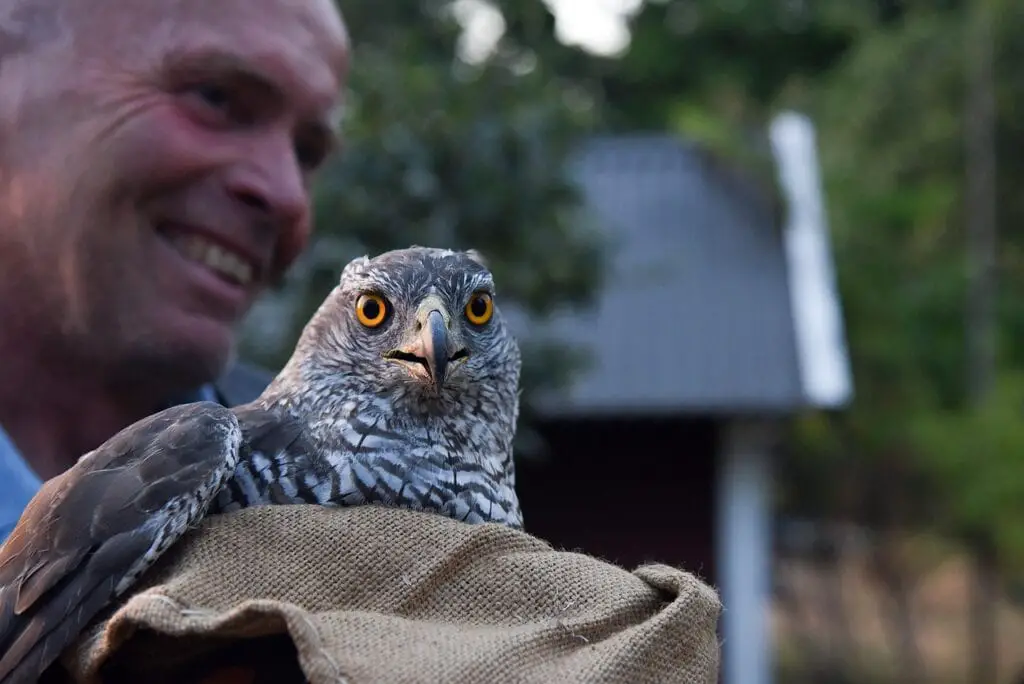
- Glove/Gauntlet – Protects your hand when handling the bird.
- Lure – A training tool used to simulate prey.
- Perches – Block or bow perches, depending on preference.
3. Training Process
A. Manning (Taming & Familiarization)
- Spend time with the bird while hooded to get it accustomed to your presence.
- Introduce the bird to the glove by offering food and gaining trust.
- Reduce fear by using gentle movements and low voices.
B. Creance Training (Controlled Flight)
- Attach a long creance (training leash) and allow the bird to fly short distances to the glove for food rewards.
- Gradually increase distances as the bird gains confidence.
C. Lure Training
- Introduce a lure (a leather pad or dummy with food attached) to simulate hunting.
- Teach the Goshawk to associate the lure with a food reward, reinforcing hunting instincts.
D. Free Flight & Hunting
- Once trust is established and the bird responds reliably to recall, transition to free flight.
- Train the bird to recognize and pursue live prey under controlled conditions.
4. Handling Considerations
- Goshawks can be temperamental; avoid sudden movements that might startle them.
- Be patient and calm, as they respond poorly to frustration or mishandling.
- Use positive reinforcement; never force compliance.
5. Telemetry
Choosing a Telemetry System
There are two main types of telemetry systems used in falconry:
- Radio Frequency (RF) Telemetry: Uses a small transmitter attached to the bird and a handheld receiver to track the signal.
- GPS Telemetry: Provides real-time tracking with a mobile app, often with geofencing and flight data.
Most falconers use RF telemetry as it is more reliable in remote areas, but GPS is becoming increasingly popular for its precision.
Equipment Needed
- Transmitter – Small, lightweight device attached to the bird.
- Receiver & Antenna – Used to pick up the transmitter’s signal.
- Mounting Equipment – This can be a leg mount, tail mount, or backpack system.
Attaching the Telemetry Transmitter
- Leg Mount: Uses a small transmitter attached to a bewit (a thin leather strap) around the bird’s leg. Good for smaller birds but may interfere with perching.
- Tail Mount: The transmitter is clipped onto a tail feather using a small sleeve. Provides good range and doesn’t interfere with movement.
- Backpack Mount: A harness system where the transmitter sits between the bird’s wings. Best for long-term use but requires proper fitting.
Training with Telemetry
- Get the Goshawk accustomed to wearing a transmitter before free flight.
- Check the signal strength and test the receiver in different environments.
- Practice using the receiver to locate the bird before relying on it in real situations.
Using Telemetry for Recovery
- If the Goshawk is lost, use the receiver to track its direction.
- Move systematically, following the strongest signal.
- GPS telemetry can provide exact coordinates via a mobile app.
Weight control for training effectiveness
Effective weight control is essential for training a goshawk, as it directly influences the bird’s performance and responsiveness. I’ve found that managing weight fluctuations is crucial; when my Goshawk’s weight is slightly reduced, it becomes more motivated and agile during training sessions. This careful balance enhances training efficiency, allowing us to achieve our goals faster. I regularly assess her weight and adjust her diet accordingly, ensuring she stays within the ideal range for optimal performance. By prioritizing weight control, I foster a strong bond with my Goshawk while maximizing her potential as a skilled hunting partner.
Legal and Ethical Considerations
Goshawks, particularly the Northern Goshawk (Accipiter gentilis), are protected under various legal frameworks that aim to conserve their populations and habitats. In the UK, for instance, the Wildlife and Countryside Act 1981 provides full protection to goshawks throughout the year. This legislation prohibits intentional disturbance during nesting, which is defined as any action that disrupts normal parental activities, including activities near nests containing eggs or young birds. A license from the Nature Conservancy Council (NCC) is required for any disturbance of a goshawk nest, emphasizing the need for careful management of nesting areas to prevent human interference.
In North America, while there are no significant pollutants affecting goshawk populations, habitat loss due to timber harvesting and livestock grazing poses a considerable threat. Legal protections often focus on preserving mature forests that serve as nesting and foraging habitats. Thus, effective management strategies must align with legal requirements to ensure the conservation of goshawk populations.
Ethical Considerations in Falconry
The practice of falconry, which involves using trained birds of prey like goshawks for hunting, raises several ethical questions. The ethics of using animals for hunting have been debated, particularly concerning animal welfare and ecological impacts. Some argue that falconry can be ethically justified if conducted sustainably and with respect for wildlife populations. The ethical framework includes ensuring that hunting practices do not violate nature protection laws and that they adhere to established hunting ethics such as fair pursuit and sustainable use.
Falconers are encouraged to source birds through captive breeding or responsible wild capture methods, ensuring that their practices do not threaten wild populations. Ethical considerations also extend to the treatment of captured birds, emphasizing their well-being during training and hunting activities. The balance between traditional practices and contemporary ethical standards remains a critical discussion point within the falconry community.
List of Ideal prey species for hunting with Goshawk
Game Birds (Primary Prey for Goshawks)
- Pheasants (Phasianus colchicus) – Strong fliers but can be successfully taken by a fit goshawk.
- Partridges (Perdix perdix, Alectoris rufa) – A perfect size for goshawks and easier to hunt than pheasants.
- Quail (Coturnix coturnix) – Small but great for younger or smaller goshawks.
- Grouse (Tetrao urogallus, Lagopus lagopus) – Challenging due to their speed but ideal for experienced birds.
- Woodcock (Scolopax rusticola) – Fast, evasive flyers; a real test for a skilled goshawk.
- Doves & Pigeons (Columba livia, Streptopelia spp.) – Readily available and a common training quarry.
Waterfowl (For Larger Goshawks)
- Teal (Anas crecca) – Small, fast ducks that are excellent quarry.
- Mallards (Anas platyrhynchos) – Can be taken by larger females, but challenging.
- Moorhens & Coots (Gallinula chloropus, Fulica atra) – Common in wetland areas, good alternative quarry.
Mammals (For a More Varied Diet)
- Rabbits (Oryctolagus cuniculus) – One of the most popular mammalian prey items, goshawks are well-suited for catching them.
- Hares (Lepus europaeus) – Larger and more challenging but possible for powerful female goshawks.
- Squirrels (Sciurus spp.) – Can be taken, but some falconers avoid them due to their sharp teeth and claws.
- Rats (Rattus norvegicus) – Readily available but should be avoided in urban areas due to disease risk.
Other Potential Prey
- Corvids (Crows, Magpies, Jackdaws) – Highly intelligent and can fight back, making them a good challenge.
- Starlings & Blackbirds – Small but abundant; often caught opportunistically.
- Weasels & Stoats – Risky prey due to their agility and sharp teeth, but occasionally taken.
Factors to Consider When Selecting Prey
- Size & Strength – Ensure the prey is appropriate for your bird’s size and skill level.
- Terrain – Dense woodland favors birds like pheasants and woodcock, while open fields are better for rabbits and hares.
- Regulations – Always check local hunting laws and restrictions regarding certain species.
Hunting Techniques
Hunting with a goshawk in falconry is an adrenaline rush like no other. These birds don’t hunt like falcons, soaring high and diving at prey from above. Instead, they’re built for speed and maneuverability in dense cover, using stealth and explosive power to ambush their target. When I take a goshawk out to hunt, I usually work in wooded or brushy areas where they can use the terrain to their advantage. The real magic happens when the game flushes—whether it’s a rabbit, squirrel, or pheasant—and the goshawk locks on, launching into a full-speed pursuit.
Timing the slip is everything. If I release too soon, the prey spots the hawk and bolts; too late, and the opportunity is gone. But when it’s just right, the Goshawk explodes forward, weaving through trees and brush with incredible precision. They don’t just chase—they commit, twisting, turning, and adjusting mid-flight to stay locked onto their target. When they strike, it’s raw power. Unlike falcons, which use a precise neck bite to finish their prey, goshawks hit hard, binding to their catch with a crushing grip.
Once the catch is made, the real challenge begins—recovery. Goshawks are naturally possessive, and if I just try to take the prey, I’ll end up with an angry, flared-up bird that doesn’t want to let go. Instead, I use a well-timed trade-off, offering a small, high-value piece of food in exchange for the kill. With experience, a well-trained goshawk becomes a relentless hunter, working seamlessly with me in the field. There’s nothing quite like watching one in action—it’s a perfect blend of instinct, precision, and raw hunting power.
Advantages and Challenges of Goshawk in Falconry
Pros:
- Unmatched agility as it weaves through trees, showcasing stunning aerial maneuvers.
- Keen hunting instincts, often surprising prey with stealthy approaches.
- Vigorous Goshawk behavior, highlighting its fearless nature when defending territory.
These attributes make the Goshawk an exhilarating companion in the field. I’ve witnessed firsthand its swift, calculated movements and powerful strikes. Its ability to adapt and excel in various environments truly cements the Goshawk’s reputation as one of the finest falconry birds.
Cons:
- Requires a lot of space to fly and hunt effectively.
- Can be more temperamental and aggressive compared to other falconry birds.
- Needs an experienced handler due to its size and strength.
Conclusion
The Goshawk has a long history with falconry, and for good reason. Its impressive hunting abilities and fearless nature make it an exciting bird to work in the field. However, as with any sport involving animals, ethical considerations should always be kept in mind to ensure the well-being of the bird and its prey. By carefully selecting appropriate prey species and following ethical guidelines, falconers can continue this ancient tradition while maintaining modern animal welfare standards. The Goshawk will undoubtedly continue to hold a special place in the hearts of falconers around the world for generations to come.
Accept the challenge of Goshawk falconry! With careful training, ethical practices, and the right equipment, you can unlock the full potential of these powerful raptors and experience the thrill of hunting with a true aerial predator.