
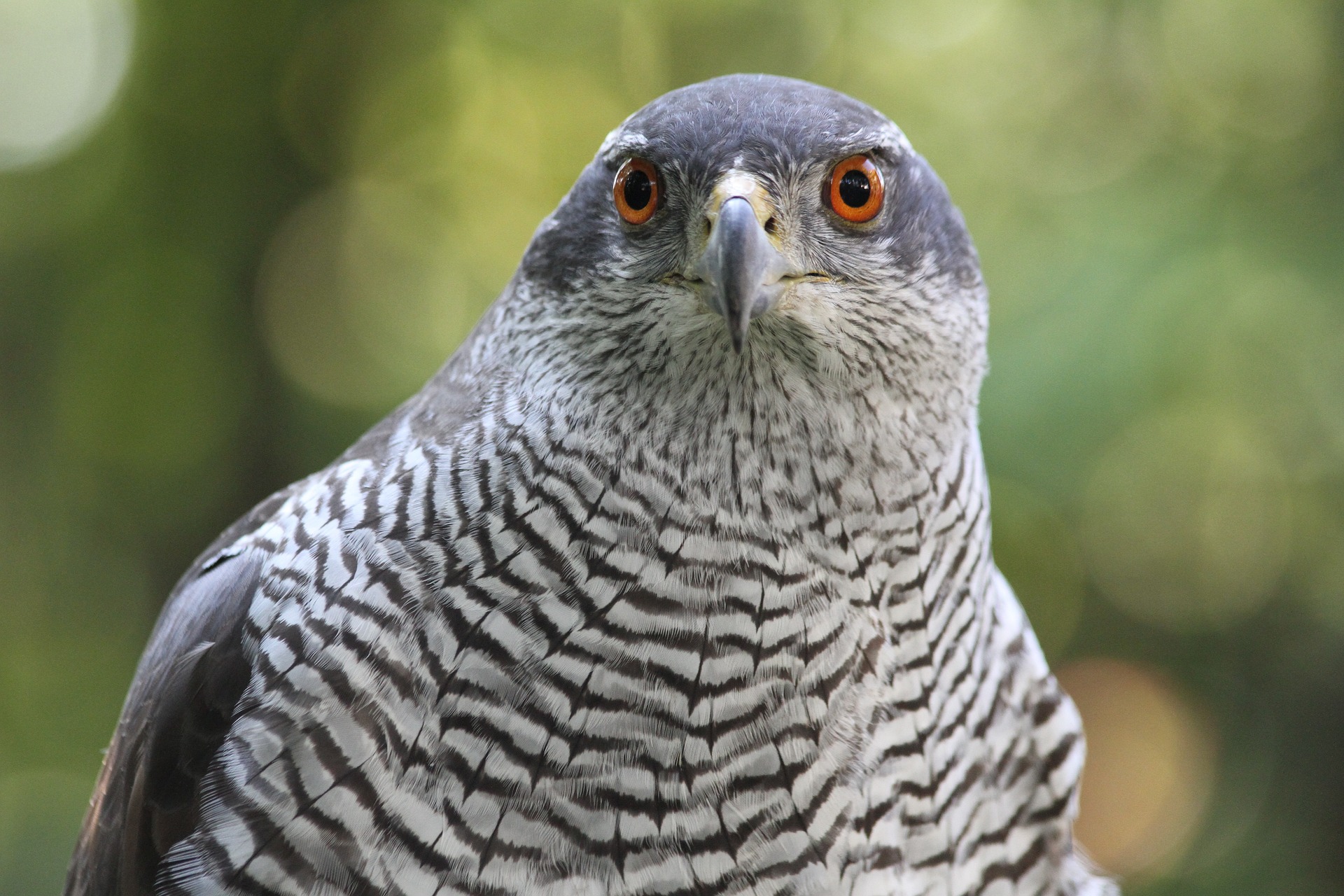
From their remarkable speed and agility to their magnificent hunting skills, training a Goshawk can be one of the most gratifying experiences for any bird enthusiast. Although taming them is by no means an effortless task, it requires patience, commitment and extensive knowledge about these raptors’ behaviour in order to make progress.
Start by finding a reputable breeder and ensuring you have the appropriate permits. Build trust with your bird through regular feeding and handling. Begin basic training techniques, such as recall and perch training, before moving on to more advanced exercises. Consistency, patience, and a deep understanding of the bird’s behaviour are essential to successfully training a goshawk.
With years of experience in avian training, I have had the privilege to work with various goshawks and acquire priceless wisdom through my journey. This article will share these invaluable lessons and provide an abundance of knowledge on how to effectively train a Goshawk while also preserving their natural instincts. Whether you are just starting out or looking for ways to sharpen your falconry skillset even more, this information can help foster a close relationship between you and your bird while ensuring they stay healthy under your guidance. So without further ado – let’s begin!
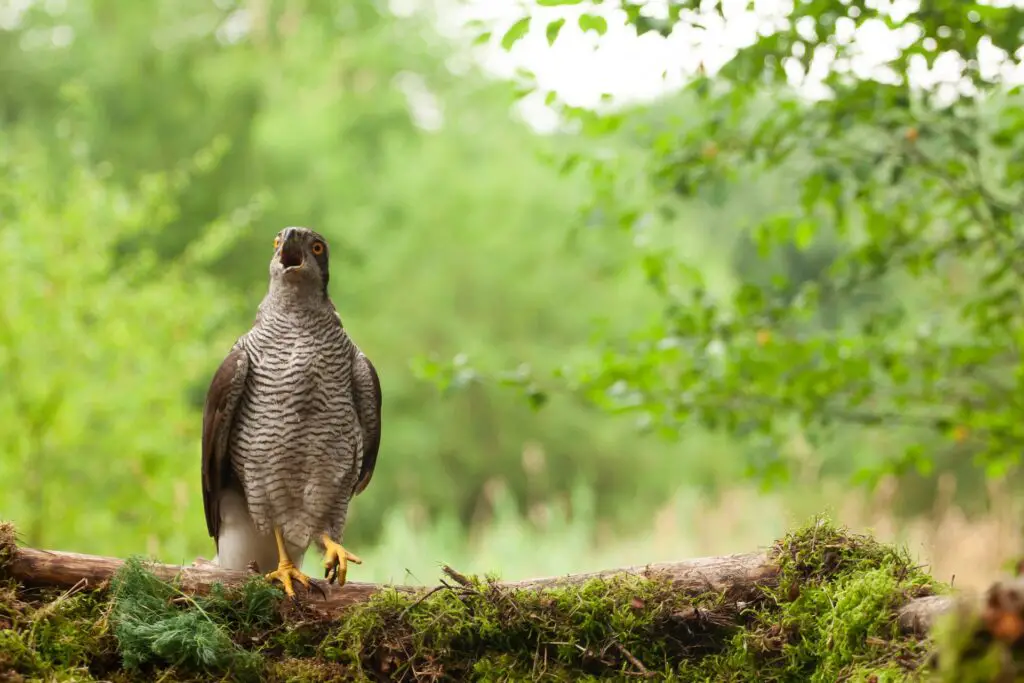
My Choice Of Equipment For Training A Goshawk?(Leather Hood, Jesses,Swivel,Leash,Lure,Training Perch, Weighing Scale)
When it comes to training a goshawk, the choice of equipment can make all the difference. As an experienced trainer, I always start with the basics: a sturdy leather hood to cover the bird’s eyes and keep them calm during handling. Jesses are also essential for securing the bird’s legs and attaching swivels for added control.
A well-designed leash provides further security during outdoor training sessions, while a reliable weighing scale helps me track the bird’s progress in terms of weight management. And let’s not forget about the lure – this is an indispensable tool for motivating goshawks to fly towards their prey or reward during training exercises.
To ensure a successful training experience for any goshawk, it is essential to find the highest quality perch. When looking for equipment for my own birds, I am always mindful of helping them reach their potential as incredible hunters and companions. With focused attention and regular practice with these tools, amazing successes can be attained by even novice trainers.
What I Chose When I Started Training My Goshawk?
When I first decided to begin training my own goshawk, I knew it would not be simple. But the strong bond and admiration that I felt for this majestic animal was what gave me the courage to pursue such an arduous task – one filled with both challenges and rewards.
I had to develop a strong bond with my goshawk before we could begin any formal training. This meant spending hours each day just sitting near her, talking softly and offering small pieces of food as rewards for good behaviour. Over time, she began to trust me more and more, eventually allowing me to handle her and even take her out for short flights.
One of the most important things I learned during this process is that patience is key when working with birds of prey. They are intelligent animals but also very independent, so it takes time and effort to gain their respect and obedience.
How I Built Trust And Established A Relationship With My Goshawk?
Building trust and establishing a relationship with a goshawk is no easy feat. To do this, I spent hours upon hours sitting near her enclosure, talking softly to her and tossing bits of food in her direction.
At first, she was hesitant and would only take the food when I wasn’t looking. Slowly but surely, she began to approach me more confidently. Once she realized that I meant her no harm and that I was there solely for her benefit, our bond grew stronger each day. Soon enough, she was perching on my glove and taking off at my command.
It’s important to remember that every bird is different and requires unique methods of training. The key is to stay patient and persistent while building your bond with them. Trust doesn’t happen overnight – it takes a lot of hard work and dedication from both you and your feathered friend.
A Step-By-Step Guide On How I Trained My Goshawk?
After establishing a relationship with my goshawk, it was time to start training her. Goshawks are notorious for being difficult birds to train because of their independent nature and high energy levels. However, with patience, consistency, and positive reinforcement techniques, I was able to successfully train my goshawk.
1. Start with basic obedience training: Before teaching your bird any hunting skills, it’s important to establish trust and obedience between the two of you. Begin by teaching simple commands such as “step up” or “come here”. Reward your bird with treats each time they follow through on a command correctly.
2. Introduce hunting skills slowly: Once your bird has mastered basic obedience training, begin introducing them to hunting skills one at a time. For example, start by having them fly short distances from your glove to a perch while holding food in front of them as bait.
3. Practice consistently: Consistency is key when it comes to training any animal. Take advantage of every opportunity you have to practice new skills with your bird.
4. Seek professional help if needed: If you’re struggling with training your goshawk, don’t hesitate to seek out the help of an experienced avian trainer who can guide you through the process.
Training a goshawk takes time and dedication, but seeing the progress and bond that develops between you and your bird makes it all worth it in the end. Remember to always approach each training session calmly and positively and never force anything onto your bird – this will only hinder their ability to learn and trust you. Trusting relationships take time, so be patient and enjoy the journey together!
Getting Your Bird to Respond To Recalls;
Getting my goshawk to respond to recalls was a challenge. I found success using multiple methods. One technique that worked well for me was the use of a whistle. I started by blowing the whistle every time I fed her. This created an association in her mind between the sound of the whistle and food. Eventually, she began to associate the whistle with coming back to me when called.
Another method I used was clicker training. Clickers are small devices that make a distinctive clicking sound when pressed. By pairing this sound with positive reinforcement (such as treats), my goshawk learned that certain actions were rewarded. For example, if she came back to me when called, I would press the clicker and give her a treat.

Basic Techniques: Lure, Tether, Hoping To The Glove, And Creance Training
To begin with, always remember that patience is key. The first technique I use is lure training, where food is used as motivation for the bird to follow me. This helps build trust and establish a bond between us. Once the bird becomes comfortable following me on the ground, I move on to tether training, where I attach a long leash or “jess” to its legs while allowing it to fly short distances.
Next up is hoping-to-the-glove training, which involves getting the bird to jump from one perch onto your gloved hand while holding food. Finally, creance training is where I introduce flying at longer distances using a thin line attached to the bird’s jesses while gradually increasing distance over time. These techniques may take weeks or even months, but consistent practice will help solidify these behaviours for successful free flight experiences in future sessions.
Introduce Smaller Prey, Gradually Moving Up To The Larger Game
When I first started training my goshawk, I knew that it was crucial to start with smaller prey before moving on to larger game. The key is to build up the bird’s confidence and hunting skills gradually so that it doesn’t become overwhelmed or discouraged. At first, I introduced my hawk to mice and rats, allowing her to practice catching them in a controlled environment.
As she became more comfortable with these smaller animals, we moved on to slightly larger prey, such as rabbits and squirrels. Each time we progressed to a new size of the animal, I made sure that there was plenty of opportunity for success while also challenging her abilities just enough. It was important not to push her too hard or too fast – building trust between myself and the bird is essential for successful training.
Now that my goshawk has become skilled at taking down rabbits and other mid-sized animals, we are slowly working our way up to larger game like pheasants and even ducks.
Advancing To Free-Flight Training: Moving To The Field
As my goshawk grew more comfortable with catching prey, it was time to move on to free-flight training. This is where the real fun began! I would take her out to an open field and let her fly freely while still tethered to me by a long leash. At first, she would only fly short distances before returning to my glove for a treat.
But as we continued our training sessions, she started flying longer and farther. Eventually, I felt confident enough in her skills to remove the leash and allow her complete freedom. Watching her soar through the air, dive down at incredible speeds, and snatch up prey mid-flight was truly awe-inspiring.
Here are some tips for those looking to start their own goshawk training journey:
1. Start small: Introduce your bird to smaller prey like mice or rats before moving on to larger game.
2. Be patient: Training a goshawk takes time and dedication. Don’t rush the process.
3. Build trust: Spend plenty of time bonding with your bird so that they learn to trust you completely.
4. Stay safe: Always use the proper equipment when handling your hawk, including gloves and leashes.
Start By Releasing The Bird Into An Area With An Abundance Of Prey And Allow Them To Hunt At Their Own Pace
Alright, now that you have your goshawk and have familiarized yourself with its behaviour and needs, it’s time to start training. As the saying goes, “Let them spread their wings”. The first step is to release the bird into an area teeming with prey like rabbits or pigeons. Allow them to hunt at their own pace without any interference from you.
This will give your goshawk a chance to develop its natural hunting instincts and build up its strength. Observe your bird closely during this phase of training so that you can learn about its preferred strategies for catching prey. Once they’ve caught some prey on their own, reward them with treats such as small pieces of raw meat or even mice if that’s what they prefer.
In order to track the progress of your goshawk, I recommend using a tracking system where one column lists skills learned while the other notes areas in which improvement is needed. Here’s an example table:
| Skill Learned | Area Needing Improvement |
| Hunting techniques | Flying endurance |
| Target accuracy | Obedience commands |
| Prey retrieval | Socialization |
Next, Move On To Areas With Harder Prey And See How Your Raptor Performs
Now that your goshawk is comfortable with easier prey, it’s time to challenge them a bit more. You can start by introducing them to areas where the prey might be harder to catch. This will test their skills and help them develop better hunting techniques. Keep in mind that this should be done gradually so as not to overwhelm or discourage the bird.
Observe how your raptor behaves in these new environments. Pay attention to their body language, such as how they move and react when spotting potential prey. If you notice any signs of hesitation, take a step back and work on building up their confidence before moving on again. Remember that each bird is different and may require different strategies for training.
As your goshawk becomes more proficient at catching harder prey, continue pushing them further by introducing new challenges, such as different terrain or weather conditions.
Fine-Tuning Your Training: Perfecting The Basics
Did you know that male goshawks are usually smaller than females? This enables them to require less food and space while they’re being trained. Nonetheless, this doesn’t guarantee that training a male is any more straightforward than a female.
When it comes to fine-tuning your training methods for your goshawk, perfecting the basics is key. One of the most important things you can do is establish trust with your bird. Spend time with them every day, even if it’s just sitting near their perch and talking softly to them. This will help build a bond between you and your bird, which will make training much easier in the long run.
Another crucial aspect of goshawk training is consistency. Make sure that you have a set routine for feeding, exercising, and handling your bird, and stick to it as closely as possible. Goshawks thrive on structure and predictability, so providing them with a consistent environment will help reduce stress and anxiety levels.
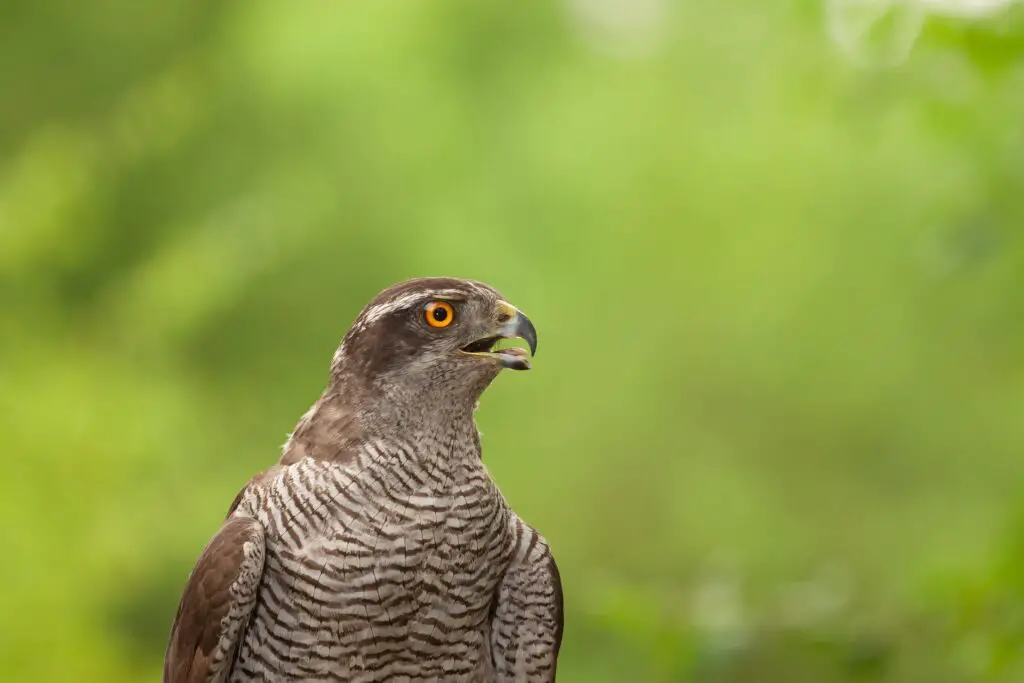
Based On My Experience With Training A Goshawk
I can vouch that training a goshawk calls for an abundance of patience and dedication. These formidable birds are renowned for their ill temper, thus necessitating the presence of a knowledgeable handler who is devoted to forming an affinity with them over time.
The first step in training a goshawk is basic obedience. You must establish yourself as the leader of the pack by working on recall, perch training, and food motivation. Goshawks have an insatiable appetite, so use this to your advantage during training sessions.
Once your bird has mastered basic obedience, you can move on to more advanced techniques, such as hunting or flying at longer distances. Remember that each bird is unique and will learn at its own pace. Do not rush the process, as this could lead to setbacks in your progress.
Training a goshawk takes hard work, but the rewards are well worth it. Watching these magnificent creatures take flight under your command is truly awe-inspiring. With patience and persistence, anyone can become a skilled falconer capable of handling even the most challenging birds of prey.
In conclusion, training a goshawk requires patience, dedication and, most importantly – trust. It’s important to choose the right equipment and build a strong relationship with your bird of prey before starting any training. Just like building a friendship, it takes time for your goshawk to trust you and feel comfortable around you.