

Have you ever seen a gyrfalcon hunting? If you have this will surely make you want to add one to your collection of birds of prey. The way this raptor moves and strikes prey is a sight to behold. It really is nature at its best. These powerful raptors are known for their capabilities when hunting, but while they boast loads of capabilities, are they really suited for Falconry?
Gyrfalcons are classed as a good option for Falconry, this is because they are good learners and respond well to commands. This raptor can be used for a wide range of hunting, from gamebirds to small mammals. Gyrfalcons are also able to hunt in different terrain. Be warned though this type of falcon is powerful and requires an experienced handler.
Firstly, let’s take a closer look at the characteristics that make the Gyrfalcon stand out from other birds of prey. As the largest member of the falcon family, these birds can weigh up to 3 pounds and have a wingspan of over 5 feet! They are also incredibly fast and agile in flight, capable of reaching speeds of up to 110 mph when diving after their prey. These attributes make them an attractive option for hunters looking to take down larger game, such as ducks or grouse.
However, there are some important factors to consider before deciding if a Gyrfalcon is right for you as a falconer.
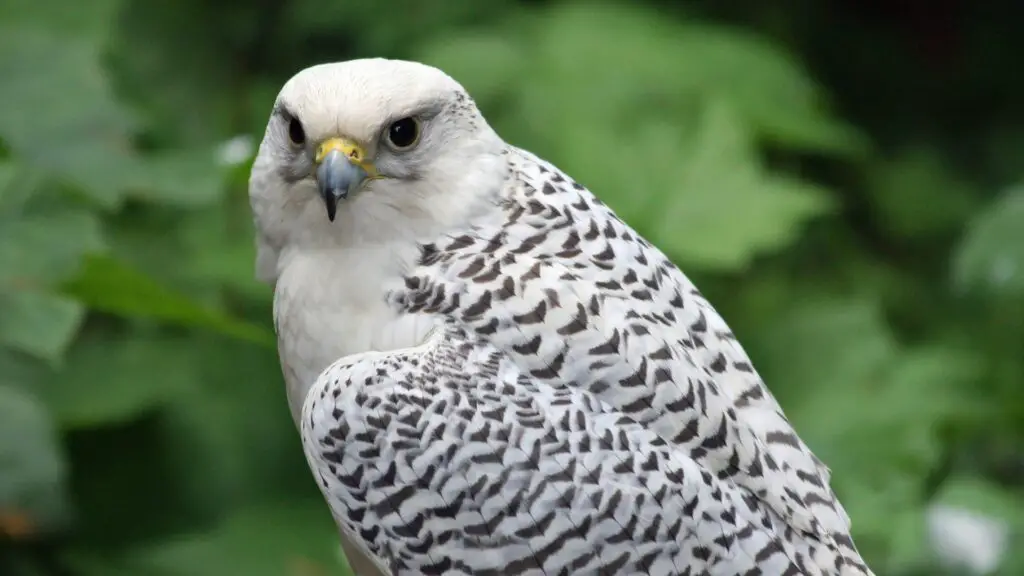
The Pros Of Keeping A Gyrfalcon For Falconry
Gyrfalcons are considered one of the best birds for Falconry due to their impressive hunting capabilities. They have been known to take down prey twice their size, making them a formidable ally in the hunt. Additionally, gyrfalcons possess unique temperament traits that make them ideal birds for those who enjoy working with strong-willed animals.
However, it’s important to note that training a gyrfalcon can be challenging and requires patience and dedication. Equipment requirements are also significant when keeping a gyrfalcon as they need ample space to fly and exercise. Lastly, there are legal regulations surrounding the use of raptors for falconry purposes, so it’s crucial to familiarise oneself with these laws before embarking on this journey.
Despite these challenges, many find the rewards of keeping a gyrfalcon well worth the effort. As we delve deeper into this topic, let’s explore both the pros and cons of keeping a gyrfalcon for Falconry.
The Cons Of Keeping A Gyrfalcon For Falconry
Let’s just say that keeping a Gyrfalcon for Falconry is not exactly a walk in the park. There are several training challenges associated with this bird, particularly because of its large size and unique temperament.
Additionally, their dietary requirements can be quite expensive and time-consuming to maintain. Size considerations also come into play, as they require larger housing spaces compared to other birds used in Falconry.
Legal restrictions vary depending on your location, and you may need special permits to keep them. Finally, there are temperament issues; these birds are known to be aggressive towards humans if not trained properly or handled by experienced professionals.
Overall, while owning a Gyrfalcon may seem appealing at first glance, it is important to consider these cons before making any decisions.
important Factors To Consider Before Getting A Gyrfalcon
Before getting a Gyrfalcon, there are several important factors to consider.
Firstly, you need to ensure that you have adequate housing requirements for the bird. This means providing them with a spacious aviary and outdoor space for exercise.
Secondly, training techniques are crucial in ensuring that your Gyrfalcon is obedient and responsive to commands during hunting sessions. It’s essential to establish trust between yourself and the bird before attempting any training.
Thirdly, it’s vital to understand the hunting capabilities of this species as they can be quite powerful predators. Additionally, diet restrictions must be taken into consideration as Gyrfalcons require a specific diet consisting mainly of raw meat.
Another significant factor that needs attention is legal considerations surrounding keeping these birds for falconry purposes. You will need proper permits and licenses from local authorities before acquiring one legally.
In the next section, we’ll provide some tips on working with these majestic birds of prey in Falconry while emphasising safety measures and ethical handling practices.
Tips For Working With Gyrfalcons In Falconry
As we discussed in the previous section, there are many factors to consider before getting a Gyrfalcon for Falconry. However, if you do decide that this majestic bird is right for you, then it’s important to know some tips for working with them.
First and foremost, training techniques are crucial when it comes to creating a successful partnership between you and your Gyrfalcon. Positive reinforcement methods have been proven to be effective in teaching these birds how to hunt and interact with their handlers.
When it comes to housing requirements, Gyrfalcons need spacious aviaries or mews that provide plenty of room for flying and perching. Additionally, these birds require a clean environment with proper ventilation and temperature control.
Diet considerations are also essential as they play a significant role in maintaining the health of your Gyrfalcon. A balanced diet consisting of high-quality protein sources such as quail or rabbit should be provided regularly.

Hunting strategies will depend on the type of prey you plan on hunting with your Gyrfalcon. These birds can take down large game animals such as hares or grouse but may require additional training and conditioning for such pursuits. It’s critical to understand the unique characteristics of your particular bird so that you can develop an appropriate strategy.
Finally, ensuring the overall health maintenance of your Gyrfalcon requires regular check-ups by a veterinarian specialising in avian medicine. Vaccinations against common diseases and parasites must also be administered timely because prevention is always better than cure.
Remembering these five keywords- Training techniques, Housing requirements, Diet considerations, Hunting strategies & Health Maintenance will eventually lead to great success while working with a gyrfalcon in Falconry!
These powerful raptors have loads to offer with their unparalleled speed and power during hunting; they do need lots of time, effort and a wealth of resources to take care of these raptors properly. But those that are willing to invest the time and dedicate resources will find loads of joy while working with these raptors. While these are quite demanding species, the rewards of training a species like this can only be felt and not described, but I will say it’s a feeling of exhilaration when you watch your raptor take down its prey.