
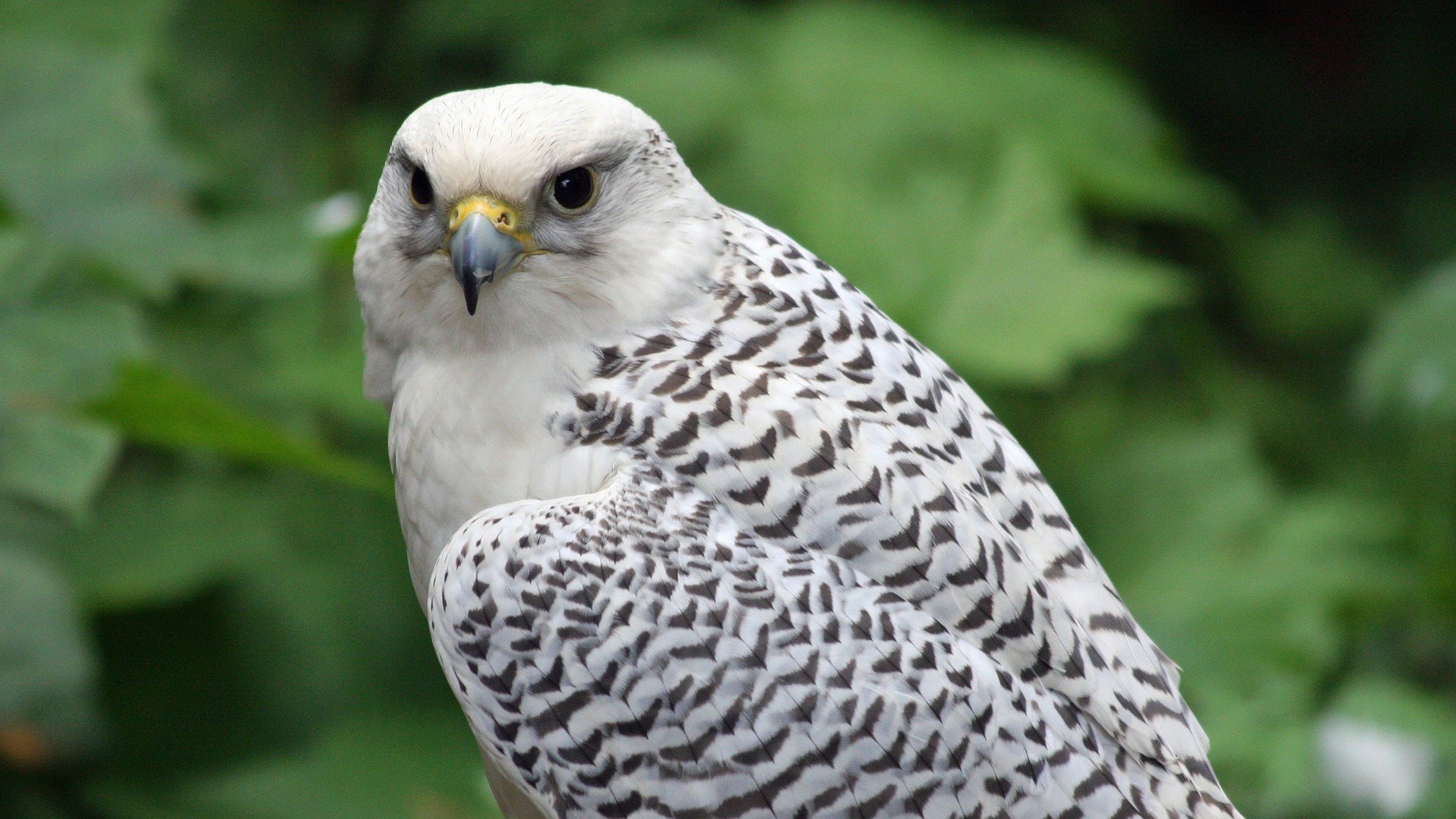
Creance training is an essential technique used in falconry to train birds of prey, including gyrfalcons, to hunt and fly freely while retaining control over them. This guide outlines the steps and best practices for effectively training your Gyrfalcon.
Benefits of Creance Training
Creance training for Gyrfalcons offers numerous benefits that enhance their physical fitness and hunting skills. During training, a creance, a long line attached to a falcon’s jesses, allows for controlled flight exercises. These exercises help build the bird’s strength, endurance, and stamina, which are crucial for successful hunting flights.
By flying on a creance, Gyrfalcons learn to navigate different terrains, adapt to varying weather conditions, and improve their overall flying skills.
Setting Up Your Creance System
To properly set up your creance system for Gyrfalcon training, the first step involves selecting a durable and lightweight long line suitable for controlling the bird during flight exercises. The long line should be made of a strong material that can withstand the bird’s strength and movements but is also lightweight enough not to impede its flight. A recommended length for the creance line is around 100 feet to allow the bird enough space to fly and maneuver without getting tangled.
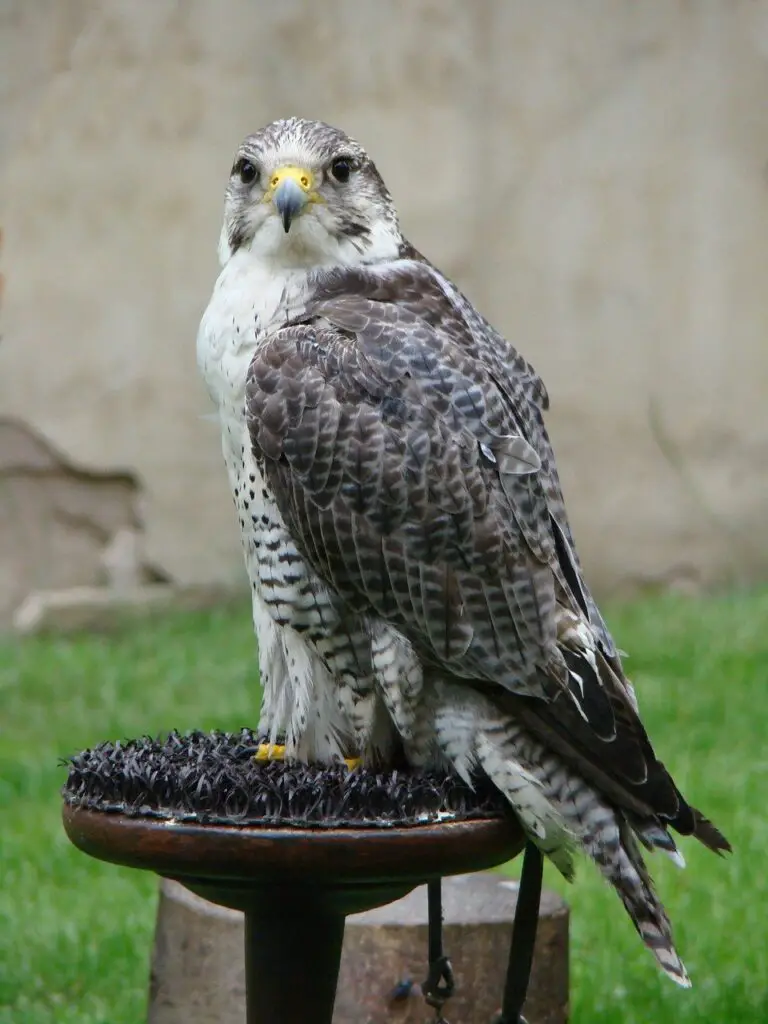
Next, you’ll need to attach a swivel to one end of the long line. The swivel prevents the line from twisting as the bird flies, giving it more freedom of movement and reducing the risk of entanglement. Make sure the swivel is securely attached to the long line to avoid any accidents during training sessions.
Lastly, ensure that the other end of the creance line is securely fastened to a reliable anchor point. This anchor point should be stable and able to withstand the bird’s pull without coming loose. By following these steps, you can set up a safe and effective creance system for Gyrfalcon training.
Equipment Needed
- Creance Line: A strong, lightweight line, typically made of nylon or another durable material.
- Glove: A falconry glove to protect your hand.
- Jesses: Leather straps attached to the bird’s legs.
- Swivel: A device to prevent the line from tangling.
- Perch: A secure place for the bird to land.
- Lure A bait or piece of meat to reward the bird.
- Hood: To keep the bird calm when not training.
Steps for Creance Training
- Initial Acclimation
- Hood Training: Get your Gyrfalcon accustomed to wearing a hood. This helps keep them calm when not flying.
- Man Training: Spend time with the bird to build trust. Carry it on your glove around your home and yard, allowing it to get used to your presence and the surroundings.
- Introducing the Creance Line
- Attach the creance line to the swivel and jesses. Ensure the line is secure but not too tight to restrict movement.
- Start in a controlled environment, such as a large room or an enclosed yard, free from distractions and potential hazards.
- Short Flights
- Begin with short flights of a few feet. Hold the Gyrfalcon on your glove and gently encourage it to fly to a nearby perch using a lure.
- Gradually increase the distance as the bird becomes more comfortable. Use the creance line to control the distance and ensure the bird’s safety.
- Increasing Flight Distance
- Progressively lengthen the flights over several sessions. Extending the creance line allows the bird to fly further.
- Always reward successful flights with a lure or piece of meat. This positive reinforcement helps the birds associate flying and returning with a reward.
- Introducing Commands
- Use consistent commands or signals, such as a whistle or a specific call, when encouraging the bird to fly and return.
- Practice these commands regularly to build a strong response from the bird.
- Outdoor Training
- Once the bird is responding well indoors or in an enclosed space, move to an outdoor area with more space.
- Ensure the area is free of potential dangers such as power lines, traffic, and predators.
- Continue to use the creance line, gradually allowing the bird more freedom as it demonstrates reliability.
- Flying Free
- Once the bird consistently responds to commands and returns reliably, you can start flying it without the creance line.
- Begin with shorter distances and gradually increase as you build confidence in the bird’s training and recall.
- Regular Practice
- Regular flying sessions are crucial to maintaining the bird’s skills and fitness. Consistency in training helps reinforce learned behaviors.
- Vary the training environments to prevent the bird from becoming too accustomed to one location. This prepares it for hunting in different terrains.

Tips for Successful Creance Training
- Patience and Consistency
- Training a gyrfalcon requires patience and consistency. Sessions should be frequent but not overly long to prevent fatigue.
- Be patient with your bird. Some days may be more challenging than others, but persistence is key.
- Safety First
- Always prioritize the bird’s safety. Ensure the creance line is checked for wear and tear and that the training area is secure.
- Monitor the bird for signs of stress or fatigue and adjust training sessions accordingly.
- Positive Reinforcement
- Use positive reinforcement consistently. Rewards for successful flights and responses encourage the bird to repeat desired behaviors.
- Avoid punishment or negative reinforcement, as this can create fear and distrust.
- Understanding Behavior
- Learn to read your bird’s body language. It is crucial to understand when your bird is ready to train, when it is stressed, or when it needs a break.
- Observe how it reacts to different stimuli and adjust your training methods to suit its temperament.
- Health Checks
- Regular health checks are essential to ensure your bird is in good health and at an appropriate weight for training.
- Consult with a veterinarian experienced in birds of prey for regular check-ups and any health concerns.
- Record Keeping
- Keep detailed records of training sessions, including distances flown, responses to commands, and any issues encountered.
- This helps track progress and identify patterns or areas that need improvement.
Troubleshooting Common Issues
- Reluctance to Fly
- If the bird is reluctant to fly, it could be due to fatigue, stress, or health issues. Ensure it is well-rested, healthy, and not overweight.
- Use a more enticing lure or try a different training environment to spark its interest.
- Failure to Return
- If the bird is not returning, reassess the rewards being offered. Ensure they are highly desirable.
- Practice recall commands in a more controlled environment and gradually increase the difficulty.
- Line Tangles
- Tangles in the creance line can be dangerous. Regularly check the line for twists and ensure it is free-flowing.
- Use a high-quality swivel to reduce the risk of tangling.
- Distracted Bird
- If the bird is easily distracted, reduce external stimuli as much as possible during training.
- Gradually introduce distractions to train the bird to focus despite them.
Techniques and Tips for Creance Training
For effective Gyrfalcon training on the creance, incorporating a variety of techniques and tips is essential to ensure progress and success in the bird’s development. When starting creance training with a Gyrfalcon, it’s crucial to gradually increase the length of the line to build the bird’s strength and stamina. Begin with short flights, allowing the bird to become accustomed to the weight and drag of the creance. As the bird gains confidence and ability, extend the distance gradually.
Utilize positive reinforcement during creance training sessions by rewarding the Gyrfalcon with treats or praise when it performs well. This helps to reinforce desired behaviors and encourages the bird to continue cooperating during training. Consistency is key in creance training; establish a routine and stick to it to maintain the bird’s progress.
When training on the creance, always prioritize the bird’s safety. Regularly check the equipment for any signs of wear and ensure the training area is free from obstacles that could potentially harm the bird.
Creance training is a vital part of preparing a gyrfalcon for falconry. It requires dedication, patience, and a deep understanding of the bird’s behavior and needs. By following these steps and tips, you can successfully train your Gyrfalcon to fly freely and return reliably, paving the way for a successful partnership in the field.
Frequently Asked Questions
How Long Should a Gyrfalcon Be Creance Trained?
- I’d recommend creance training a Gyrfalcon for at least 2-4 weeks to ensure a solid foundation in recall and response. This period allows the falcon to build trust and familiarity with the handler while developing crucial skills.
Can Creance Training Be Harmful to Gyrfalcons?
- Creance training can be harmful to gyrfalcons if not done correctly. It’s crucial to follow proper techniques and monitor the bird’s condition closely. Overexertion, stress, and improper handling can lead to injuries and negative outcomes.
When Is the Best Time to Start Creance Training?
- The best time to start creance training a gyrfalcon is when it is physically mature enough to handle the weight and drag of the creance line, usually around six months old.