The Gyrfalcon, the largest and most powerful of all falcons, has long been revered by falconers, royalty, and bird enthusiasts alike. Native to the Arctic tundra, these magnificent raptors are known for their incredible speed, strength, and striking plumage variations. Whether you’re an experienced falconer or simply fascinated by birds of prey, this guide will take you through the history, characteristics, and unique hunting abilities of the legendary Gyrfalcon.
Gyrfalcon (Falco rusticolus)
- Scientific Name: Falco rusticolus
- Family: Falconidae
- Diet: Carnivorous; primarily feeds on birds (such as ptarmigan and waterfowl) and small mammals
- Lifespan: 12–20 years in the wild; up to 25 years in captivity
- Habitat and Range: Arctic regions of North America, Europe, and Asia; prefers tundra, coastal cliffs, and open landscapes
- Temperament: Solitary and territorial; aggressive hunters with strong flight capabilities
- Size: 48–65 cm (19–26 in) in length
- Weight: 800–2,100 g (1.8–4.6 lbs), with females significantly larger than males
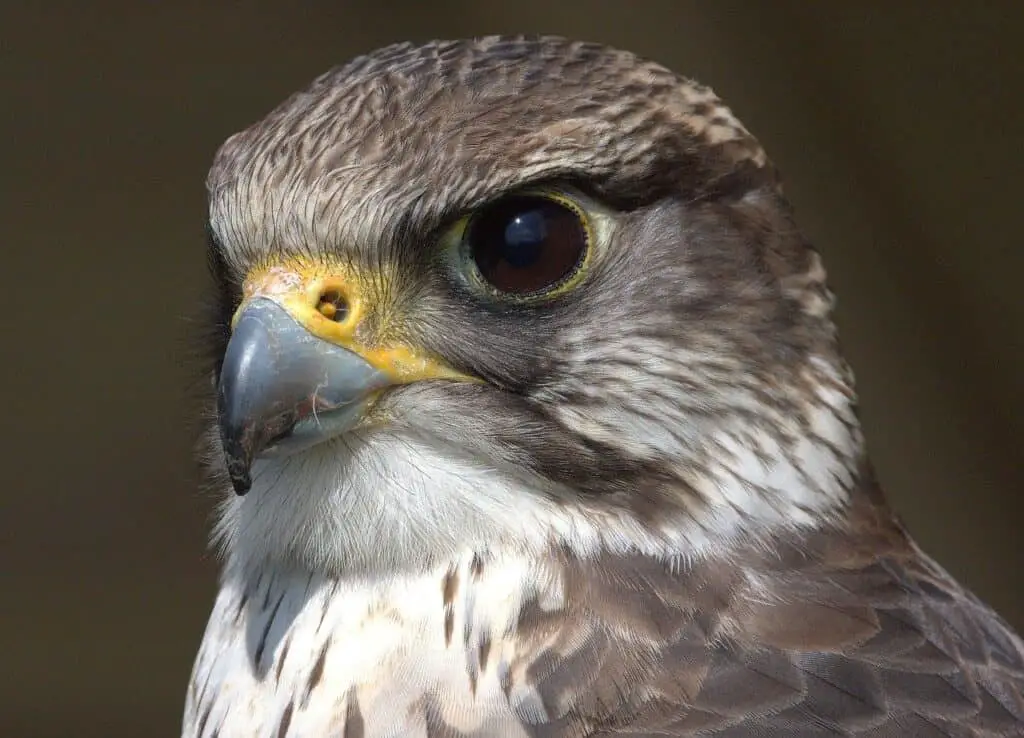
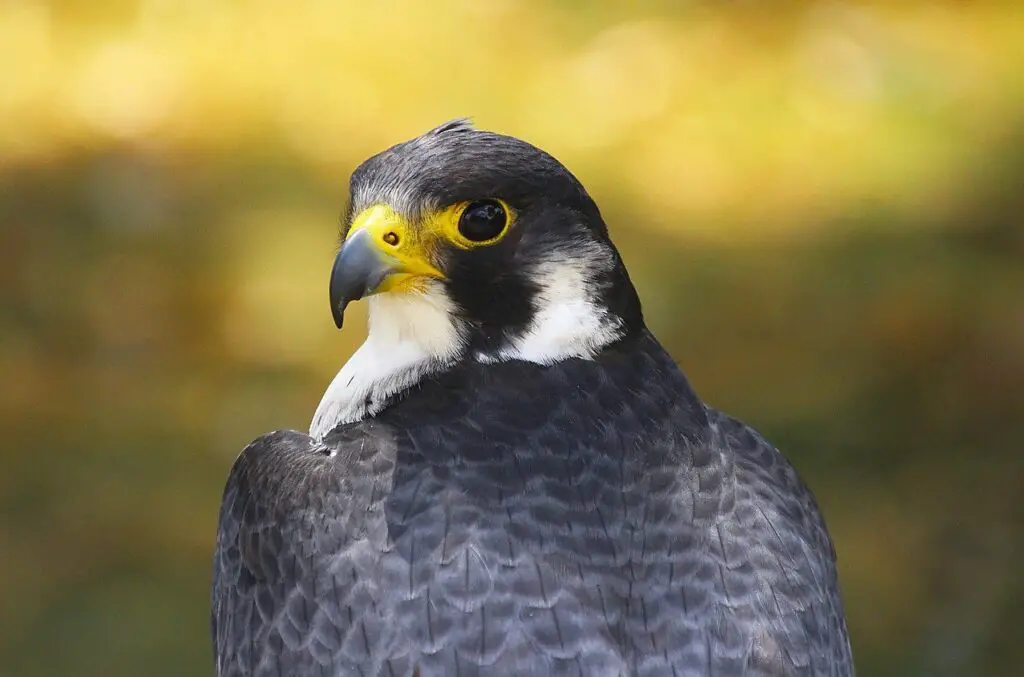
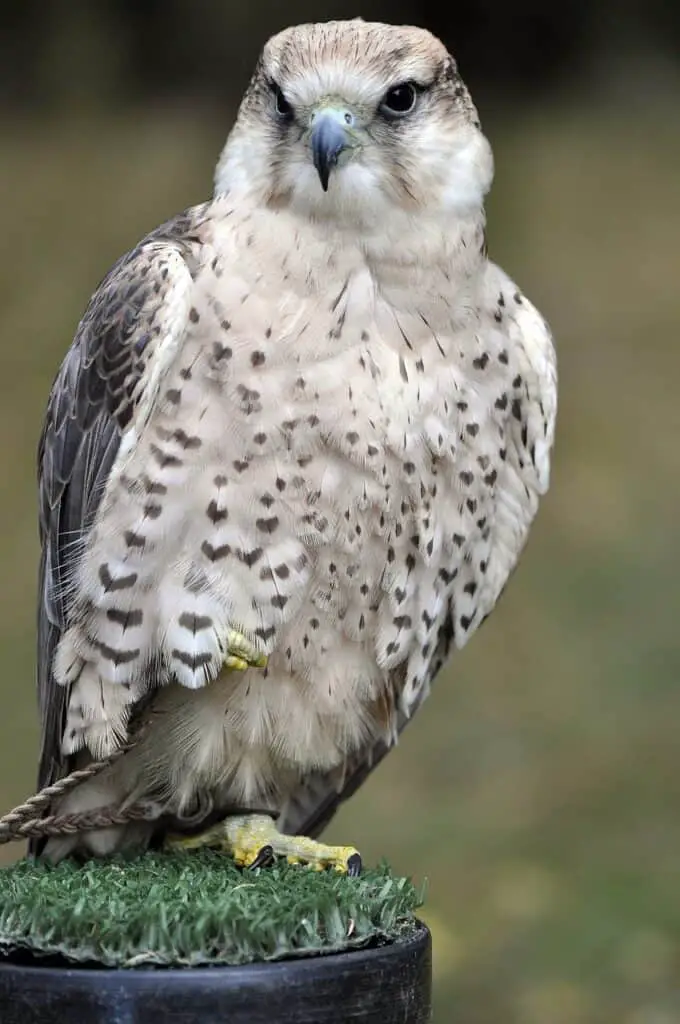
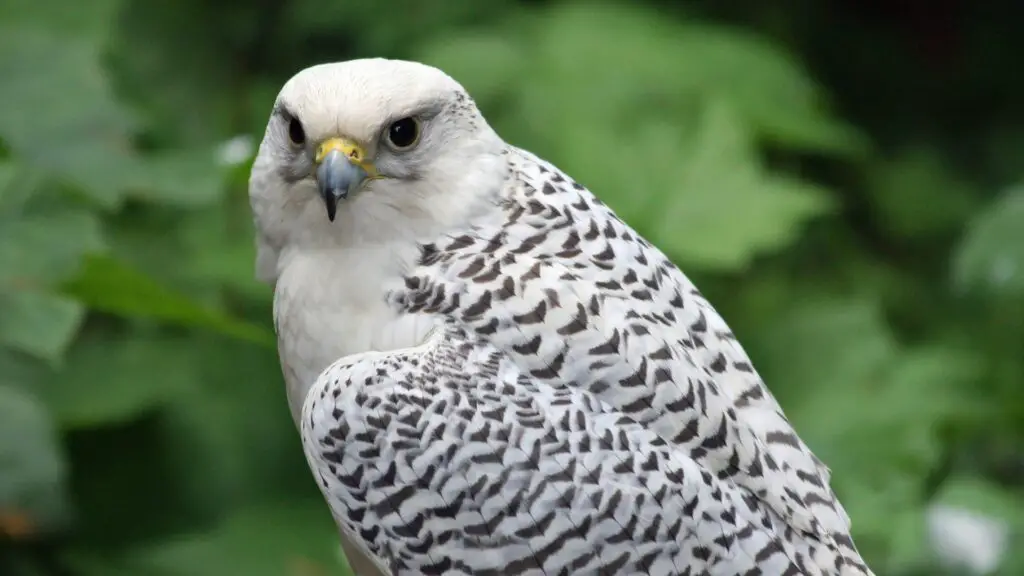
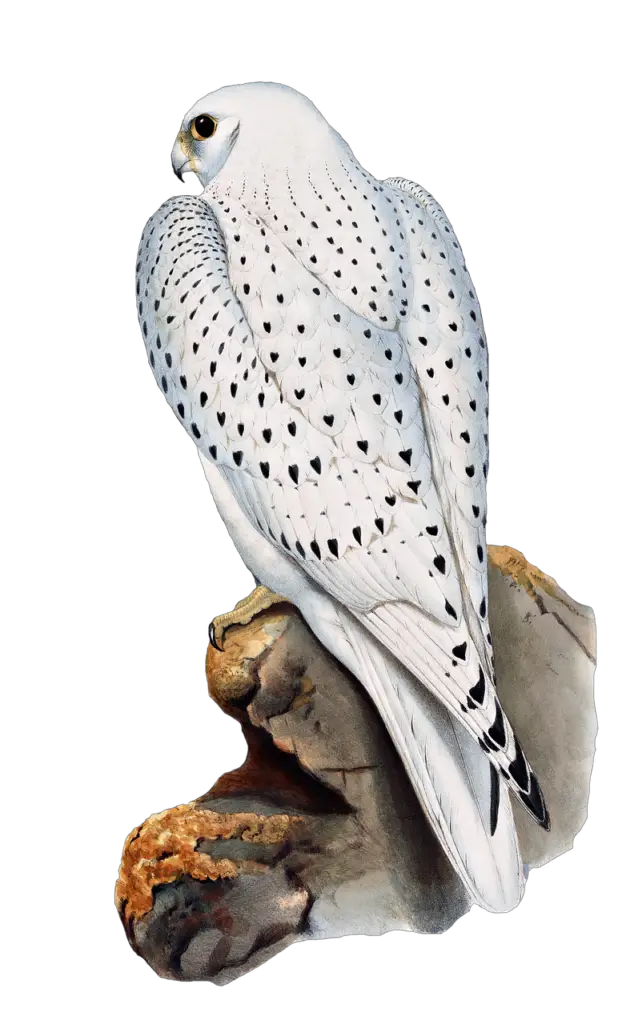
- Color: Varies from white to dark gray, with most having a mix of white, gray, and black patterns
- Wingspan: 110–160 cm (43–63 in)
- Wing Shape: Broad, pointed wings designed for powerful flight
- Tail Shape: Long and slightly rounded
- Conservation Status: Least Concern (IUCN), but populations are monitored due to climate change and human activities.
The Biology and Natural History of the Gyrfalcon
Understanding its social structure and hunting behavior highlights its adaptability and deepens my appreciation for this stunning raptor.
Taxonomy and Classification
Although the Gyrfalcon, classified scientifically as Falco rusticolus, captivates many bird enthusiasts, its taxonomy reveals a complex lineage. Understanding gyrfalcon classification is essential for appreciating its role in the ecosystem and falconry. You can learn more about falcon taxonomy on the ITIS (Integrated Taxonomic Information System) website. Here are a few key points:
- Belongs to the family Falconidae, known for their speed and agility.
- Exhibits polymorphism, with variations in plumage color, including white, gray, and dark morphs.
- Closely related to other falcon species, showcasing the diversity within the genus Falco.
Native Habitat and Range of Gyrfalcons
Habitat
Gyrfalcons inhabit a variety of environments, including:
- Arctic coasts
- Tundra
- Rocky outcrops and cliffs
- Mountains above the timberline
- Open spaces
- Taiga
- Sea ice
- Plains, open agricultural land, and coastlines
Range
Gyrfalcons primarily breed along the Arctic coasts of North America, Europe, and Asia. While many remain in the Arctic year-round, some disperse or migrate south during winter. They can be found as far south as the Canadian border and occasionally into the northern United States. In winter, some birds migrate to Minnesota and as far south as Nebraska. To see a distribution map, check out All About Birds.
Social Structure and Hunting Behavior
From my understanding, Gyrfalcons are generally solitary but sometimes exhibit social traits. In their breeding season, they establish a social hierarchy, with dominant pairs often taking prime nesting sites. Their hunting strategies are equally intriguing; they adapt based on prey availability and environmental conditions.
| Social Structure | Hunting Strategies |
| Dominant pairs | Adaptable techniques |
| Solitary hunters | High-speed pursuit |
| Territorial defense | Opportunistic ambush |

Lifespan and Health of Gyrfalcon
Lifespan:
- In the wild: 12–20 years (depending on predation, food availability, and environmental conditions).
- In captivity: Up to 25 years (with proper care, nutrition, and veterinary attention).
Factors Affecting Lifespan:
- Predation: Juveniles are vulnerable to larger raptors such as Golden Eagles and Great Horned Owls.
- Food Availability: Starvation can be a significant threat in harsh Arctic conditions.
- Environmental Changes: Climate change may impact their prey (e.g., ptarmigan populations).
- Human Activity: Habitat destruction, poaching, and pesticide exposure (though less than in some other raptors) can impact survival.
Health Concerns:
- Avian Diseases: Susceptible to aspergillosis (a fungal infection affecting the respiratory system).
- Parasites: May carry internal parasites (e.g., worms) and external parasites (e.g., feather mites).
- Injuries: Wing and talon injuries can occur due to hunting or fights with other raptors.
- Lead Poisoning: This can occur if they ingest prey contaminated with lead shot.
Signs of illness and veterinary care
Recognizing the signs of illness in a Gyrfalcon is crucial for ensuring its health and longevity. I’ve learned to watch for key indicators that something might be wrong, including:
- Changes in appetite or weight
- Abnormal behavior or lethargy
- Signs of respiratory distress
Regular veterinary examinations are essential to monitor and maintain Gyrfalcon’s health. Early detection can prevent minor issues from escalating into serious conditions. If you notice any concerning signs, don’t hesitate to consult a veterinarian experienced with raptors. Your Gyrfalcon’s well-being depends on your attentiveness and proactive care.
Diet and Nutrition of Gyrfalcons
When it comes to the diet and nutrition of the Gyrfalcon, understanding their natural feeding habits is crucial for successful falconry. Ensuring a proper diet in captivity supports their health and plays a pivotal role in weight management, which is essential for training. Let’s explore how these factors intertwine to create a thriving environment for our magnificent birds of prey. You can explore the diet of gyrfalcons more.
Natural Diet
The natural diet of the Gyrfalcon is diverse and consists primarily of avian and mammalian prey, depending on location and availability.
- Key Elements of a Gyrfalcon’s Diet:
- Primary Prey: Ptarmigan
- Other Birds: Waterfowl, gulls, corvids, smaller passerines, waders, and other raptors
- Mammals: Lemmings, voles, ground squirrels, hares, and rarely bats
Proper Diet in Captivity
A proper diet for Gyrfalcons in captivity should be based on what they would encounter in the wild. Good quality meat is essential for their health and flying ability.
- Juveniles (Nestlings & Fledglings)
- Age: 0–6 months
- Diet Needs: High protein & calcium for growth
- ✅ Recommended Foods:
- Finely chopped day-old chicks, quail, and small rodents
- Soft meat strips (rabbit, pigeon) for early feeding
- Whole prey are introduced gradually as they develop
- Calcium supplement (if whole bones are not provided)
- 🔴 Avoid:
- Large, tough bones (risk of choking)
- Excess fat (can cause health issues)
- 🕒 Feeding Frequency:
- 3–4 times a day (gradually reducing as they grow)
- Sub-Adults & Non-Breeding Adults
- Age: 6 months – 5 years
- Diet Needs: Balanced nutrition for muscle development and flight performance
- ✅ Recommended Foods:
- Whole quail, pigeons, rats, and rabbits
- Day-old chicks (occasional, not as a staple)
- Lean meats like beef heart (supplemental)
- Grit or crushed bone for digestion support
- 🔴 Avoid:
- Overfeeding (can lead to obesity in captivity)
- Low-quality meat (lacking nutrients)
- 🕒 Feeding Frequency:
- 1–2 times daily, adjusting based on energy needs
- Breeding Adults
- Age: 5+ years (during breeding season)
- Diet Needs: Increased protein, fat, and vitamins for egg production and chick-rearing
- ✅ Recommended Foods:
- High-protein prey like pigeons, quail, and rodents
- Extra calcium and vitamin D3 (for eggshell strength)
- Fat-rich prey (e.g., waterfowl) to provide additional energy
- 🔴 Avoid:
- Sudden diet changes (can impact breeding success)
- Low calcium intake (leads to weak eggshells)
- 🕒 Feeding Frequency:
- Increased portion sizes leading up to breeding season
- Elderly Gyrfalcons (10+ years)
- Diet Needs: Easily digestible, lower-fat foods to maintain health
- ✅ Recommended Foods:
- Leaner meats (quail, rabbit)
- Lower-fat rodents (avoid overfeeding high-fat prey)
- Soft meats if they struggle with tougher bones
- 🔴 Avoid:
- Hard-to-digest prey (can strain aging digestive systems)
- Excess fat, which can lead to obesity or fatty liver disease
- 🕒 Feeding Frequency:
- Smaller, more frequent meals (1–2 times daily)
To learn more about their diet, sign up for Birds of the world.
Additional Feeding Considerations
- Present good quality meat to falcons, as this will have a direct effect on their health and flying ability. Meat should have good nutrient content, should be stored and frozen to a good standard to preserve nutritional value, and should be healthy, clean, and not contaminated.
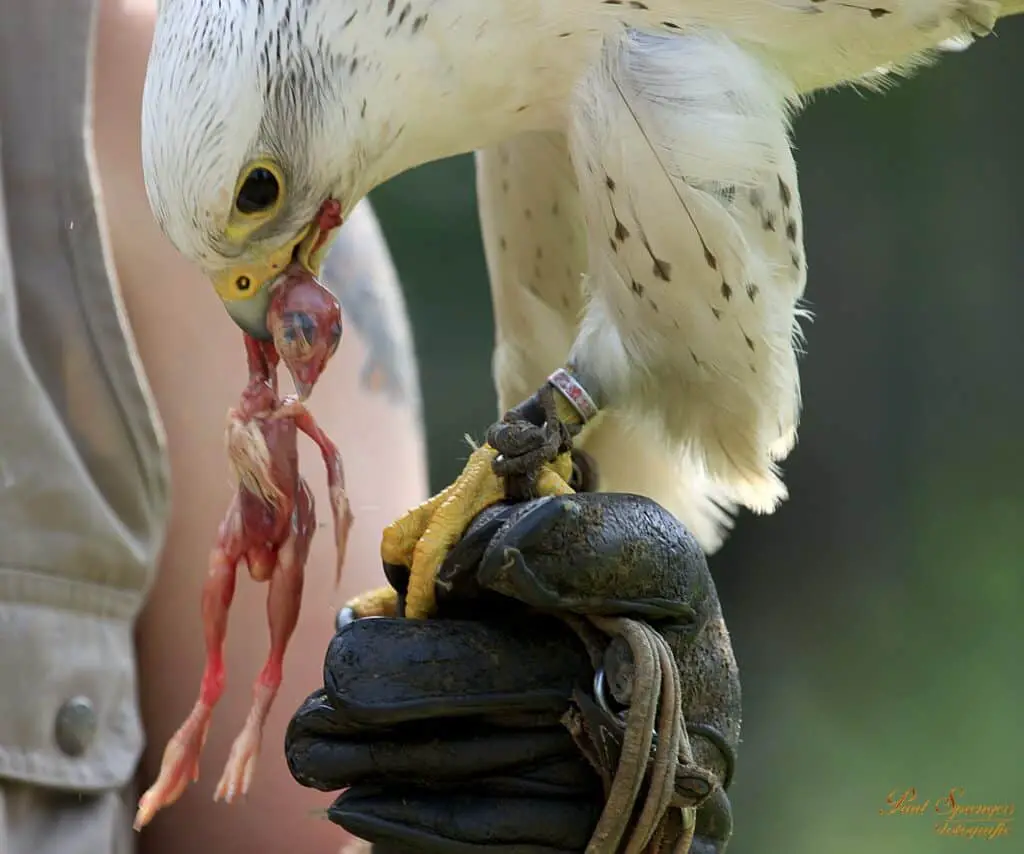
- From time to time, feed falcons with feathers still attached to their food, as feathers will help cleanse the digestive system and be discarded through the feces.
- Internal organs like the heart and liver are advisable to feed to falcons from time to time so that they can benefit from necessary vitamins. For example, the liver is known to contain high contents of vitamins A and K.
- Avoid giving falcons dirty meat or meat that may have traces of sand. If meat comes into contact with the ground, it should be washed thoroughly to remove any dirt before being given to the falcon.
- Fresh water should always be available. For a 1 kg falcon, 50 ml of water daily is recommended.
- Frozen prey should be fully thawed before feeding.
- Avoid processed meats, pork, and fish (nutritionally inadequate).
- Monitor weight & condition to adjust portions as needed.
Supplements & Feeding Schedules for Captive Gyrfalcons
While a whole-prey diet provides the most essential nutrients, some supplements can enhance health, especially for breeding birds, juveniles, and aging falcons. Below are key supplements and feeding schedules by life stage. However, adult falcons not used for reproduction do not need any additional supplements if their food is healthy and of good quality. In the mating season, parents and chicks need vitamin D and calcium. In the molting season, birds need vitamin A and amino acids. During the hunting season, falcons need vitamin B.
Essential Supplements
- List
- ✅ Calcium & Vitamin D3 (For Bone & Eggshell Strength)
- Needed for: Juveniles, breeding females, elderly falcons
- Sources:
- Crushed eggshells or cuttlebone
- Bone meal powder (sprinkled over food)
- Calcium carbonate or calcium gluconate (vet-approved doses)
- Vitamin D3 (to aid calcium absorption, especially for indoor-kept birds)
- Frequency:
- 2–3 times per week for growing or breeding birds
- ✅ Multivitamins (General Health & Immunity Boosting)
- Needed for: Captive birds with a limited diet variety
- Sources:
- Commercial raptor vitamin powders (e.g., Nekton-S, Vionate)
- Natural sources like liver (rich in vitamin A)
- Frequency:
- 1–2 times per week (not daily to avoid toxicity)
- ✅ Amino Acids & Protein Boosters (For Muscle Maintenance)
- Needed for: High-performance falcons (falconry, rehab birds)
- Sources:
- Small amounts of lean beef heart or game bird meat
- Commercial raptor protein supplements
- Frequency:
- As needed, but not replacing whole prey
- ✅ Omega-3 & Fatty Acids (For Feather & Joint Health)
- Needed for: Molting birds, aging falcons
- Sources:
- Small amounts of fish oil (only if recommended by a vet)
- Poultry fat (from prey like ducks)
- Frequency:
- 1–2 times per week during molt
- ✅ Probiotics (For Gut Health & Digestion)
- Needed for: Birds recovering from illness or antibiotic use
- Sources:
- Avian-specific probiotics (e.g., Bene-Bac)
- Frequency:
- Short-term use when needed
- ✅ Calcium & Vitamin D3 (For Bone & Eggshell Strength)
Feeding Schedules by Life Stage
Additional Feeding Tips
- Life Stage
- Meals Per Day
- Example Daily Diet
- Supplementation
- Nestlings (0-3 weeks) 4–6 small meals Chopped chicks, quail muscle, soft meat Calcium (light), probiotics
- Fledglings (3-6 months) 3 meals, Whole chicks, small quail, rodents, Calcium, vitamins (light)
- Juveniles (6-12 months) 2 meals Whole quail, pigeon, occasional rabbit Multivitamins, amino acids
- Non-breeding Adults 1–2 meals Whole prey (quail, pigeon, rodents) Occasional vitamins
- Breeding Adults 2 meals (in season) A high-protein diet, extra calcium, Calcium, vitamin D3, omega-3
- Elderly Falcons (10+ years) 1 smaller meal Lean meats, easier-to-digest prey Joint supplements, omega-3
Elderly Falcons (10+ years) 1 smaller meal Lean meats, easier-to-digest prey Joint supplements, omega-3
- List
- Monitor weight regularly to prevent obesity or malnutrition.
- Use varied prey types to provide balanced nutrition.
- Avoid vitamin overdoses—excess A or D can be harmful.
- Always provide fresh water for drinking and bathing.
- Remove uneaten food promptly to prevent spoilage.
Weight Management and its Role in Training
Effective weight management is crucial for training gyrfalcons, as it directly influences their performance and responsiveness during sessions. I’ve learned that monitoring weight fluctuations helps ensure they’re fit and focused. Here’s what I keep in mind:
- Adjust diets according to training schedules.
- Weigh regularly to track any unexpected changes.
- Tailor training intensity based on their current weight.
Care and Maintenance for Gyrfalcons
Housing: Mews and Weathering Yards
Gyrfalcons are high-latitude species that breed on the Arctic coasts and tundra. When caring for gyrfalcons in captivity, it is important to consider their natural habitat. Mews should be durable, spacious, and easy to maintain. Chambers should be cleaned regularly and allowed to dry and air out thoroughly before the birds are returned.
Perches, Baths, and Environmental Enrichment
Each chamber should have appropriate perches that mimic their natural environment, as well as fixtures for water and artificial lights. Water baths consisting of large, open, shallow pans should be provided and changed regularly, with more frequent changes during warmer months. During the breeding season, smaller food items can be given more frequently to encourage males to begin food transfers with the females as part of the pair bonding process.
Routine Health Checks and Beak/Talon Maintenance
Routine health checks are essential for ensuring the well-being of gyrfalcons. Moving birds to a clean chamber provides an opportunity to examine their health closely. Talons can be clipped if they become overly long, and beaks can be trimmed if they show signs of overgrowth.
Preventing Stress and Aggression in Captivity
Maintaining clean living conditions is crucial to prevent stress and aggression in captivity. Falcons may need to be captured and moved immediately after the breeding season and during mid-winter to ensure their environment remains optimal for their health and well-being.
Training and Handling
Training and handling gyrfalcons involves several key techniques that focus on building trust, encouraging natural behaviors, and ensuring the bird’s well-being. Here’s a summary of effective methods:
Initial Training Phases
- Imprinting and Trust Building: Early training begins with imprinting, which may take several weeks. During this time, the falconer should work to establish trust and familiarity with the bird through consistent handling and positive interactions.
- Manning: This is the process of getting the falcon comfortable with being handled. It involves holding the bird on the glove and gradually introducing it to various stimuli in its environment.
Feeding Techniques
- Hand Feeding: Initially, feeding should be done by hand to create positive associations with the falconer. This helps the bird learn that the falconer is a source of food and safety.
- Using the Glove: Once comfortable, the falcon can be trained to jump to the glove for food. This can be reinforced by hiding food in the glove so that the bird learns to step onto it without always seeing food.
Advanced Training
- Lure Training: Introducing a lure is an essential step. The falconer can tie food to a lure and drop it near the bird while it is perched. This encourages the bird to associate flying to the lure with receiving food rewards.
- Field Training: After initial training, taking the bird into the field on a training line helps it acclimatize to outdoor conditions while reinforcing its connection with the falconer through food rewards for flying back to them.
Fitness and Free Flying
- Building Fitness: Gradually increasing the distance between the falcon and the lure during training sessions helps build fitness. The falcon should be encouraged to fly longer distances without overwhelming it.
- First Free Flights: When transitioning to free flying, it’s important for the falconer to remain calm and patient. Allowing the bird some freedom while still rewarding it for returning ensures that it develops confidence in its flying abilities.
Handling Stress
- Calm Environment: Maintaining a calm environment during training is crucial. Falcons can sense stress, which may affect their performance and willingness to engage in training activities.
Hunting Preparation and Management
Proper preparation is essential for successful hunting with a gyrfalcon. Here are some important factors to consider:
- Training and Mentoring: Before taking the bird out for hunting, make sure you have received proper training and mentorship in falconry techniques.
- Weather Conditions: Pay close attention to weather conditions before planning a hunting trip. Extreme cold, strong winds, or heavy precipitation can all affect a falcon’s ability to hunt effectively.
- Prey Species: Choosing appropriate prey species is crucial when preparing for a hunt. Larger prey may require more experience and skill from both the bird and falconer.
Legal and Ethical Considerations
Legal and ethical considerations for gyrfalcons encompass various aspects of conservation, trade regulations, and responsible falconry practices. Here’s an overview:
Legal Status
- Protection Under Law: Gyrfalcons are protected under various laws in the United States and Canada, including the Migratory Bird Treaty Act (MBTA). This act prohibits the commercial trade of migratory birds, including gyrfalcons, unless specific permits are obtained for falconry or captive breeding.
- CITES Regulations: Gyrfalcons are listed under the Convention on International Trade in Endangered Species (CITES). The North American populations were proposed to be transferred from Appendix I to Appendix II, which allows for regulated trade but maintains strict controls on wild populations.
Falconry Regulations
- Permits Required: Individuals wishing to engage in falconry must obtain the necessary permits. In the U.S., regulations limit the number of birds that can be possessed based on the falconer’s experience level—master falconers can have up to three birds, while general falconers may have up to two.
- Captive Breeding: Captive-bred gyrfalcons must be closed-banded, and breeders must report their numbers to appropriate authorities. This ensures that breeding practices are monitored and that wild populations are not adversely affected.
Ethical Considerations
- Conservation Ethics: Ethical falconry emphasizes the importance of conserving wild populations and their habitats. Responsible falconers advocate for sustainable practices and contribute to conservation efforts through monitoring and research.
- Animal Welfare: Ensuring the health and well-being of captive gyrfalcons is paramount. This includes providing adequate housing, nutrition, and veterinary care, as well as minimizing stress during handling and training.
Hunting with a Gyrfalcon
Gyrfalcons are highly valued in falconry due to their strength, adaptability, and hunting capabilities. They are effective hunters in varied terrains and weather conditions. Gyrfalcons possess a rapid flight style characterized by powerful wing beats and periods of gliding. When hunting, they may pursue quarry over long distances.
Ideal Prey Species for Hunting with Gyrfalcon
Gyrfalcons typically hunt large birds, including:
- Grouse
- Pheasant
- Waterfowl
- Ptarmigan
- Arctic Hare
- Geese
- Ducks
- Rabbits or Snowshoe Hares
Hunting Techniques
Gyrfalcons employ various hunting techniques:
- Pursuit: They often pursue prey over long distances. Telemetry is almost required to fly this bird.
- Attacking Style: Gyrfalcons attack with shallow stoops and zig-zags. When closing in, the Gyrfalcon climbs and twists to strike prey diagonally.
- Terrain: Gyrfalcons commonly hunt low over the ground, seizing avian prey just after it flushes.
- Open Attacks: Gyrfalcons attack airborne flocks of pigeons with upward swoops.
- Prey Seizure: Falcons strike and seize their quarry in the air before bearing it down.
Advantages and Challenges of Gyrfalcon in Falconry
Gyrfalcons are prized by falconers for their strength, versatility, and hunting prowess. However, their high value also poses some challenges.
Advantages
- Size and Power: Gyrfalcons are one of the largest falcons, making them capable of taking down larger prey species than other raptors commonly used in falconry.
- Cold Weather Adaptability: These birds have adapted to thrive in cold environments, which makes them ideal for hunting during colder months when other raptor species may not be as active.
- Versatility: Gyrfalcons can adapt to a wide range of terrains and weather conditions due to their varied hunting techniques and strong flying abilities.
- Distinctive Appearance: Their striking white plumage and powerful appearance make them highly desirable as a falconry bird.
Challenges
- High Cost: Gyrfalcons are one of the most expensive birds used in falconry due to their rarity and high demand.
- Specialized Care Needs: These birds require specific housing, nutrition, and training methods, which may be challenging for novice falconers.
- Long Training Time: Gyrfalcons can take longer to train than other raptor species used in falconry due to their independent nature and strong instincts. This requires patience and dedication from the falconer.
Conclusion
Gyrfalcons are a highly sought-after bird in falconry, with their impressive hunting abilities and striking appearance. However, they also require careful consideration and responsible practices to ensure the conservation of wild populations and the well-being of individual birds.
“Fascinated by the Gyrfalcon’s role in falconry? There’s so much more to explore! Dive deeper into the world of birds of prey, their training, and conservation efforts. Check out our latest guides and expert insights to expand your knowledge on falconry and raptor care.”