
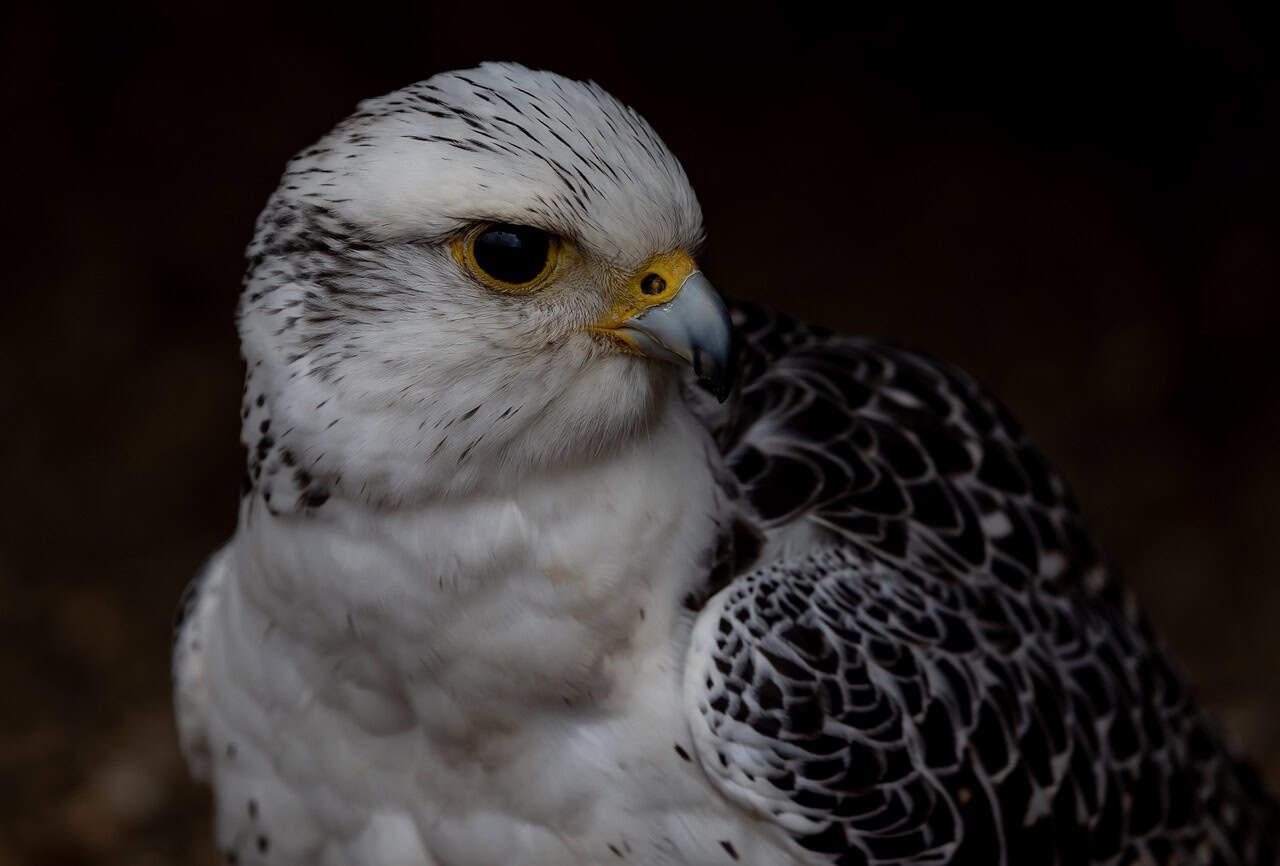
As an experienced falconer, I have found that kite training is an essential method to improve a Gyrfalcon’s flying skills and endurance. It involves the use of a kite to stimulate the bird’s natural hunting instincts. Here’s a step-by-step guide on how to get started with kite training your Gyrfalcon. But first, let’s go through the basic understanding of what kite training is.
What is Kite Training?
Kite training involves using a kite as a tool to simulate the flight of prey for a gyrfalcon. The kite is flown in patterns that mimic the movement of game birds, triggering the Gyrfalcon’s natural hunting instincts. This method is highly effective in conditioning the Gyrfalcon for hunting, enhancing its agility, speed, and precision in flight. I often choose kites that resemble specific types of prey, varying the height and speed of the kite to provide a realistic training experience. This technique provides the bird with essential exercise, ensuring it remains in peak physical condition.
Preparing for Training
Before starting kite training, I always make sure my bird is in good health and has had a thorough pre-flight check-up. It’s also essential to accustom the bird to its surroundings and build trust through regular handling. This process may take some time, but it’s crucial for the success of the training. I also like to make a checklist of all the essential equipment I may need, like:
- A strong, reliable kite: Choose a kite that can fly steadily at various altitudes. Delta kites are a popular choice due to their stability.
- A harness for your Gyrfalcon: Ensure the harness fits well and is comfortable for your bird. It should be snug but not too tight.
- A long line (preferably over 200 meters): This will allow your bird to fly high and far while still being tethered.
- A whistle for commands: A consistent sound for commands helps your Gyrfalcon understand what you want it to do.
- Training treats or rewards: These are essential for positive reinforcement during training.
Choosing the Right Location:
When choosing a spot, consider an open area with minimal distractions, such as trees or crowds. A large field or a beach with a clear line of sight is ideal for kite flying. I always avoid locations near busy roads or airports, as it can startle the bird and disrupt training.
It’s also important to consider the weather conditions of the location. A place with consistent, moderate winds is best for kite training. Wind direction should be predictable to avoid sudden changes that could affect the kite’s flight. Lastly, ensure there’s enough space for both you and the bird to move around comfortably during training sessions.
Getting Started with the Kite Training
Acclimate Your Gyrfalcon to the Kite
Before starting training, it’s crucial to introduce your bird to the kite slowly. Begin by placing the kite on the ground and let your Gyrfalcon examine it from a distance. You can also try flying the kite at low altitudes while holding onto your bird’s leash for safety. This will help familiarize your Gyrfalcon with the movements of the kite before progressing to higher altitudes.
As a safety precaution, I suggest you have another person hold onto your Gyrfalcon while you fly the kite. This will prevent any potential accidents or escapes during the training process.
Basic Flight Exercises:
Once your Gyrfalcon is comfortable with the kite, you can begin basic flight exercises. Start by flying the kite in a circular motion, gradually increasing the altitude and speed of the kite. This will simulate the movement of prey, triggering your bird’s natural hunting instincts.
As your Gyrfalcon becomes more accustomed to the kite’s movements, you can start incorporating commands like “up” and “down” using a whistle or verbal cues. This will teach your bird to follow the movements of the kite based on your commands.
Increasing Flight Distance: How to gradually extend the flight range of your Gyrfalcon
As your bird improves in basic flight exercises, you can increase the distance and duration of the flights. Start by adding a few meters to the length of the line during each session. This will give your Gyrfalcon more room to fly and improve its endurance.
Gradually increase the distance until you reach your desired flight range, always ensuring that your bird is comfortable and in control throughout the training. It’s essential to monitor your bird’s behavior for any signs of exhaustion or discomfort and adjust accordingly. Do not rush this process. I suggest you increase the height gradually over many sessions.

Monitoring and Adjusting Training
When training a Gyrfalcon with a kite, observing their behavior is crucial. I pay close attention to how my bird reacts during sessions and make adjustments accordingly to improve the training.
What to look for during training sessions?
During training sessions, pay close attention to the following behaviors:
- Flight Patterns: Watch how the gyrfalcon maneuvers in the air. Changes in flight patterns may indicate fatigue, lack of interest, or even potential health issues.
- Body Language: Observe your bird’s posture, head movements, and overall body language. These cues can indicate if your bird is comfortable and in control during the training.
- Response to Commands: Take note of how your Gyrfalcon responds to commands. If it seems uninterested or confused, take a break and try again later.
Making Adjustments
If you notice any concerning behaviors, make adjustments to your training techniques. This could mean changing the altitude or speed of the kite, taking breaks more frequently, or adjusting commands.
It’s also important to be patient and give your Gyrfalcon time to adjust to new challenges. Every bird is different, and it may take some trial and error before finding the perfect training routine.
Safety Considerations
In terms of safety, I always follow these safety precautions during training sessions:
- Never fly your kite near electrical wires or power lines: This could cause serious injury or death to your bird.
- Avoid flying the kite in high winds or severe weather conditions: Strong winds can make it challenging to control the kite and may cause injury to your Gyrfalcon.
- Keep a safe distance from other birds or animals: This is especially important for the safety of smaller birds or prey animals that could be mistaken for targets by your bird.
- Always have someone else present during training sessions: In case of emergencies, having another person around can be helpful.
Kite training is an excellent way to stimulate your Gyrfalcon’s natural hunting instincts and improve its flight skills. By choosing the right location, gradually acclimating your bird to the kite, and implementing basic flight exercises, you can safely train your Gyrfalcon to fly long distances.