
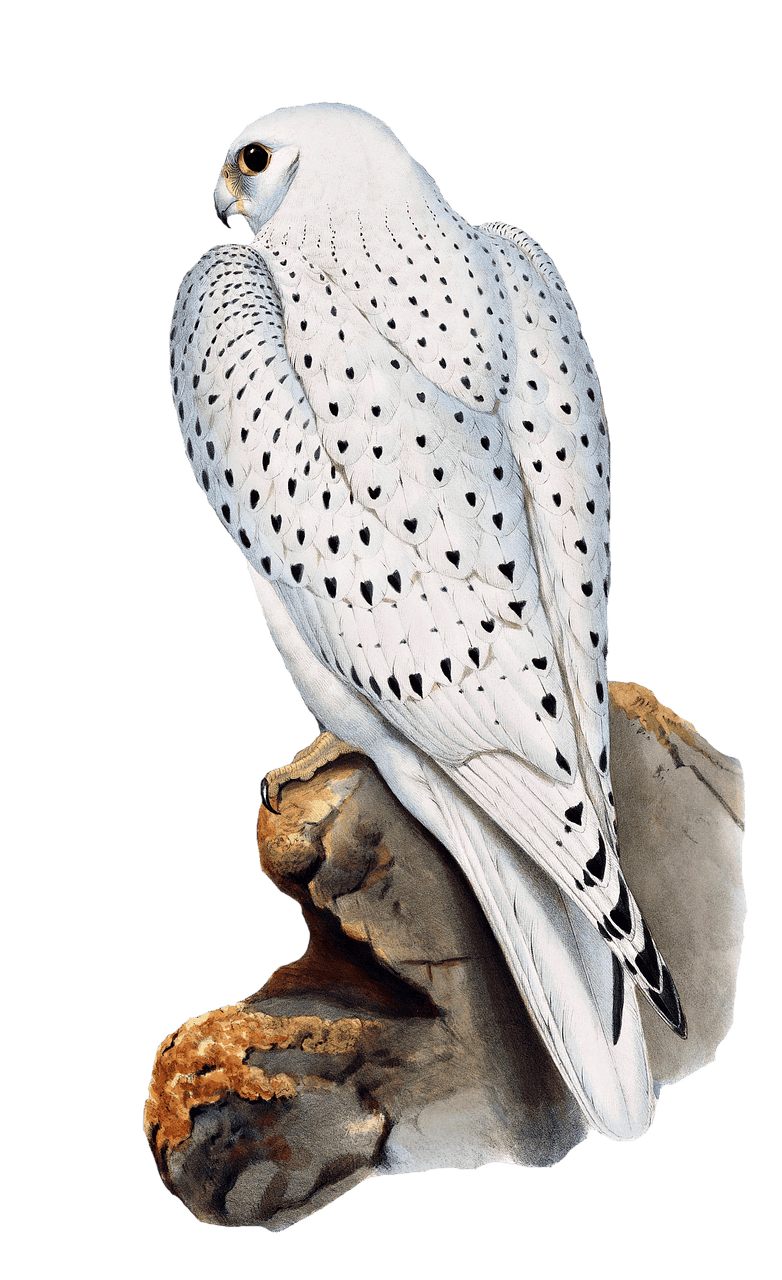
Ever wondered about the differences between male and female Gyrfalcons? These powerful birds of prey are amazing to observe. Let’s take a closer look at how their sizes vary and what factors contribute to these differences.
Size Differences Between Male and Female Gyrfalcons
Male and female Gyrfalcons, like many birds of prey, exhibit sexual dimorphism, meaning there are physical differences between the sexes. Here are some typical size differences between male and female Gyrfalcons that I have noticed:
Female Gyrfalcons:
- Size: Generally larger and heavier than males.
- Wingspan: Typically have a wider wingspan.
- Body Mass: Can weigh up to 1.5 times more than males.
- Length: Longer body length, including tail and wings.
- Strength: Due to their larger size, females may be slightly stronger in terms of physical power.

Male Gyrfalcons:
- Size: Smaller and lighter than females.
- Wingspan: Have a narrower wingspan compared to females.
- Body Mass: Generally lighter in weight compared to females.
- Length: Shorter body length, including tail and wings.
- Agility: Despite their smaller size, males are often more agile and maneuverable in flight.
These size differences between male and female Gyrfalcons are attributed to sexual selection and evolutionary adaptations. In many bird species, including raptors like Gyrfalcons, females are larger to accommodate the energetic demands of egg production and incubation.
Weight Disparity in Male Vs. Female Birds
Here’s a breakdown of the typical weight differences:
Female Gyrfalcons:
- Weight Range: Female Gyrfalcons can weigh anywhere from around 1700g – 1800g or more.
- Heavier: Females are generally heavier compared to males of the species.
Male Gyrfalcons:
- Weight Range: Male Gyrfalcons are lighter, typically weighing between 1100g – 1300g.
- Lighter: Males are noticeably lighter than females, often weighing around two-thirds to three-quarters the weight of females.
Factors Influencing Weight Disparity:
- Reproductive Roles: Female Gyrfalcons are larger and heavier to support the energetic demands of egg production and incubation. The larger size allows them to carry more fat reserves to sustain them during nesting and brooding periods.
- Hunting Efficiency: While males are lighter, they are often more agile and maneuverable in flight. This agility enables them to excel in capturing smaller and faster prey, compensating for their lighter weight compared to females.
- Evolutionary Adaptations: These weight differences have evolved over time as a result of natural selection and the different roles each sex plays in the reproductive process and in hunting strategies.
Body Measurements: Detailing specific measurements such as wingspan and body length for male and female Gyrfalcons.
Here are the typical measurements for both sexes:
Female Gyrfalcons:
- Wingspan: Typically ranges from 110cm – 160cm.
- Body Length: Usually measures 48cm – 65cm.
- Weight: Can weigh between 1700g – 1800g.
Male Gyrfalcons:
- Wingspan: Generally falls between 53cm – 63cm.
- Body Length: Typically ranges from 46cm to 56cm.
- Weight: Usually lighter, weighing between 1100g – 1300g.
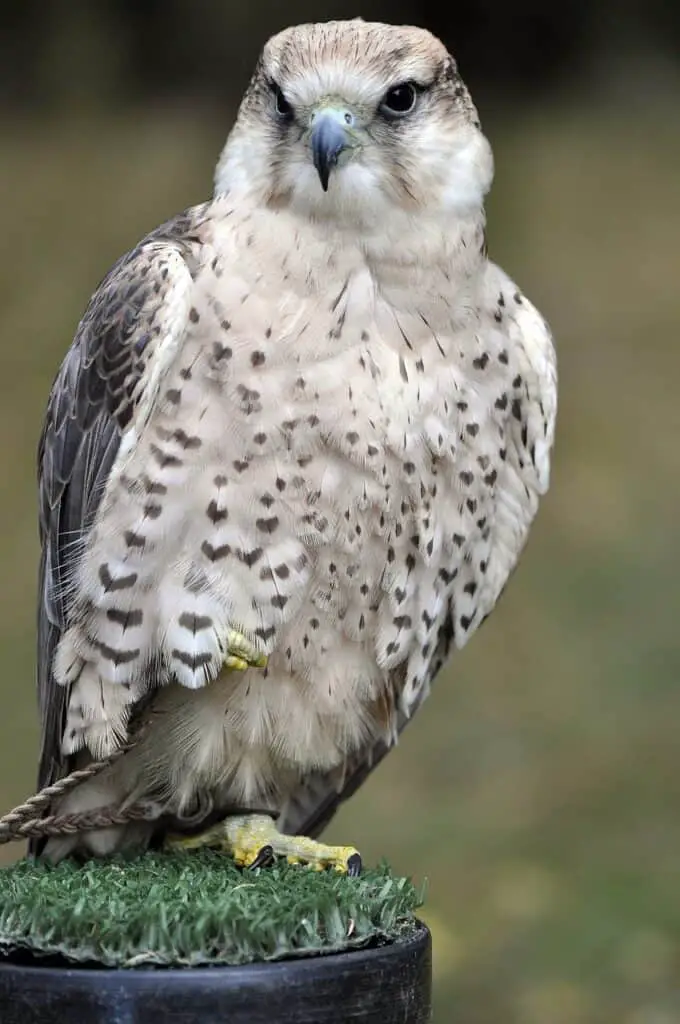
These measurements are based on my observations and studies of Gyrfalcons over the years. Individual variations may exist within populations, and these measurements serve as general guidelines for understanding the sexual dimorphism present in Gyrfalcons.
Physical Characteristics: Males Vs. Females
Male and female Gyrfalcons exhibit distinct physical characteristics due to sexual dimorphism. Here’s a comparison between the two sexes:
Female Gyrfalcons:
- Size: Generally larger and heavier than males.
- Wingspan: Typically have a wider wingspan.
- Body Mass: Can weigh up to 1.5 times more than males.
- Length: Longer body length, including tail and wings.
- Coloration: Often exhibit darker plumage, with more pronounced barring and markings on the chest and belly.
- Beak Size: The beak tends to be larger and more robust, suitable for tackling larger prey.
Male Gyrfalcons:
- Size: Smaller and lighter than females.
- Wingspan: Have a narrower wingspan compared to females.
- Body Mass: Generally lighter in weight compared to females.
- Length: Shorter body length, including tail and wings.
- Coloration: Possess lighter plumage, with less pronounced barring and markings on the chest and belly.
- Beak Size: The beak is typically smaller and more streamlined, suited for capturing smaller, agile prey.
These physical differences between male and female Gyrfalcons are primarily driven by evolutionary adaptations related to their roles in reproduction and hunting strategies. Understanding these distinctions is important for researchers, falconers, and conservationists alike, as it provides insights into the behavior, ecology, and conservation needs of these birds.
The differences in size and weight between male and female Gyrfalcons are part of their natural sexual dimorphism and have evolved over time as a result of reproductive roles and hunting strategies. These variations are essential for understanding the behavior, ecology, and conservation needs of this powerful bird species.