
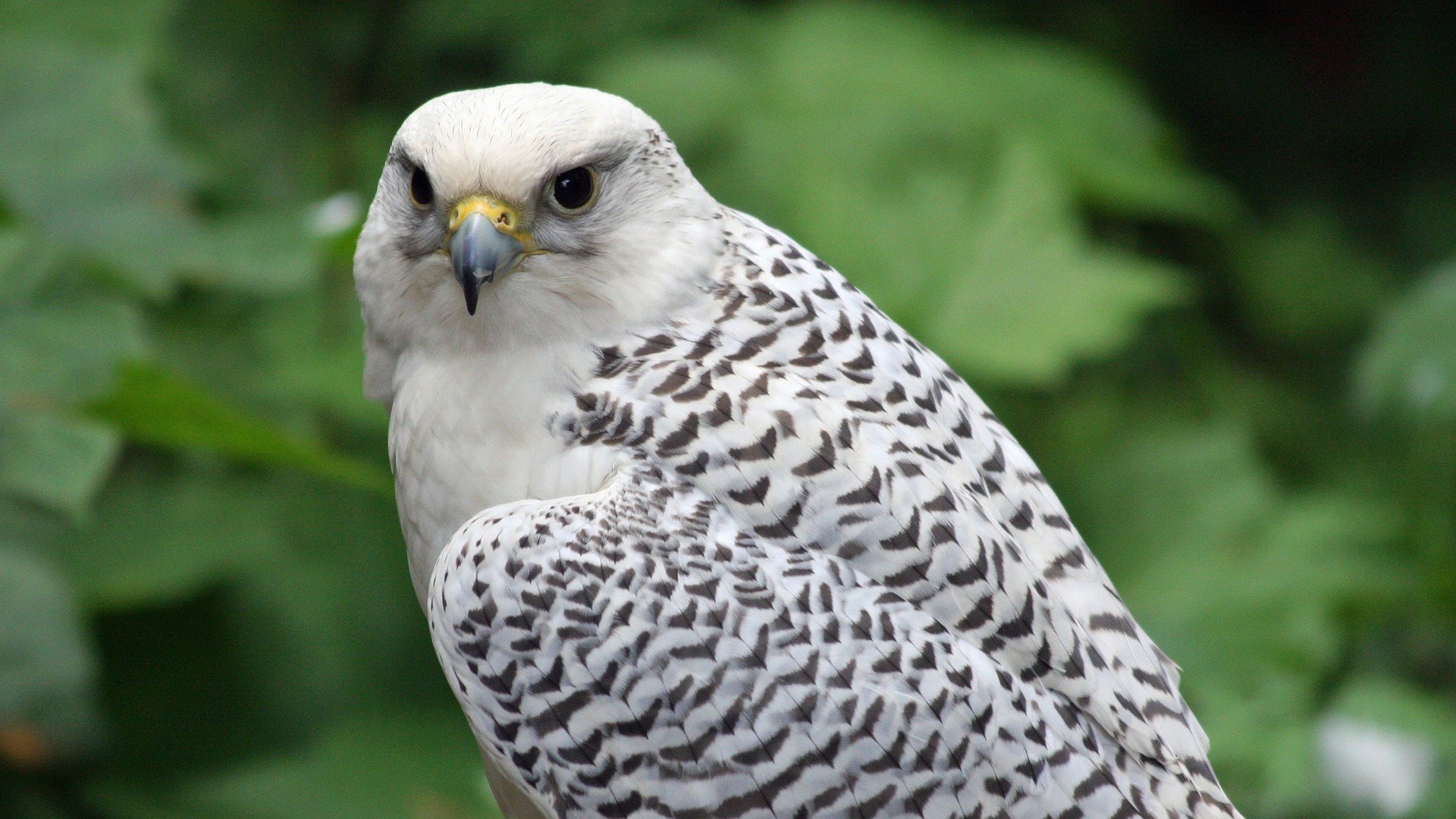
Thanks to their streamlined bodies and powerful wings, gyrfalcons can cruise up to 68 miles per hour in flight. Their aerodynamic design minimizes air resistance, while strong wings provide significant lift. Various factors like wind speed, air temperature, and altitude can affect their flight speed.
The Speed of Gyrfalcons in Flight
Gyrfalcons are known for their impressive speed and agility in the air. They are among the fastest birds in the world, capable of reaching speeds of up to 50-68 mph (80-109 kph) in level flight. This incredible speed is due to a combination of physical features and environmental factors that 50-68 mph (80-109 kph)propel these majestic birds through the sky.
Physical Features That Contribute to Speed
The physical features of gyrfalcons are perfectly suited for high-speed flight. Their bodies are streamlined, allowing them to cut through the air with minimal resistance. Their broad, powerful wings have a wide range of motion and can generate significant lift, making it easier for these birds to soar at high speeds without expending too much energy. Additionally, their feathers are designed to be lightweight and aerodynamic, reducing air resistance and allowing them to achieve greater speeds.

Environmental Factors That Affect Speed
While gyrfalcons are naturally built for speed, various environmental factors can affect their flight capabilities. Wind speed, for example, can either work with or against them. Strong tailwinds can help them reach greater speeds, while strong headwinds can slow them down. Air temperature and humidity can also impact their flight speed, as colder air is denser and provides more resistance, while warmer air is thinner and allows for faster flight.
How Altitude Affects Flight Speed
Another factor that plays a significant role in the speed of gyrfalcons is altitude. These birds are known to live in high-altitude regions, where the air is thinner and provides less resistance. This allows them to fly faster without having to expend as much energy. However, flying at higher altitudes also means dealing with lower oxygen levels, affecting their stamina and ability to maintain high speeds for extended periods.
The Importance of Speed for Gyrfalcons
Gyrfalcons’ speed is an impressive feat and a crucial aspect of their survival. These birds are powerful hunters who use their incredible speed and agility to catch prey while in flight. Their quick speed also allows them to evade predators or potential threats, making it an essential adaptation for their survival in the wild.
Among the fastest birds in the world, capable of reaching speeds of up to 50-68 mph (80-109 kph) in level flight. This incredible speed is due to a combination of physical features and environmental factors.
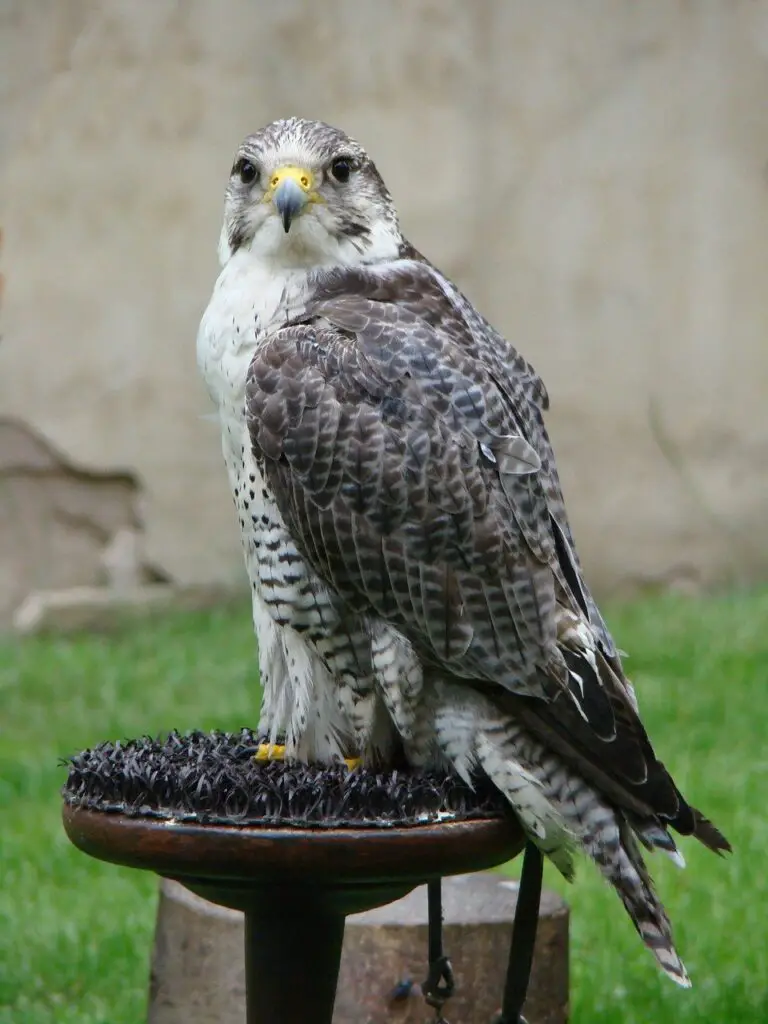
In conclusion, gyrfalcons are incredible birds that can reach impressive speeds in flight. Their streamlined bodies, powerful wings, and lightweight feathers make them perfectly suited for high-speed flight. While environmental factors like wind speed, air temperature, and altitude can affect their speed, these birds have adapted to thrive in various conditions.