
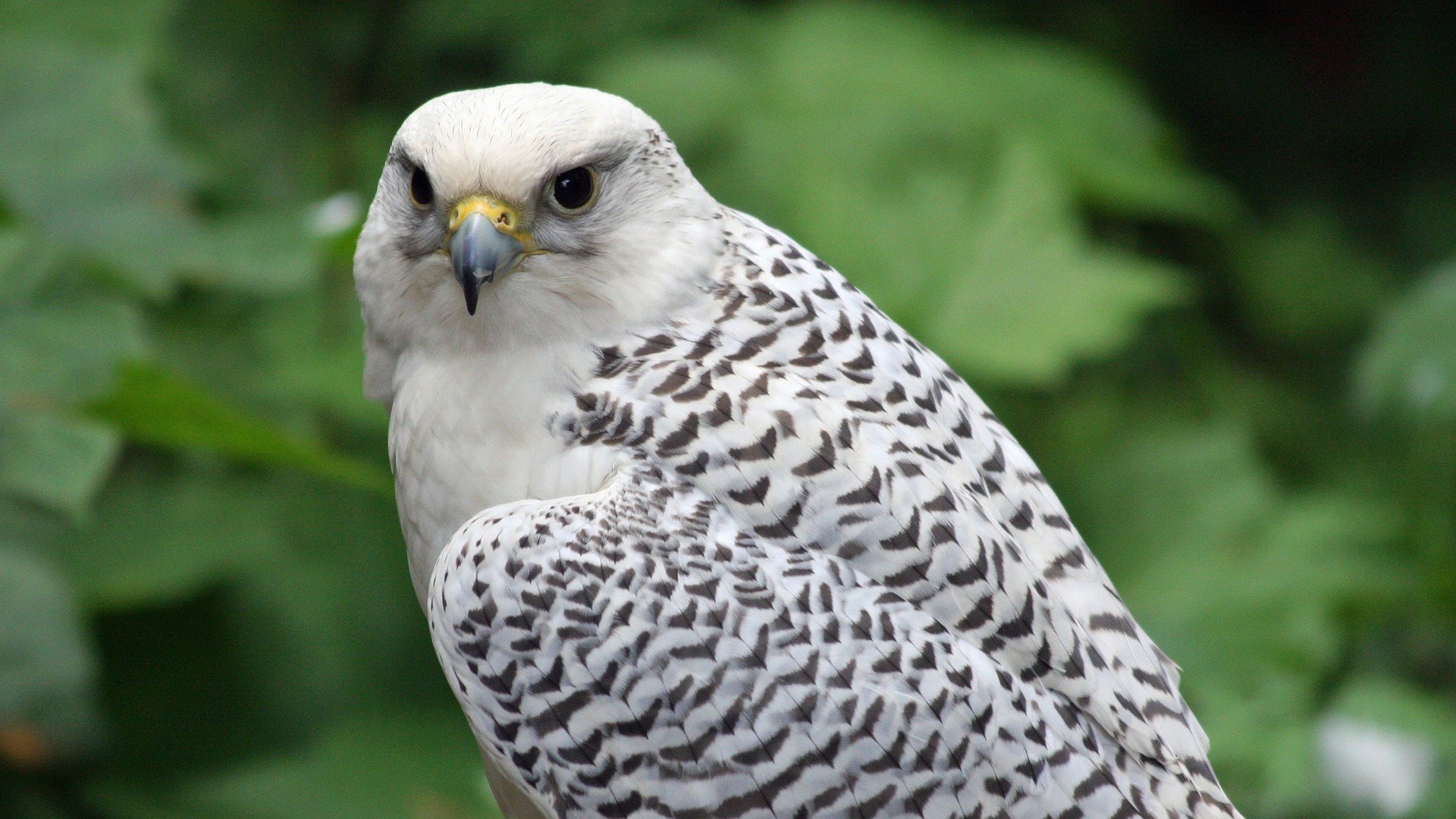
Maintaining a structured flight schedule is vital for keeping falconry Gyrfalcons physically fit and mentally sharp. Regular exercise mimics their natural flight patterns and enhances their hunting abilities. I tailor the flight schedules of my gyrfalcons based on their age, fitness level, and the time of year.
Flight Requirements for Falconry Gyrfalcons
Different falconry birds require different levels of flight activity. Gyrfalcons, in particular, are known as high-energy birds, and lack of regular exercise can make them more prone to weight gain and health issues. My gyrfalcons fly twice a day – once in the morning and once in the afternoon – for about 30 minutes each session. They are large and powerful birds, so they require a larger flight area than other falconry birds.

Factors Influencing Flight Schedule
Several factors determine the frequency of flights for gyrfalcons. These include:
- Age: Younger birds may have more energy and stamina, requiring longer flights or more frequent sessions.
- Fitness level: If a gyrfalcon is overweight or out of shape, its flight schedule may need to be adjusted to help it regain its strength and endurance.
- Time of year: During the molting season, gyrfalcons may require less frequent flights as they focus on growing new feathers.
Recommended Frequency of Flight
As a general guideline, falconers recommend flying gyrfalcons at least four to five times a week. This frequency can be adjusted based on the factors mentioned above, but it is important to maintain consistency in the flight schedule for the bird’s physical and mental well-being.
Benefits of Regular Flight Schedule
Keeping gyrfalcons on a regular flight schedule has numerous benefits, including:
- Physical fitness: Flight exercises help strengthen the bird’s muscles, improve its cardiovascular health, and maintain a healthy weight.
- Mental stimulation: Regular flights keep gyrfalcons mentally sharp and prevent boredom, which can lead to behavioral issues in captive birds.
- Hunting skills: Flying allows gyrfalcons to practice their hunting techniques and hone their instincts, which is crucial for their success in the wild.
I aim to fly my Gyrfalcon at least five times a week during the off-season to keep her in good condition. Regular flights help her stay physically fit and mentally stimulated. During the hunting season, the flight frequency may increase to daily sessions to ensure she’s in prime hunting shape. However, balancing flight frequency with proper rest periods is crucial to prevent exhaustion or injury. Monitoring her behavior and energy levels helps me tailor her flight schedule to meet her specific needs.
Tailoring Flight Schedule to Gyrfalcon’s Needs
Every Gyrfalcon is unique, and their flight requirements may vary. As a falconer, it’s essential to observe the bird’s body condition, behavior, and energy levels to determine the appropriate frequency of flights. Some key indicators that may signal a need for adjustments in the flight schedule include:
- Weight gain or loss: Significant changes in a bird’s weight may indicate that its flight schedule needs to be adjusted.
- Lack of energy: If a gyrfalcon seems lethargic or uninterested in flying, it may need more rest periods or shorter flight sessions.
- Aggressive behavior: Boredom and excess energy can manifest in aggressive behaviors, which may signal a need for more frequent flights.
Impact of Flight Frequency on Gyrfalcon’s Health and Behavior
Proper flight schedules play a crucial role in maintaining gyrfalcons’ overall health and well-being. A lack of exercise can lead to weight gain, joint issues, and behavioral problems in these high-energy birds.
| Factors Influencing Flight Frequency | Effects on Health and Behavior |
| Age of the Gyrfalcon | Physical fitness |
| Training Level | Mental stimulation |
| Weather Conditions | Hunting instincts |
Rest and Recovery Days
Regularly incorporating rest and recovery days is crucial for optimizing their overall health and performance. As a falconer dedicated to the well-being of my Gyrfalcon. Rest and recovery days are essential for several reasons:
Physical Recovery: Just like athletes, Gyrfalcons need time for their muscles and joints to recuperate from the exertion of flying. This prevents overuse injuries and promotes long-term health.
Mental stability: Flying demands intense focus and mental energy. Rest days offer a chance to relax, recharge, and maintain cognitive sharpness.
Burnout Prevention: Continuous flying without breaks can lead to burnout, affecting motivation and enthusiasm for training. Rest days help sustain their eagerness to fly.
Bonding and Relationship Building: Rest days provide falconers with the opportunity to spend quality time with their Gyrfalcons outside of flying sessions, strengthening the bond and fostering trust and cooperation.
In conclusion, maintaining a consistent flying schedule is essential for the well-being and training of Gyrfalcons in falconry. By understanding the flight requirements and tailoring the frequency to the bird’s needs, falconers can ensure their Gyrfalcons stay healthy, active, and mentally stimulated.