

Gyrfalcons in falconry should be flown regularly for their well-being and hunting skills. I tailor their schedule to age, health, and training level. Young birds benefit from more short flights for strength. Mature birds need 4-5 flights weekly, each lasting 20-30 minutes, mixing free flights with training. I suggest you watch for signs of over-flying, like exhaustion, or under-flying, like obesity. Adjust routines seasonally – more flights in summer or utilizing cooler fall weather. Remember, flying is key for your gyrfalcon’s health and bond with you.
Importance of Regular Flying Sessions
Regular flying sessions are crucial for Falconry Gyrfalcons to maintain their physical and mental well-being. Over the years, I’ve learned that these birds require regular exercise to stay healthy and alert. Flying allows Gyrfalcons to stretch their wings, build muscle strength, and maintain proper weight. It also helps them hone their hunting skills, keeping their instincts sharp and ensuring they’re ready for the challenges of the wild.
During flying sessions, Gyrfalcons get the opportunity to soar through the skies, mimicking their natural hunting behaviors. This not only provides them with physical exercise but also stimulates their minds, preventing boredom and promoting mental agility. Additionally, flying sessions create a strong bond between the falconer and the bird, fostering trust and cooperation essential for successful falconry.
Factors Affecting Flying Frequency
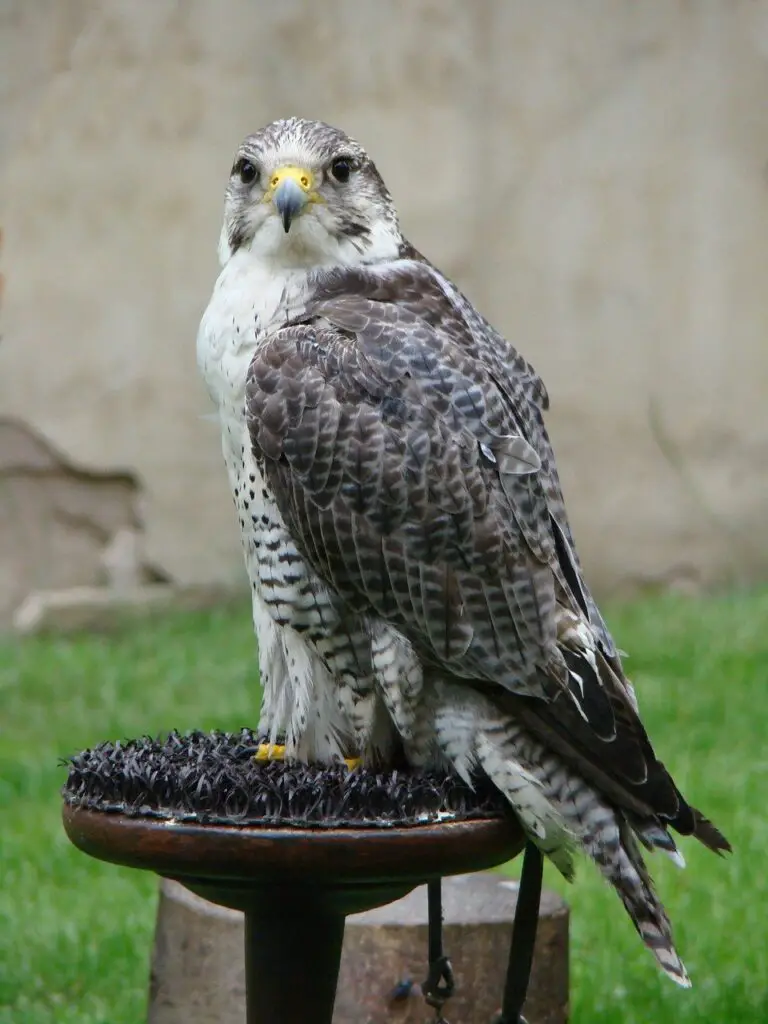
Factors influencing the frequency at which Falconry Gyrfalcons need to be flown include their age, health condition, and training level. My younger Gyrfalcons typically require more frequent flying sessions to build up their strength and skills. Moreover, a Gyrfalcon in prime health will be able to handle more frequent flights compared to one with underlying health issues. The training level of the bird also plays a crucial role; a well-trained Gyrfalcon may need fewer flights to maintain its skills compared to a bird in the early stages of training.
| Factor | Influence | Considerations |
| Age | Younger birds need more flights | Older birds may need less |
| Health Condition | Healthy birds can handle more frequent flights | Health issues may limit flying |
| Training Level | Well-trained birds require fewer flights | Birds in training need more |
Ideal Flying Schedule for Gyrfalcons
Considering the age, health condition, and training level of Falconry Gyrfalcons, determining the ideal flying schedule is crucial for their development and well-being. Below is a schedule based on my availability. You may need to alter the times to what is best for you:
Daily Schedule
Morning Session:
- Early Morning (6:00 AM – 8:00 AM):
- Health Check: Inspect the bird for any signs of injury or illness.
- Pre-Flight Inspection: Check equipment such as telemetry, jesses, and hood.
- Morning Flight (8:00 AM – 9:30 AM):
- Warm-Up Flights: Start with short flights to stretch their wings.
- Hunting Training: Simulate hunting scenarios using lures. This helps maintain their natural predatory skills.
Midday Break: 3. Rest and Feeding (10:00 AM – 12:00 PM):
- Feeding: Provide a balanced diet based on the bird’s nutritional needs.
- Rest Period: Allow the bird to rest in a quiet, shaded area to avoid overheating and stress.
Afternoon Session: 4. Afternoon Flight (3:00 PM – 4:30 PM):
- Endurance Flights: Longer flights to build stamina.
- Aerial Exercises: Engage the bird in complex aerial maneuvers to enhance agility.
- Cool-Down (4:30 PM – 5:00 PM):
- Short, Gentle Flights: Help the bird gradually wind down.
- Hydration: Ensure the bird has access to fresh water.
Weekly Schedule
Monday – Friday:
- Follow the daily schedule with adjustments based on the bird’s condition and performance.
- Include variety in training to keep the bird mentally stimulated.
Saturday:
- Rest Day: Minimal flying, focus on rest and recuperation. Perform thorough health checks and equipment maintenance.
Sunday:
- Assessment Day: Evaluate the bird’s progress and adjust the training regimen as needed.
- Free Flight Session: Allow the bird some unstructured flying time to explore and enjoy its environment.
Monthly Check-ups
- Veterinary Check: Monthly health check-ups to monitor overall health and address any issues.
- Performance Review: Adjust training intensity and techniques based on the bird’s physical and mental condition.
Additional Considerations
- Weather Conditions: Adjust the schedule based on weather conditions. Avoid flying in extreme heat or cold, strong winds, and heavy rain.
- Individual Needs: Tailor the schedule to the specific needs of each gyrfalcon. Younger birds may require more training, while older birds might need more rest.
Enrichment Activities
- Interactive Toys: Use toys and objects that stimulate the bird’s curiosity and intelligence.
- Natural Environment: Provide opportunities for the bird to interact with natural elements, such as branches, rocks, and water features.
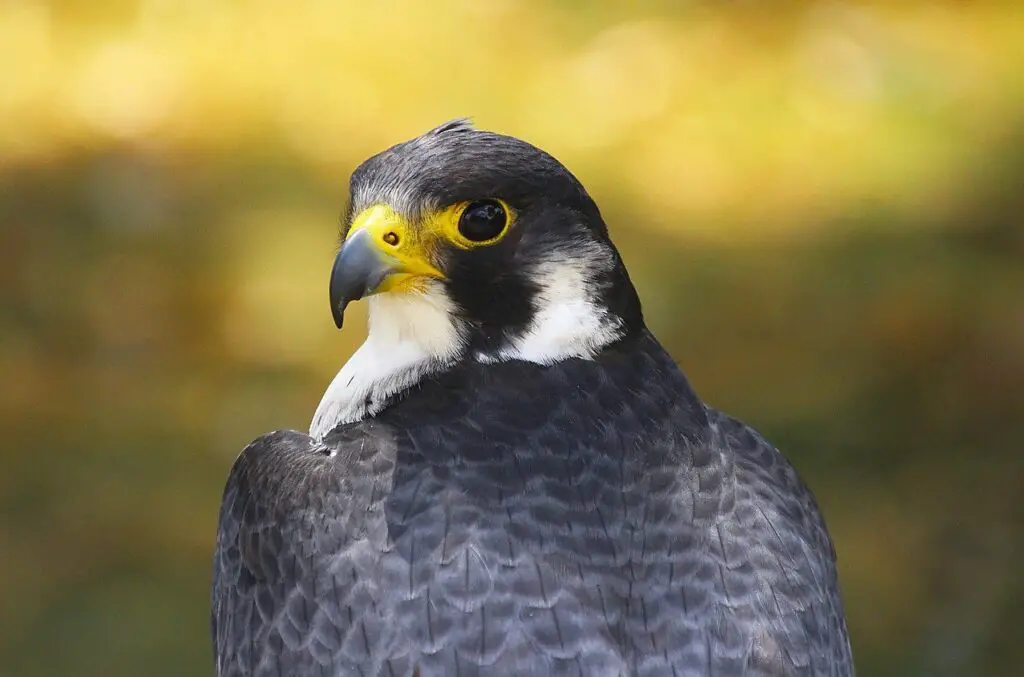
By following this structured yet flexible flying schedule, you can ensure that your gyrfalcons remain healthy, well-trained, and mentally stimulated.
Signs of Over-Flying or Under-Flying
Recognizing the signs of over-flying or under-flying in gyrfalcons is crucial for maintaining their health and performance. Here are some key indicators for both conditions:
Signs of Over-Flying
- Fatigue:
- Excessive panting or labored breathing even after a cool-down period.
- Reluctance to fly or take off.
- Drooping wings and lethargy.
- Weight Loss:
- Noticeable loss of body mass despite adequate food intake.
- Prominent keel bone.
- Muscle Soreness or Injury:
- Favoring one wing or showing signs of discomfort when handled.
- Swelling or heat in the joints or muscles.
- Visible injuries such as abrasions or broken feathers.
- Behavioral Changes:
- Increased irritability or aggression.
- Avoidance of training activities.
- Excessive preening or plucking of feathers due to stress.
- Dehydration:
- Dry, flaky skin and beak.
- Sunken eyes or reduced skin elasticity.
Signs of Under-Flying
- Weight Gain:
- Noticeable increase in body fat.
- Difficulty achieving or maintaining flight.
- Muscle Atrophy:
- Reduced muscle mass, especially in the breast area.
- Decreased strength and stamina during flight.
- Behavioral Changes:
- Restlessness and increased vocalizations due to pent-up energy.
- Destructive behaviors such as feather plucking or cage biting.
- Loss of Skills:
- Decreased precision in flight and hunting skills.
- Slower response times and reduced agility.
- Health Issues:
- Development of respiratory problems due to lack of exercise.
- Poor feather condition, possibly due to lack of natural wear and tear.
Monitoring and Adjustments
To maintain an optimal balance:
- Regular Health Checks:
- Conduct thorough inspections of the bird’s physical condition daily.
- Schedule regular veterinary visits for comprehensive health assessments.
- Flight Logs:
- Keep detailed records of flight durations, distances, and any noted changes in behavior or physical condition.
- Adjust the flying schedule based on these observations to ensure a balanced routine.
- Diet Adjustments:
- Modify food intake based on the bird’s activity level to maintain a healthy weight.
- Ensure a diet rich in necessary nutrients to support their activity and overall health.
- Varied Training:
- Incorporate different types of flights and exercises to keep the bird engaged and prevent overuse of specific muscle groups.
- Provide rest days and low-intensity activities to allow for recovery.
Adjusting Flying Routine for Seasons
The flying routine for gyrfalcons may need to be adjusted during different seasons to account for changes in temperature, daylight hours, and natural behaviors. Here’s how I adjust my flight routine based on the seasons:

- Summer: Increase early morning and late evening flights to avoid the hottest parts of the day.
- Fall: Use the cooler temperatures for longer training sessions and hunting opportunities.
- Winter: Shorten flying sessions due to decreased daylight hours and colder temperatures.
- Spring: Take advantage of the increased daylight for more frequent and extended flights.
- Migration Periods: Be mindful of migratory patterns and adjust flying routines accordingly to prevent disturbances.
Properly managing the flying routine of gyrfalcons is crucial for their health and performance. By following a structured schedule, regularly monitoring for signs of over or under-flying, and making necessary adjustments based on the seasons, you can ensure that your birds remain happy, healthy, and well-trained.