

Breeding a gyrfalcon is a meticulous process that demands expertise and dedication. Understanding their intricacies, from behavior to dietary needs, is just the beginning. Crafting a suitable habitat, selecting the right breeding pair, and fostering a conducive environment are all vital steps. But what truly sets successful breeders apart is the ability to anticipate and respond to the subtle cues of these magnificent birds. It’s a blend of science, intuition, and patience that ultimately leads to the magical moment when new life emerges, echoing the ancient art of falconry.
The Basics
Before embarking on a breeding journey, it’s crucial to have a solid understanding of the species. Gyrfalcons are large birds of prey known for their distinctive white plumage and fierce hunting prowess. They are native to the Arctic regions and have been prized by falconers for centuries.
In terms of behavior, gyrfalcons are solitary creatures and breeding pairs only come together for the sole purpose of reproduction. This makes it crucial to carefully select compatible birds that are genetically diverse and have no history of health issues.

Preparation for Breeding Gyrfalcons: Get ready with the necessary knowledge and resources.
Once you have a thorough understanding of gyrfalcons, it’s time to prepare for breeding. This includes gathering the necessary knowledge and resources to ensure a successful process.
One essential resource is a suitable habitat for the birds. Gyrfalcons require large enclosures with plenty of space to fly and exercise. The enclosure should also have adequate shelter from extreme temperatures and natural perches for the birds to land and rest. It’s important to have a thorough understanding of gyrfalcon breeding behavior and dietary needs. This will help you anticipate their needs and respond accordingly during the breeding process.
Let’s explore:
Research and Education: The Key to Success
Becoming a successful gyrfalcon breeder requires continuous learning and adaptation. Researching the latest scientific findings and techniques can provide valuable insights into improving breeding success rates.
Attending workshops, conferences, and networking with other breeders can also expand your knowledge base and help you stay up-to-date with industry developments. Additionally, joining online communities or forums can provide a platform for sharing experiences and learning from others.
– Start by thoroughly researching Gyrfalcons, their natural habitat, behavior, breeding requirements, and potential challenges.
– Seek out reputable books, articles, and online resources about Gyrfalcon breeding.
– Consider joining falconry clubs or forums where you can learn from experienced breeders and enthusiasts.
Legal Considerations: Know the laws and regulations.
Before beginning the breeding process, it’s crucial to understand and comply with all laws and regulations related to breeding gyrfalcons. These may vary by country or region, so it’s important to research and consult with local authorities.
In some cases, obtaining permits or licenses may be required before breeding gyrfalcons. It’s also essential to be aware of any restrictions on the sale or transport of these birds, as well as regulations for keeping them in captivity.
Facilities and Equipment: Create a suitable habitat for breeding.
Creating a suitable habitat for breeding gyrfalcons requires careful consideration of their natural habitat, behaviors, and needs. Here’s a comprehensive guide of what steps I take to facilitate my breeding gyrfalcons:
- Location Selection:
- I always choose a location away from disturbances such as noise and human activity.
- Ensure the area has good air quality and is free from pollutants.
- Ideally, the habitat should mimic the natural environment of gyrfalcons, such as rocky cliffs or high mountainous regions.
- Enclosure Design:
- Build a spacious aviary or enclosure with enough room for the falcons to fly and exercise.
- Use strong, durable materials for construction to prevent escapes and protect the birds from predators.
- Incorporate natural elements such as rocks, perches, and branches to provide enrichment and mimic their natural habitat.
- Install nesting boxes or platforms high off the ground to simulate cliffside nesting sites.
- Climate Control:
- Maintain suitable temperature and humidity levels within the enclosure, replicating the falcons’ natural habitat.
- Provide sheltered areas for the falcons to escape extreme weather conditions, such as heat or cold.
- Feeding and Watering Stations:
- Install feeding stations where the falcons can access a variety of prey species, such as small birds, rodents, and insects.
- Ensure a clean and reliable source of fresh water is readily available at all times.
- Environmental Enrichment:
- Provide opportunities for mental and physical stimulation through enrichment activities such as perching challenges, puzzle feeders, and novel objects.
- Incorporate natural elements like plants and trees to create a more stimulating environment.
- Rotate toys and enrichment items regularly to prevent boredom.
- Security Measures:
- Implement secure fencing and predator-proofing measures to prevent access from predators such as foxes, raccoons, or other birds of prey.
- Install surveillance cameras or alarms to monitor the enclosure and detect any potential threats.
- Monitoring and Maintenance:
- Regularly monitor the health and behavior of the falcons to ensure they are thriving in their environment.
- Conduct routine maintenance of the enclosure, including cleaning, repairs, and inspections for any signs of wear or damage.
- Breeding Management:
- Provide nesting materials such as twigs, leaves, and soft bedding for the falcons to construct their nests.
- Monitor breeding pairs closely during the breeding season and provide any necessary support or intervention as needed.
- Minimize disturbances around nesting sites to reduce stress and increase the likelihood of successful breeding.
By creating a habitat that meets gyrfalcons’ specific needs, you can provide them with a safe and enriching environment conducive to breeding and maintaining healthy populations.
Breeding Pair Selection: Choosing the right birds for breeding.
When choosing the male and female gyrfalcon you want to breed, there are many aspects to consider before you make your decision. The choice you make will determine the quality of chicks they breed for the future generation. Here are some key factors I look at before selecting my breeding pairs:
- Genetic Diversity: It’s important to select birds that are not closely related to avoid inbreeding, which can lead to genetic defects and reduced fitness in offspring.
- Health and Fitness: Both birds should be in excellent health with no signs of disease or genetic abnormalities. They should have strong immune systems and be free from parasites.
- Temperament: Consider the temperament of both birds. Breeding pairs should ideally have compatible personalities to minimize stress and aggression during the breeding process.
- Age: Ideally, select birds that are mature but not too old. Older birds may have decreased fertility, while younger birds may not have reached sexual maturity.
- Previous Breeding Success: If possible, choose birds with a history of successful breeding. This indicates that they are likely to be good parents and capable of raising healthy offspring.
- Physical Characteristics: Look for birds with desirable physical traits such as size, coloration, and feather quality. These traits can be important for both breeding success and the marketability of offspring.
- Breeding Experience: If one or both birds have previous breeding experience, consider their track record. Birds that have successfully raised offspring before are more likely to be successful breeders in the future.
- Compatibility: Ensure that the birds are compatible in terms of size, behavior, and breeding preferences. Compatibility can improve breeding success and reduce the likelihood of aggression between mates.
- Availability of Nesting Sites: Make sure that suitable nesting sites are available for the breeding pair. Gyrfalcons typically nest on cliff ledges or in trees, so appropriate structures should be provided in captivity.
- Breeding Goals: Consider your breeding goals, whether they are focused on producing falcons for falconry, conservation breeding for reintroduction programs, or scientific research. Select birds that align with these goals.
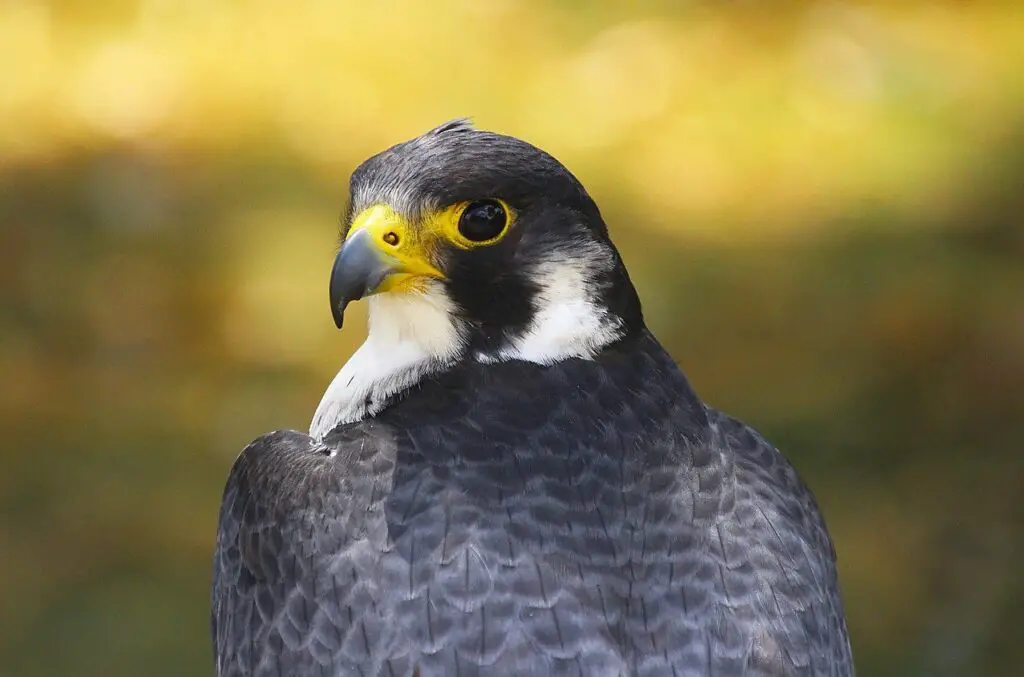
By carefully considering these factors, you can select a breeding pair of Gyrfalcons that are well-suited for successful reproduction and contribute positively to conservation efforts or other objectives.
Nutrition and Diet: Providing a balanced and appropriate diet for gyrfalcons.
Providing a balanced and timeous diet is crucial for the health and successful breeding of Gyrfalcons. Here are some guidelines for feeding breeding Gyrfalcons:
- Whole Prey Items: Offer a variety of whole prey items to simulate the natural diet of Gyrfalcons. This can include quail, pigeons, ducks, rabbits, and other small to medium-sized birds and mammals.
- Variety: Ensure dietary variety to provide essential nutrients and prevent nutritional deficiencies. Rotate between different types of prey to mimic the diversity in the wild diet.
- Freshness: Feed fresh prey to ensure maximum nutritional value and minimize the risk of bacterial contamination. Frozen prey can be used occasionally but should be thawed properly before feeding.
- Calcium Supplementation: Provide calcium supplementation, especially for female Gyrfalcons during egg-laying and incubation. Calcium can be offered in the form of crushed eggshells, cuttlebone, or commercially available avian calcium supplements.
- Feeding Schedule: Offer prey items on a regular schedule to maintain optimal body condition and energy levels. Adjust the frequency and portion sizes based on the individual needs of the birds and breeding stage.
- Monitoring Body Condition: Monitor the body condition of breeding Gyrfalcons closely to ensure they are maintaining a healthy weight. Adjust the diet accordingly if birds are becoming underweight or overweight.
- Hydration: Ensure access to clean water at all times to prevent dehydration, especially during warmer months or when feeding dry prey items.
- Nutritional Supplements: Consider providing additional nutritional supplements as needed, such as vitamins and minerals. Consult with an avian veterinarian or experienced falconer for guidance on appropriate supplementation.
- Avoidance of Toxic Foods: Avoid feeding toxic foods such as onions, chocolate, caffeine, and avocado, as these can be harmful or even fatal to Gyrfalcons.
- Consultation with Experts: If you are unsure about the dietary needs of breeding Gyrfalcons or encounter any feeding-related issues, seek guidance from experienced falconers, avian veterinarians, or bird of prey specialists.
Breeding Management: Monitoring and supporting the breeding process.
Regularly monitoring the behavior and health of Gyrfalcons is essential for early detection of stress, illness, or reproductive issues. To effectively manage breeding Gyrfalcons, consider the following:
- Nesting Conditions: Provide appropriate nesting materials and create suitable conditions to encourage breeding behavior.
- Record Keeping: Keep detailed records of breeding activities, including mating behavior, egg laying, incubation, and chick rearing.
- Observation: Regularly observe the birds for any changes in behavior or health that may indicate potential issues.
Incubation and Chick Rearing: Supporting the growth and development of Gyrfalcon chicks.
This is a very important step in ensuring the survival and health of your breeding Gyrfalcons. Proper incubation and chick-rearing practices can greatly impact the success of a breeding program. Here are some tips for effective incubation and chick rearing:
- Incubation: Gyrfalcon eggs typically have an incubation period of around 28 to 32 days. During this time, it’s essential to provide a stable and controlled environment for the eggs. Maintain proper temperature (around 99.5°F or 37.5°C) and humidity levels (around 50-60%) in the incubator to ensure successful development.
- Monitoring: Monitor the incubation process closely, checking the eggs regularly for signs of fertility and development. Candling can be used to assess embryo growth and detect any potential issues, such as infertility or early mortality.
- Nutrition for Incubating Parents: Provide adequate nutrition for the incubating parents to support their energy needs during this demanding period. Offer high-quality prey items to ensure they are in optimal condition for successful incubation.
- Hatching: Gyrfalcon chicks typically hatch asynchronously, meaning not all eggs hatch at the same time. Be prepared for staggered hatching and provide appropriate care to each chick as it emerges from the egg.
- Brooding: After hatching, Gyrfalcon chicks are initially unable to regulate their body temperature and rely on the parent(s) for warmth. Provide a suitable brooding area with supplemental heat to maintain a comfortable temperature for the chicks, typically around 90-95°F (32-35°C) initially, gradually decreasing over time as the chicks grow.
- Feeding: Gyrfalcon chicks are fed a diet of regurgitated prey by their parents. Ensure that the parent birds are providing adequate food for the chicks, monitoring feeding behavior and chick growth closely. Supplemental hand-feeding may be necessary if there are issues with parental care or if chicks are not receiving sufficient food.
- Hygiene: Maintain a clean and hygienic environment for the chicks to minimize the risk of infection and disease. Remove any uneaten food promptly and regularly clean the brooding area to prevent the buildup of waste and pathogens.
- Socialization: Provide opportunities for socialization and interaction with humans in a controlled manner to ensure that the chicks become accustomed to human presence and handling. This can facilitate future training and falconry activities if applicable.
- Health Monitoring: Monitor the health and development of the chicks closely, watching for signs of illness, injury, or developmental abnormalities. Seek veterinary care if any concerns arise to ensure prompt treatment and support.
- Weaning and Fledging: As the chicks grow and develop, gradually introduce them to whole prey items and encourage independent feeding. Monitor their progress and readiness for fledging, providing a safe and suitable environment for them to exercise and practice flying before release if applicable.
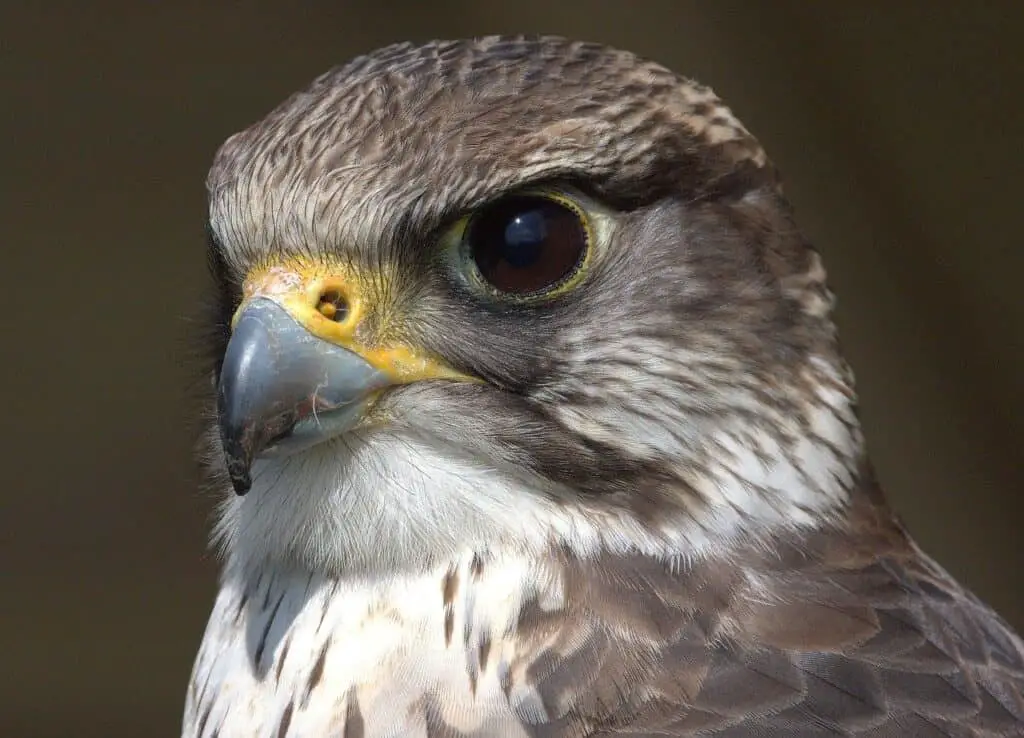
Overall, successful breeding management of Gyrfalcons requires a hands on approach, close monitoring, and attention to detail. Providing appropriate nutrition, suitable nesting conditions, and proper care during incubation and chick-rearing are crucial for the health and well-being of the birds. Consult with experts if needed, and be prepared to adapt your management strategies based on individual needs and circumstances.
Frequently Asked Questions
What Is the Ideal Age for Gyrfalcons to Start Breeding?
- Gyrfalcons typically reach sexual maturity at around 2-3 years of age and can start breeding during their first or second year.
How Many Eggs Do Gyrfalcons Lay in a Clutch?
- Gyrfalcons typically lay 3-5 eggs in a clutch, but this can vary depending on individual birds and environmental factors.
How Long Do Gyrfalcon Chicks Stay with Their Parents?
- Gyrfalcon chicks typically stay with their parents for around 6-8 weeks after hatching before they are ready to fledge and become independent.
Do Gyrfalcons Breed Every Year?
- In the wild, Gyrfalcons may only breed every 2-3 years, but in captivity, they can potentially breed every year with proper care and management. However, breeding them too frequently can have negative impacts on their health and reproductive success.
Can I Hand-Raise Gyrfalcon Chicks?
- Yes, with the proper knowledge and experience, it is possible to hand-raise Gyrfalcon chicks.