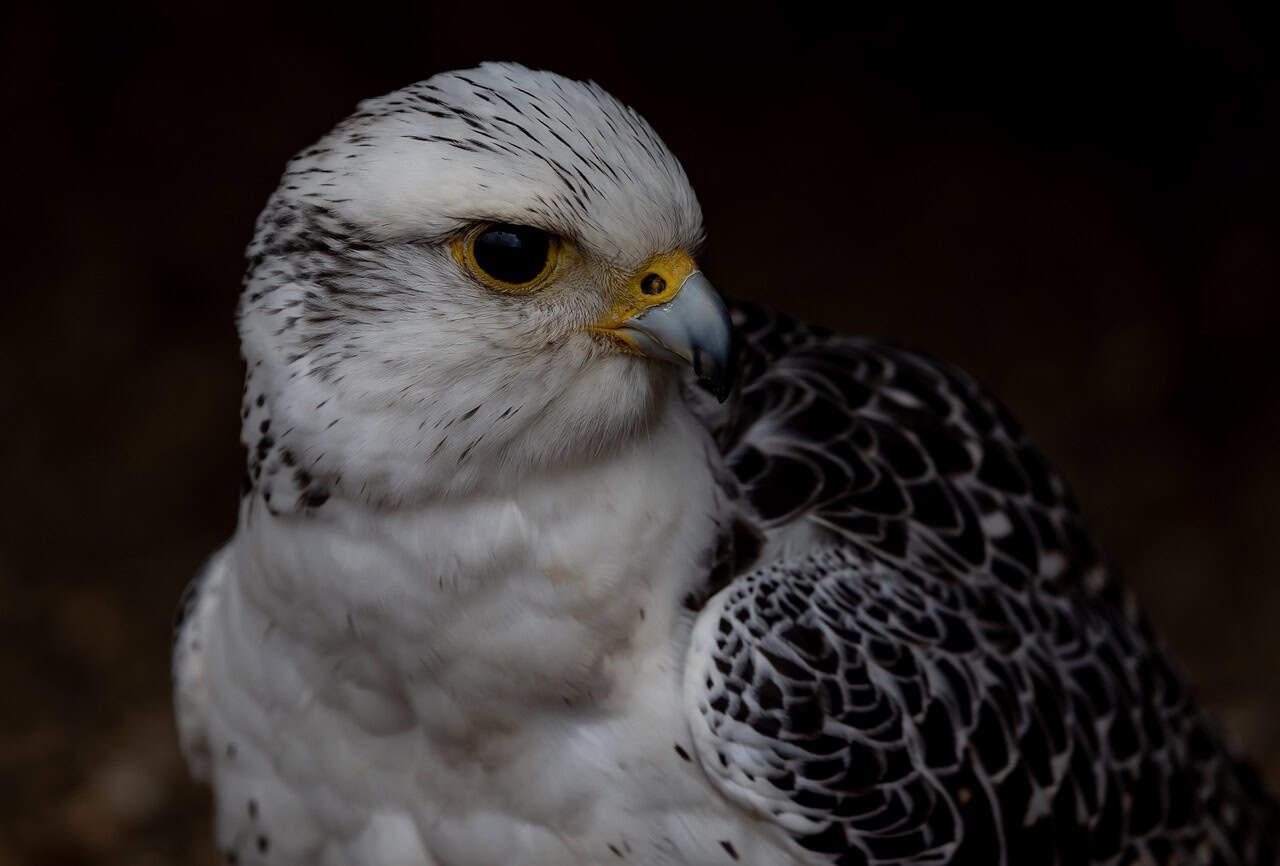
Maintaining a Gyrfalcon’s aviary is crucial for their well-being. My daily routine includes the removal of uneaten food, cleaning water dishes, and disinfecting perches and toys. I use fine mesh wire flooring for easy cleaning. You will also need to monitor temperature and humidity levels. These are just a few basic requirements for maintaining a clean aviary. Let’s take a look at some other important factors to consider when maintaining a Gyrfalcon’s aviary.
Daily Cleaning Routine: Keeping the Aviary Tidy
Each morning, I remove any uneaten food from the previous day. This helps prevent the spread of bacteria and keeps the aviary smelling fresh. Next, I thoroughly clean the water dishes and refill them with fresh water. Clean water is vital for the health of the Gyrfalcons and helps prevent diseases.
After attending to food and water, I clean the perches and toys in the aviary. Gyrfalcons are curious birds and enjoy exploring their surroundings, so it’s important to keep their perches clean to prevent potential health issues. I use a mild disinfectant to wipe down the perches, ensuring they’re free from droppings or dirt.
Monitoring Environmental Conditions: Temperature, Humidity, and Light
Monitoring the temperature, humidity, and light levels in the Gyrfalcons’ is another important factor:
- Temperature: Maintaining the temperature within the recommended range of 50-70°F (10-21°C) is vital for the Gyrfalcons’ comfort and health. Fluctuations outside this range can stress the birds and lead to health issues.
- Humidity: Keeping the humidity level between 55-60% is important to prevent respiratory problems in Gyrfalcons. Low humidity can cause dehydration, while high humidity can promote mold growth, which is detrimental to the birds.
- Light: Providing a natural light cycle of around 12 hours of daylight and 12 hours of darkness mimics the Gyrfalcons’ natural environment. Exposure to natural light helps regulate their biological processes and supports their overall well-being.
Regularly monitoring and adjusting these environmental conditions will help create a comfortable and healthy habitat for the Gyrfalcons.
Regular Inspections: Checking for Wear and Tear
Performing regular inspections of the aviary is essential to ensure it remains safe and secure for the Gyrfalcons. Some key things to look out for during these inspections include:
- Wear and tear: Over time, the aviary may start showing signs of wear and tear, such as loose wires or damaged netting. I ensure that they are repaired immediately to prevent potential hazards for the birds.
- Pest control: Inspecting for pests such as mites, lice, or rodents is crucial to maintaining a healthy environment for the Gyrfalcons. Regular cleaning and disinfecting can help prevent infestations, but if an issue arises, it’s important to seek professional help.
- Enrichment: Regularly inspecting toys and perches for wear and tear is important. Damaged or worn-out items should be replaced to keep the birds entertained and prevent potential injuries.
By conducting regular inspections, any potential issues can be identified and addressed promptly, ensuring the aviary remains safe and comfortable for the Gyrfalcons.
Pest Control Measures: Keeping Unwanted Guests Away
To begin with, regularly inspect the aviary for any signs of pests such as rodents, insects, or other wildlife. Look for droppings, gnaw marks, or holes that could indicate the presence of pests. Seal off any entry points or gaps in the aviary structure to prevent pests from gaining access.
Additionally, maintaining cleanliness is key to pest control. Keep the aviary clean from leftover food, debris, and standing water, as these can attract pests. Regularly remove any fallen feathers, uneaten food, or waste to eliminate potential food sources for pests. Consider using bird-safe cleaning products to disinfect the aviary and deter pests.
You could also consider implementing traps or baits strategically if pests persist. Choose traps that are safe for the Gyrfalcons and other birds in the aviary. Regularly monitor and dispose of trapped pests to prevent further infestations. By following these pest control measures diligently, you can create a safe and healthy environment for your Gyrfalcons.
Maintaining a Gyrfalcon’s aviary requires dedication and diligence, but the effort is worth it to ensure the birds’ health and well-being. By following a daily cleaning routine, monitoring environmental conditions, conducting regular inspections, and implementing pest control measures, you can create a safe and comfortable habitat for your Gyrfalcons.
Frequently Asked Questions
How Often Should I Sanitize the Gyrfalcon’s Aviary?
- I sanitize my gyrfalcon’s aviary every week to keep it clean and safe.
What Should I Do if the Temperature Suddenly Drops in the Aviary?
- If the temperature suddenly drops in the aviary, you can provide additional heat sources like heat lamps or blankets to keep the Gyrfalcons warm and comfortable.
Can I Prevent Wear and Tear on the Equipment?
- To prevent wear and tear on equipment, you should take good care of your stuff by lubricating moving parts, tightening loose screws, and replacing worn-out components can greatly extend the lifespan of your gear.
How Do I Know if the Aviary Is Attracting Pests?
- Inspect for droppings, chewed materials, or unusual odors. Make sure to secure food containers, seal entry points, and schedule regular cleanings to deter pests.