
Gyrfalcons require special care and attention to maintain their health. One of the key aspects of caring for a gyrfalcon is managing their weight. Overweight or underweight gyrfalcons can suffer from various health issues, affecting their overall well-being and performance.
Here, I’ll talk you through how you can maintain healthy weight management for your Gyrfalcon, ensuring they are in optimal physical condition and can continue to thrive under your care.
Understanding Weight Management
Maintaining a healthy weight for Gyrfalcons is crucial, and as an experienced falconer, I can tell you why this is so important for their overall well-being and performance.
Health and Longevity
First and foremost, keeping your Gyrfalcon at a healthy weight helps prevent a host of health issues. Just like with any animal, obesity can lead to diseases such as fatty liver disease, cardiovascular problems, and joint issues. These conditions can significantly shorten their lifespan and reduce their quality of life. A falcon that’s in good shape will have a stronger immune system, helping it fend off infections and stay healthy.

Hunting Efficiency
Gyrfalcons are powerful hunters that rely on their speed and agility to catch prey. Extra weight can seriously impair their flight capabilities, making it harder for them to maneuver and chase down fast-moving targets. It’s all about energy balance – they need to have enough reserves for hunting without carrying too much excess weight. This balance is crucial for their survival, especially in the wild, where efficient energy use is vital.
Reproductive Success
When it comes to breeding, healthy weight plays a key role. Overweight or underweight Gyrfalcons can experience hormonal imbalances that affect their breeding cycles and fertility. A falcon in good condition is also better equipped to care for its chicks, ensuring that they get enough food and protection. This directly contributes to higher chick survival rates.
Adaptation to Environmental Conditions
Gyrfalcons need to adapt to seasonal changes in food availability. Keeping them at a healthy weight ensures they have enough fat stored to survive periods of scarcity without becoming overweight when food is plentiful. For those that migrate, a healthy weight is critical for long flights. Excess weight can hinder their ability to travel long distances, while insufficient weight can leave them without necessary energy reserves.
Behavioral Implications
Weight also affects hunting behavior and success rates. An overweight Gyrfalcon might become less motivated to hunt frequently, leading to a cycle of weight gain and decreased hunting proficiency. In terms of social interactions, a Gyrfalcon in prime condition is more likely to defend its territory and secure better hunting grounds, which are essential for its survival and reproductive success.
Dietary Needs
I always ensure my Gyrfalcon’s dietary needs are met as it is critical for maintaining a healthy weight and overall well-being. Here’s a detailed look at the dietary requirements for Gyrfalcons to support healthy weight management.
Understanding Their Natural Diet
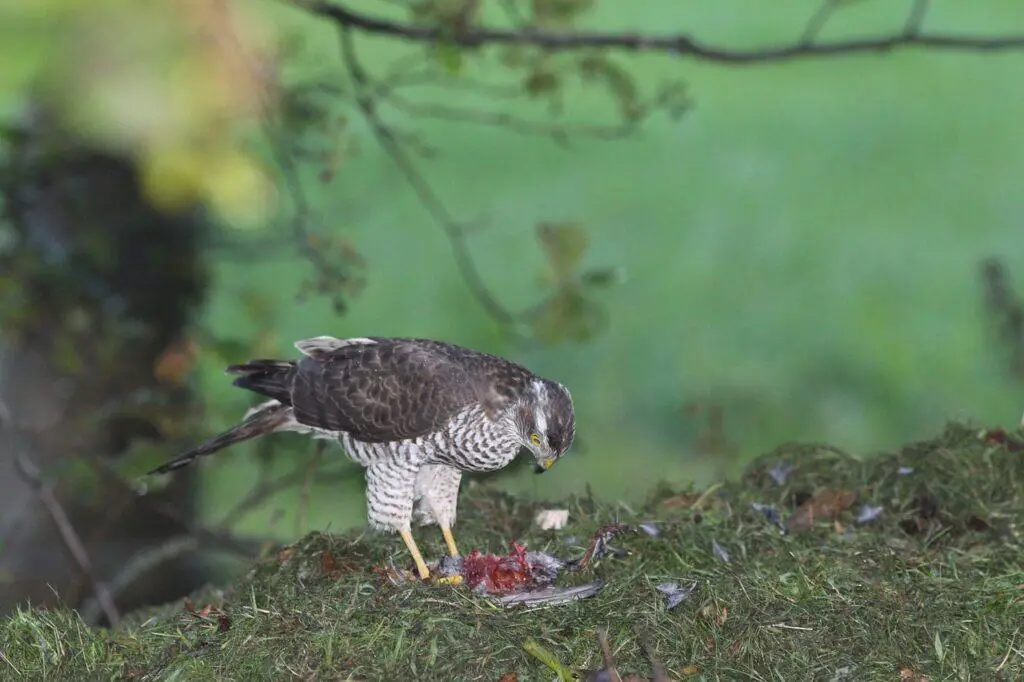
In the wild, Gyrfalcons primarily hunt and feed on a variety of birds and small mammals. Their diet includes ptarmigans, grouse, ducks, and occasionally hares and other rodents. This natural diet is high in protein and provides the necessary nutrients for their health.
Key Dietary Components
- Protein: The most crucial component of a Gyrfalcon’s diet. Protein supports muscle development, energy, and overall health. Ensure their diet consists primarily of whole prey items such as quail, pigeon, or day-old chicks.
- Fat: Necessary for energy, especially during colder months or periods of increased activity. However, too much of fats can lead to obesity, so it’s essential to balance fat intake with their activity level.
- Vitamins and Minerals: Essential for overall health. Whole prey generally provides a balanced mix of vitamins and minerals, but sometimes, supplementation might be necessary, especially if feeding non-natural prey items.
Feeding Guidelines
- Whole Prey: Feeding whole prey closely mimics their natural diet. This includes feathers, bones, and internal organs, which provide balanced nutrition and aid in digestion.
- Variety: Provide a diverse selection of prey items to ensure a balanced diet.. Rotate between quail, pigeon, and other appropriate birds to prevent nutritional deficiencies.
- Supplementation: If necessary, provide supplements to ensure your falcon is getting all the required nutrients. This might include calcium supplements if feeding primarily muscle meat or vitamin supplements, as advised by an avian vet.
Monitoring and Adjustments
- Regular Weigh-Ins: Weigh your Gyrfalcon regularly to monitor weight changes. This helps you adjust their diet accordingly to maintain a healthy weight.
- Observing Behavior: Watch for changes in behavior that might indicate nutritional deficiencies or excess weight. Reduced activity or reluctance to fly can be signs of weight issues.
- Health Check-Ups: Regular health check-ups with an avian veterinarian can help catch any nutritional imbalances early and allow for dietary adjustments.
Special Considerations
- Seasonal Adjustments: During colder months or breeding seasons, adjust the diet to meet increased energy needs. This might mean providing more food or food with higher fat content.
- Hydration: Ensure your Gyrfalcon has access to fresh water at all times. While they get some moisture from their prey, additional water is crucial, especially in warmer weather.
Common Mistakes to Avoid
- Overfeeding: One of the most common mistakes is overfeeding, leading to obesity. Stick to portion guidelines and adjust based on regular weight checks.
- Inadequate Variety: Feeding only one type of prey can lead to nutritional deficiencies. Ensure a varied diet to provide balanced nutrition.
- Ignoring Supplements: If your Gyrfalcon’s diet lacks certain nutrients, don’t ignore the need for supplements. Consult with a vet to determine the best supplement strategy.
Portion Control
Controlling portion sizes is crucial for maintaining your Gyrfalcon’s health and optimal performance. Proper portion control helps prevent both overeating and underfeeding, each of which can lead to serious health and behavioral issues.

Importance of Portion Control
- Preventing Obesity
- Health Risks: Overeating can lead to obesity, which increases the risk of various health problems such as fatty liver disease, cardiovascular issues, joint problems, and decreased lifespan.
- Flight Performance: Excess weight impairs flight ability, reducing the falcon’s speed, agility, and overall hunting efficiency. This can lead to decreased hunting success and further weight gain.
- Avoiding Underfeeding
- Energy Levels: Insufficient food intake can lead to malnutrition, reduced energy levels, and weakened immune function. This makes the Gyrfalcon more susceptible to illnesses and less capable of effective hunting.
- Reproductive Health: Underfeeding can negatively impact reproductive health, leading to poor breeding success and lower chick survival rates.
Determining Proper Portions
- Daily Intake Based on Body Weight
- Typically, an adult Gyrfalcon should consume around 10-15% of its body weight per day. This can vary depending on the bird’s activity level, age, health status, and environmental conditions.
- Adjustments Based on Activity Level
- High Activity: Increase portions during periods of high activity, such as intensive training, hunting, or during colder months when energy needs are higher.
- Low Activity: Reduce portions during periods of low activity to prevent weight gain.
- Monitoring and Adjustments
- Regular Weigh-Ins: Weigh your Gyrfalcon regularly to monitor any changes in weight. Use this information to adjust food portions accordingly.
- Behavioral Observations: Watch for changes in behavior, such as decreased activity or reluctance to fly, which may indicate weight issues.
Implementing Portion Control
- Consistent Feeding Schedule
- Establish a consistent feeding schedule to help regulate your falcon’s metabolism and prevent overeating. Feed at the same times each day to create a routine.
- Measuring Food
- Use a kitchen scale to measure food portions accurately. This ensures you are providing the right amount of food each day.
- Adjusting for Prey Type
- Different prey items have different caloric densities. Adjust portions based on the type of prey you are feeding to ensure consistent caloric intake.
Signs of Overeating and Underfeeding
- Overeating Signs
- Weight Gain: Regular weigh-ins showing consistent weight gain.
- Behavioral Changes: Decreased motivation to fly or hunt, increased lethargy.
- Physical Appearance: Noticeable fat deposits, especially around the chest and abdomen.
- Underfeeding Signs
- Weight Loss: Regular weigh-ins show weight loss.
- Behavioral Changes: Increased irritability, reduced activity, weakened flight.
- Physical Appearance: Prominent keel bone, lack of muscle mass, overall thin appearance.
Regular Exercise: The importance of regular exercise and flight training in managing the weight of a Gyrfalcon.
Regular exercise and activities play a critical role in keeping your bird in optimal condition. Firstly, regular exercise helps burn calories, prevents weight gain, and promotes a healthy weight. It also boosts metabolism, aiding in the regulation of body weight and energy levels. Exercise is crucial for muscle development and maintenance, building strong flight muscles, and increasing stamina and endurance. This not only improves physical condition but also enhances cardiovascular health, strengthening the heart and improving circulation while also increasing respiratory efficiency.
From a behavioral perspective, I believe exercise and training provide mental stimulation, reducing boredom and negative behaviors such as feather plucking or aggression. They allow Gyrfalcons to express natural behaviors, contributing to their overall well-being and happiness. Additionally, regular flight practice improves hunting skills, enhancing agility, speed, and accuracy, which are essential for survival in the wild.

To implement regular exercise and flight training, I incorporate daily flight training sessions into my falcon’s routine, aiming for at least 30 minutes of flight time each day. This routine is sometimes adjusted based on my falcon’s age, health, and fitness level. Use a variety of activities such as free flights, lure training, and obstacle courses to provide both physical exercise and mental stimulation. Monitor your falcon’s performance and adjust the intensity and duration of exercise accordingly, gradually increasing the difficulty as their fitness improves. Regular health checks with a veterinarian can help ensure your falcon is fit for exercise and not experiencing any underlying health issues.
To conclude, portion control and regular exercise are essential for maintaining the health and optimal performance of your Gyrfalcon. By implementing these practices into your falcon’s routine, you can prevent obesity and health issues, both of which can have serious consequences on their well-being.