
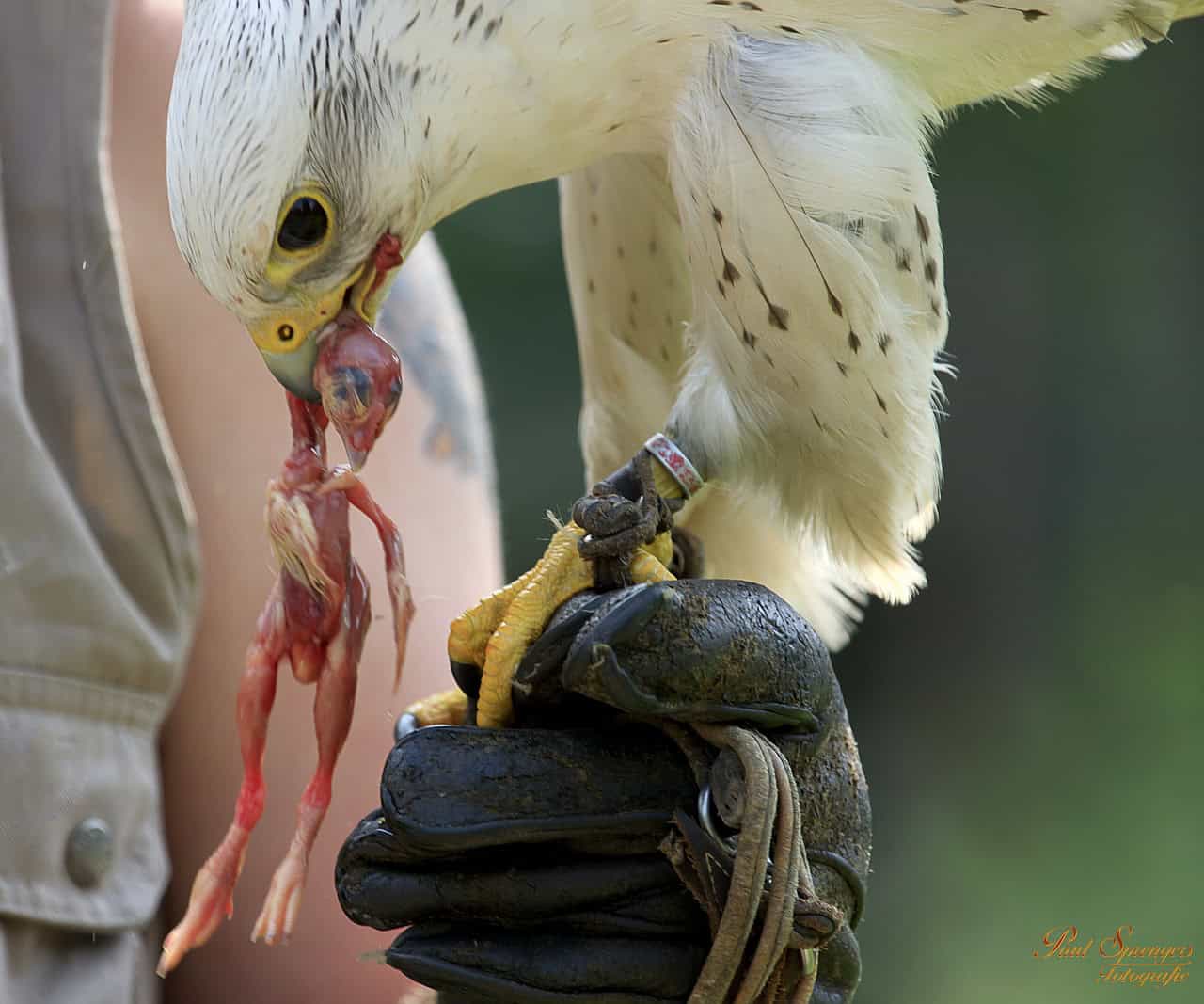
Understanding the unique features of male and female Gyrfalcons is essential when choosing between them for falconry. Female Gyrfalcons, being larger and heavier, excel in strength and hunting power. Their larger talons make them fierce hunters. Meanwhile, male Gyrfalcons are agile, with quick speeds and precise movements, ideal for fast prey in wooded areas. Personally, I believe that the best choice for falconry is subjective and depends on the individual’s needs and preferences.
Physical Differences Between Male and Female Gyrfalcons
Male and female Gyrfalcons, like in many birds of prey, exhibit sexual dimorphism, where there are physical differences between the two genders. Here are some common physical differences between male and female Gyrfalcons:
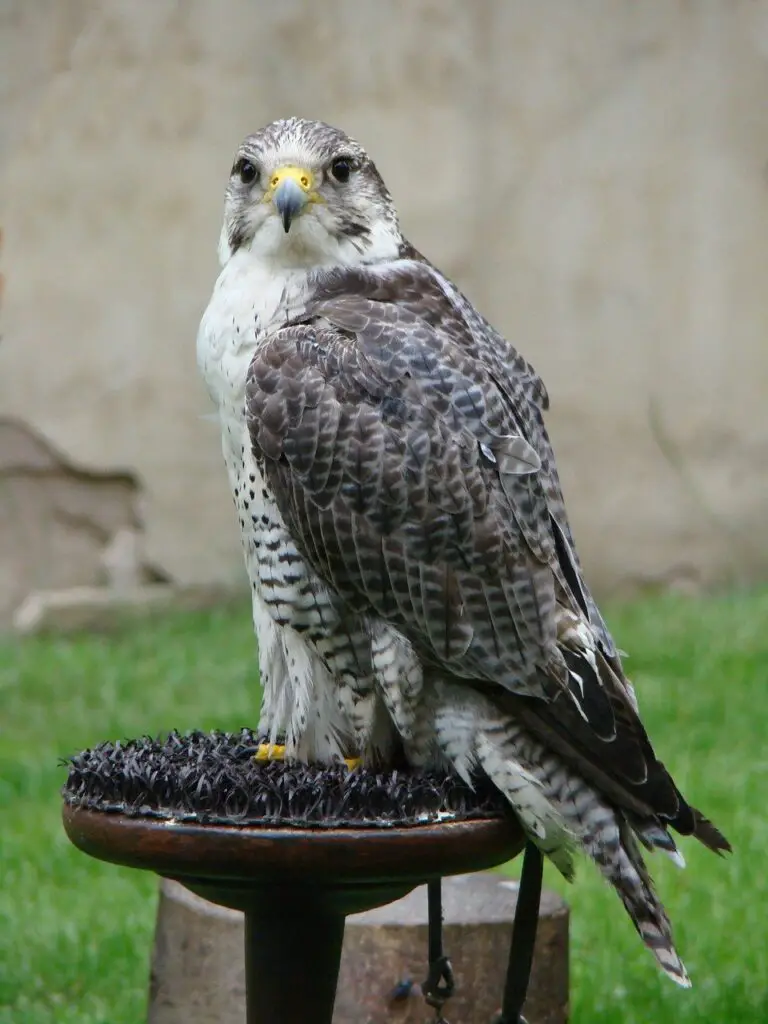
- Size: Female Gyrfalcons tend to be larger than males. This size dimorphism is known as reverse sexual dimorphism, where the female is larger than the male. The size difference can be quite significant, with females sometimes being nearly one-third larger than males.
- Weight: Because of their larger size, female Gyrfalcons typically weigh more than males. While weights can vary depending on factors like age and diet, females can weigh around 2.5 to 4 pounds (1.1 to 1.8 kilograms), while males generally weigh between 1.5 to 2.5 pounds (0.7 to 1.1 kilograms).
- Wingspan: Female Gyrfalcons often have a wider wingspan than males. This characteristic is also typical in many birds of prey, where the larger females require broader wings to support their heavier bodies.
- Coloration: There might be subtle differences in plumage coloration between males and females, but these differences are usually quite minor and can vary among individuals. In general, both male and female Gyrfalcons have a similar appearance, with a combination of dark brown, white, and grey plumage.
- Claw Size: Female Gyrfalcons tend to have larger and more powerful talons compared to males. This is because they need greater gripping strength to capture and hold onto prey, especially larger prey items.
These physical differences serve different purposes in the lives of male and female Gyrfalcons, reflecting their respective roles in reproduction and hunting.
Behavioral Characteristics of Male Gyrfalcons
Male Gyrfalcons have distinct behaviors that set them apart from females. Here are some notable behavioral characteristics of male Gyrfalcons:
- Agility: Due to their smaller size, male Gyrfalcons are more agile and maneuverable compared to females. This agility is essential for catching fast prey in wooded areas, where precision and speed are crucial.
- Territorial: Male Gyrfalcons are highly territorial birds and will fiercely defend their territory from intruders, including other male Gyrfalcons.
- Mating Displays: During the breeding season, male Gyrfalcons perform elaborate aerial displays to attract potential mates. These displays showcase their flying abilities and demonstrate their suitability as a mate.
- Hunting Techniques: Male Gyrfalcons are skilled hunters, using a combination of speed, agility, and precise movements to capture their prey. They often hunt smaller birds in flight or on the ground.
Behavioral Characteristics of Female Gyrfalcons
On the other hand, female Gyrfalcons exhibit different behavioral characteristics that make them unique from males:
- Strong Maternal Instinct: Female Gyrfalcons have a strong maternal instinct and are highly protective of their young. They will fiercely defend their nest and offspring from potential threats.
- Powerful Hunters: Due to their larger size, female Gyrfalcons are formidable hunters. Their powerful talons allow them to capture and hold onto prey, giving them an advantage when hunting larger prey items.
- Homebody: Female Gyrfalcons tend to stay close to their nesting site, only venturing out for food. This behavior is crucial during the incubation and fledging period, where they need to be near their young at all times.
Hunting Performance Comparison
When it comes to hunting performance, both male and female Gyrfalcons are highly skilled predators. However, their different physical and behavioral characteristics make them excel in different areas:
Male Gyrfalcons:
- Speed and Agility: Males are known for their exceptional speed and agility, which they use to pursue and capture fast-moving prey such as small birds. They have streamlined bodies and powerful flight muscles that enable them to execute rapid aerial maneuvers while hunting.
- Precision Strikes: Male Gyrfalcons are adept at executing precise strikes to capture elusive prey. They use their keen eyesight to spot potential targets from great distances and employ swift and accurate aerial attacks to seize their prey mid-flight.
- Hunting Efficiency: They typically hunt smaller prey species that require quick and precise strikes. Their hunting strategy often involves targeting agile birds such as ptarmigans, grouse, and other small game birds that inhabit their territory.
Female Gyrfalcons:
- Strength and Power: Female Gyrfalcons are larger and more powerful than males, equipped with stronger talons and greater gripping strength. They are capable of taking down larger prey items that require more strength to capture and subdue.
- Versatility: Females exhibit versatility in their hunting strategies, allowing them to target a wider range of prey species compared to males. While they can hunt small birds with agility similar to males, they are also capable of capturing larger prey such as waterfowl, hares, and even small mammals.
- Nesting and Provisioning: During the breeding season, female Gyrfalcons prioritize provisioning food for themselves and their offspring. They may hunt larger prey items to ensure an adequate food supply for their growing chicks, exhibiting patience and perseverance in securing enough food to sustain their family.
Factors to Consider When Choosing a Gyrfalcon for Falconry
When choosing a Gyrfalcon for falconry, it is essential to consider various factors such as the bird’s physical characteristics, behavioral traits, and hunting performance. While both male and female Gyrfalcons make excellent hunting partners, their differing qualities may suit different types of hunting situations. For example:
- Hunting Preferences: If you are primarily interested in hunting smaller, agile birds, a male Gyrfalcon’s speed and agility may be more suitable. On the other hand, if you are looking to hunt larger prey items, a female Gyrfalcon’s strength and versatility may make her a better fit.
- Size Considerations: Male Gyrfalcons tend to be smaller and lighter than females, making them more manageable and easier to handle for falconers with less experience. However, if you are an experienced falconer and can handle a larger bird, a female Gyrfalcon may offer more hunting versatility.
- Training Strategies: Male and female Gyrfalcons may exhibit different training preferences due to their unique behaviors. Understanding these differences can help in developing effective training techniques that suit the individual bird’s needs and abilities.
In conclusion, both male and female Gyrfalcons have distinct characteristics that make them exceptional hunters. However, understanding their physical and behavioral differences can help falconers choose the most suitable bird for their hunting preferences and skill level. So, it is crucial to consider these factors carefully when selecting a Gyrfalcon for falconry.