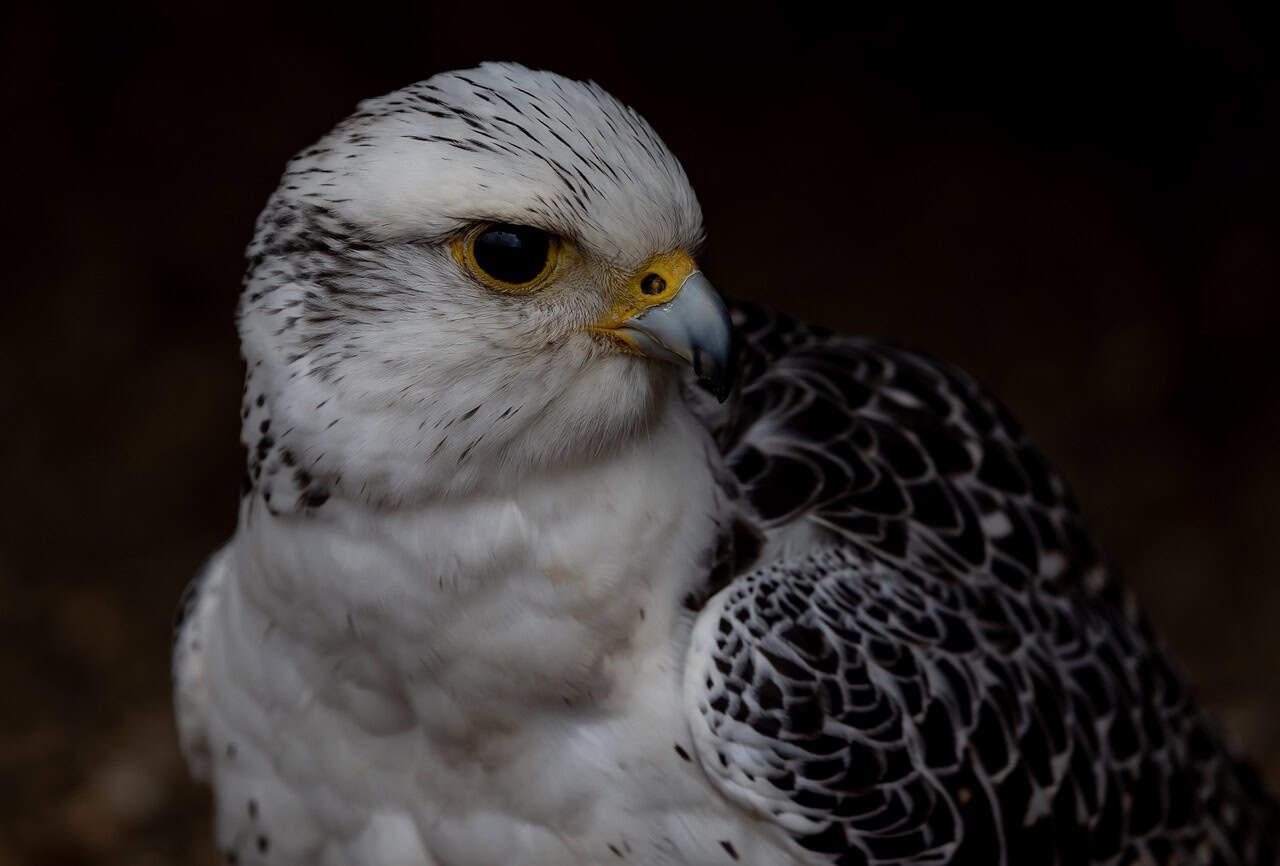
Constructing a suitable mew for a Gyrfalcon takes alot planning. Gyrfalcons require a spacious area. My gyrfalcon mew is around and provides ample space for the bird to stretch its wings within the mew.
General Size and Layout Considerations
When choosing the dimensions for a Gyrfalcon’s mew or aviary, it is important to consider the bird’s natural habitat and behavior. Gyrfalcons are known to inhabit open tundra areas and require ample space to fly and hunt. Therefore, their mew should be large enough to accommodate their wingspan and provide enough room for exercise.
I recommend that the size of a Gyrfalcon’s mew is at least 5 meters in length, 3 meters in width, and 2.5 meters in height. This will allow the bird to stretch its wings fully and move around comfortably. It is also important to provide perches and structures for the bird to perch on and simulate natural hunting behaviors. These structures can be made out of natural branches or man-made materials such as wood or rope.
In terms of layout, Gyrfalcons prefer perches at varying heights to simulate their natural habitat. Providing multiple perches of different sizes and textures helps keep their feet healthy and engages their natural instincts for climbing and perching. I also like to have a shallow bath or water source for bathing, which is beneficial for their plumage maintenance.
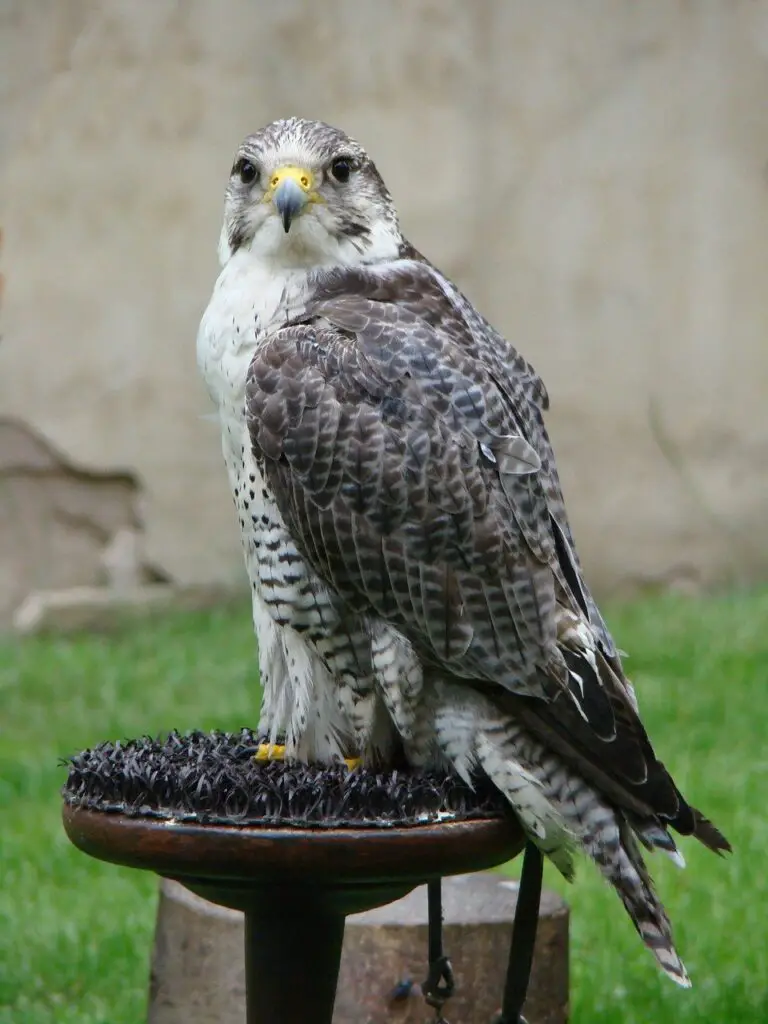
Temperature Needs and Control
Gyrfalcons are accustomed to cold temperatures, as they are native to arctic and subarctic regions. Therefore, it is important to keep their mew at a cool temperature, between 50 and 60 degrees Fahrenheit (10 and 15 degrees Celsius). This can be achieved through proper insulation, which helps to maintain a stable internal environment, and careful ventilation to ensure fresh air circulation without significant heat gain. Using materials such as weather-resistant wood and insulating foam can be particularly effective.
In addition to maintaining a suitable temperature, it is important to monitor the humidity levels in the mew. Gyrfalcons are known to develop respiratory issues if the air is too dry. Keeping a constant humidity level of 50-60% can help prevent these health issues. This can be managed by using a humidifier, especially during colder months when indoor air tends to be drier. Regularly checking humidity levels with a hygrometer can ensure that the environment remains optimal for the bird’s health. Additionally, placing water dishes or using misting systems can help maintain the appropriate humidity levels.
Ventilation and Air Quality
Proper ventilation and high air quality are crucial aspects to address within a gyrfalcon’s mews to ensure its well-being. Adequate airflow and clean air play a major role in maintaining the health and comfort of these majestic birds. Without these, gyrfalcons can suffer from respiratory issues and other health complications that can significantly impede their quality of life.
Key points to consider include:
- Air Circulation: Gyrfalcons require good air circulation in their mews to prevent the buildup of harmful gases such as ammonia from droppings and to ensure fresh air is consistently available. Stagnant air can lead to the proliferation of bacteria and fungi that are detrimental to the bird’s health.
- Ventilation Systems: Implementing efficient ventilation systems helps regulate temperature and humidity levels, promoting a healthy environment for the bird. These systems should be designed to provide a constant exchange of indoor and outdoor air without causing drafts that might stress the birds.
- Air Quality Monitoring: Regularly monitor the air quality within the mews to detect any issues early on. Using devices like hygrometers and air quality meters can help you track levels of humidity, temperature, and pollutants, enabling you to take necessary measures to maintain optimal conditions.
- Cleanliness: Keeping the mews clean is essential for air quality. Regularly remove waste, feathers, and any other debris that could impact the purity of the air. Frequent cleaning reduces the risk of disease and ensures that the air remains as fresh and uncontaminated as possible.
By paying close attention to these factors, you can create a safe and healthy environment for your gyrfalcons, helping them to thrive and maintain peak physical condition.
Enrichment and Perches
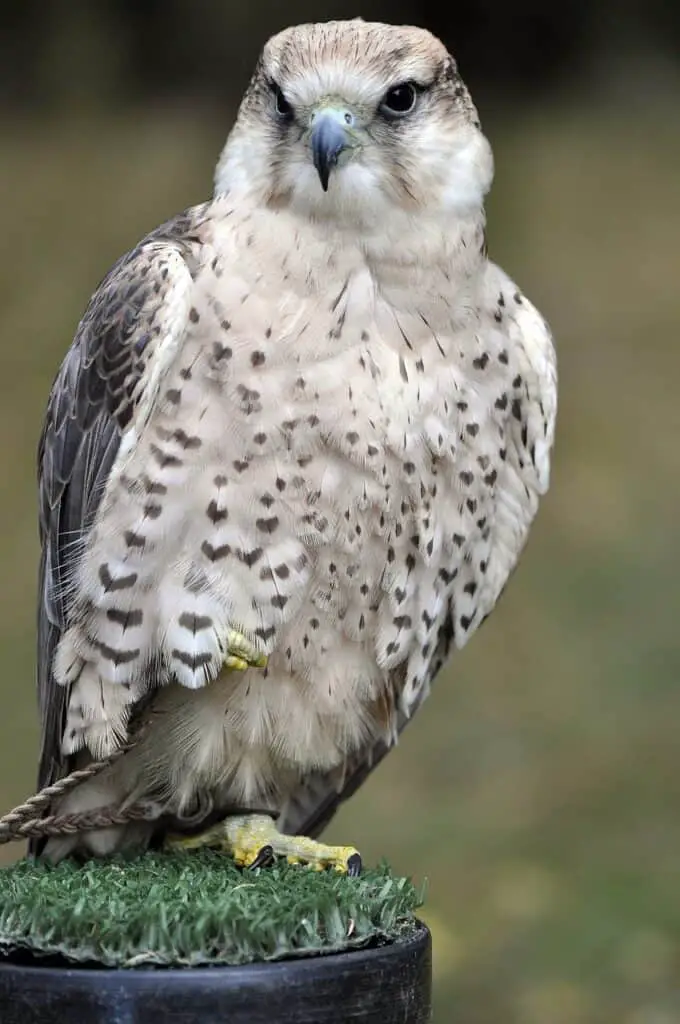
Gyrfalcons are active and intelligent birds that require stimulation and enrichment to remain healthy and happy in captivity. Other than providing ample space for flying, it is essential to incorporate various perches and structures into their mews or aviary.
Recommended types of perches include:
- Natural Branches: Gyrfalcons prefer natural branches as they mimic their natural habitat and provide different textures for the birds to perch on. Make sure to choose branches that are sturdy and free from pesticides or other harmful chemicals.
- Man-made Perches: Along with natural branches, man-made perches such as wooden or rope structures can also provide variety and stimulation for the bird’s feet and claws.
- Comfortable Resting Areas: Gyrfalcons need rest and should have comfortable perching areas where they can relax and sleep. Providing soft materials such as a thick layer of wood shavings or straw can make for cozy resting spots.
Enrichment items to consider:
- Toys: Toys made specifically for birds, such as hanging perches, puzzle feeders, and interactive toys, can help keep gyrfalcons entertained and mentally stimulated.
- Hunting Simulators: As hunting is a natural behavior for gyrfalcons, incorporating simulated hunting activities into their mew can provide both physical and mental stimulation. This can include hiding food in different areas or using a lure to imitate prey.
- Visual Stimulation: Gyrfalcons are visual birds, and providing them with a view outside their mew or aviary can be enriching. This can include placing the mews near a window or incorporating bird feeders outside for the gyrfalcons to watch.
Cleaning and Maintenance Requirements
Regular cleaning not only keeps the environment hygienic but also helps detect any issues early on. It is crucial to have a strict routine for cleaning and maintenance tasks, which should include:
- Daily Tasks: Daily tasks involve removing waste, replenishing water and food, and checking the overall condition of the mew. This helps to ensure that the birds have access to fresh food and water at all times.
- Weekly Tasks: Weekly tasks involve a thorough cleaning of the mew or aviary, including washing perches, scrubbing floors, and disinfecting surfaces. This helps prevent the buildup of harmful bacteria and fungi, ensuring a safe and healthy environment for the birds.
- Monthly Tasks: Monthly tasks include deep cleaning of the mews, checking ventilation systems, and inspecting for any potential hazards or wear and tear. This helps maintain the structural integrity of the mew and ensures that it remains a safe space for the gyrfalcons.
It is essential to follow maintenance routines diligently to keep the mews in optimal condition and ensure the well-being of the birds. Regular cleaning also provides an opportunity to bond with and observe the birds, allowing for early detection of any potential health issues.
Creating a suitable and healthy living environment for gyrfalcons requires careful consideration and dedication. By paying attention to factors such as temperature, humidity, air quality, enrichment, and cleaning, you can ensure that your birds have the best possible quality of life in captivity.