
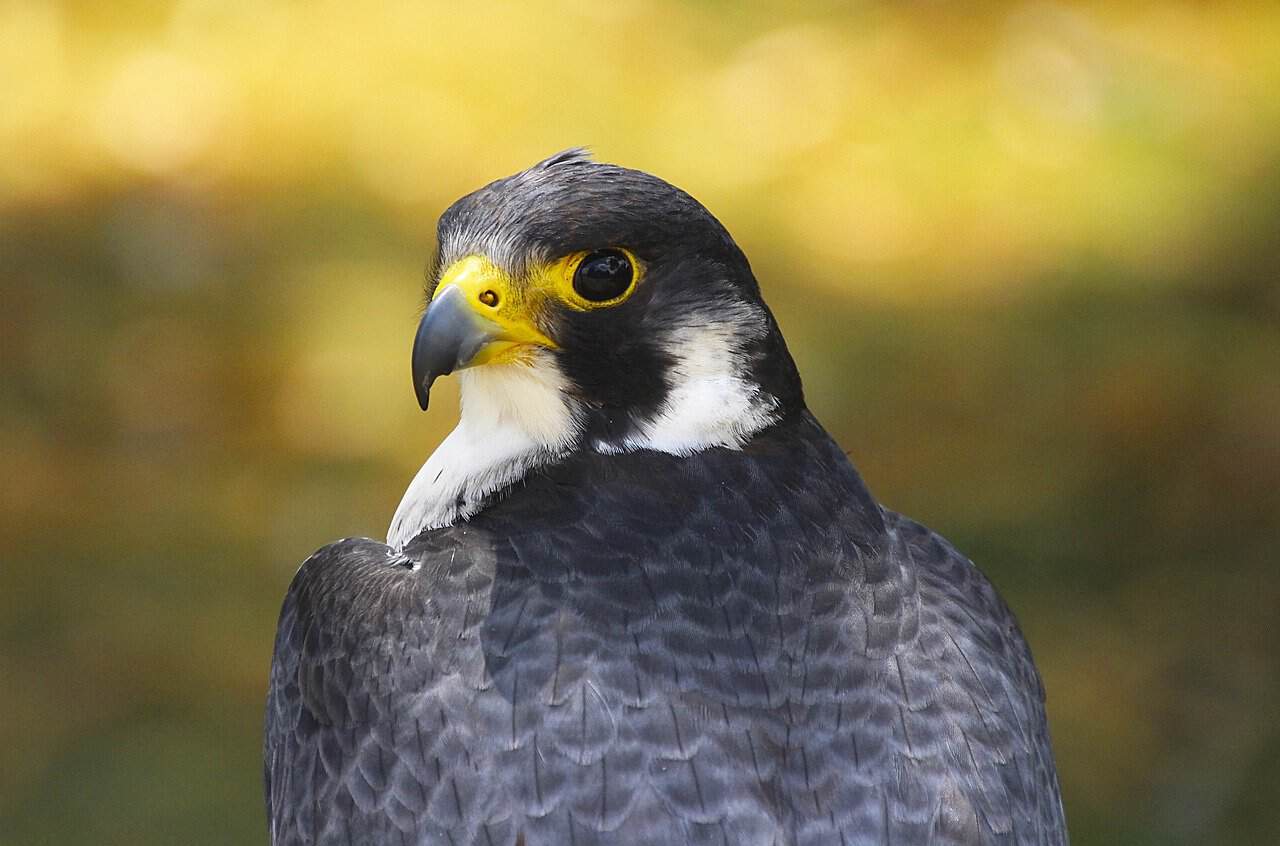
Gyrfalcons are among the most popular birds of prey used in falconry, with a long history of being prized by falconers. However, like any bird of prey, there are both pros and cons to choosing a gyrfalcon for falconry. Firstly, gyrfalcons are not for beginner falconers. They require a high level of skill and experience to handle, as they are known for being extremely powerful and territorial birds.
Advantages of Choosing a Gyrfalcon
- Power and Speed: Gyrfalcons are renowned for their incredible speed and power, making them excellent hunters. They have been recorded diving at speeds of up to 240 mph, making them one of the fastest animals on the planet.
- Versatility: Gyrfalcons have a diverse range of prey that they can hunt, including birds, small mammals, and even larger prey such as hares and rabbits. This makes them a versatile bird for falconers who live in areas with a variety of potential prey.
- Hardiness: Gyrfalcons are incredibly hardy birds, able to thrive in harsh environments such as the Arctic. This means they are less susceptible to illness and can withstand extreme weather conditions, making them a reliable hunting partner.
- Longevity: With proper care, gyrfalcons can live for up to 20 years in captivity, making them a long-term investment for falconers.
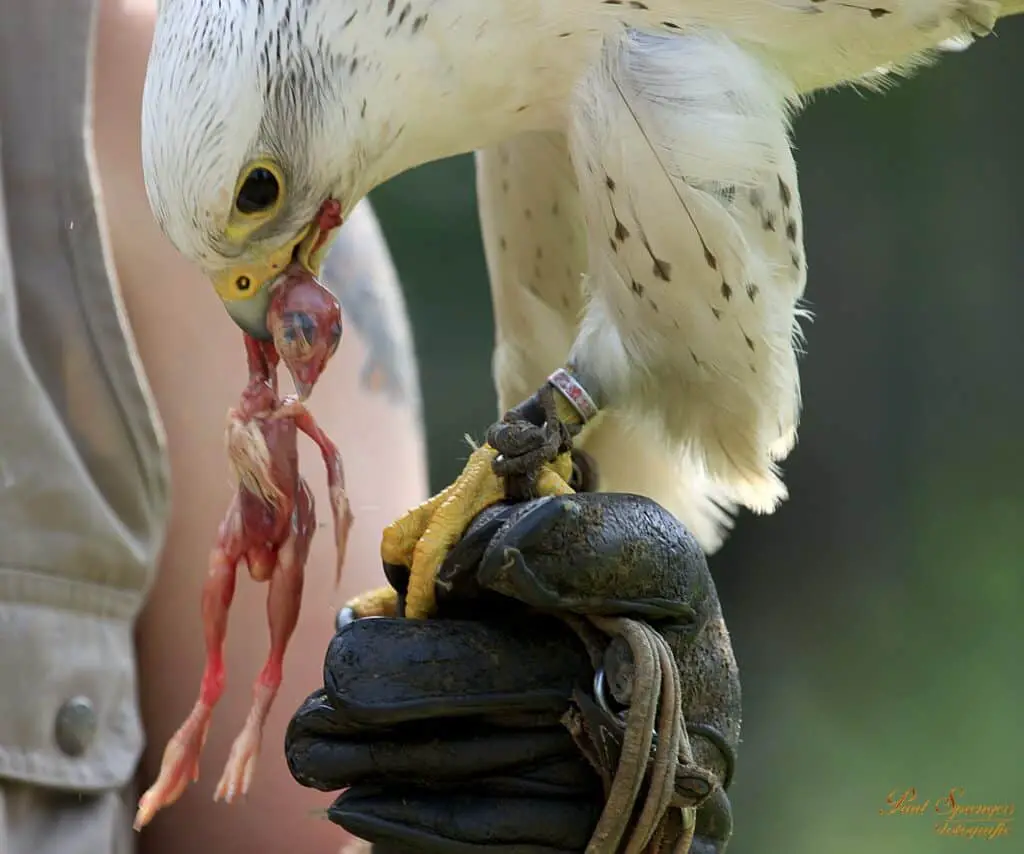
Disadvantages of Choosing a Gyrfalcon
- Size and Strength: While their power and size make them excellent hunters, they also require larger equipment and more space than smaller falconry birds. This can be a challenge for those with limited resources or living in urban areas.
- Expense: Gyrfalcons are considered luxury birds in the world of falconry due to their rarity and high demand. They can come at a hefty price tag, making them inaccessible for many aspiring falconers.
- Temperament: Gyrfalcons are known for being more aggressive and territorial compared to other falconry birds, which can make them challenging to handle. They require a firm and experienced hand, and may not be suitable for those with less experience.
- Breeding Challenges: As gyrfalcons are protected under the Migratory Bird Treaty Act, obtaining a breeding pair can be difficult and requires proper permits. This can limit the availability of captive-bred gyrfalcons for falconers.
Considerations Before Selecting a Gyrfalcon
- Training and Experience: As mentioned, gyrfalcons are not recommended for beginner falconers. If you are considering a gyrfalcon, make sure you have the necessary training and experience to handle this powerful bird.
- Housing and Equipment: Gyrfalcons require larger housing and equipment compared to other falconry birds. Before selecting a gyrfalcon, ensure you have the appropriate space and resources to accommodate their needs.
- Costs: As mentioned, gyrfalcons can be expensive birds to obtain. Before making a decision, consider all associated costs, including housing, equipment, food, and veterinary care.
- Availability: Gyrfalcons are not as readily available as other falconry birds due to their protected status and high demand. Make sure you have a reputable source for obtaining your gyrfalcon.
Frequently Asked Questions
Is a Gyrfalcon Suitable for Beginners in Falconry?
- For beginners in falconry, a gyrfalcon may not be the best choice due to its size, strength, and advanced training requirements.
Are Gyrfalcons Prone to Any Specific Health Issues?
- Gyrfalcons can be prone to health issues like aspergillosis, bumblefoot, and feather mites. Regular vet check-ups, proper diet, and hygiene practices can help safeguard against these risks and guarantee the bird’s well-being.