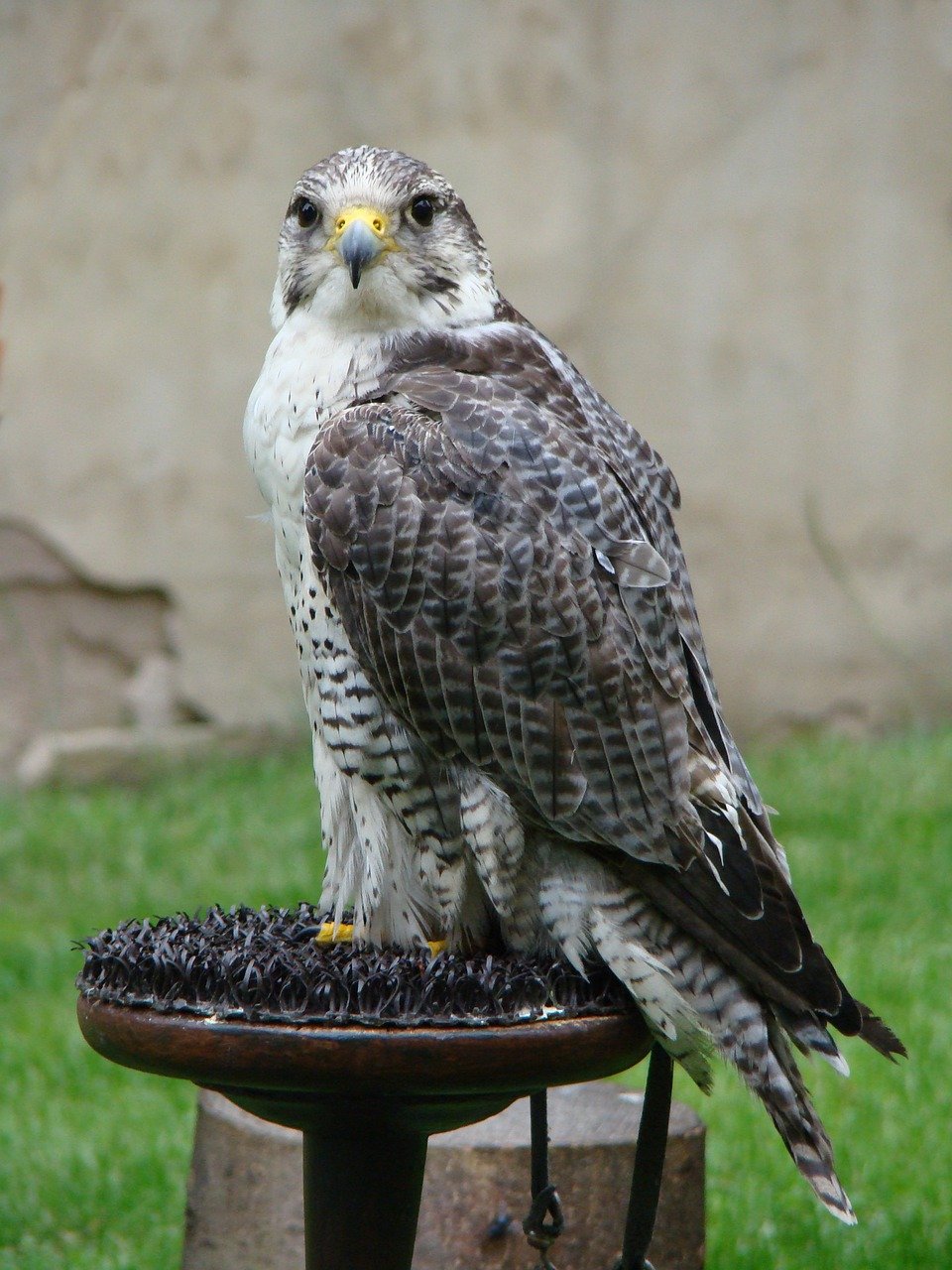
When I began training my first Gyrfalcon for falconry, I was both excited and intimidated. Excited because I had always been fascinated by these powerful birds of prey and intimidated because I knew that training one would be a difficult and time-consuming process. To successfully train a gyrfalcon for falconry, you need to make sure you have experience in handling these birds and have a strong understanding of their behavior and needs.
Training Basics with a Gyrfalcon
When training a Gyrfalcon for falconry, establishing a strong foundation of trust and communication is essential. To build trust with my birds, I start by spending time together and getting them accustomed to my presence and voice. Patience is key; you need to allow the birds time to observe and become accustomed to your presence. You will need to be consistent in your training and handling of the bird to build a strong bond.
Communication isn’t just about vocal commands, and body language plays a significant role in falconry training. Gyrfalcons are sensitive to even the slightest movements, so it’s important to be mindful of your gestures. When working with your Gyrfalcon, maintain a calm and assertive demeanor. Being confident in what you do will make the bird see you as a trustworthy leader.

In the early stages of training, focus on basic commands like recall and perch training. These commands lay the foundation for the rest of the process. Positive reinforcement, such as using rewards like food or praise, helps reinforce good behaviors.
Understanding The Behaviour of Gyrfalcons
Understanding the behavior of Gyrfalcons before beginning falconry training is crucial for establishing a successful and mutually beneficial relationship between the falconer and the bird. Here are some key aspects to consider:
- Natural Behavior: Gyrfalcons are powerful birds of prey known for their agility and hunting prowess. Before training begins, it’s important to observe their natural behavior in the wild or in captivity to understand their instincts, hunting techniques, and social interactions.
- Temperament: Each Gyrfalcon may have its own temperament and personality traits. Some may be more bold and assertive, while others may be more cautious or shy. Understanding the individual temperament of the bird will help tailor the training approach to suit its needs.
- Social Structure: Gyrfalcons are solitary hunters in the wild, but they may still have social behaviors and hierarchies, especially in captivity or when interacting with other birds during training or breeding seasons. Understanding these dynamics can help prevent conflicts and facilitate bonding between the falconer and the bird.
- Communication: Like all birds, Gyrfalcons communicate through vocalizations, body language, and other behaviors. Learning to interpret these signals can help the falconer understand the bird’s mood, needs, and readiness for training or hunting.
- Hunting Instincts: Gyrfalcons have strong hunting instincts, which can be both a challenge and an asset in falconry training. Harnessing these instincts through positive reinforcement and proper training techniques can lead to a skilled hunting companion.
By taking the time to understand the behavior of Gyrfalcons before starting with falconry training, you can establish a solid foundation for a successful partnership based on mutual respect, trust, and communication.
Bonding and Trusting Building is The Foundation
If your bird doesn’t trust you or have a strong bond with you, it will be difficult to train them effectively. Bonding and trust-building take time, patience, and consistency. To successfully earn your bird’s trust and bond with it, I suggest you:
- Spend time Together: Spend time with your bird every day, even if it’s just sitting in the same room. This will help them get used to your presence and build familiarity.
- Use Positive Reinforcement: Reward good behaviors with treats or praise. This will help establish a positive association with you and make training more enjoyable for the bird.
- Be Mindful of Body Language: As mentioned earlier, Gyrfalcons are sensitive to body language and gestures. Be mindful of your actions when interacting with the bird to avoid causing any fear or aggression.
- Establish a Routine: Birds thrive on routine, so having a set schedule for training and feeding can help them feel secure and build trust with you.
- Be Patient: Building a strong bond and trust can take time, so it’s important to be patient and not rush the process. With patience and consistency, your Gyrfalcon will eventually see you as a trusted companion and training partner.
Choose a Secure Training Area
Now that you’ve gained your bird’s trust, you can move on to the training. But, in order to train your bird, you require a safe and secure training area. When looking for an area to train my gyrfalcons, I often look for:
| Aspect | Description | Importance |
| Location | Choose a location away from busy roads, power lines, and other potential hazards. | Critical for safety |
| Size | The training area should be large enough to allow the Gyrfalcon to fly freely and exercise its wings | Essential for bird’s health |
| Privacy | Ensure the area provides privacy to minimize external disturbances that could disrupt the training sessions. | Crucial for focus |
Gather All Necessary Equipment
I always like to make sure I have all the necessary equipment. This will help you carry out the training session smoothly. You will need training equipment such as:
- Leash and Jesses: A leash and jesses are essential for controlling the bird during training and ensuring its safety.
- Perches: Perches provide a place for the bird to land, rest, and train.
- Gloves: Falconry gloves protect your hands from the bird’s talons during handling and training sessions.
- Hood: A hood can help calm the bird and keep it from becoming distracted during training sessions.
- Lure: A lure is used to train the bird to return to you on command, similar to how a falconer would use live prey for hunting training.

Start with Tethering Training
Before moving on to free-flight training, I always start with tethering training. This involves securing the bird’s leash to a fixed point while you work with it, allowing it to practice flying and landing without the risk of escaping. This also provides a controlled environment for the bird to get used to your commands and learn basic obedience.
During tethering sessions, spend time near your Gyrfalcon, talking to it and offering small treats as positive reinforcement. This time together helps the bird become accustomed to your presence and associate you with positive experiences. I like to make sure that tethering sessions are short but frequent.
Move on to Lure Training
Once your bird is comfortable with tethering and follows basic commands, you can move on to lure training. This involves using a lure, such as a piece of meat or feathered toy, to teach the bird to fly towards you on command.
Start by tying the lure onto the end of a long string and throwing it while giving the command “come.” If the bird does not respond to the lure, I usually attach a piece of fresh meat to it to make it more enticing. Gradually increase the distance between you and the lure to encourage longer flights. Use verbal cues to signal when it’s time for your bird to engage with the lure, and always reward successful attempts.
Recall Command Training:
The next step is to train your bird to return to you on command without the use of a lure. This is essential for free-flight training and hunting. To do so, start by calling your Gyrfalcon’s name and giving the “come” command while showing it a treat. As the bird becomes more familiar with this routine, gradually increase the distance between you and the bird when giving the command. Eventually, your bird will learn to fly back to you on command without the need for a lure or treat.
You can also consider incorporating short flights during recall training to simulate real-life hunting scenarios. This will help your Gyrfalcon learn to associate the recall command with returning to you for a reward, even when engaged in flight. Always end each training session on a positive note, celebrating successful recalls with enthusiasm and treats.
Free Flight Training:
Finally, when your bird has mastered recall commands and is comfortable flying to you on command, you can start free-flight training. This involves allowing the bird to fly without a leash or tether but under close supervision.
Start in a safe and enclosed area, such as an aviary or large fenced-in yard. Use the same recall techniques during this training, gradually increasing the distance and distractions to mimic real-life hunting scenarios. Always supervise your Gyrfalcon closely, and never allow it to fly unsupervised until you are confident in its recall abilities.
Hunting Training:
During hunting training, I begin by using a lure again, as it’s important to start with simulated hunts before moving on to live prey. Start by throwing the lure and commanding your bird to chase it. Once your Gyrfalcon has successfully caught the lure multiple times, you can move on to using live prey such as mice or rabbits.
Be sure to always use safe methods for hunting training and never put your bird at risk of injury. Also, always follow local regulations and obtain any necessary permits for hunting with a raptor.
Challenges when training a Gyrfalcon:
Like with any new hobby, there are always challenges along the way that can hinder the training process. But don’t worry, I’ve listed the challenges I faced:
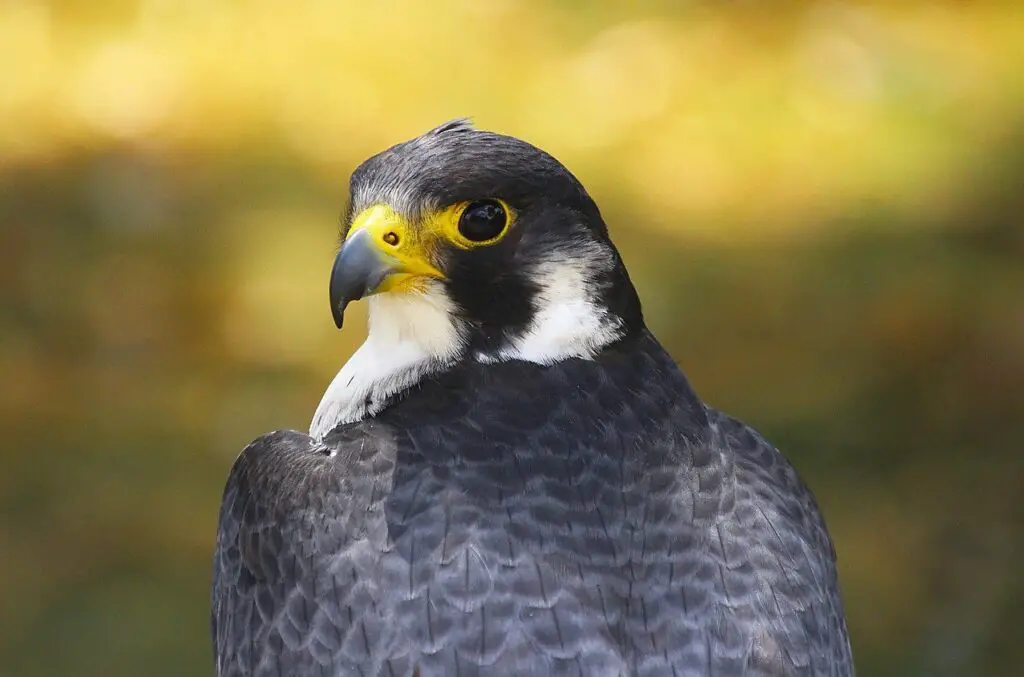
- Trusting the handler: Gyrfalcons require time and patience to build trust with their handlers. Establishing a strong bond with your bird is essential before moving on to more advanced training.
- Aggression: They can exhibit aggressive behaviors, especially during training or when defending their territory. Falconers must establish trust and a strong bond with the bird to mitigate aggressive tendencies and ensure safe handling.
- Distractions: Gyrfalcons have a strong predator instinct, so it can be challenging to maintain their focus during training when potential prey or other distractions are present.
- Weather conditions: Gyrfalcons are adapted to cold and harsh environments, but extreme weather conditions such as heavy rain or high winds can still affect their ability to fly and train.
- Time commitment: Training a Gyrfalcon takes time and dedication. It’s important to set aside regular training sessions and maintain consistency in your techniques and commands.
Overall, training a Gyrfalcon is not for the faint-hearted, but with patience, consistency, and a strong bond, it can be an incredibly rewarding experience.
Frequently Asked Questions
How Long Does It Take to Train a Gyrfalcon for Falconry?
- The time it takes can vary depending on the individual bird and the trainer’s experience. It can take anywhere from several weeks to several months.
What is the Best Age to Start Training a Gyrfalcon?
- For falconry purposes, it’s best to start training a Gyrfalcon at around 8-12 weeks of age. This allows for ample time to build trust and establish a bond before moving on to more advanced training.
Do I Need Special Licenses or Permits to Train a Gyrfalcon?
- Yes, in most places, you will need a falconry license and permit to train and hunt with a Gyrfalcon.