
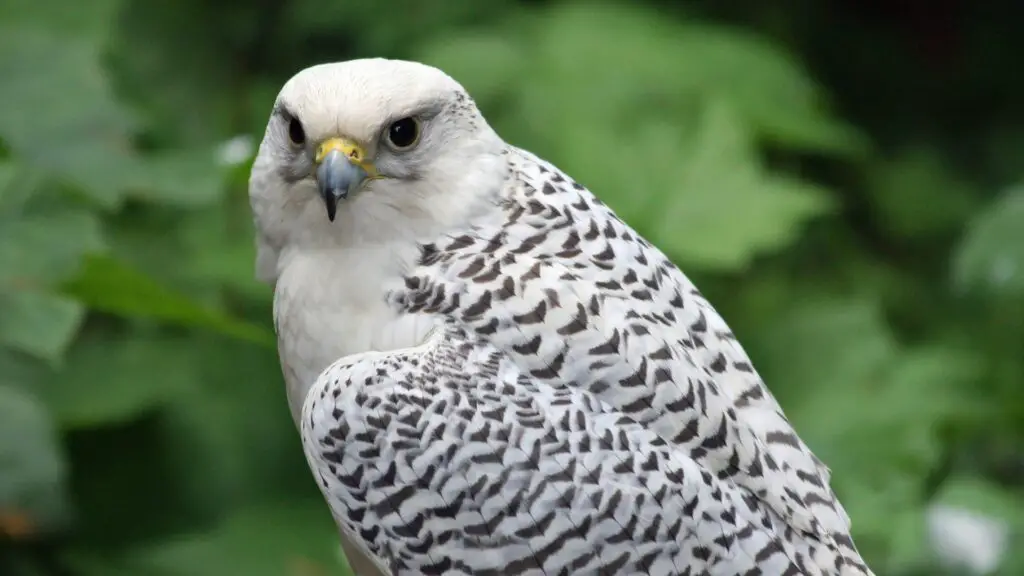
Training gyrfalcons are not for the faint of heart. It requires dedication, patience, and a deep understanding of the bird’s natural behavior. I began training my first Gyrfalcon after years of experience with other birds of prey, and I was still surprised by how different she was from any other falcon I had trained before. So, if you’re interested in training a gyrfalcon, here are some basics to get you started:
Overview of training Gyrfalcons
When training Gyrfalcons for falconry, it’s crucial to establish a strong foundation through positive reinforcement techniques. These birds require patience and respect. Positive reinforcement involves rewarding desired behaviors to encourage their repetition, creating a bond built on trust and respect.
Initially, I focused on building trust with the Gyrfalcon by offering treats as rewards for small steps toward the desired behavior. This creates a positive association with training and helps the bird feel secure. Consistency is key in this process; I ensure that each training session is structured with clear goals and rewards for progress.
As the training progresses, I adapt to the individual bird’s pace and preferences, always keeping their well-being in mind. Gyrfalcons are intelligent creatures with distinct personalities, requiring a personalized approach to training.

Develop a connection with your bird prior to training.
Establishing a strong bond with your Gyrfalcon before training is essential for fostering trust and cooperation in the falconry process. Spending quality time with your bird is crucial in building a foundation of trust. Approach your falcon calmly, avoiding sudden movements that could startle it. Being patient and gentle can create a safe and comfortable environment for your bird to thrive.
One effective way to bond with your Gyrfalcon is through positive reinforcement using food. Offering food from your hand can help create positive associations and build a sense of security between you and your bird. This simple gesture can go a long way in establishing a strong connection based on trust and mutual respect.
Additionally, engaging in activities that your Gyrfalcon enjoys, such as flying or hunting simulations, can further strengthen your bond. By understanding your bird’s preferences and needs, you can tailor your interactions to suit its individual personality.
Begin Basic Training:
To initiate basic training with your Gyrfalcon, start by familiarizing it with your presence and gradually introducing simple commands like stepping onto your gloved hand.
Slowly extend your gloved hand towards your falcon, encouraging it to step onto your hand with patience and gentle guidance. Use consistent commands like ‘step up’ or ‘step down’ to help your bird understand what you expect from it.
As you work on these basic exercises, remember to keep training sessions short and positive to prevent overwhelming your Gyrfalcon. Reward good behavior promptly with treats and praise to reinforce the desired actions. Be mindful of your falcon’s body language to gauge its comfort level and adjust your training approach accordingly.
Introduce the Falcon to Equipment:
Let’s prepare the Gyrfalcon for falconry by gradually introducing it to essential equipment such as jesses, anklets, and a hood, ensuring a positive and gradual familiarization process.
To effectively introduce the falcon to equipment, follow these steps:
- Start Slow: Begin by allowing the falcon to see and inspect the equipment without any pressure to wear it. This helps build familiarity and comfort.
- Positive Reinforcement: Use treats and praise to create a positive association with the equipment. Reward the falcon for showing interest or accepting the items.
- Incremental Progress: Introduce one piece of equipment at a time, starting with the least intrusive, such as jesses. Gradually move to anklets and then the hood to prevent overwhelming the bird.
- Patience and Consistency: Be patient and consistent in your approach. Repeat the process daily, gradually increasing the time the falcon wears the equipment to ensure it becomes accustomed to them.
Practice Recall and Response:
It’s crucial to practice recall and response commands consistently in a controlled setting. Training the falcon to reliably respond to recall commands, such as whistling or specific verbal cues, is essential for successful falconry.
Consistency is key when teaching your Gyrfalcon to respond to recall commands. Start in a quiet area free from distractions, gradually increasing the level of difficulty as your falcon becomes more proficient. Use positive reinforcement, such as rewarding the falcon with a treat or praise when it responds correctly. Remember to keep training sessions short and engaging to maintain the falcon’s focus and enthusiasm.
During recall and response training, pay close attention to your falcon’s body language and behaviour. This will help you understand its cues and signals, allowing you to adjust your training approach accordingly. Stay patient and persistent, as training a Gyrfalcon takes time and dedication.
Begin Lure Training
I start lure training by introducing the falcon to a piece of meat attached to a line or string, encouraging it to fly to my gloved hand or a designated perch. This method helps the falcon associate flying to the lure with a food reward, laying the foundation for more advanced training techniques. Lure training is a crucial step in the development of a falconry bird’s skill and responsiveness.
Key Types of Lures:
- The stoop: Mimics the diving motion of the falcon, encouraging it to follow and catch the lure.
- The creance: A longer line attached to the lure for training in larger spaces while maintaining control.
- The balloon: Used for training high flights, simulating a bird in the sky for the falcon to pursue.
- The kite: Allows for training at greater heights, teaching the falcon to soar and stoop accurately.
Tether and Creance Training
After mastering lure training, the next phase involves tether and creance training further to develop the falcon’s flying abilities in controlled environments. During this stage, I focus on teaching the Gyrfalcon to fly while attached to a long line called a creance. This helps me guide the bird’s flight path and ensure its safety while allowing it to experience more freedom than during lure training.
Tether training begins by attaching a lightweight line to the falcon’s jesses, gradually increasing the distance it can fly from me. Through positive reinforcement and patience, I encourage the bird to fly longer distances and return to me reliably. This process helps build trust between the falcon and me and strengthens its flying muscles and stamina.
Creance training involves using a longer line to allow the Gyrfalcon to fly higher and practice more complex manoeuvres. I carefully monitor its progress, adjusting the training as needed to promote steady improvement. This phase is crucial for preparing the falcon for free flight, where it will soar without any restraints.

Perch Training
Perch training involves teaching the Gyrfalcon to land and stay on designated spots, enhancing its control and obedience during falconry sessions. It’s a crucial step in the training process that helps build a strong foundation for the falcon’s behaviour and responsiveness.
To begin perch training, use a designated perch or glove stand and encourage the falcon to land on it through positive reinforcement. Gradually increase the distance between you and the perch, challenging the falcon’s flying skills while maintaining its obedience to return to the designated spot.
Consistency and patience are key during perch training. Remember to reward good behaviour and gradually introduce different types of perches to improve the falcon’s versatility and adaptability. Perch training is a vital step that prepares the Gyrfalcon for free flight and successful hunting sessions.
Introduce Flying Sessions:
To begin introducing flying sessions, start by gradually acclimating the bird to open spaces such as fields or parks. This process helps the falcon get used to the environment and prepares it for flight training. Begin with short flights, allowing the bird to stretch its wings and become comfortable with flying in an open area. It’s essential to start slowly to build the falcon’s confidence and prevent overwhelming it.
As the birds grow more accustomed to flying in open spaces, the distance and duration of the flights gradually increase. This progression allows the bird to develop its flying skills at a pace that suits its abilities. By incrementally extending the flights, you help the falcon build the strength, endurance, and agility needed for successful falconry.
During these flying sessions, observe the Gyrfalcon closely to monitor its progress and behavior. Look for signs of fatigue or discomfort and adjust the training accordingly. If the bird looks hesitant or reluctant to fly, give it some time and gradually reintroduce the training.
Hunting Training:
The ultimate goal of falconry training is to prepare the falcons for hunting in a controlled environment. It’s essential to start this training with caution and patience, ensuring the bird is fully prepared physically and mentally.
Before introducing live prey, begin by practicing with a lure designed to mimic the movements of small animals. This exercise helps the falcon develop its hunting instincts and techniques while also providing a safe and controlled environment for the birds to learn in.
As the training progresses, live prey such as quails, rabbits, or hares will gradually be introduced. Supervision is crucial during these sessions to ensure the safety of both the falcon and the prey. Continue to monitor and adjust the hunting training as needed, always keeping in mind the welfare of your bird.
By following these training techniques and tips, you can develop a strong bond with your bird while also preparing it for successful hunting sessions. Remember to always prioritize the welfare of your falcon and continuously monitor its progress throughout the training process.
Frequently Asked Questions
How Long Does It Typically Take to Bond With a Gyrfalcon Before Beginning Training?
- It usually takes a few weeks to bond with a gyrfalcon before starting training. However, the bonding process can vary depending on the individual bird and the training techniques used.
Is It Possible to Train a Wild Gyrfalcon?
Yes, it is possible to train a wild gyrfalcon with proper permits and licenses. However, it’s essential to consult with experienced falconers and follow all regulations before undertaking such training.
How Can I Ensure My Bird’s Safety During Training?
- Safety should always be a top priority during falconry training. Ensure that your bird is in good health and monitor its behavior closely. Follow all safety precautions, such as using a creance line during initial flight training and supervising hunting sessions.
What Are the Key Qualities to Look for in a Potential Gyrfalcon?
- When choosing a potential falconry bird, it’s crucial to look for qualities such as good health, strong flying abilities, and a calm and trainable temperament. The bird should also have a natural hunting instinct and be responsive to positive reinforcement.