
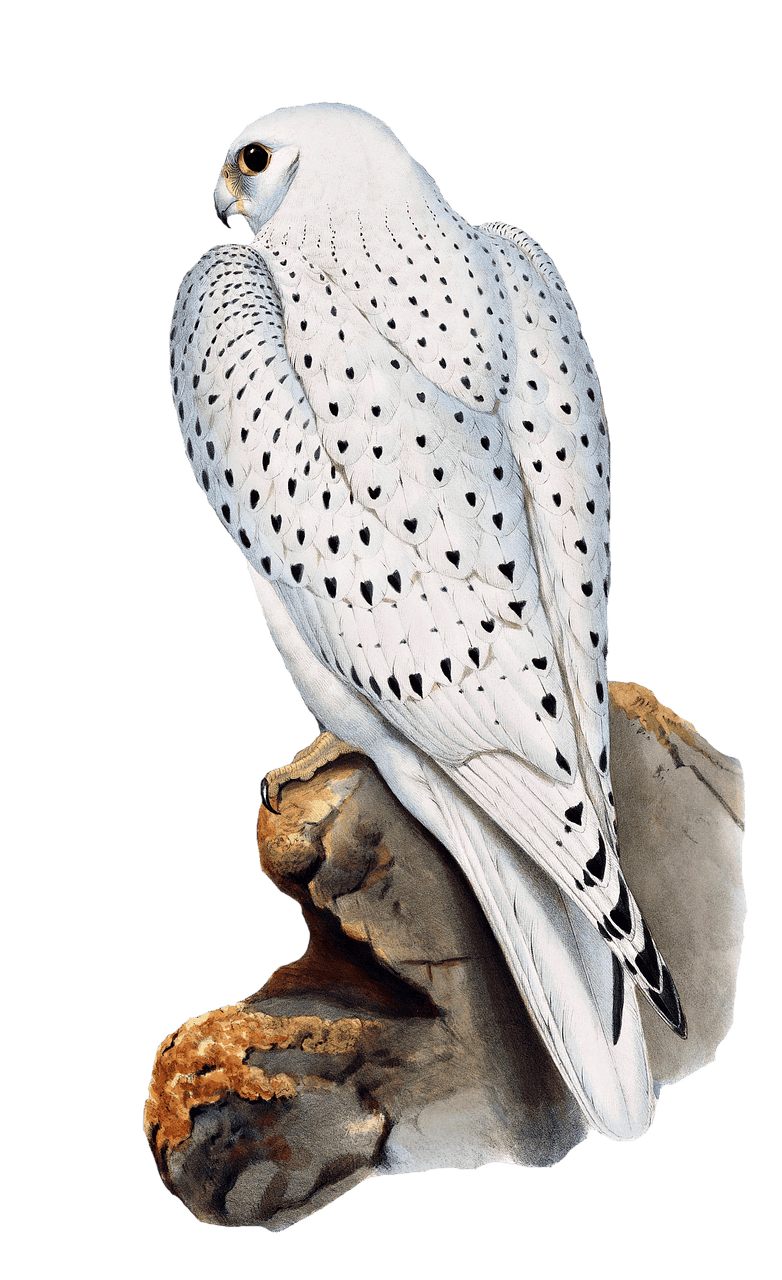
Using a falconry hood when training my Gyrfalcon is vital. It helps limit visual stimuli, reduce stress, and improve focus during training sessions. These hoods are especially crucial for highly visual birds, like Gyrfalcons, to ensure they stay on track. Not only does it keep the bird calm and receptive, but it also acts as a safety measure for both the bird and me. Here’s why I never begin a training session without this vital piece of equipment:
Benefits of Using a Falconry Hood
Using a falconry hood for your Gyrfalcon provides numerous benefits that enhance the bird’s well-being and your overall falconry experience. The practice of hooding is an ancient and respected technique in falconry, known for its ability to create a calm and controlled environment for the falcon.
- Reducing Stress
Falconry hoods play a crucial role in reducing stress for your Gyrfalcon. By covering the bird’s eyes, the hood blocks out visual stimuli that can be overwhelming, especially in unfamiliar or overstimulating environments. This is particularly useful during transportation, at public events, or when there are sudden changes in surroundings. The reduction of visual input helps to calm the bird, creating a sense of security and preventing the onset of panic or stress-related behaviors. A calm falcon is more manageable and less likely to injure itself or its handler.
- Improving Focus
Hoods are also instrumental in improving a falcon’s focus during training and hunting sessions. By hooding the bird, you can control when it is allowed to see and react to its environment. Removing the hood just before a flight or hunting session signals to the falcon that it’s time to work, ensuring that the bird is attentive and ready to perform. This practice conditions the bird to associate the removal of the hood with active periods, sharpening its focus and enhancing its response and effectiveness in the field. I find that this method helps reinforce training cues and improve the success of bird hunting.
- Preventing Feather Damage
Falcons can sometimes engage in excessive preening or feather plucking when stressed or bored, leading to feather damage. Using a hood can mitigate this behavior by keeping the bird calm, thus reducing the likelihood of feather plucking. Maintaining optimal plumage is crucial for the bird’s aerodynamics and overall health, ensuring that it can fly efficiently and perform well during hunts.
- Protecting During Handling
Handling or veterinary examinations can be stressful for a falcon and potentially dangerous for the handler. A hooded falcon is less likely to become agitated or aggressive during these times, making the process safer and easier. This reduced agitation not only protects the handler from potential bites or scratches but also minimizes the risk of injury to the bird itself.
- Enhancing Training Efficiency
The hood is a valuable tool in training, as it allows the falconer to control the bird’s exposure to various stimuli and commands. By hooding the falcon during specific training phases, you can manage its focus and gradually acclimate it to different training scenarios. This controlled exposure helps create a more effective training environment, allowing the bird to learn commands and behaviors in a step-by-step manner. The ability to control what the falcon sees and when it sees it can significantly impact the efficiency and effectiveness of training sessions.
- Facilitating Socialization
Introducing a Gyrfalcon to new people or environments can be challenging due to the bird’s natural wariness and potential stress. The hood helps in making this process smoother by minimizing visual distractions and potential stressors. During early socialization phases, the hood can be used to help the bird adjust to new situations without becoming overwhelmed.
- Ensuring Safety During Transport
Transporting a Gyrfalcon can be stressful for both the bird and the falconer. A hooded falcon is less likely to become anxious or restless during travel, ensuring a safer and more comfortable journey. This is especially important for long-distance travel or when transporting the bird to unfamiliar locations. The hood helps keep the bird calm, reducing the risk of stress-induced behaviors that could lead to injury or escape attempts. This ensures that the falcon arrives at its destination in a calm and relaxed state, ready for whatever activities lie ahead.
- Managing Light Sensitivity
Gyrfalcons, like many birds of prey, have highly sensitive vision, which can sometimes make them react strongly to changes in light. The hood can be used to manage light sensitivity, particularly during periods of bright sunlight or in environments with fluctuating light conditions. By controlling the bird’s exposure to light, you can prevent overstimulation and maintain a calm demeanor.
- Aiding in Recovery
If a Gyrfalcon is recovering from an illness or injury, the hood can help by keeping the bird calm and minimizing movement. This controlled environment can aid in faster recovery, as the bird is less likely to engage in stress-induced behaviors that could exacerbate its condition. The hood helps create a stable and secure environment, allowing the bird to rest and heal without unnecessary stress.
Using a falconry hood for your Gyrfalcon offers numerous benefits, from reducing stress and improving focus to preventing feather damage and enhancing training efficiency. By incorporating the hood into your falconry practice, you can create a more controlled, calm, and effective environment for both you and your bird. Whether for training, handling, transport, or socialization, the hood is an essential tool that contributes significantly to the well-being and performance of your Gyrfalcon.