

Training my Red-Tailed Hawk to use a hood involves selecting a hood with proper fit, material, ventilation, and closure. This enhances focus, reduces stress, and improves our safety. Starting with a gradual introduction and positive reinforcement techniques, I ensure my hawk accepts the hood comfortably. Patience and consistency are key as I incorporate hood training into our routine. Still, there is so much more to hoods than meets the eye. Based on my experiences, I will elaborate below on the benefits, the do’s and don’ts, and how to select the right type of hood.
Benefits of Hood Training
Hood training provides an increased focus for the bird by limiting its visual stimuli, helping it remain calm and attentive during training sessions. This reduced stress enhances the bird’s learning experience and fosters improved training results. By using a hood, the hawk can concentrate on the desired behaviors without distractions, leading to quicker and more effective skill acquisition.
Moreover, hood training enhances safety for both the bird and the falconer. Reducing the hawk’s visual acuity minimizes the chances of it becoming startled and flying off unexpectedly, ensuring a secure training environment. Additionally, using a hood creates better bonding opportunities between the hawk and the handler. The moments spent together during hood training sessions strengthen the trust and communication between the two, establishing a solid foundation for a successful falconry partnership.
Choosing the Right Hood
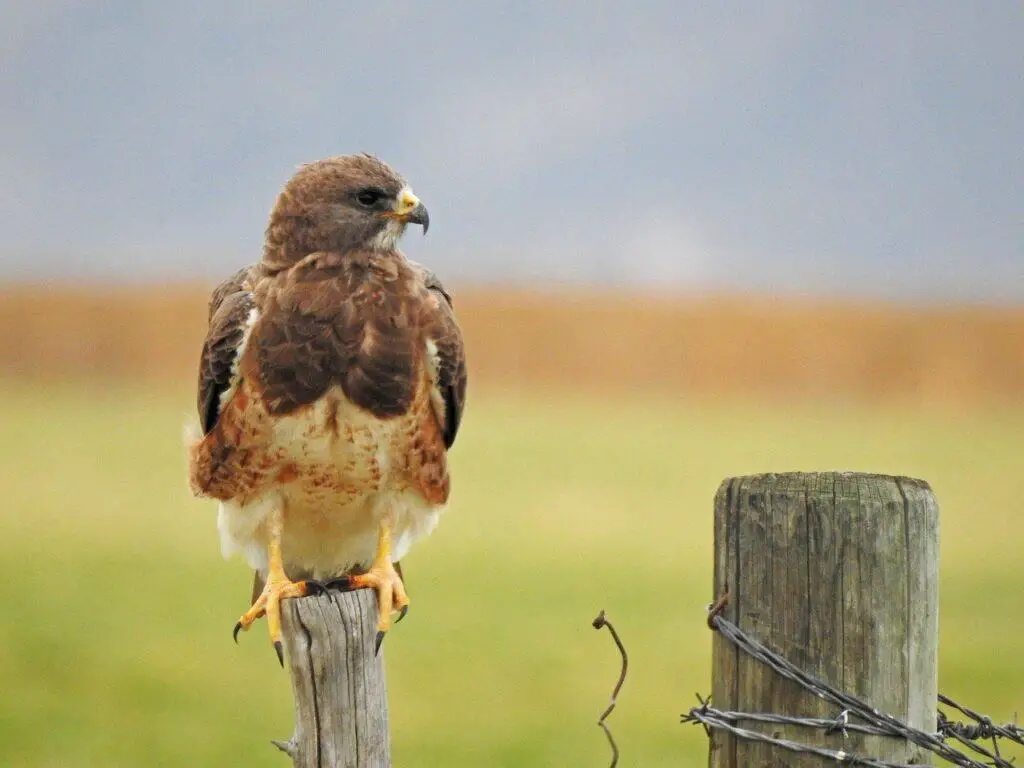
Selecting the appropriate hood for your red-tailed hawk is essential for ensuring proper fit during training sessions. Several intricate factors must be considered to ensure the best outcome for your hawk.
| Criteria | Description |
| Hood material | The material should be durable yet lightweight to provide adequate protection without hindering the bird’s movement. Leather is a common choice for its balance of strength and flexibility. |
| Hood size | The hood must fit snugly around the bird’s head without causing discomfort. A properly sized hood ensures that the bird’s vision is obscured, reducing stress during training sessions. |
| Hood design | The design should allow for proper ventilation to prevent overheating. Additionally, the hood should have a secure closure mechanism to prevent accidental removal during flights. |
| Hood fit | A well-fitted hood is crucial for successful training. Ensure the hood sits securely on the bird’s head without slipping or sliding during flight exercises. |
| Hood training techniques | Introduce the hood gradually to acclimatize the bird to wearing it. Use positive reinforcement techniques to associate the hood with rewards, making the training experience positive for the hawk. |
Step-by-Step How To Hood Train
Step 1:
- Begin by introducing the hood to your hawk without attempting to place it on its head. Allow the bird to inspect and familiarize itself with the hood at its own pace.
Step 2:
- Once comfortable, start placing the hood loosely over the bird’s head for short periods of time, gradually increasing the duration as the hawk becomes more accustomed to wearing it.
Step 3:
- Use positive reinforcement techniques such as treats or praise during each training session to associate the hood with rewards.
Step 4:
- As the hawk becomes more comfortable wearing the hood, start incorporating it into other training exercises, such as calling it back to your glove while wearing the hood.
Step 5:
- Introduce distractions while your hawk is wearing the hood to increase the difficulty of training, gradually building up its focus and ability to remain calm.
Step 6:
Continue this training routine regularly, ensuring consistency and patience throughout the process. With time, your hawk will become comfortable wearing the hood, and it will become a useful tool in your training arsenal.
Common Mistakes to Avoid
- Rushing the introduction of the hood: Hood training requires patience and gradual acclimatization for both you and your hawk. Rushing the process may lead to frustration and potential setbacks.
- Using improper size or fit: A poorly fitting hood can cause discomfort for your hawk, leading to a negative association with wearing it. Take the time to ensure the hood fits properly before starting training.
- Forgetting positive reinforcement: Using treats or praise during training helps create a positive association with the hood for your hawk. Neglecting this aspect may result in a lack of motivation or even resistance to wearing the hood.
Overcoming Hood Training Challenges
To successfully overcome challenges in hood training for your red-tailed hawk, implement a structured desensitization approach to gradually familiarize the bird with wearing the hood. Proper hood fitting is essential to ensure comfort and prevent the hood from obstructing the hawk’s visual acuity. During this process, patience is a key virtue, as hawks may initially resist the hood due to their keen eyesight and natural instincts. Positive reinforcement, such as offering treats when the hawk remains calm with the hood on, can help create a positive association with this equipment. Remember, the hood training process can also be a bonding experience between you and your hawk, strengthening the trust and relationship between the two of you. By approaching hood training with care, precision, and a focus on building trust, you can navigate through the challenges and successfully incorporate the hood into your red-tailed hawk’s routine.
Hood training for your red-tailed hawk is a crucial skill to master to ensure the safety and success of your bird during hunting expeditions. By following the step-by-step guide and choosing the right hood, you can overcome any challenges that may arise. Patience and consistency are key to effectively training your hawk to use a hood. With dedication and practice, you and your bird will be well-prepared for future hunting endeavors.